Ukrainian Weapons

Ukraine has selected three Western platforms for the development of its combat aviation.

Systematic strikes by Ukraine's Defence Forces on Russia's oil refining network have led to a substantial fall in aviation kerosene production in Russia.

President Volodymyr Zelenskyy has said Ukraine is aiming to significantly scale up production of long-range drones.

Ukrainian JATEC experts helped NATO rehearse countering UAV attacks during the LCI-X 3-26 Execution exercises in Latvia.

A Ukrainian strike on the Progress Rocket and Space Center in Samara on August 15 caused massive damage to the Russian strategic facility.
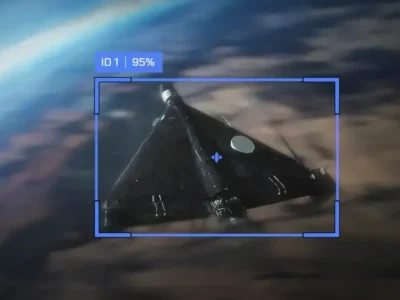
More than 70 different systems with artificial intelligence and computer vision are already helping Ukraine's Defence Forces strike enemy targets.
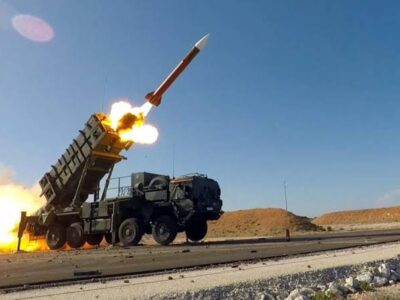
Ukraine is preparing to launch joint production of Patriot interceptor missiles with the U.S. defense company Raytheon.
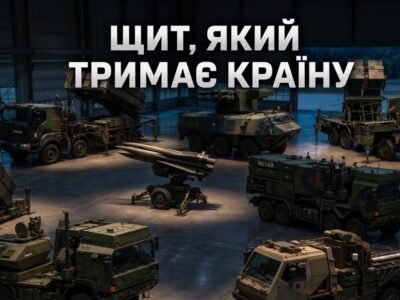
When Russia launched its full-scale invasion on February 24, 2022, one of its primary objectives was to strip Ukraine of its ability to defend its own skies.
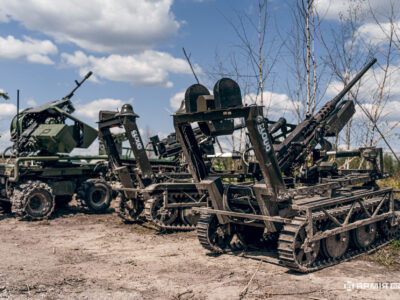

Military equipment, weapons systems, vehicles, and other defence-related supplies delivered to Ukraine are required to comply with NATO requirements.
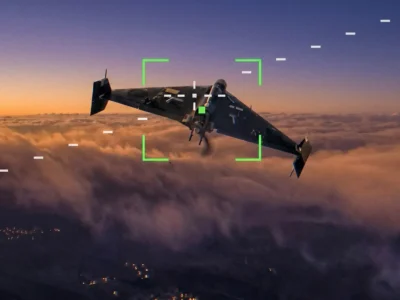
Ukraine is accelerating the deployment of advanced interceptor drone technologies to enhance its air defense capabilities.
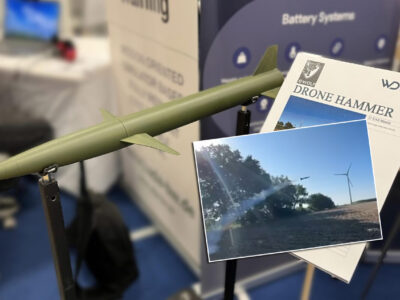
German startup Skylance has successfully completed the first tests of the DroneHammer — jet-powered round designed for rapid neutralization of small drones.
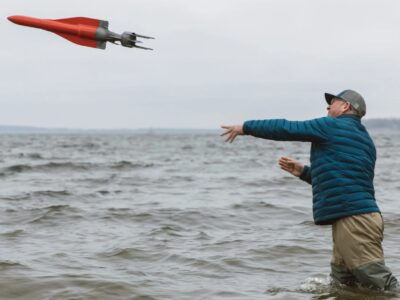
The U.S. Marine Corps has conducted practical training exercises with new autonomous underwater vehicles, the JaiaBot.
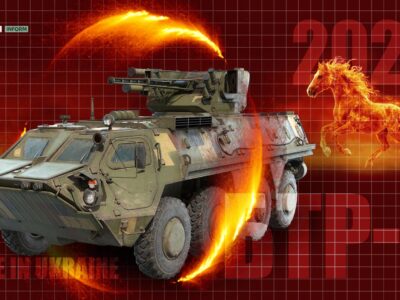
At the end of 2025, the crew of a Ukrainian BTR-4E armored personnel carrier from the 92nd Separate Assault Brigade named after Kosh Otaman Ivan Sirko destroyed a Russian infantry landing force in the Dnipropetrovsk region.

Ukrainian military engineers have developed, manufactured, and sent for practical testing in Defense Forces units next-generation simulators designed to train two-way interaction between an FPV drone operator and a shooter.
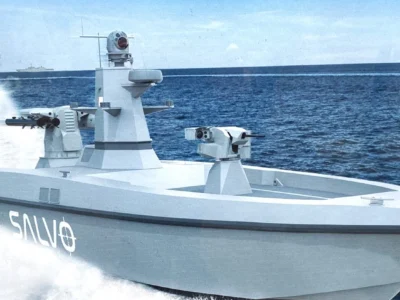
The Navy of the Republic of Azerbaijan has commissioned Turkish-made Salvo unmanned surface vehicles.

Artificial intelligence has ceased to be merely an automation tool — today it is becoming a full-fledged participant in planning and command-and-control processes in modern armies.
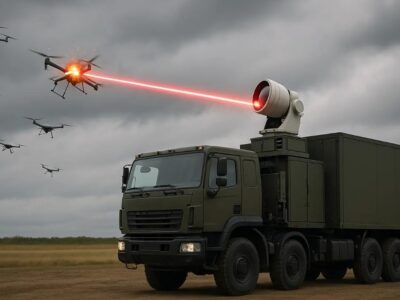
The Australian company Electro Optic Systems Holdings Limited (EOS) has signed the world’s first export contract for the supply of a 100-kilowatt air defense laser system capable of destroying swarms of unmanned aerial vehicles.
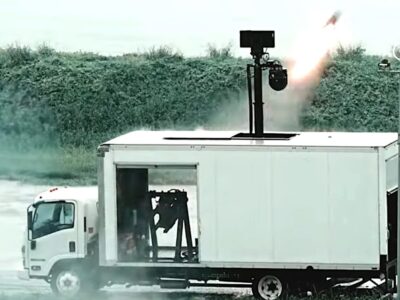
Taiwan has integrated Hellfire missile launchers into civilian trucks, enhancing concealment and the resilience of its defense against a potential adversary.
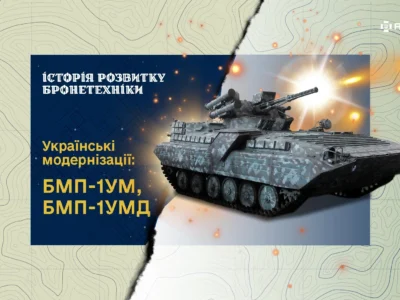
Russian aggression, which began in February 2014, led to a rapid quantitative expansion of the Armed Forces of Ukraine. Newly formed brigades required combat equipment.

The U.S. Department of Defense has commissioned Dynetics Inc. to supply an integrated Indirect Fire Protection Capability (IFPC) air defense system.

The Pentagon vs. Guofangbu. Who will have faster analysis, more precise targeting, and better “intelligent logistics” on the battlefield? The ArmyInform correspondent discussed this with military expert Anatolii Khrapchynskyi.