Ukrainian Weapons
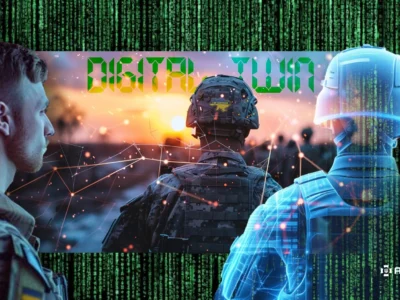
The technology of digital twins is no longer just a component of civilian engineering — today it is confidently entering the defense sphere, transforming approaches to planning, command, and analysis of combat operations.
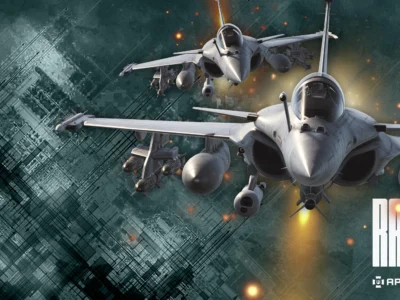
Ukraine has placed an order in France for 100 Rafale fighter jets. At the Villacoublay Air Base on 17 November, Presidents Zelensky and Macron signed a declaration of intent regarding cooperation in the acquisition of defence equipment for our country.
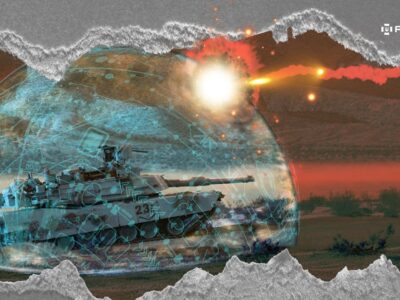
The wars of the 21st century impose unprecedented demands on the protection of military equipment.

In modern warfare, technologies operate not only on the front line — they shape a new security architecture for the entire country.
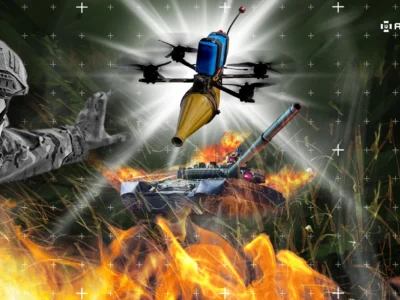
The current Russian–Ukrainian war has sparked a real revolution in military affairs, prompting a reassessment of “old” types of weaponry and traditional methods of conducting combat operations.

War always gives rise to technology. But in Ukraine, it does so not according to the rules of the last century, but according to its own accelerated procedure. Here, a machine does not go through long cycles of approvals and does not wait its turn in modernization plans. It appears where there was risk yesterday and operates where a human being should no longer be.

The evolution of military technologies is moving at the speed of light, and today’s soldier on the battlefield is no longer just an infantryman.
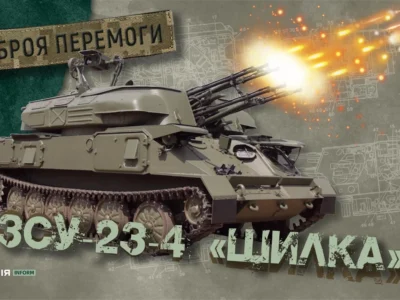
Military history knows many examples of weapons developed decades ago that receive a “second wind” on the modern battlefield.
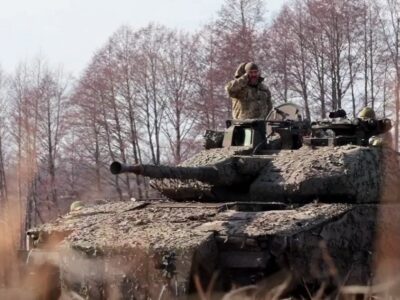
The fighters of the 21st Separate Mechanized Brigade, who have been fighting on Swedish CV90 infantry fighting vehicles for over two and a half years, shared their unique experience in using them.
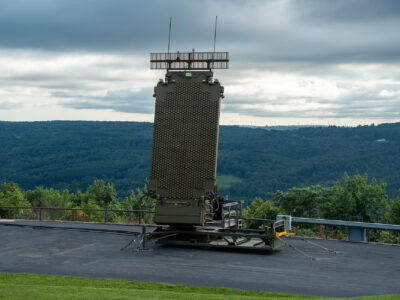
Sweden became the third country to adopt the fifth-generation Lockheed Martin TPY-4 American radar station complex.
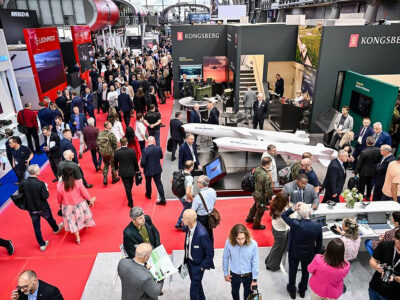
This year’s MSPO 2025 arms exhibition, held in the Polish city of Kielce, once again confirmed its status as one of the most influential platforms in Europe’s defense industry.