Modular architecture in Air Defense: the United States is creating an intermediate layer between short-range and long-range systems

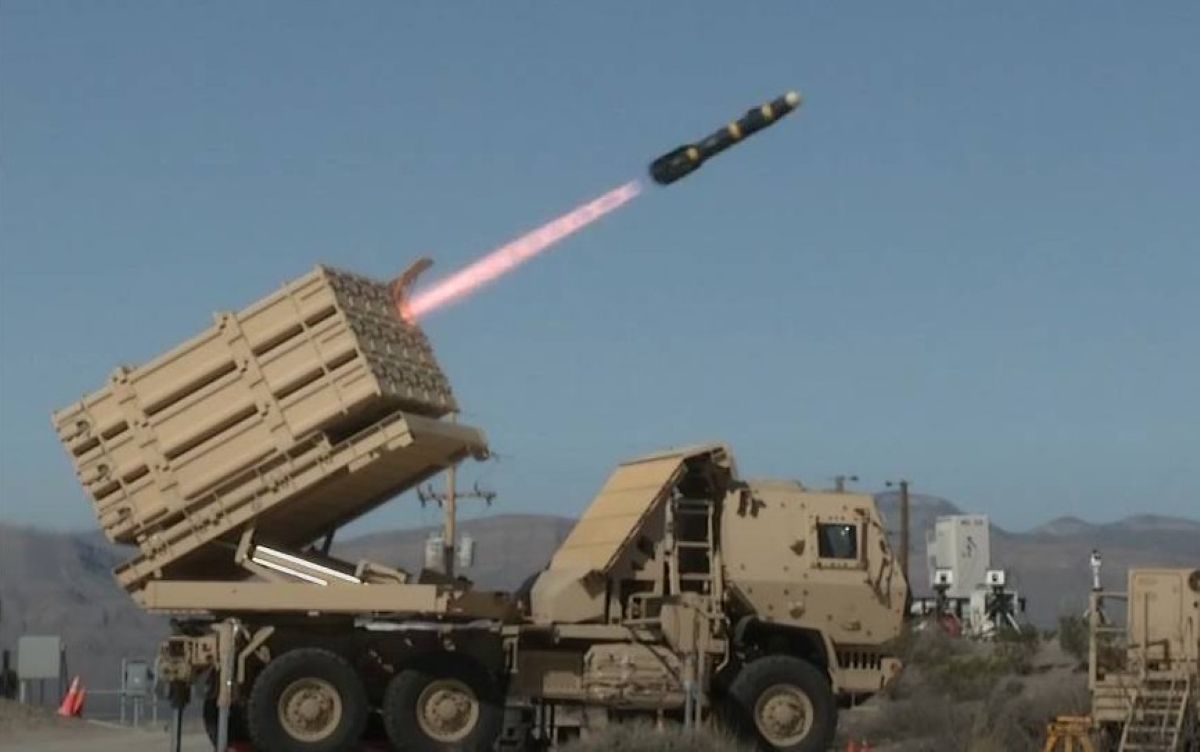
The U.S. Department of Defense has commissioned Dynetics Inc. to supply an integrated Indirect Fire Protection Capability (IFPC) air defense system.
According to a report published on the GovCon Wire portal, which covers U.S. government contracting news, Dynetics Leidos, a subsidiary of Leidos Corporation, received a Pentagon contract worth approximately $264.6 million to “help the U.S. Army meet weapon system requirements to provide protection from indirect fire, or IFPC”, — ArmyInform reports.
A specialized release published on the manufacturer’s website emphasizes that “Leidos is preparing to take production of its Indirect Fires Protection Capability Increment 2 (IFPC Inc 2) launchers to a new level”.
Leidos management reported that the IFPC system is being created as an intermediate echelon between short-range systems such as M-SHORAD, previously covered by our agency, and long-range systems well known in Ukraine, such as Patriot. Unlike narrowly specialized air defense systems, this platform is designed to provide multi-mission defense of stationary and semi-stationary objects, adapting to various attack scenarios.
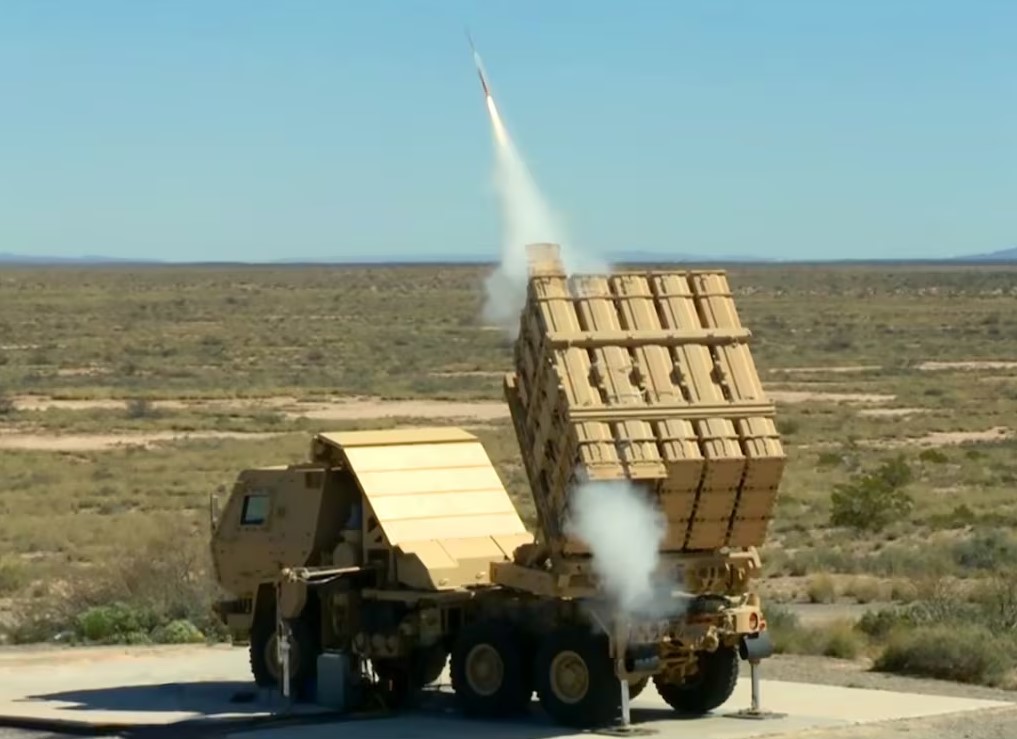
The key feature of IFPC is its modular architecture, which allows the use of a wide range of interceptors. The armament will include the Tamir missile used in the Iron Dome system, as well as a modified AIM-9X capable of engaging highly maneuverable targets. The Dynetics Increment 2 launcher is designed with interoperability with allied armed forces in mind and the ability to integrate new types of weapons in the future.
Experts from the defense portal BuildingTech note that this system is closely integrated with IBCS (Integrated Battle Command System), the U.S. Army’s unified fire control network. This ensures the fusion of data from various radars and sensors, as well as real-time fire coordination between heterogeneous engagement assets.
At the core of IFPC operations is a multi-layered sensor network integrated into IBCS. The system can receive data from various radar types — from specialized AESA target designation radars to general-purpose surveillance systems. Sensors operating in S-, X-, and L-bands are used, enabling equally effective tracking of large targets such as cruise missiles and small, low-observable objects, including FPV drones.
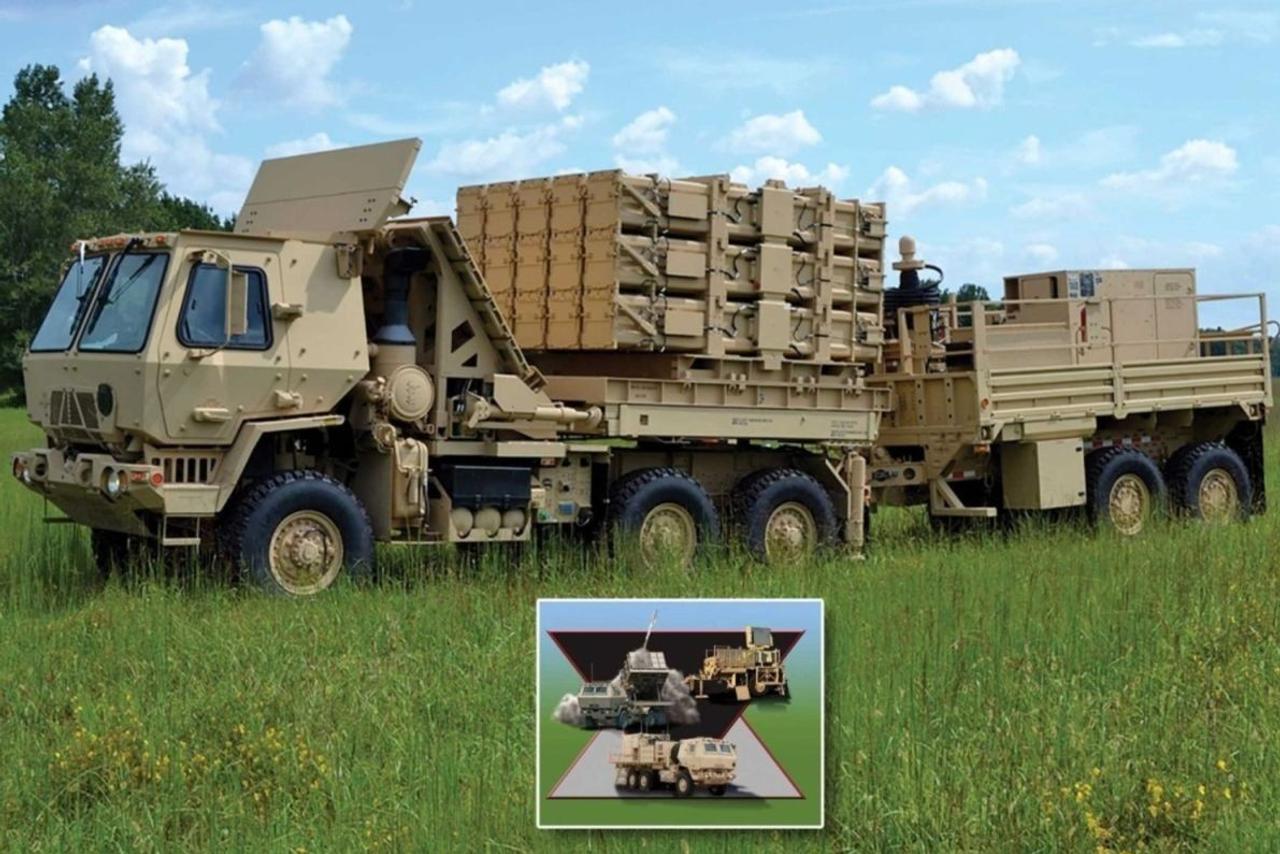
Sensor data is transmitted to a unified processing center, and thanks to IBCS’s distributed architecture, IFPC can also receive information from external sources — satellites, reconnaissance UAVs, and allied surveillance assets. This creates a unified air picture, eliminates “blind zones”, and minimizes the risk of sudden enemy breakthroughs.
IFPC software implements the principle of adaptive threat prioritization. Algorithms analyze incoming data and classify targets by type, speed, trajectory, altitude, and threat level. Critical threats, such as rockets or high-speed UAVs, are automatically given priority.
Computational modules use predictive algorithms based on machine learning and ballistic modeling, enabling accurate trajectory forecasting and optimal interceptor launch timing. IFPC can operate in fully automatic or semi-automatic modes, leaving key decisions to the operator.
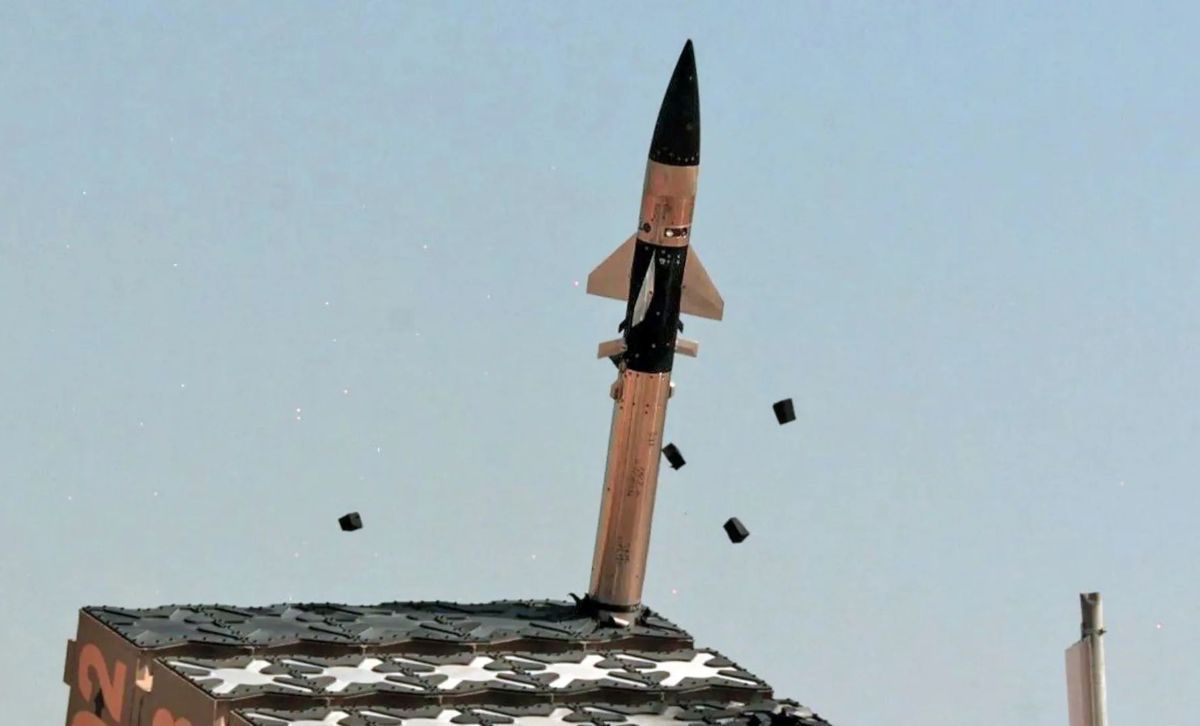
IFPC is designed as an “open” fire platform, compatible with various interceptor types, each integrated via IBCS and using its own guidance algorithm.
The Tamir missile is effective against small and medium-sized targets, including MLRS rockets and tactical UAVs, and is equipped with an active radar seeker for operation in jamming conditions. The modified AIM-9X is designed to intercept highly maneuverable targets, including low-flying cruise missiles, and uses an infrared seeker with a high tracking rate.
The Dynetics Increment 2 modular launcher can rapidly switch between different missile types, selecting the optimal munition for a specific threat.
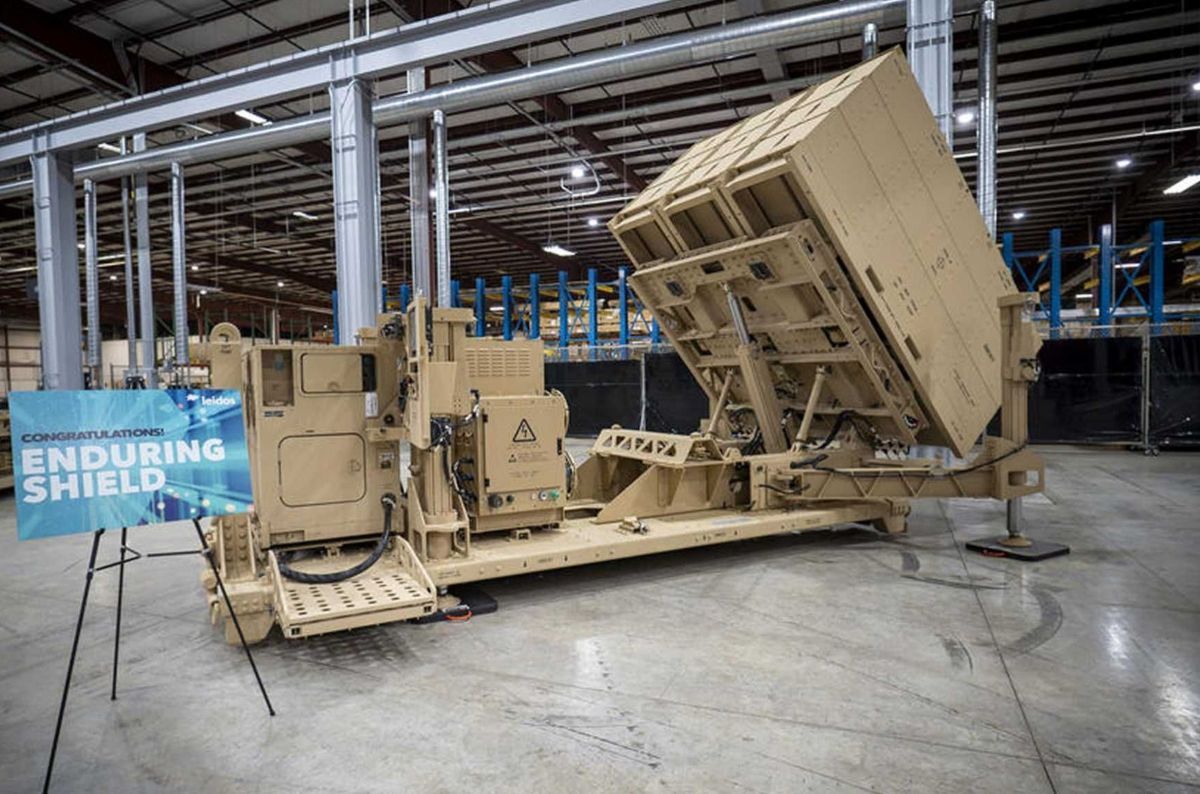
The combination of multi-layered sensor architecture, intelligent algorithms, and a flexible fire platform makes IFPC a key component of networked air defense. It is not tied to a single type of weapon or sensor and can quickly adapt to new threats.
In conditions of rapidly evolving enemy tactics, this gives the U.S. Army a significant advantage, enabling the creation of a universal defensive network capable of responding to the full spectrum of aerial attacks — from inexpensive drones to sophisticated cruise missiles.