From Ukrainian Initiative to NATO Standards: Ninth Strategic Communications Course for Ukraine’s Defence Forces concludes

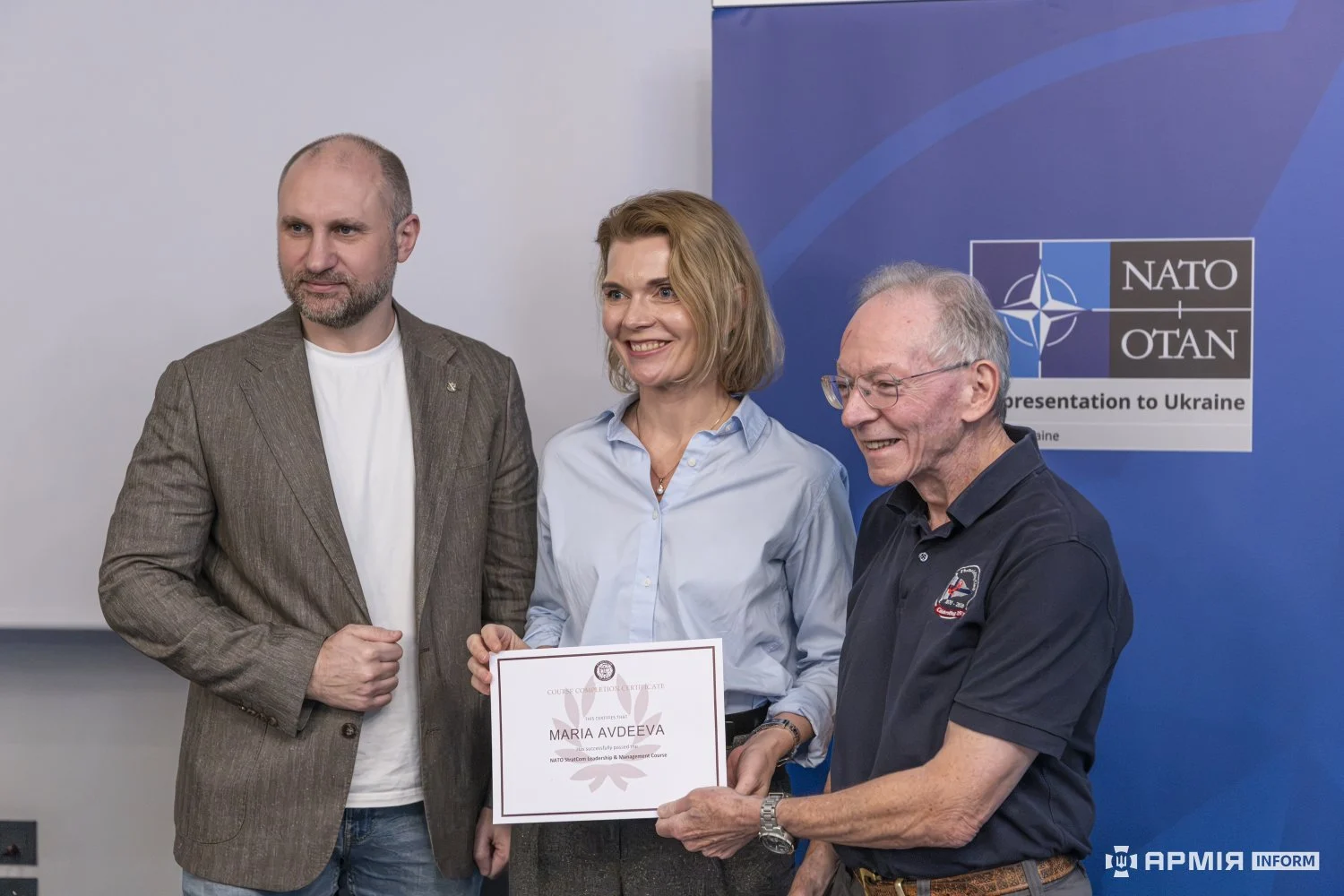
Another strategic communications course for representatives of Ukraine’s Defence Forces, organised by the Ministry of Defence with NATO support, has concluded.
This time, the focus was on training the heads of communications units.
According to the NATO Representation to Ukraine, this was the ninth training course under the strategic communications project jointly implemented by NATO and Ukraine’s Ministry of Defence.
The project forms part of NATO’s Comprehensive Assistance Package for Ukraine, a multi-year support programme under which the NATO Representation assesses Ukrainian partners’ needs, reviews their requests and helps organise training accordingly.
Previously, Ukrainian officers attended similar courses abroad. However, logistical and language barriers limited the number of communications personnel from across the Defence Forces who could participate. Holding the training in Ukraine allows significantly more personnel to attend.
The training follows the same structure as equivalent courses for NATO officers abroad. Shared terminology and a common understanding of concepts therefore help strengthen interoperability between Ukraine and NATO in strategic communications.
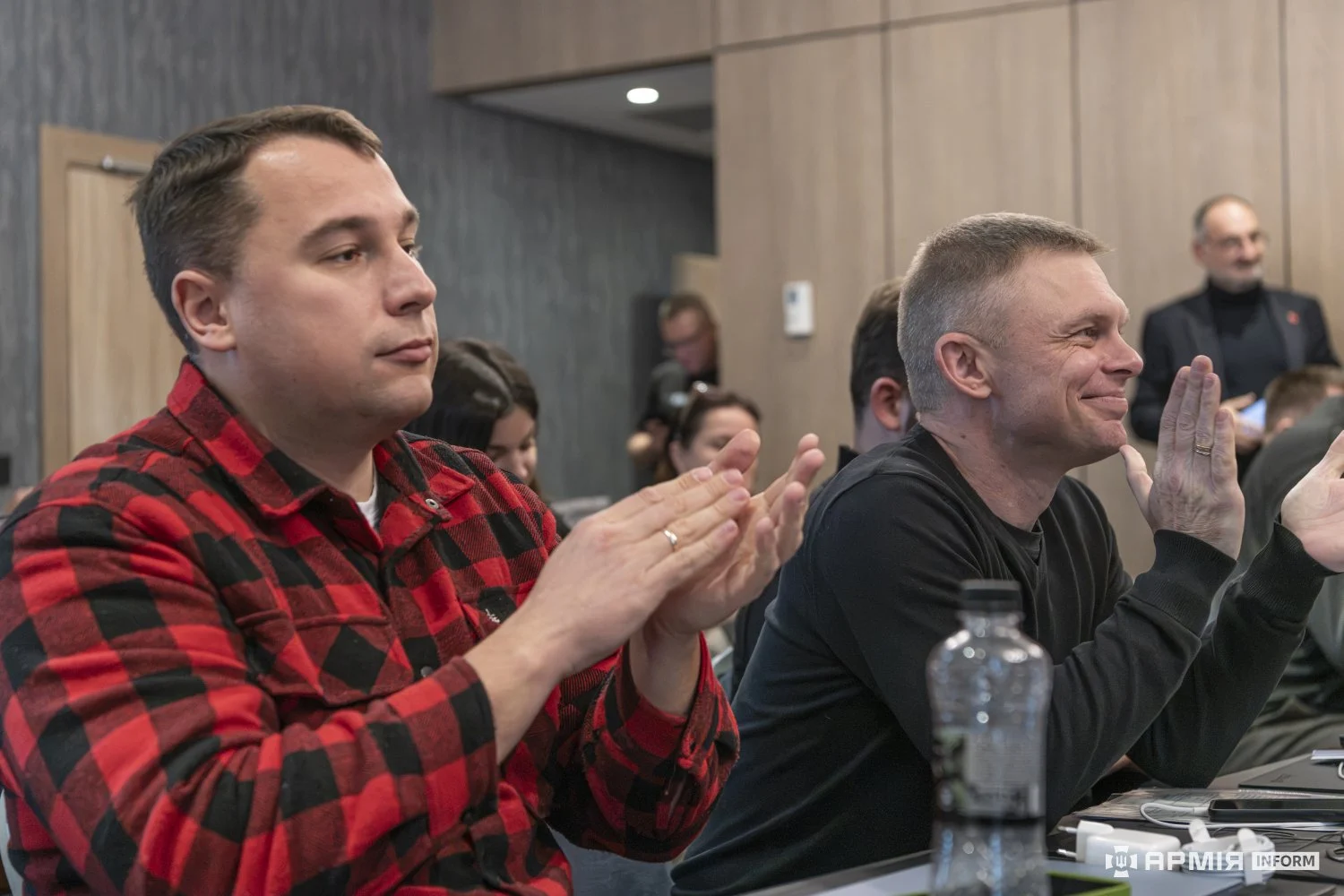
The courses also help build cooperation within Ukraine’s defence sector. Officers from different components of the Defence Forces working in the same field can improve their subsequent cooperation using NATO’s standardised principles and procedures.
As ArmyInform previously reported, an earlier course under this initiative focused on digital platform management. Participants learned to define information campaign objectives, analyse audiences and select channels for communicating messages.
The latest course focused on training communications unit leaders and organising their cooperation with other structures.
Instructors praised Ukrainian press officers’ initiative, speed and creativity at the tactical level. The courses aim to combine these strengths with NATO’s shared procedures, strategic planning and coordination across all levels, ensuring that individual initiatives contribute to common objectives.
Mark Laity and Peter Clarke, instructors at the UK-based StratCom Academy, explained to ArmyInform how these approaches complement each other and what Ukraine and NATO are learning from one another. The academy is a NATO-recognised training organisation specialising in the development of military and civilian communications professionals.
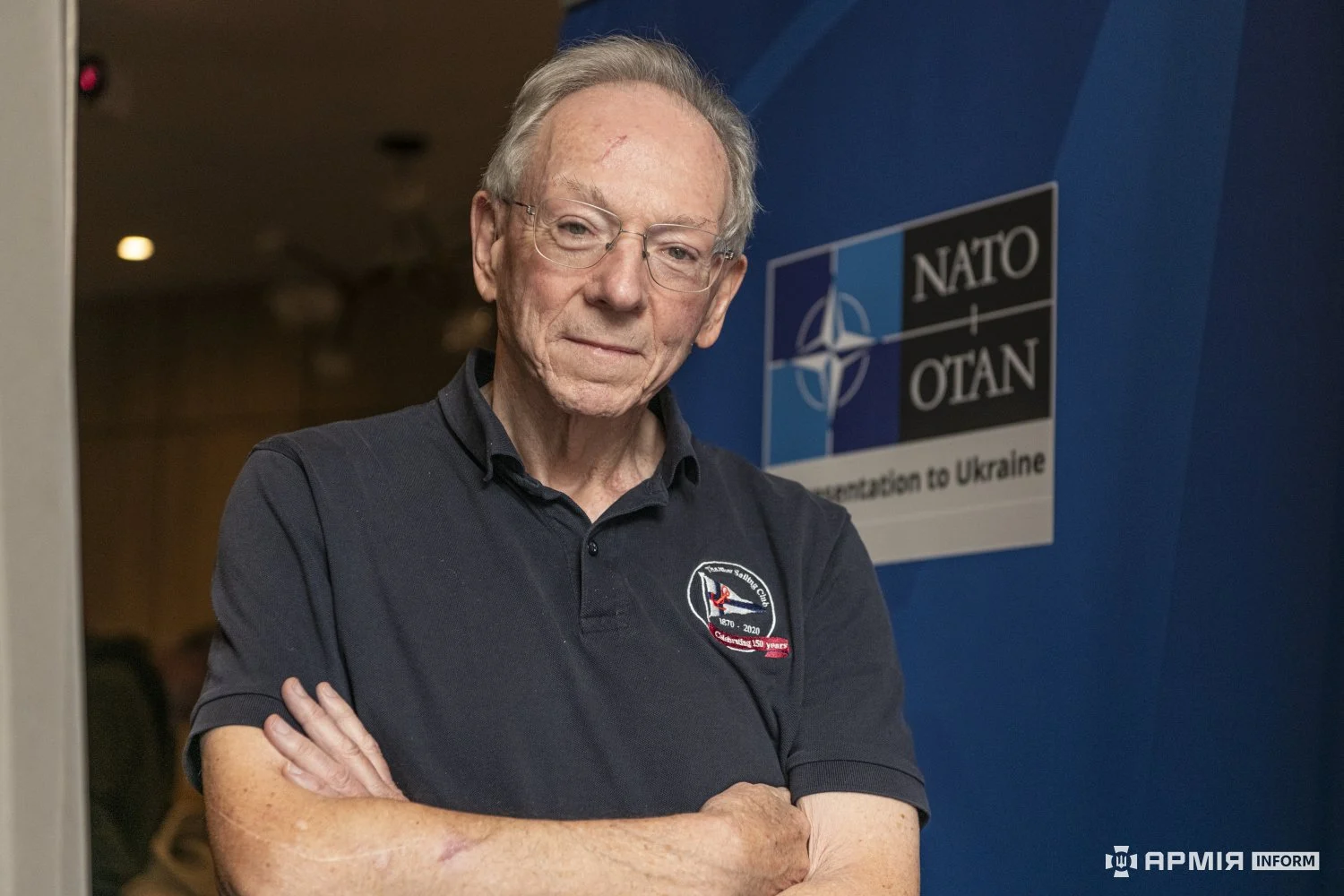
Mark Laity, a co-founder and one of the academy’s leaders, previously headed communications at Supreme Headquarters Allied Powers Europe (SHAPE) and served as a special adviser to the NATO Secretary General. Before joining the Alliance, he worked in journalism, including as the BBC’s defence correspondent.
Laity sees the individual strategic communications courses delivered to Ukrainian military personnel as part of a comprehensive training programme designed to give Ukrainian specialists an overall understanding of how NATO organises strategic communications.
He links this work to the need for effective interoperability with NATO across all areas of the Armed Forces’ activities.
“What we believe is most useful for Ukrainians in what we teach is how to set out approaches to organising strategic communications in doctrine and framework documents.
“When decisions are made at the highest level of military and political leadership, narratives and key messages are developed strategically. Military communications personnel then need to communicate them through their public affairs units.
“These doctrinal documents and organisational frameworks enable us to communicate the right narrative quickly, with the right framing, from the highest level down to where it is needed — through public affairs officers, press officers and other communications personnel.
“They can then speak with one voice on the key objectives set out in the overarching narrative. The main task is to promote this approach to strategic communications: a narrative that comes from the top, but which everyone understands, contributes to and communicates together in a coordinated way,” he explained.
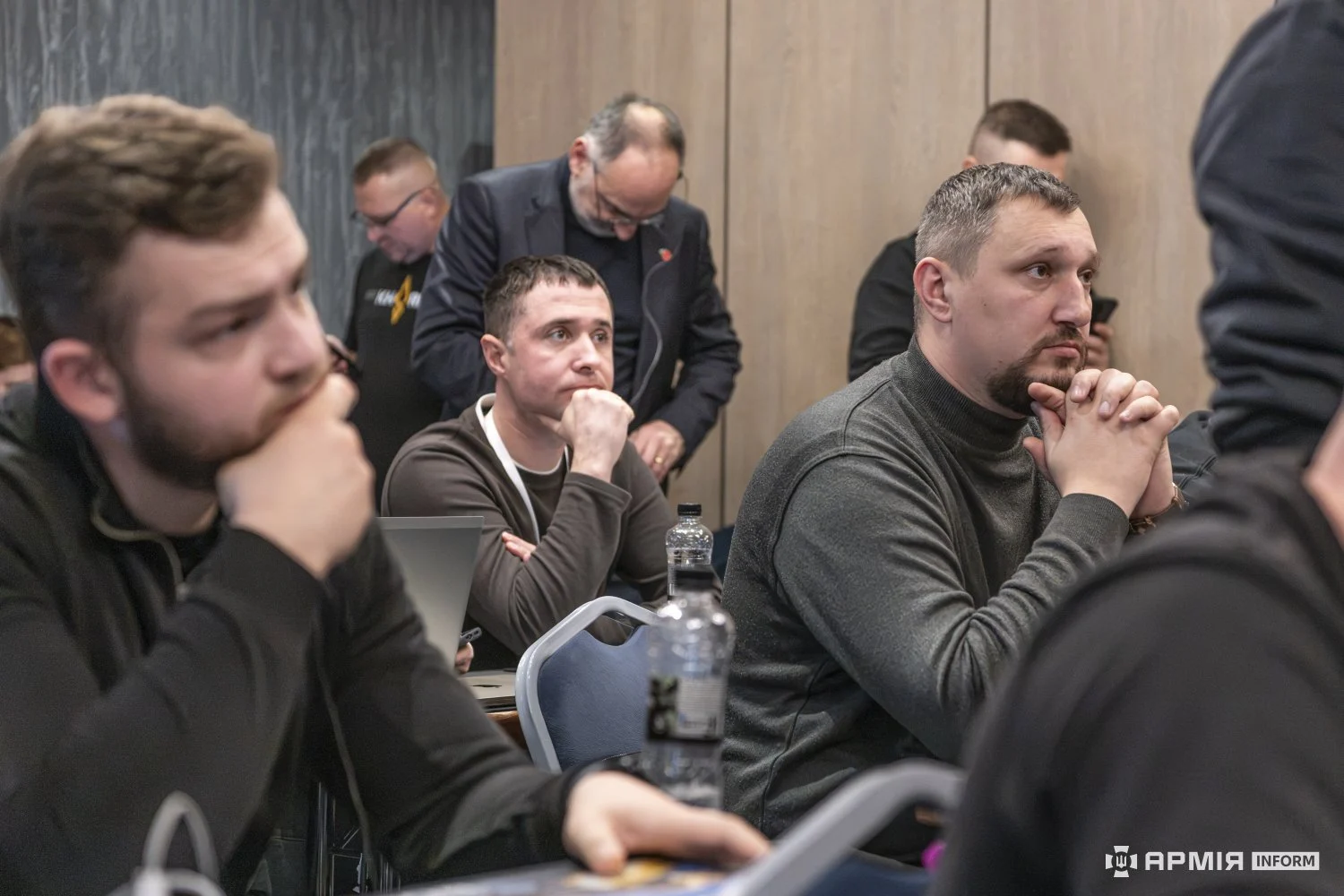
At the same time, instructors learn from their Ukrainian colleagues about solutions that have worked in wartime. For Laity, this exchange is one reason the training matters to both sides.
“What we have seen from Ukrainian experience is that, at the grassroots tactical level, in individual units, you are very good at developing messages and distributing them through social media and various digital platforms.
“Your press officers show a great deal of initiative and creativity. The content they produce at the tactical level is a very powerful weapon in Ukrainian hands. We are good at organising and structuring everything at the highest doctrinal and strategic level. You are good at doing it quickly and creatively,” Laity said.
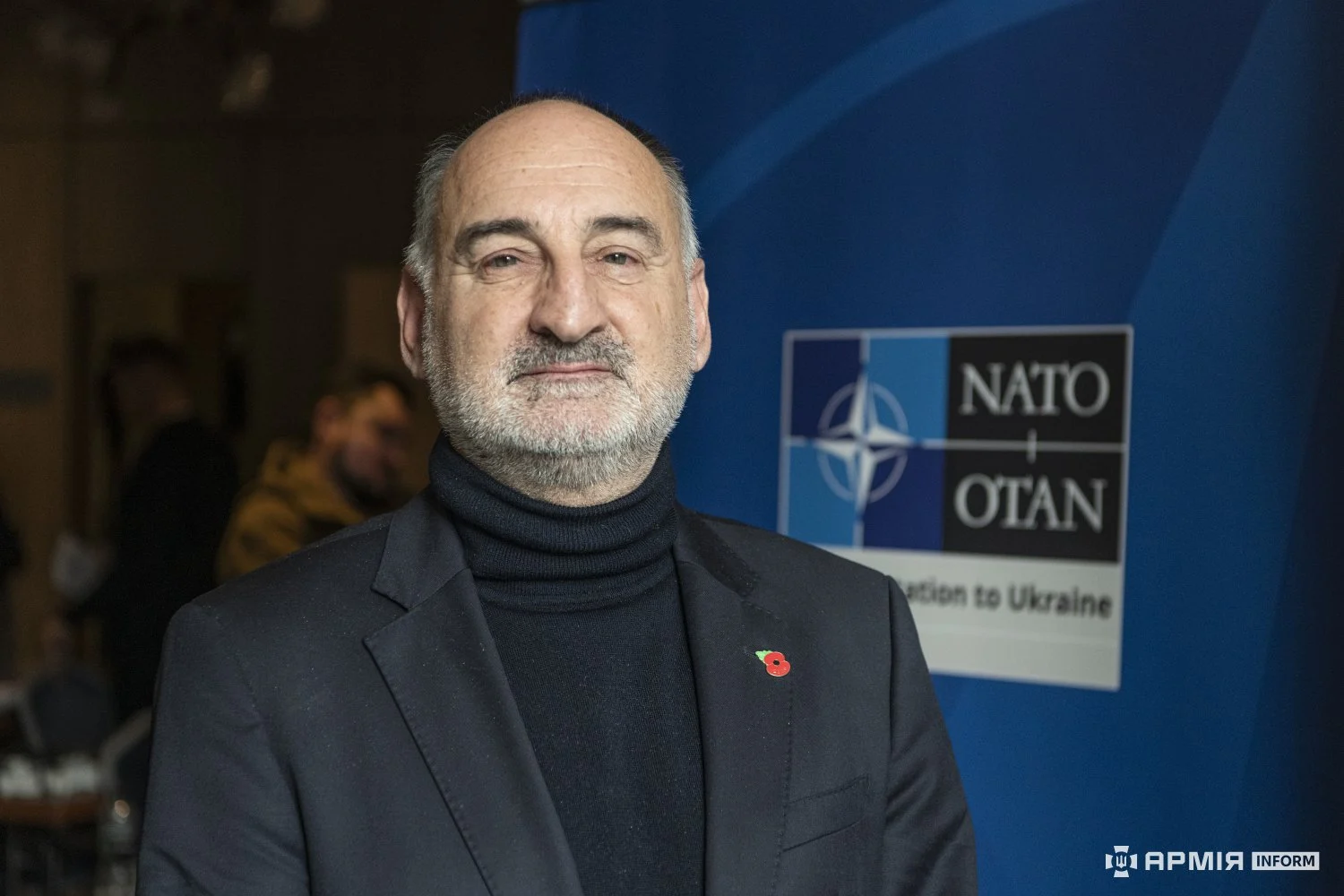
Peter Clarke, the StratCom Academy’s Dean of Academics, also helped train communications unit leaders. He previously headed planning, training and doctrine within SHAPE’s communications division and contributed to the development of NATO’s strategic communications policy and doctrine.
The leadership course focuses on leadership, management and the competencies needed to organise a team’s work. Participants examine how to bring together different specialisms within a communications unit and ensure its involvement in headquarters activities.
“What distinguishes this course is that our participants are the heads of communications units at different levels of Ukraine’s Defence Forces.
“We explain how to work with other staff branches and functional structures so that, together, we help the commander accomplish the assigned tasks.
“We also need to ensure that our team members — the people serving under us in public affairs or communications units — understand what is expected of them.
“The aim is to work together, both within our communications unit and with equivalent or similar units at headquarters level, to advance our intended objectives,” Clarke said.

Discussing the exchange of experience, Clarke explained the challenge that instructors and Ukrainian participants are addressing together.
“I think it is the need for coordination and synchronisation. I hope participants have gained a clear understanding from us of why it is important to strengthen coordination and communicate shared work and common narratives.
“That is what your participants have taken from us. What we have learned from them is that their communications already work very well at the grassroots tactical level. But those efforts are dispersed rather than brought together as a single endeavour.
“We are working together to make the excellent creative work already being done by individual units at the tactical level part of a collective effort,” the instructor said.
For brigade and corps communications personnel, this also has practical implications: shared strategic guidance must be available to those preparing and distributing messages every day. Clarke explained what to do when that connection between levels is missing.
“Our recommendation is very simple, as we are now helping Ukraine build this strategic communications structure throughout the chain of command.
“We hope to reach a point where, if information has not come down to brigades and corps about our communications priorities and the doctrinal and strategic decisions defining what we should communicate, personnel at the tactical level will ask: ‘Where can we find this?’
“If nobody has worked on it yet, they should propose drafts of those doctrinal and strategic decisions themselves. That can help the higher level develop strategic communications doctrine and pass it down for all subordinate structures to implement as a coordinated, collective effort,” Clarke explained.
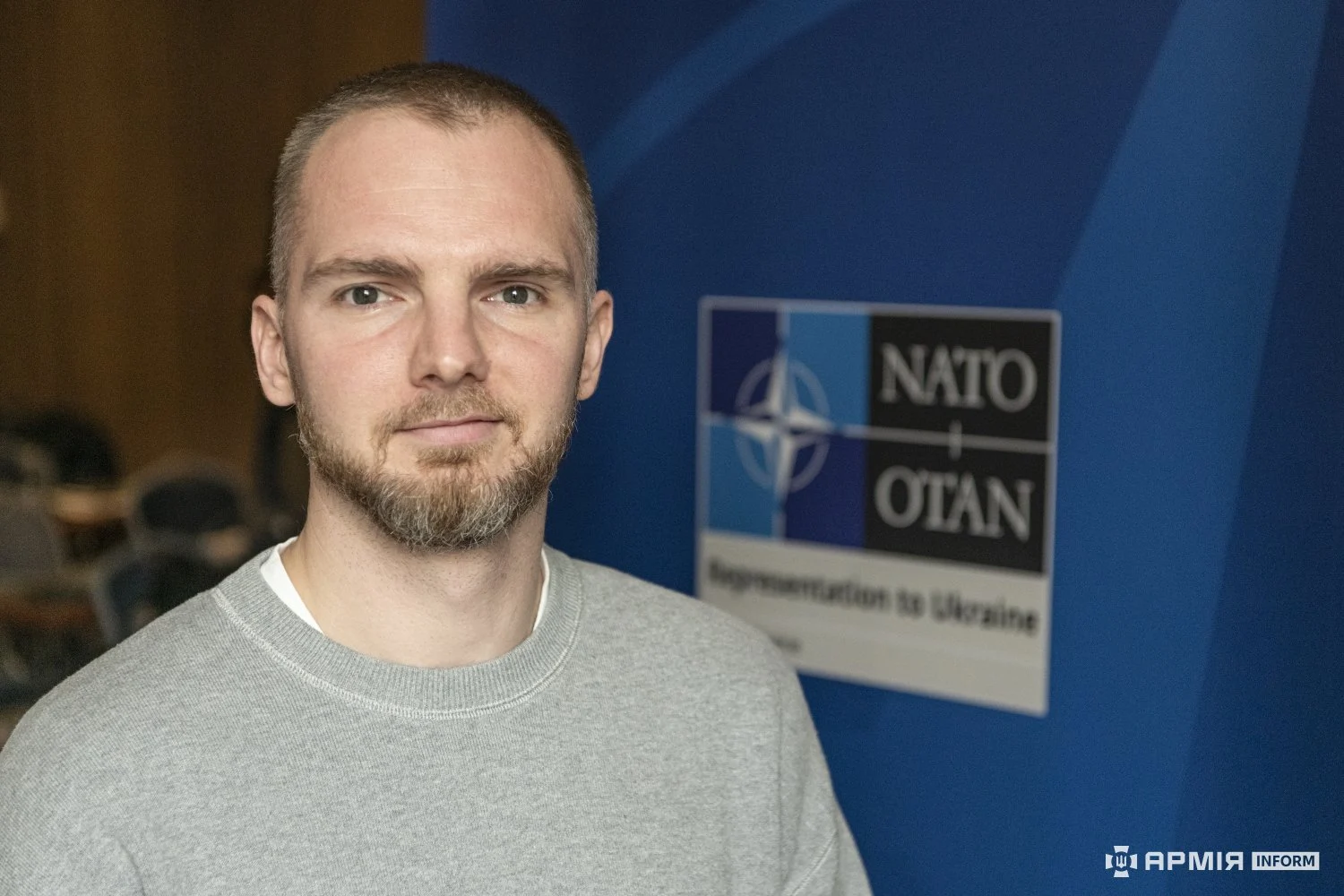
Lieutenant Colonel Yehor Holibardov, Head of the Capability Development Coordination Division at the Ministry of Defence’s Strategic Communications Department, explained how training for Ukrainian military personnel is organised and how it is set to expand.
He said the joint project with NATO had changed the approach to training and made it accessible to more service personnel.
“The main aim of our project is to move training for Ukraine’s Defence Forces from abroad to Ukraine. This was necessary because only specialists fluent in English could attend courses abroad, and the number of such personnel in the Defence Forces is still limited.
“Together with NATO, we implemented a project that changed the training philosophy. NATO Mobile Training Teams come to Ukraine and deliver the same NATO-standard courses as those held abroad,” Holibardov said.
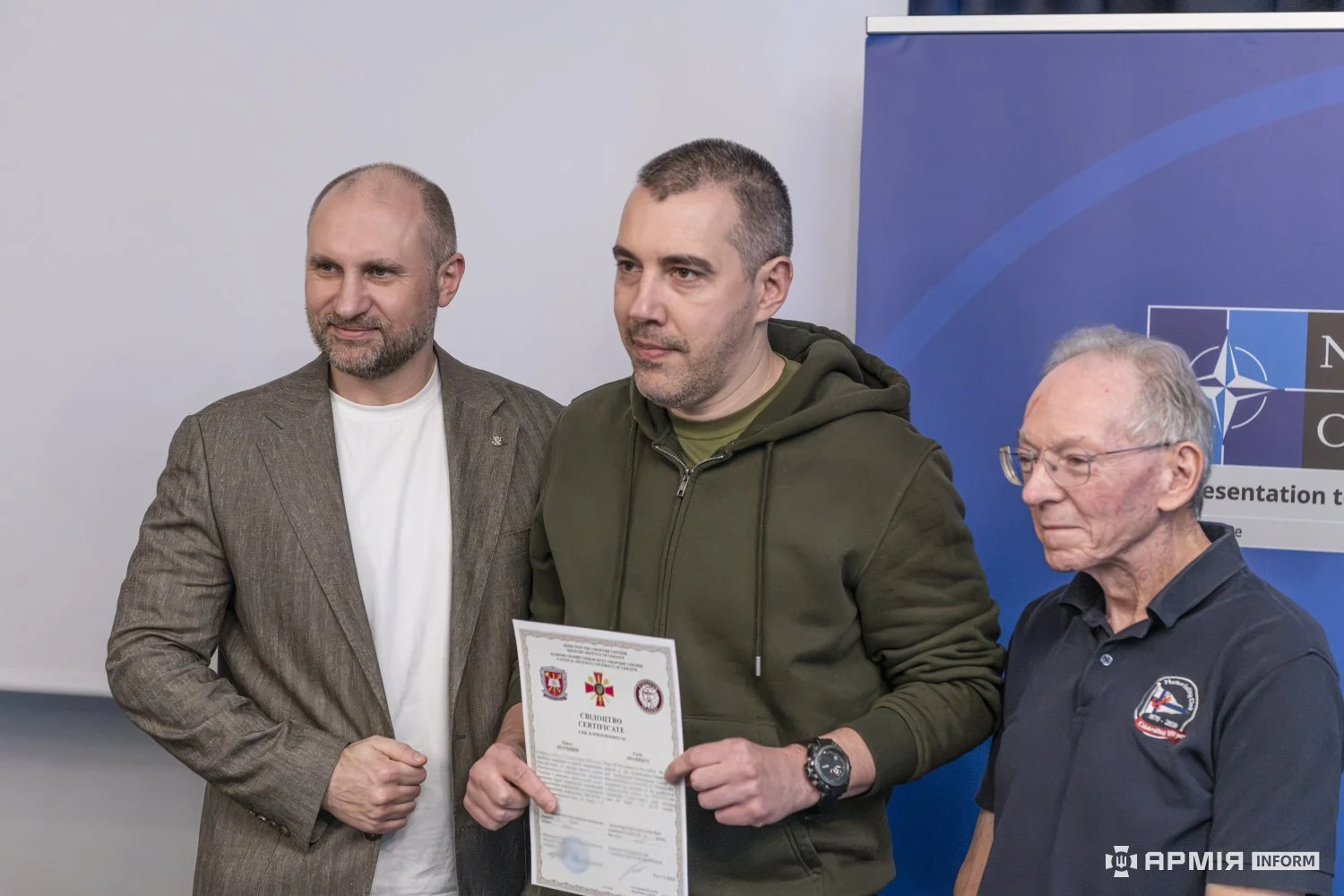
The officer explained that the project forms part of the government’s broader task of achieving interoperability between the Armed Forces of Ukraine and NATO, including through personnel training. Shared knowledge and procedures are also essential for cooperation within the security and defence sector, particularly during crises.
“Communications personnel from the Armed Forces, National Guard, State Border Guard Service, National Security and Defence Council, National Police and State Service of Special Communications and Information Protection now receive the same training, share a common approach and can use the same procedures and tools. This makes cooperation significantly easier, both in everyday work and during crises.
“We have developed and introduced training organised by formation, including army corps. The courses cover positions from the tactical to the strategic level: brigades, corps, operational commands, force grouping headquarters, branch commands, the General Staff and the Ministry of Defence.
“This allows us to build chains of communication in which every level follows the same procedures and has the same knowledge and skills.
“Next year, we plan to expand the project by combining in-person and online training. We are grateful to NATO for its cooperation and willingness to scale up this capability,” Holibardov concluded.