From social media posts to strategy: NATO-backed course strengthens Ukraine’s military communications


Strategic communications and public engagement on social media were the focus of a digital platform management course delivered by Ukraine’s Ministry of Defence with NATO support.
Military communications personnel from across Ukraine’s Defence Forces learned to define objectives, assess target audiences, select channels for sharing information, and develop communication plans and strategies tailored to different audiences.
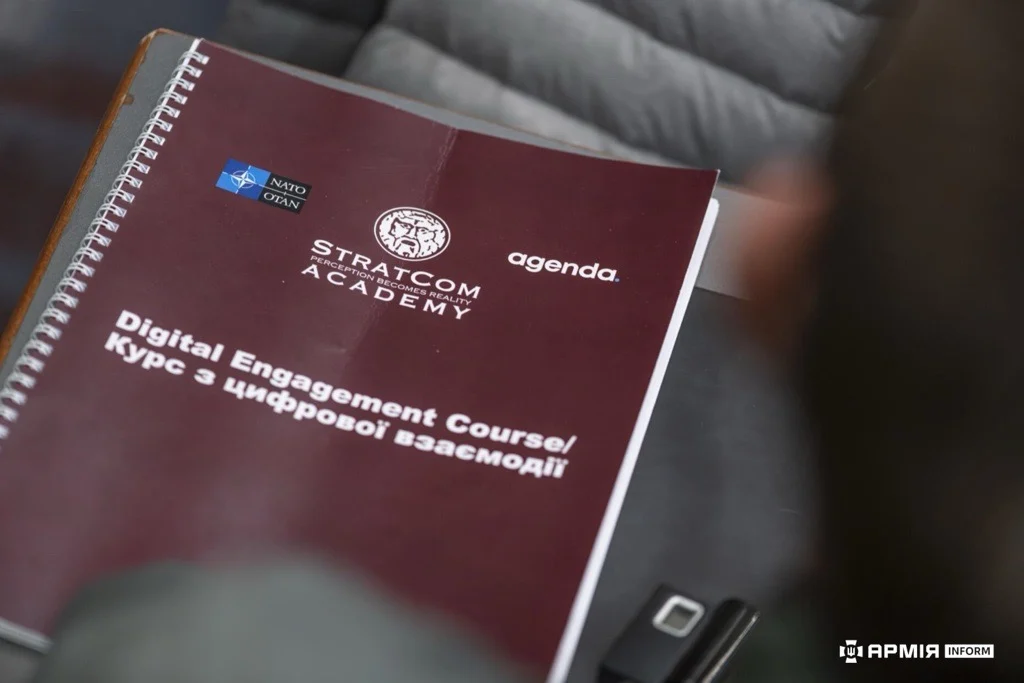
The course’s closing session emphasised applying the knowledge gained when working with commanders, as well as the value of professional connections and continued cooperation among participants. Graduates received official certificates confirming their successful completion of the programme in accordance with NATO standards.
The course organiser and participants spoke to ArmyInform about their training, the knowledge and skills they gained, and how they plan to apply them in their work on social media and other digital platforms.
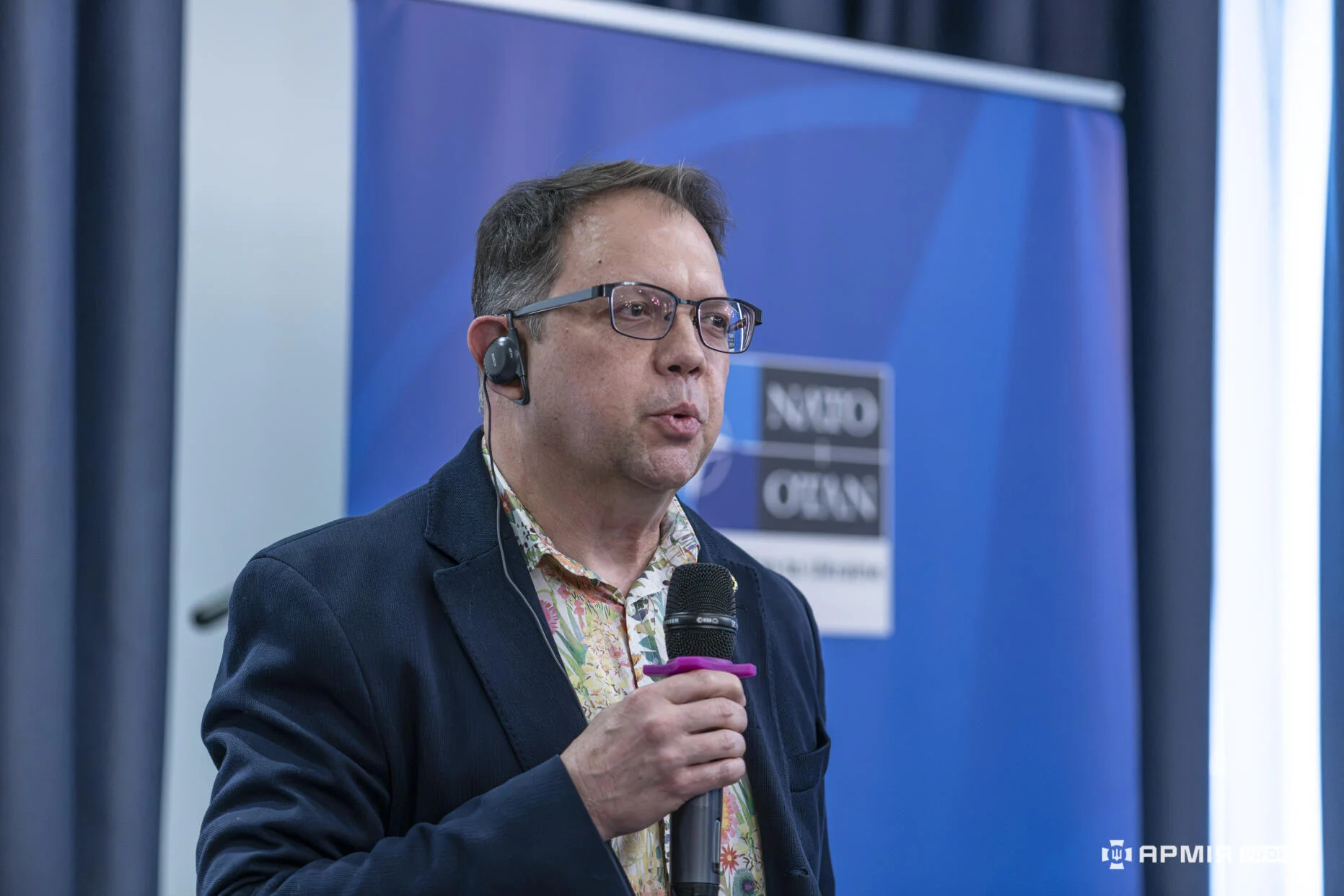
The digital platform management course was delivered under NATO’s Comprehensive Assistance Package (CAP), a multi-year framework through which the Alliance has provided practical support and non-lethal assistance to Ukraine since 2016.
The lead instructor was retired US Armed Forces Colonel Chris Hyde, who has previously helped deliver similar courses for communications personnel from Ukraine’s Defence Forces, combining course organisation with teaching.
“This was another visit to Ukraine to deliver a 10-day course on digital platform management. The course is not just about understanding how to use modern digital media platforms to share information about life in the Armed Forces of Ukraine. It also aims to give those currently serving in military communications roles a strategic understanding of how they can contribute to developing information campaigns in support of the units they serve in,” he said.
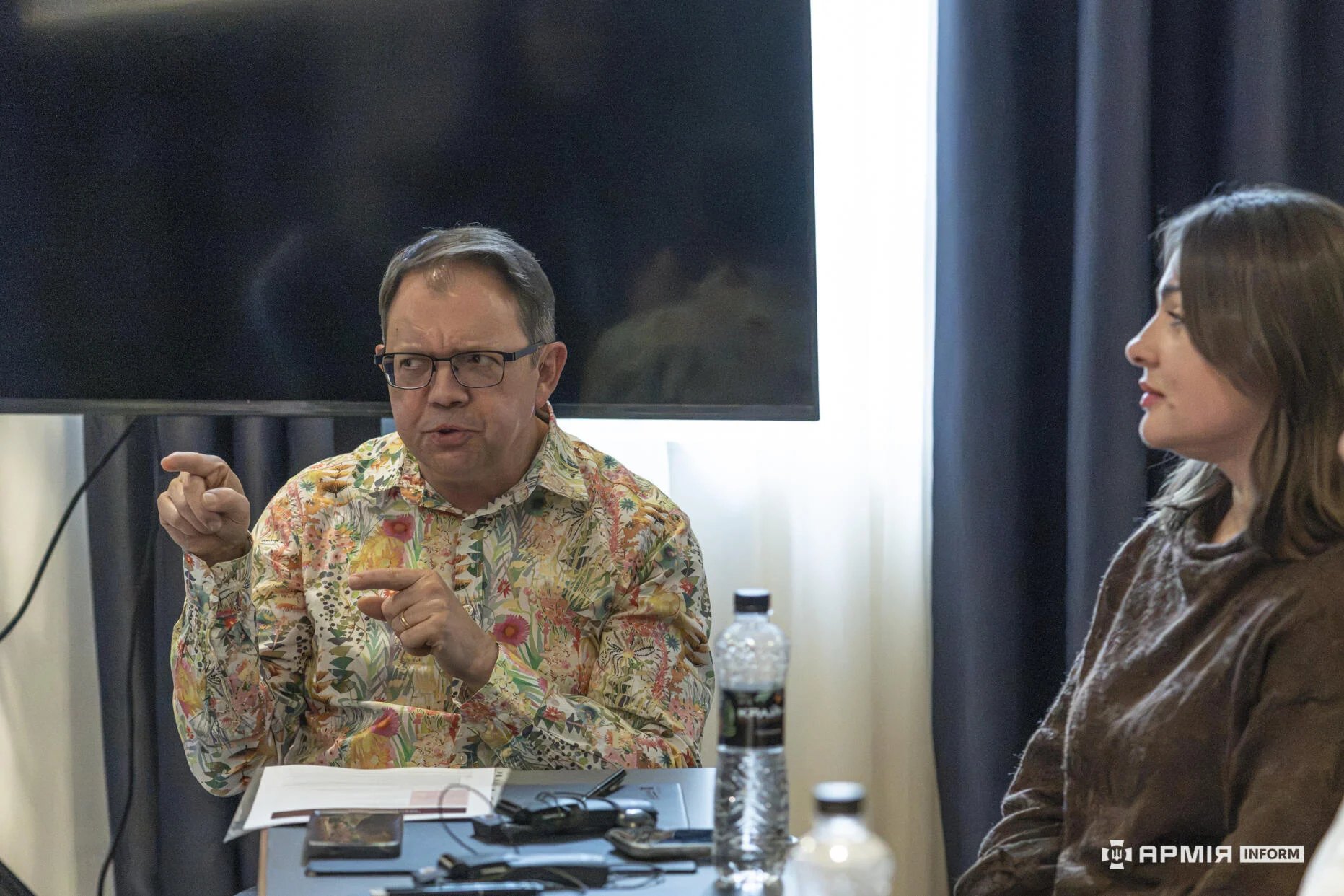
This time, military communications personnel from across Ukraine’s Defence Forces learned approaches designed to help them connect their daily work with their units’ objectives.
The instructors broke information campaign planning down into a sequence of steps: defining the objective, assessing the target audience, choosing communication channels, and developing a plan and strategy.
Participants also learned how to apply this approach at their own command level, including in brigades and corps.
“Many of our participants serve at brigade level. When we introduced strategic approaches, they initially asked: ‘At our level, we aren’t involved in developing a nationwide strategy for Ukraine.’
“We then explained that everyone needs to understand the national strategy. That is what we taught brigade press officers and other participants. The emphasis was on taking their skills from the tactical to the strategic level,” Chris Hyde explained.
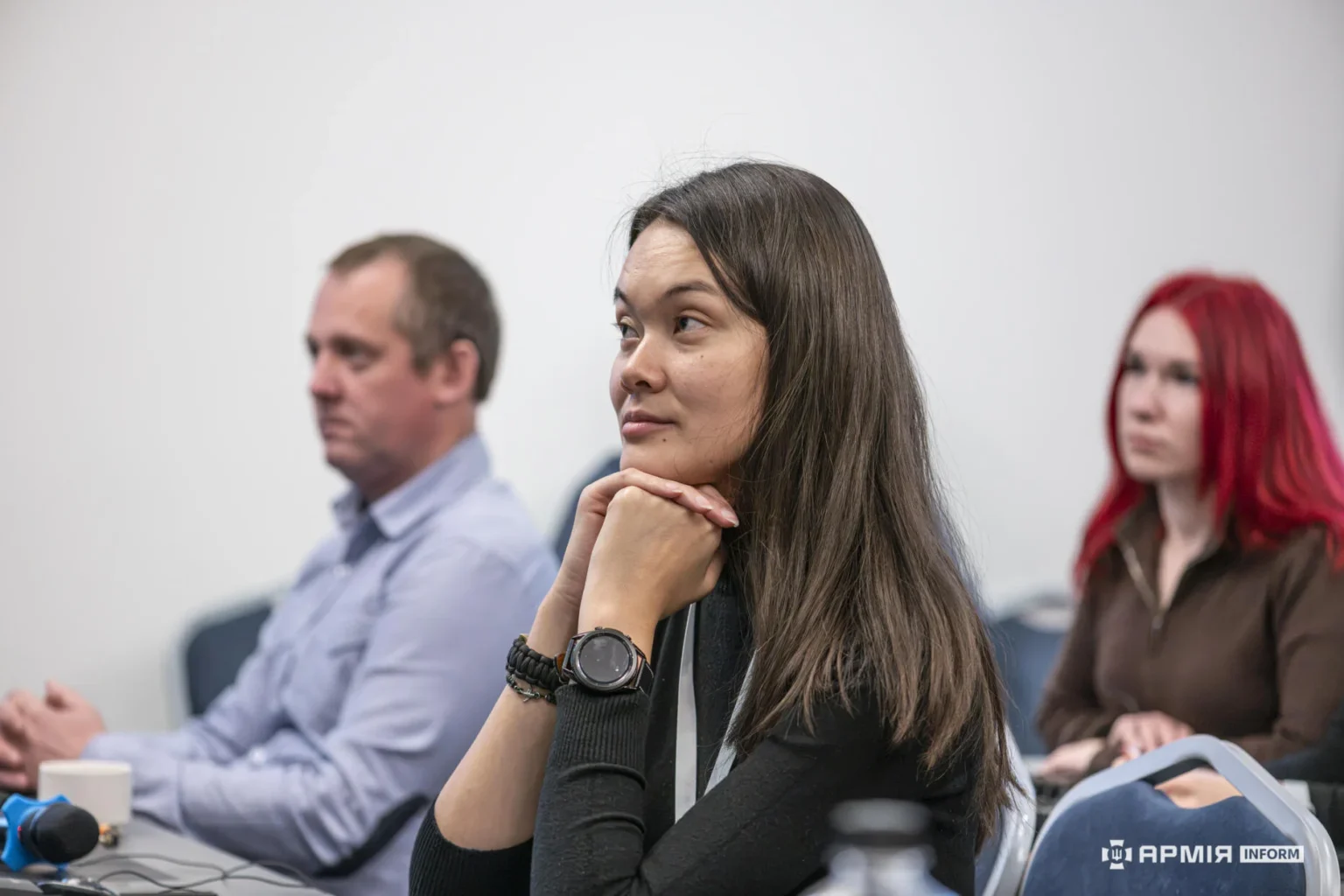
Participants learned to implement the campaigns and media operations they had developed using digital media and the official websites of brigades and other units.
The lead instructor explained that knowing how to develop a strategy and implement it using available tools is essential both for their current communications work and for their future service, professional development and career progression within Ukraine’s Defence Forces.
“I believe it is very important for leaders at this level to learn to think strategically. Many of my students are very young, but they will not always be young. They will grow older, rise through the ranks and, at some point, take on major responsibilities in Ukraine. They may work at NATO. To bring a strategic approach to all of this, they need to learn how to think strategically now, because it matters for Ukraine,” Chris Hyde stressed.
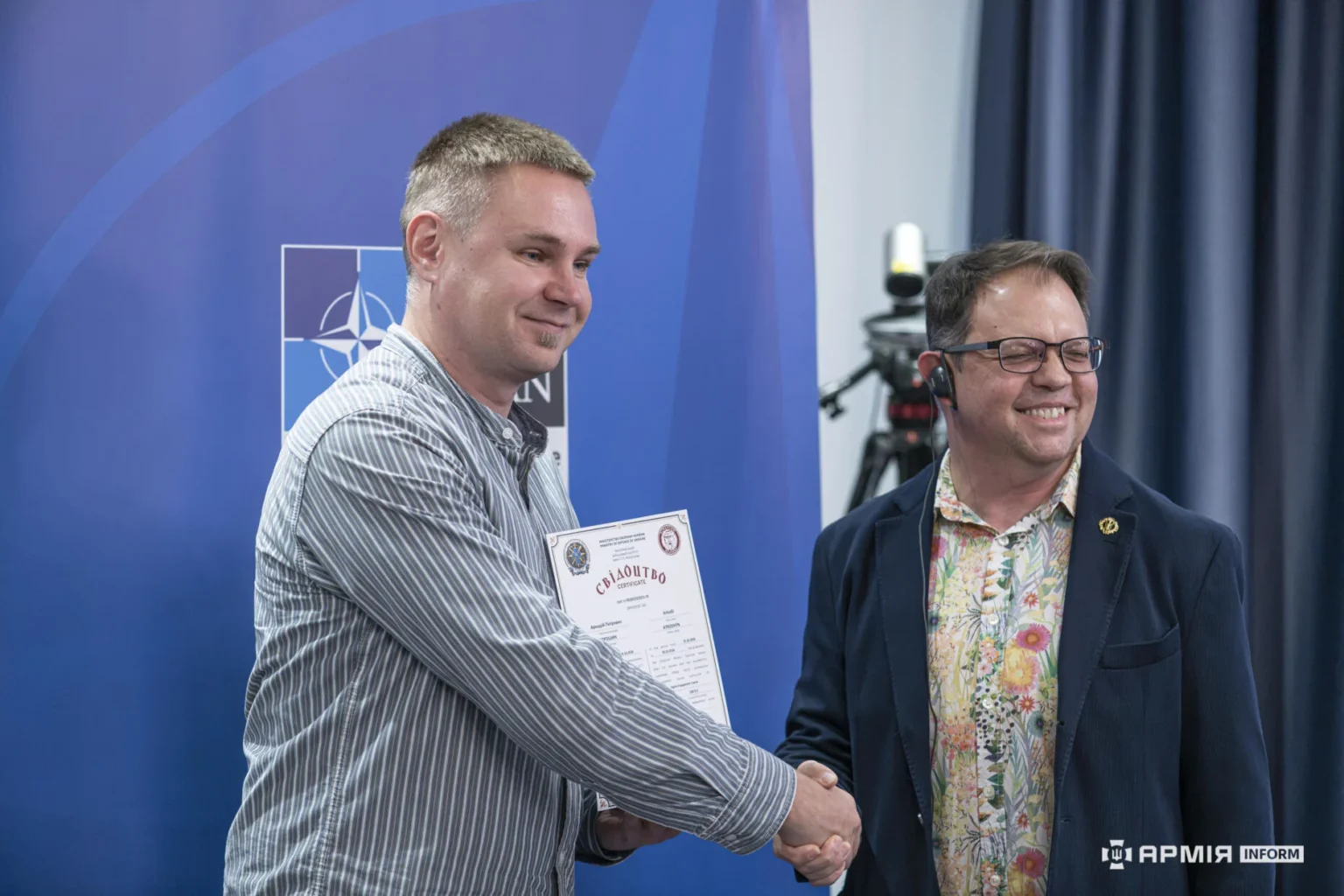
For the instructor himself, working with Ukrainian military personnel has also been an opportunity to broaden his knowledge and gain valuable new experience.
As an American, he continues to learn about Ukrainian society and culture and, most importantly, how the Ukrainian state functions and society lives through a full-scale war.
Conversations with participants help him better understand their working conditions, while their knowledge and approaches provide inspiration.
“Although this is my fifth visit to teach this course, I return home each time with new knowledge that I have learned from the participants. They are all young, enthusiastic and very smart.“Just when I think I know something and start suggesting an approach, they explain it to me step by step: ‘No, that won’t work. Let’s think about it this way, or this way, or this way.’ And I end up agreeing with them. So, as on every previous visit, although I am teaching here, I am also learning a great deal,” Chris Hyde stressed.
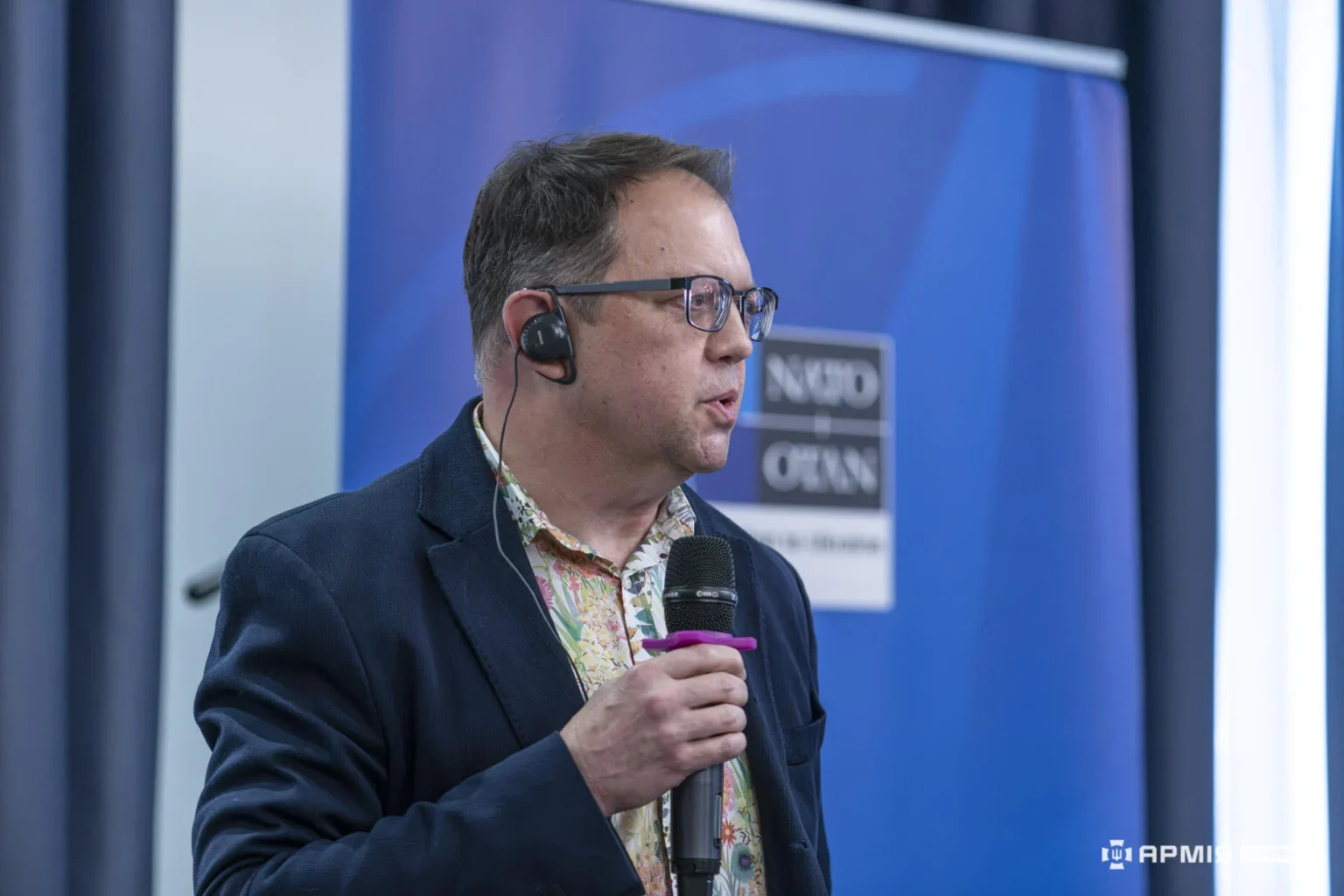
According to the course’s lead instructor, this exchange of experience also supports continued constructive cooperation between Ukraine and NATO. Ukrainian participants learn from NATO’s experience in strategic communications and digital engagement, while Alliance representatives gain a better understanding of Ukrainian realities and wartime experience.
“I have always told my leadership that we also have a great deal to learn from Ukrainians, because they are the only ones currently fighting the Russians. That is why it is so important for us to listen closely to their combat experience now,” Chris Hyde concluded.
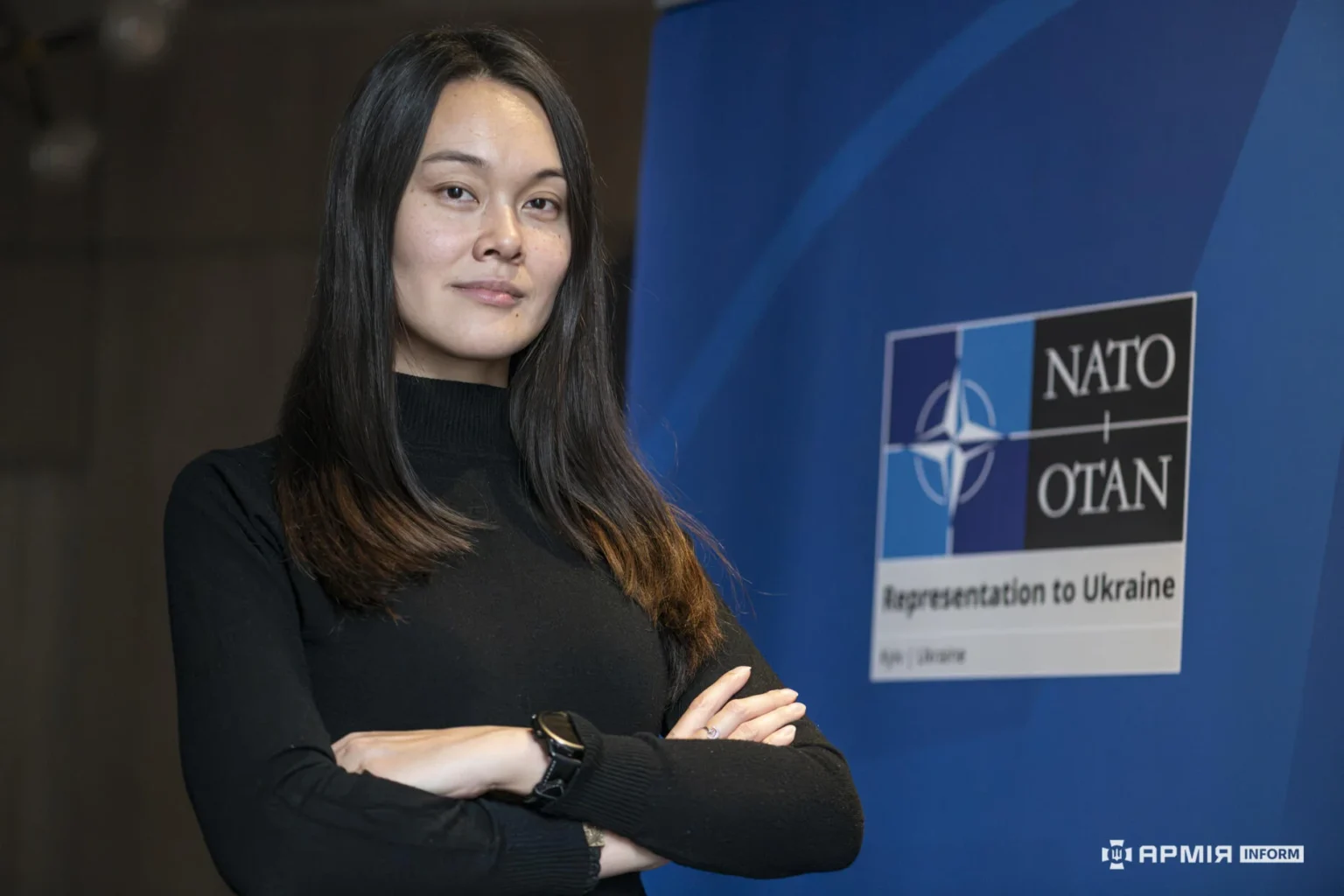
Dina Vong, an officer in the communications department of the Ukrainian Ground Forces’ 12th Corps and a course participant, explained how these approaches help in everyday work. For her, the training was an opportunity to improve planning for audience engagement on digital platforms.
“The aim was to help military personnel at different command levels — brigades, corps and commands — better plan their work on digital platforms.
“During the course, we learned to develop strategies and plan messages and narratives, while adapting them for social media. We gained a better understanding of which platforms were best suited to different types of content,” Dina Vong said.
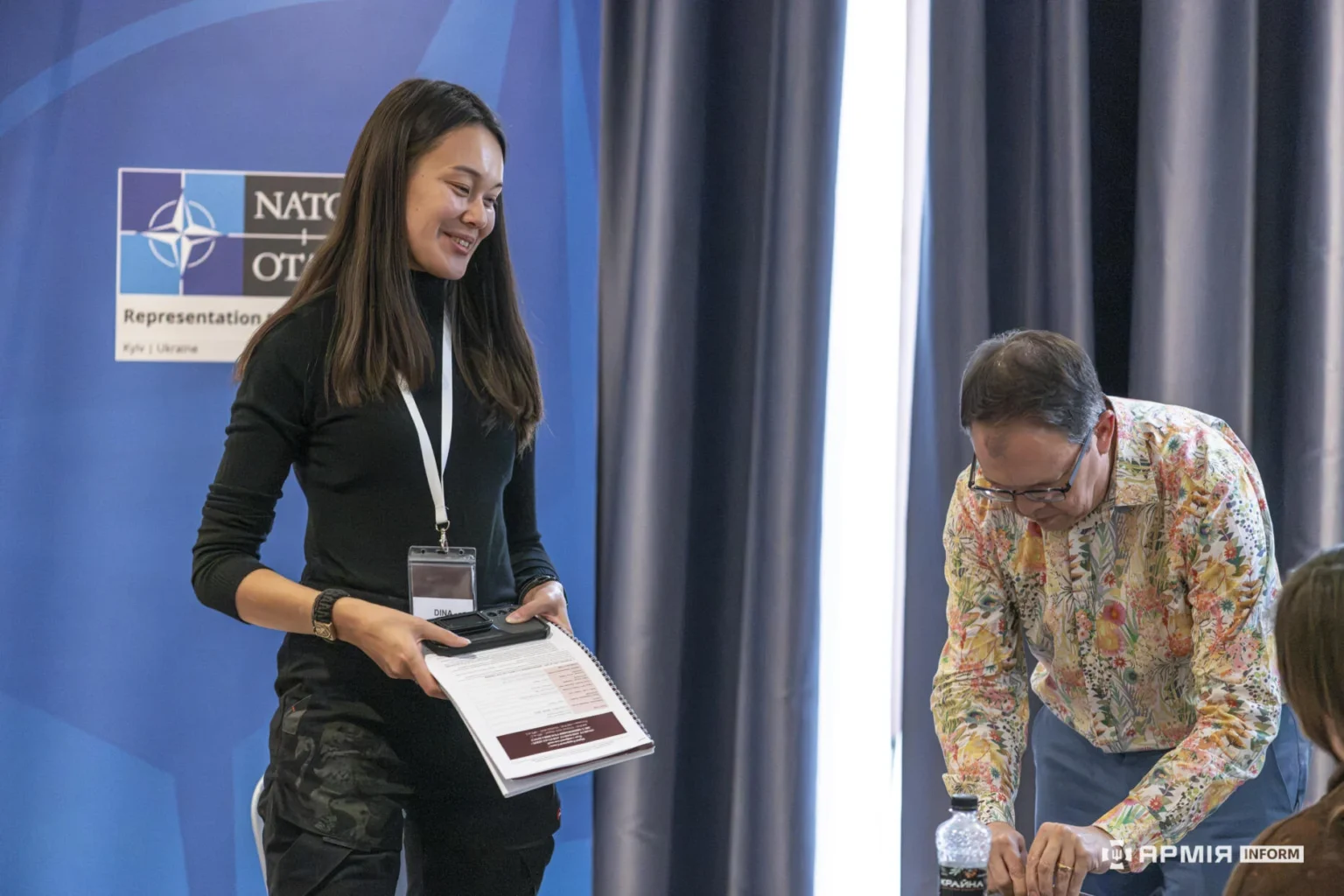
Both Ukrainian and international specialists taught on the course. Practical exercises followed by a review of the results helped participants apply the approaches they had learned.
“One of the course’s strengths was the large number of practical assignments. We spent 75% of our time working in groups. The instructors commented on our work, and we presented our projects.
“At the end of the course, we all received individual feedback on what we had learned, including assessments of our work as military communications professionals,” she said.
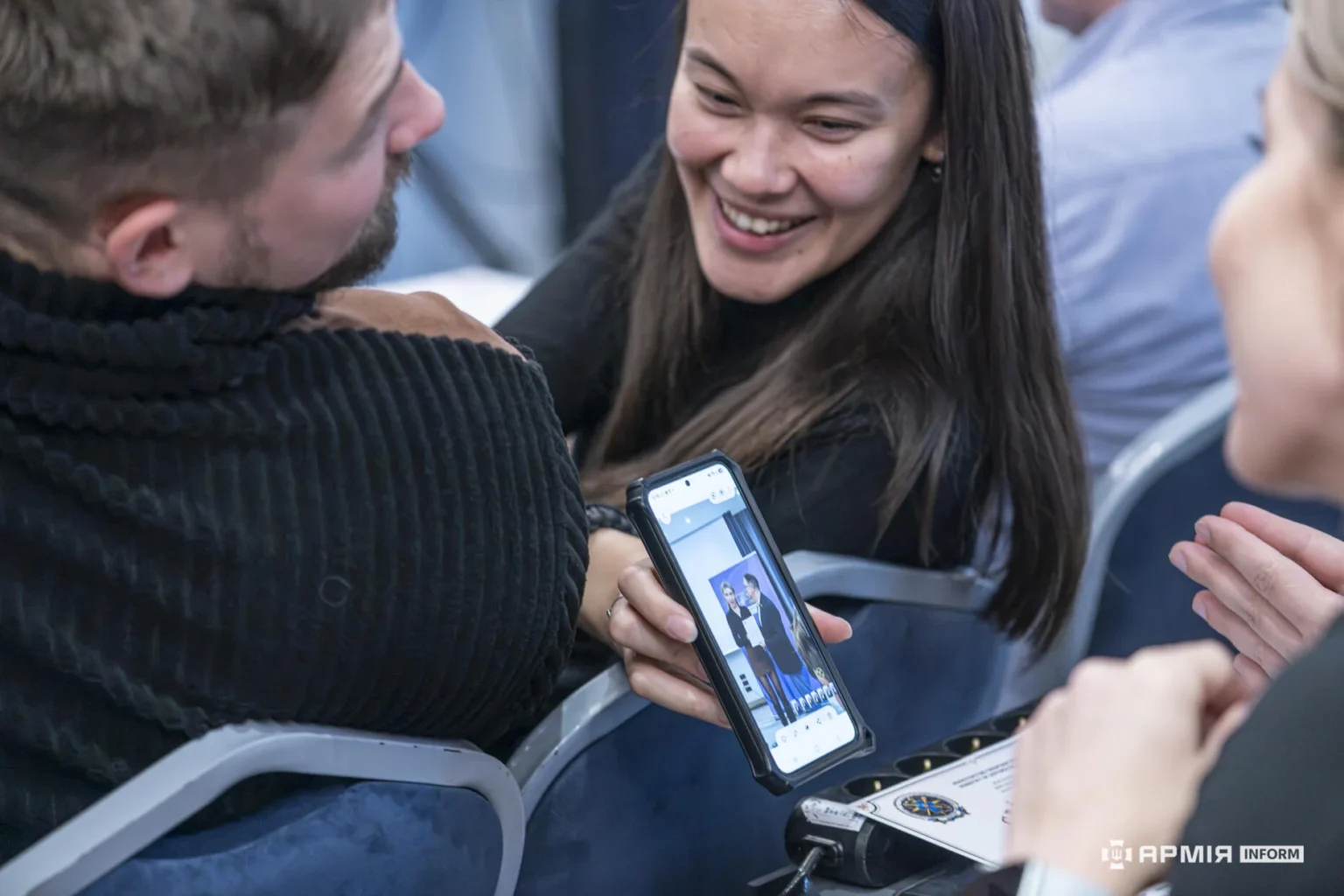
For the practical assignments, participants were given scenarios requiring them to propose solutions to specific problems or crises. Choosing how to reach an audience formed part of the overall plan, with other channels considered alongside digital platforms.
“We discussed familiar ways of engaging audiences, such as YouTube, Instagram, Facebook, TikTok and Telegram.
“But we also considered how to distribute content through the media: whether to choose a print publication, appear on the national joint news broadcast, for example, or perhaps reach an audience through printed materials such as banners and posters.
“It may sound rather grand, but essentially we were planning an information campaign, and all our subsequent actions were aimed at putting it into practice,” Dina Vong said.
Working together on assignments also helped communications personnel at different levels build personal connections. In their daily service, communications specialists at corps headquarters and its subordinate brigades mainly use military communications systems, so some of their interaction takes place remotely. The course gave them time and an opportunity to discuss work face to face.
“Here, we were able to get to know each other better and strengthen our cooperation. One of the course’s main advantages was seeing our colleagues in person. We studied during the day, then exchanged experiences and shared examples from our work.
“Even during lectures and discussions, we could raise challenges and hear from NATO representatives about how they would approach them.
“And, of course, we shared the approaches we had developed ourselves. I think NATO countries would also be interested in learning from our experience,” the military communications officer added.
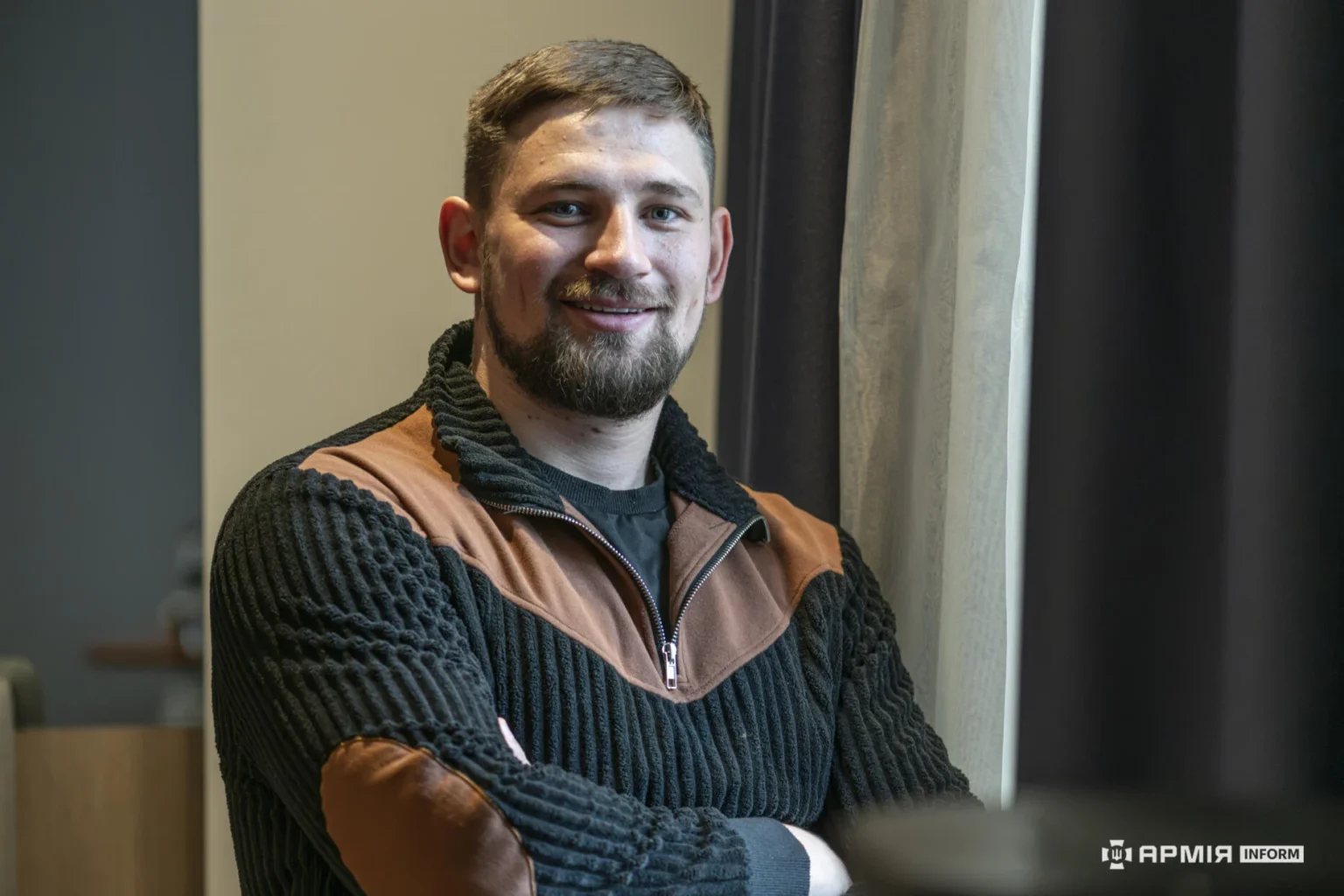
For Senior Soldier Andrii Samarskyi of Ukraine’s National Guard, strategic planning also helps strengthen society’s resilience to hostile information influence. He sees the knowledge gained during the course as a tool for defining communication objectives and assessing results.
“The course was extremely useful. I can personally see the value of this knowledge: we need to understand clearly how information spreads within a country, globally and regionally. Why does it spread in a particular way? What influences it? How do we measure it?
“This also helps us understand and anticipate public sentiment, whether we are working domestically or internationally. We are living through a very difficult period, especially for our country. A country can be torn apart not only from outside, as Russia is doing in eastern Ukraine, but also from within. And information influence is precisely how that internal threat works.
“The value of this course is in reducing the effectiveness of Russia and its supporters within our country, while making our own efforts purposeful and effective. Every organisation and every unit in Ukraine already shares information. But that information must serve clear strategic and political objectives, rather than only immediate needs. That is where I saw the course’s value,” he explained.
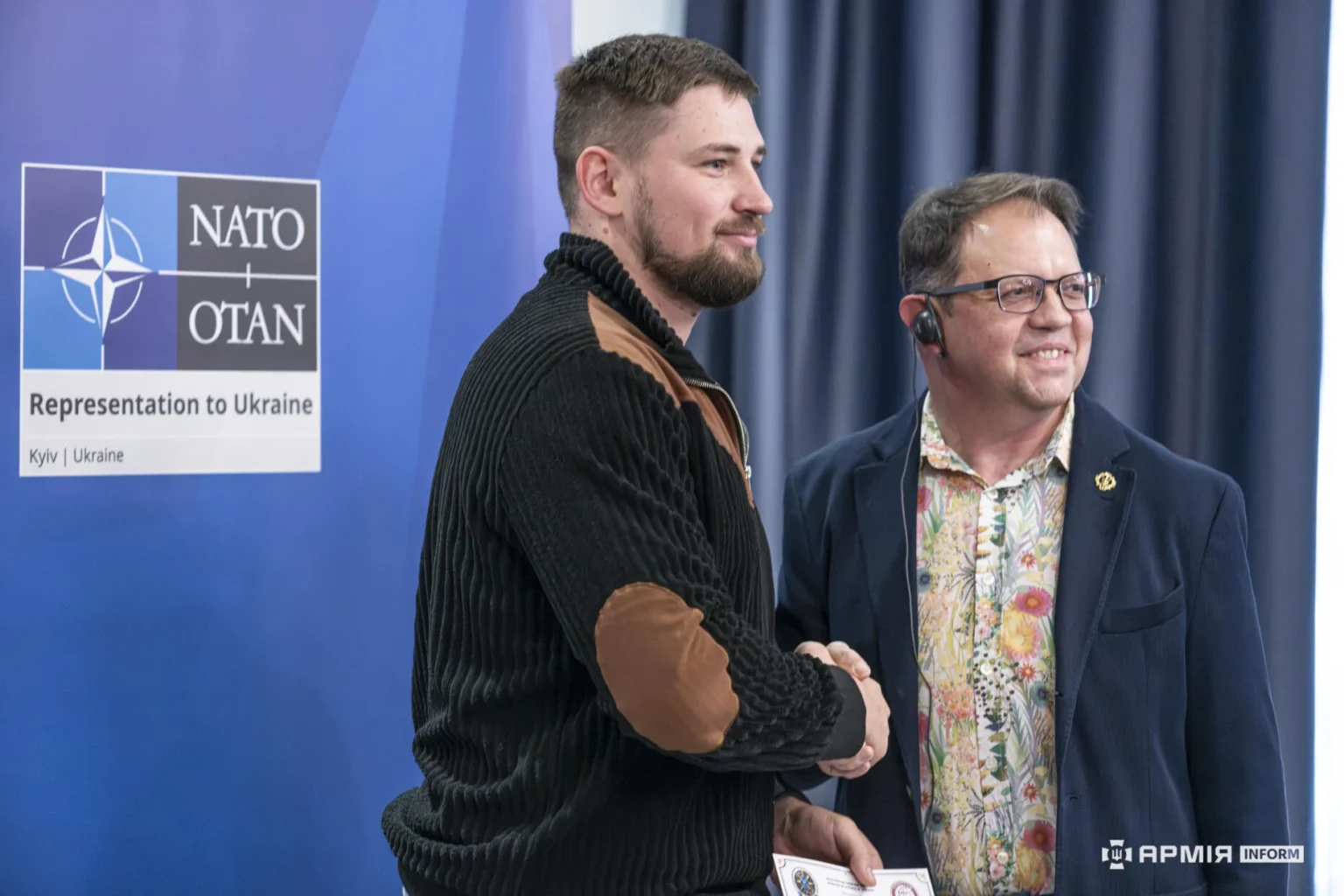
During the course, participants worked with instructors from the United States and the United Kingdom. Conversations continued both during lectures and outside the classroom. Andrii Samarskyi said he would welcome opportunities to meet the instructors again and stay in touch, describing the open atmosphere as one of the course’s defining features.
“I really appreciated how friendly and open our instructors were. They encouraged all of us to open up too. We all felt comfortable speaking frankly and sincerely.
“This also reflects those countries’ attitude towards Ukraine, and it means a great deal to us. We are very grateful — I am speaking on behalf of everyone on the course. We are grateful for their work, their attitude and their desire to see Ukraine win,” Andrii Samarskyi stressed.

Kateryna Voloshena, Deputy Head of the Digital Media Projects Department at the State Border Guard Service of Ukraine’s Main Media Communications Centre, also highlighted the practical work with colleagues from other components of the Defence Forces.
For her, the course was an opportunity not only to learn new tools but also to compare how different organisations manage their communications work.
“It was a fantastic experience because I got to speak with colleagues from the Armed Forces of Ukraine and other components of the Defence Forces. I was very interested in how they organise their work, how they coordinate and how the whole system operates.
“As for the course itself, there was a great deal of valuable practical work. We almost fell out with each other in our groups, but that was also a big positive: we were developing not only the skills taught on the course, but also our interpersonal communication, ability to compromise and even public speaking skills,” she said.
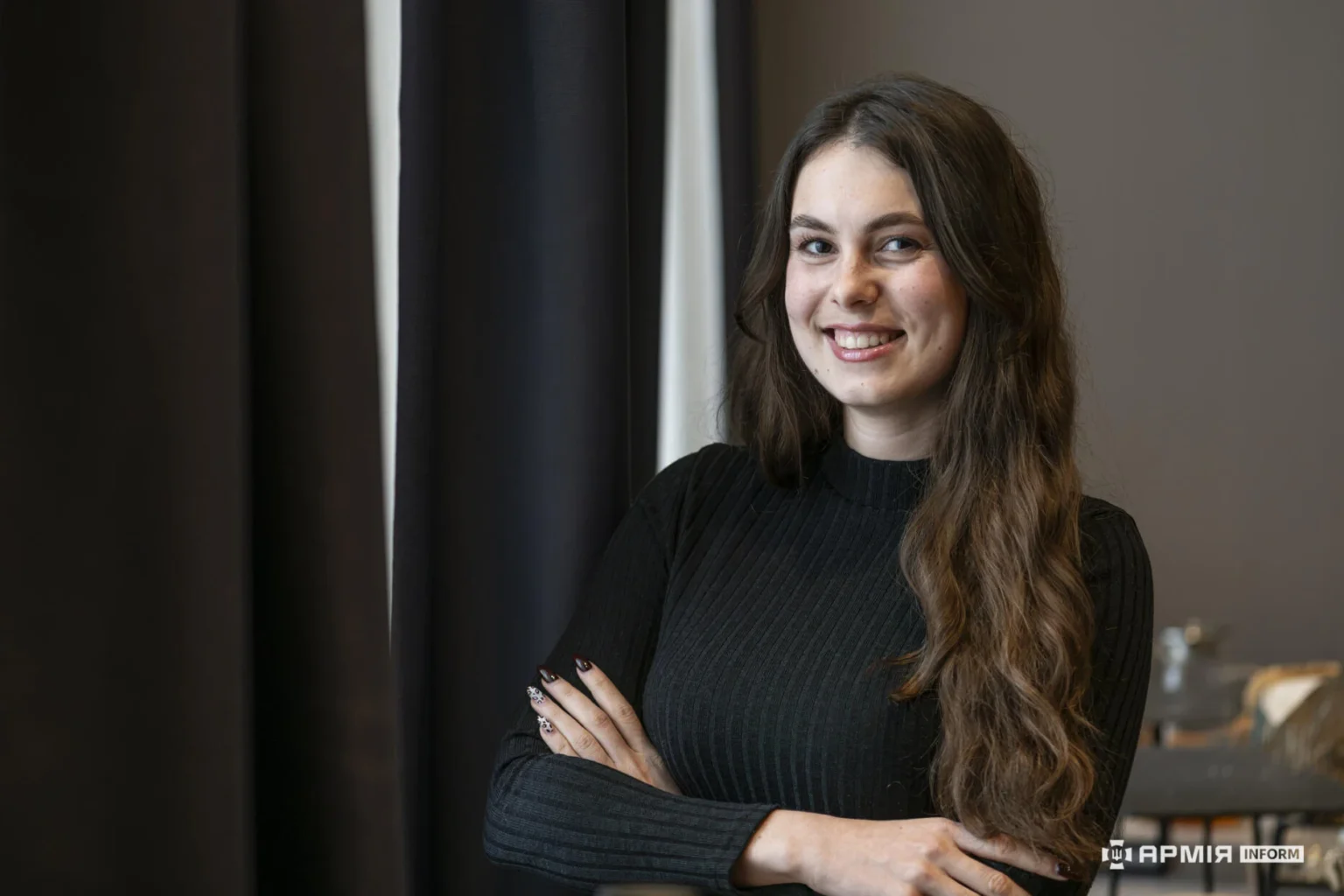
Kateryna Voloshena works across several social networks, so she was interested in a range of digital platforms during the course. As participants discussed how to use them, they shared examples from their own work, helping instructors relate the proposed approaches to Ukrainian conditions.
“The instructors were always open to our comments. If an approach did not match the realities we faced, we said so, and they were willing to adapt and understand us better. They were also very interested in how everything works here and took notes, so it was a valuable exchange of experience.
“I also want to say that many colleagues may be sceptical about NATO training because they now feel we have more to teach than to learn. But this course showed me that their methods work too and can be adapted to Ukrainian realities,” the State Border Guard Service member said.
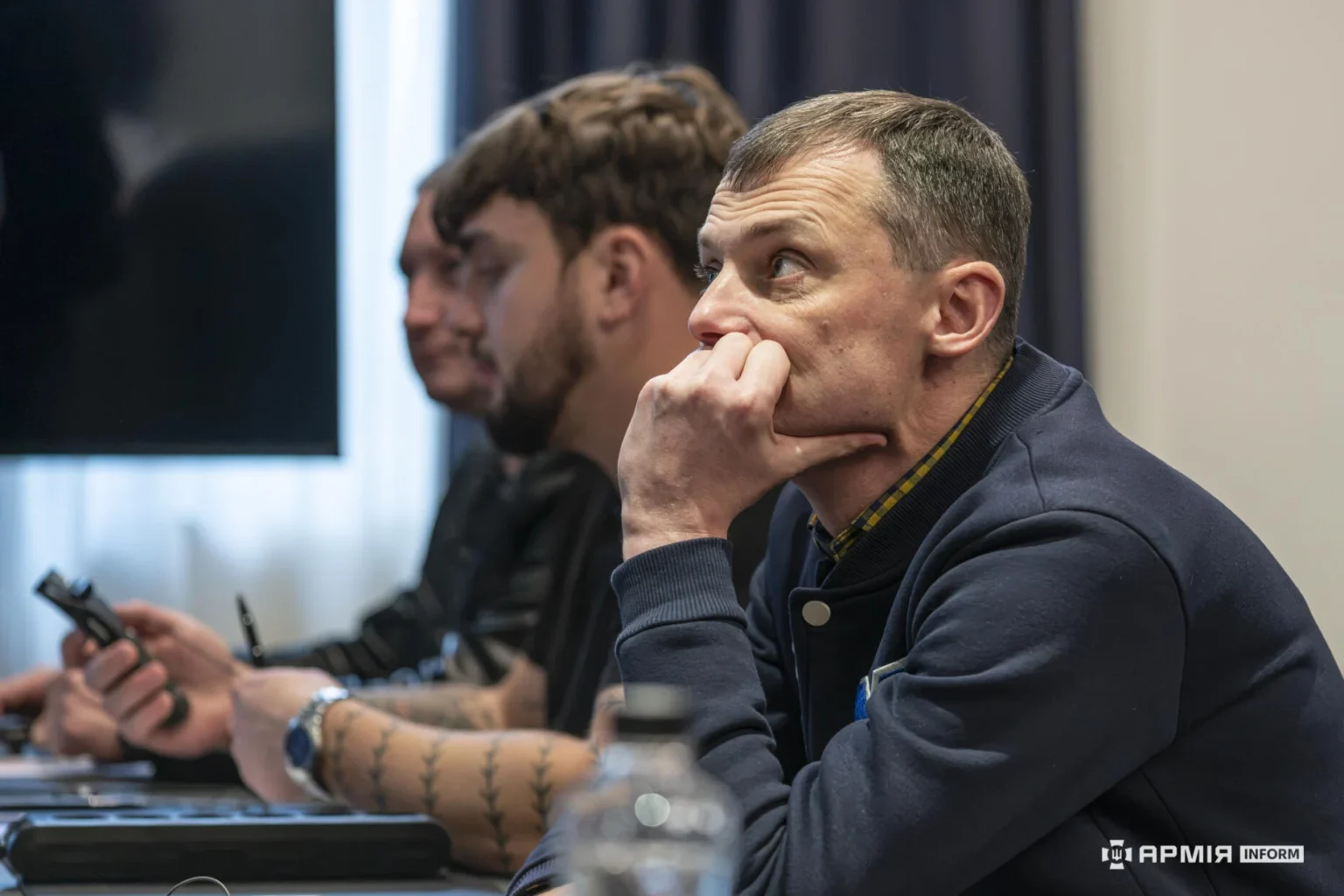
Following the training, Kateryna plans to apply some of what she learned in the State Border Guard Service. She said the course had given her fresh inspiration for her work. Among the knowledge and tools international partners can offer, she highlighted approaches to planning and organising communications.
“Our international partners tend to take a more structured approach because situations do not change as rapidly and dynamically for them as they do for us. Even so, we need to maintain structure and clarity, continually improve our understanding of our audiences and be able to convince commanders that we are taking the right approach,” she concluded.
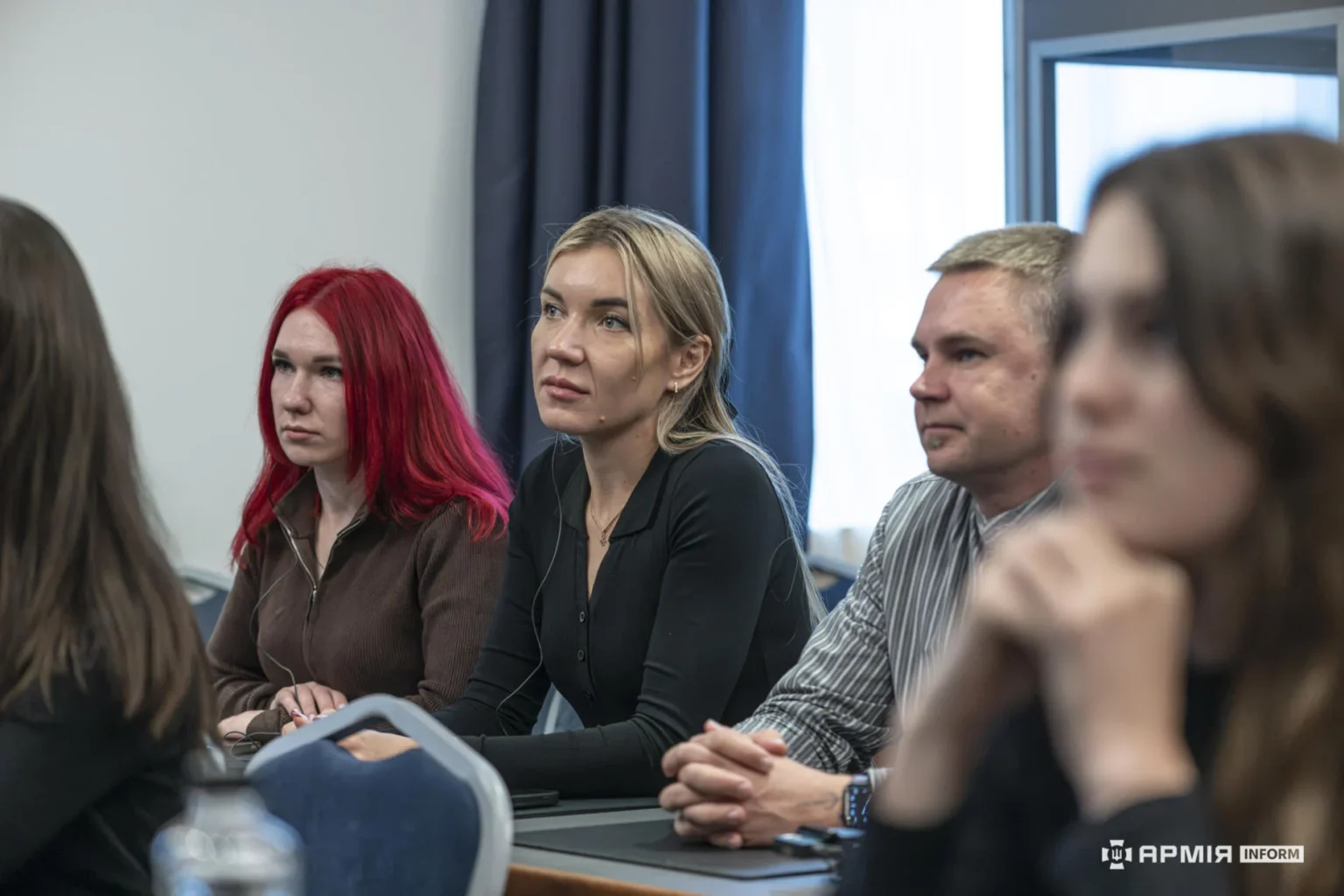
The main outcome of the digital platform management course was equipping military personnel with the knowledge and skills to take a systematic approach to public communication. Participants learned that defining objectives, understanding audiences, preparing messages and choosing communication channels should form a coherent information campaign aligned with their unit’s tasks and the wider strategy.
Practical assignments allowed participants to apply these approaches to specific scenarios, discuss solutions with instructors and receive individual feedback. They see opportunities to use what they learned in recruitment, engagement with service personnel and their families, countering hostile information influence and explaining the reasoning behind their work to commanders.
Professional connections and exchanges between representatives of different components of Ukraine’s Defence Forces and international instructors were another valuable outcome. Ukrainian personnel gained additional tools to organise their work more effectively, while partners gained a better understanding of communications in wartime.