Volgograd Oil Refinery Under Attack: How Ukraine Is Deepening Russia’s Fuel Crisis and Why the Impact of the Strikes Is Accumulating

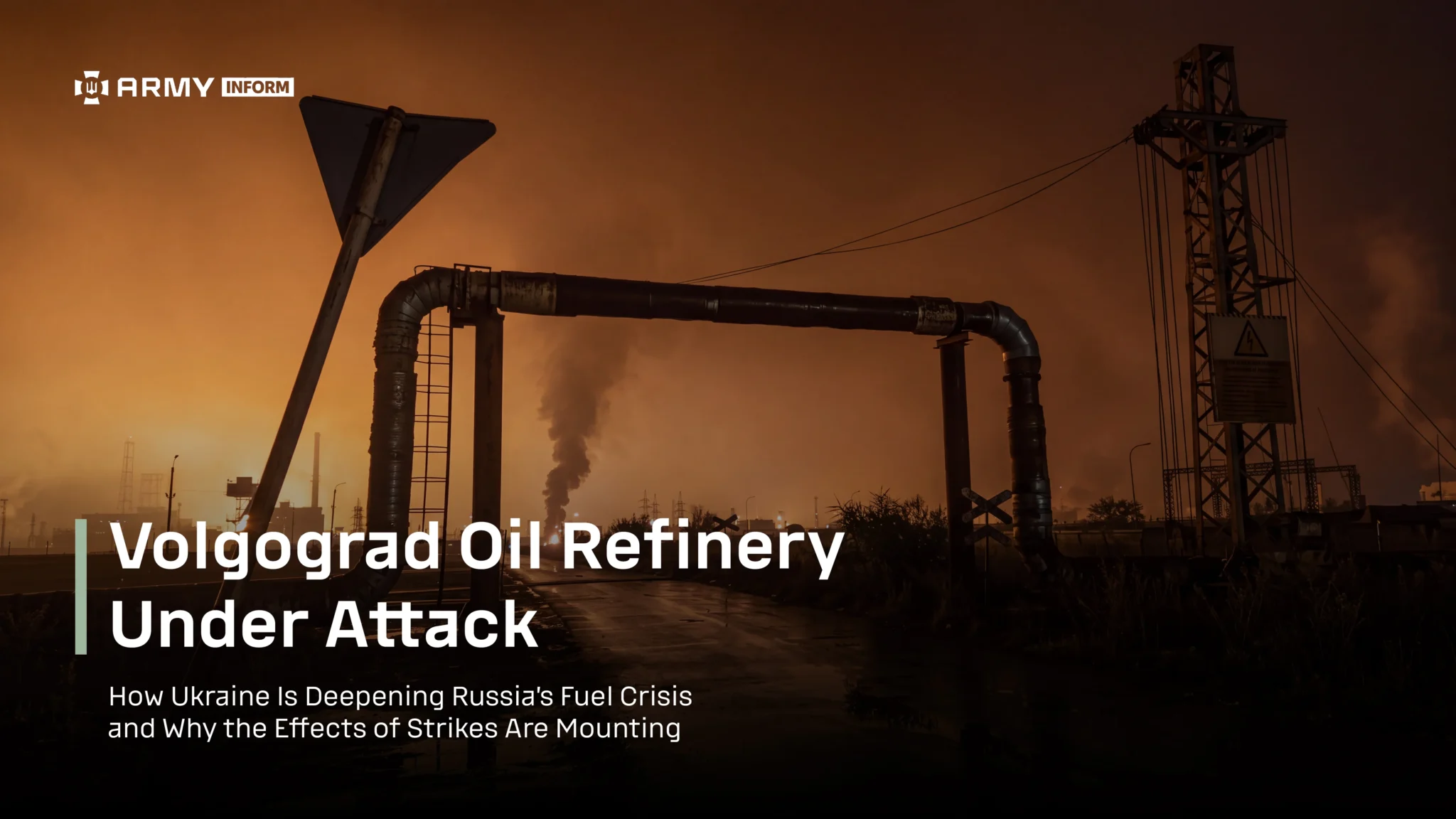
The fire in Volgograd has become part of a sustained campaign of pressure on Russia’s oil industry.
According to Reuters estimates, the strikes have already reduced Russia’s oil refining capacity by approximately 30%.
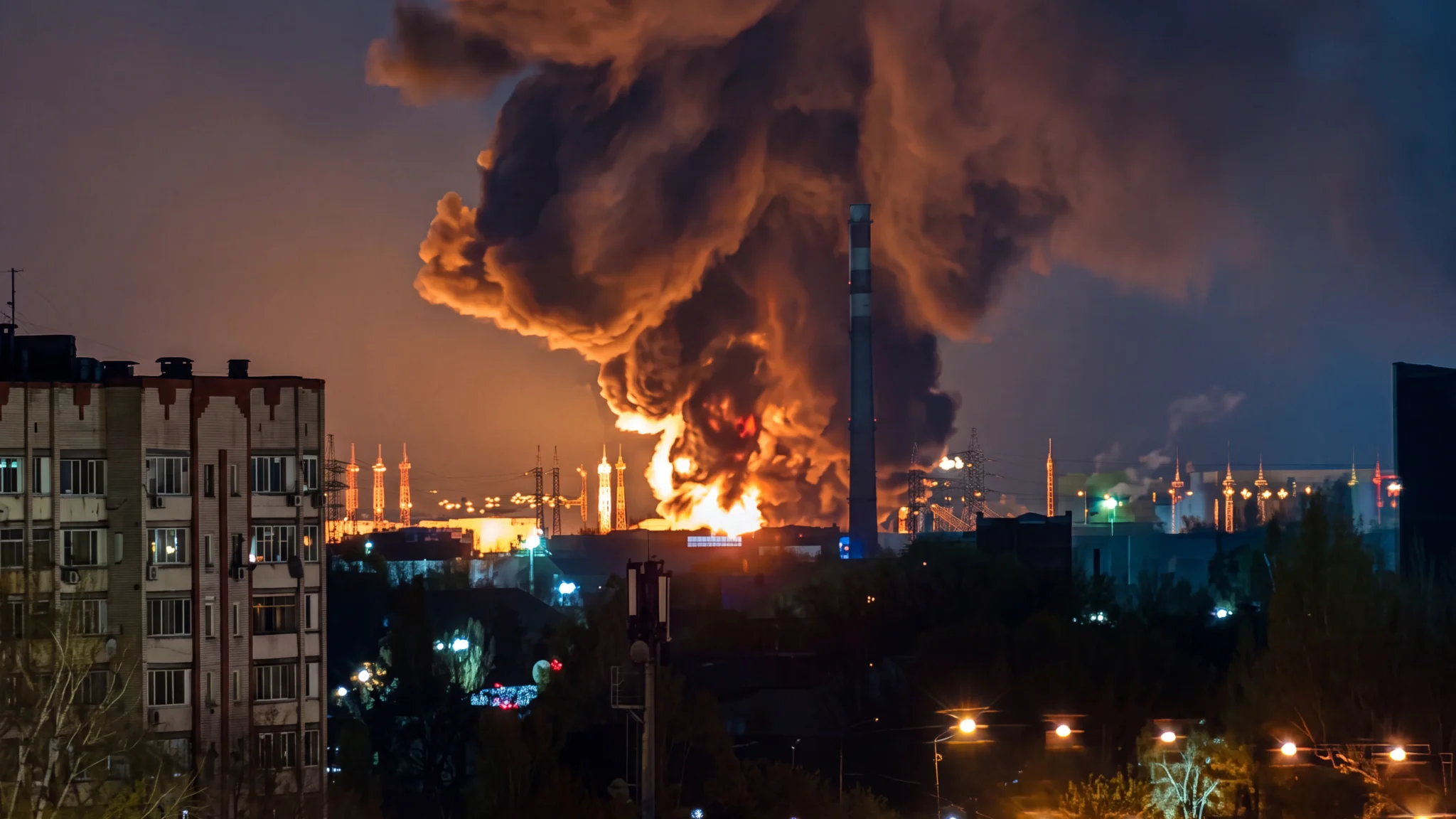
On the night of November 13, the Russian city of Volgograd came under another drone attack. Following the strikes, fires broke out in the city’s southern industrial zone. Russian authorities reported that four industrial workers had been killed and two others hospitalized.
One of Russia’s largest oil refineries, LUKOIL-Volgogradneftepererabotka, is located in this part of the city. At the same time, it is important to establish one distinction: as of publication, Reuters had no official confirmation that the refinery itself had been hit this time. Videos circulated by monitoring sources showed a large-scale fire believed to be associated with the facility.
However, the significance of this incident extends far beyond a single episode. The Volgograd refinery is an important component of Russia’s fuel system, and its reappearance on the list of potentially affected facilities comes amid a large-scale Ukrainian campaign of long-range strikes against Russia’s oil infrastructure.
Volgograd Oil Refinery: Why Is It an Important Target?
LUKOIL-Volgogradneftepererabotka is one of the key assets of the Russian oil company LUKOIL and the largest producer of petroleum products in Russia’s Southern Federal District.
According to Reuters, the facility has an oil refining capacity of approximately 14 million tonnes per year, or around 280,000 barrels per day. This represents roughly 5% of Russia’s total oil refining capacity.
According to industry publication Neftegaz.RU, the refinery’s technological configuration includes not only primary crude oil processing but also more advanced processes: hydrocracking, delayed coking, catalytic reforming, and gasoline fraction isomerization.
The facility produces more than 60 types of products, including motor gasoline, diesel fuel, liquefied petroleum gases, petroleum coke, bitumen, and base oils.
In other words, this is not simply a refinery producing fuel for the civilian market. It is a facility with a broad product range, some of which is important for industry, transportation, and sustaining Russia’s military machine.
The production of diesel and aviation fuel is particularly important. These types of petroleum products are essential for military transport, armored vehicles, logistics convoys, aviation, and supporting infrastructure.
At the same time, a refinery shutdown should not automatically be equated with an interruption of fuel supplies to the Russian military. Russia has reserves, other refineries, a pipeline network, and the ability to redistribute resources. However, every disruption at a major refinery increases the burden on the rest of the system.
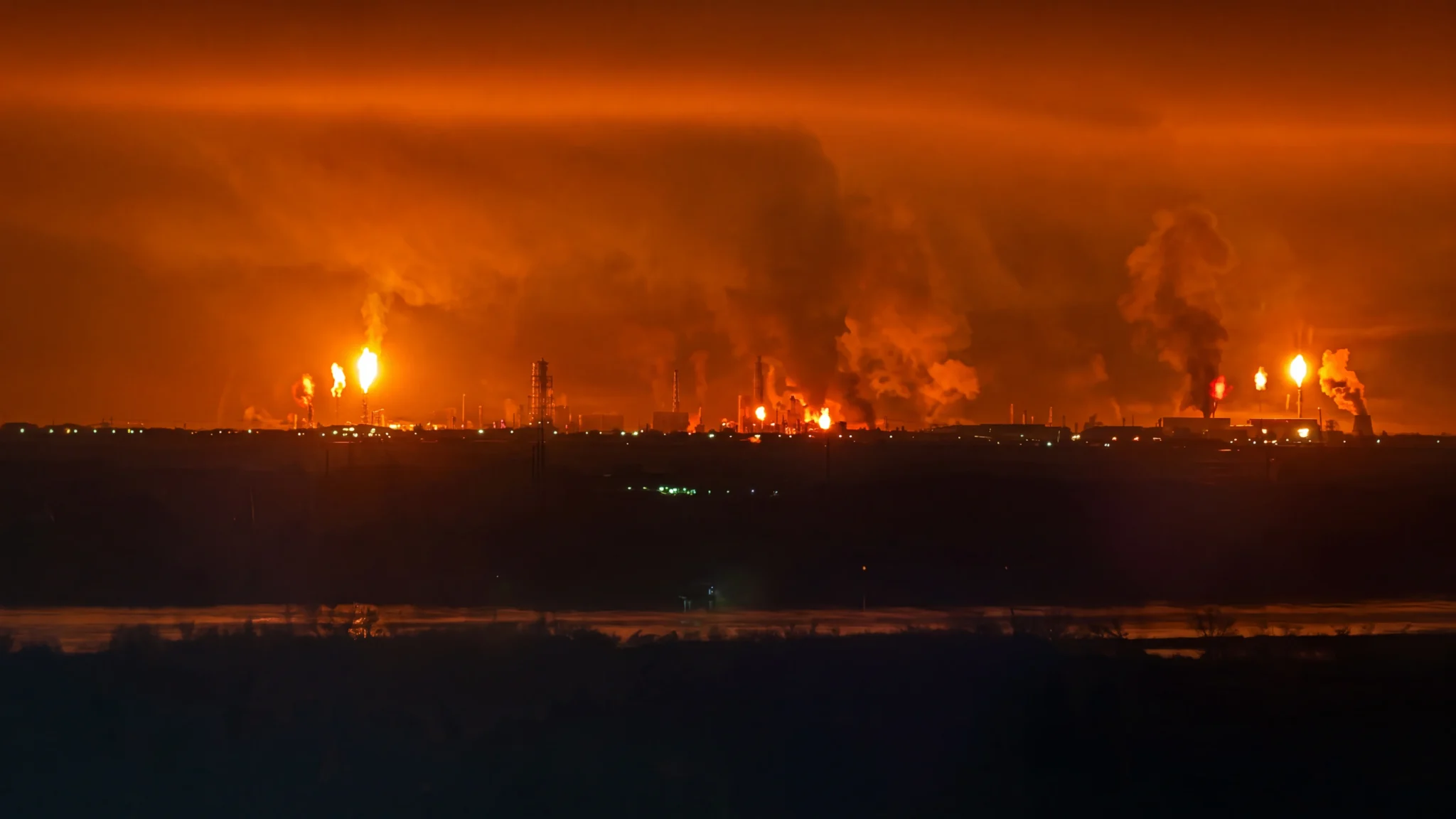
30% of Refining Capacity: What Do the Figures Show?
The most important indicator of the current campaign is not the number of individual attacks, but their cumulative impact on the operation of Russia’s oil refining industry.
On November 10, Reuters published a report citing two industry sources. According to their estimates, the Ukrainian strike campaign, which resumed in late October, has reduced Russia’s oil refining capacity by approximately 30%.
According to the publication, over the course of one week, the attacks disrupted operations or caused emergency situations at nine of Russia’s 35 largest oil refineries.
The combined nameplate capacity of the facilities whose operations were disrupted by strikes since late October amounts to approximately 300,000 tonnes per day. By comparison, Russia’s total primary oil refining capacity is estimated at around 930,000 tonnes per day.
However, there is another indicator that illustrates the actual scale of the problem. In late October, Russian refineries were processing approximately 700,000 tonnes of crude oil per day in practice. According to Reuters’ sources, the actual reduction in refining volumes may have reached 200,000 tonnes per day.
This means that the issue is not limited to damaged industrial facilities. It also involves a substantial decline in the actual volume of crude oil that Russia’s system is capable of converting into finished petroleum products.
Importantly, the figure of 300,000 tonnes represents the combined nameplate capacity of the affected or disrupted facilities, not a confirmed volume of daily lost production. The estimate of an actual reduction in refining volumes of up to 200,000 tonnes per day is a separate figure provided by industry sources.
Strikes on Oil Refineries Are Becoming a Systematic Campaign
The events in Volgograd are not isolated. Since late October, Ukraine has intensified its strikes against Russian oil infrastructure.
Key incidents in this wave include:
- November 5 — Ryazan. Following a drone attack, a fire was reported at the refinery, along with damage to industrial facilities.
- November 10 — Kirishi, Leningrad Region. A fire broke out following a strike at the Kirishi Oil Refinery, one of Russia’s largest and the second-largest in the country.
- November 11 — Omsk. The Special Operations Forces of the Armed Forces of Ukraine confirmed a strike on the Omsk Oil Refinery, one of the largest in Russia.
- November 13 — Volgograd. Following a massive attack, fires were recorded in the southern industrial zone, where the Volgograd Oil Refinery is located.
This sequence demonstrates the geographical scope of the pressure: strikes are taking place not only near Ukraine’s border but also against major industrial centers deep inside Russia.
It is also important to consider that this campaign is not targeting oil refineries alone. Oil pumping infrastructure, storage facilities, terminals, and logistics hubs are also being targeted. This matters because the production and delivery of petroleum products are interdependent components of a single system.
Fuel Crisis: The Consequences Are Already Extending Beyond Industrial Facilities
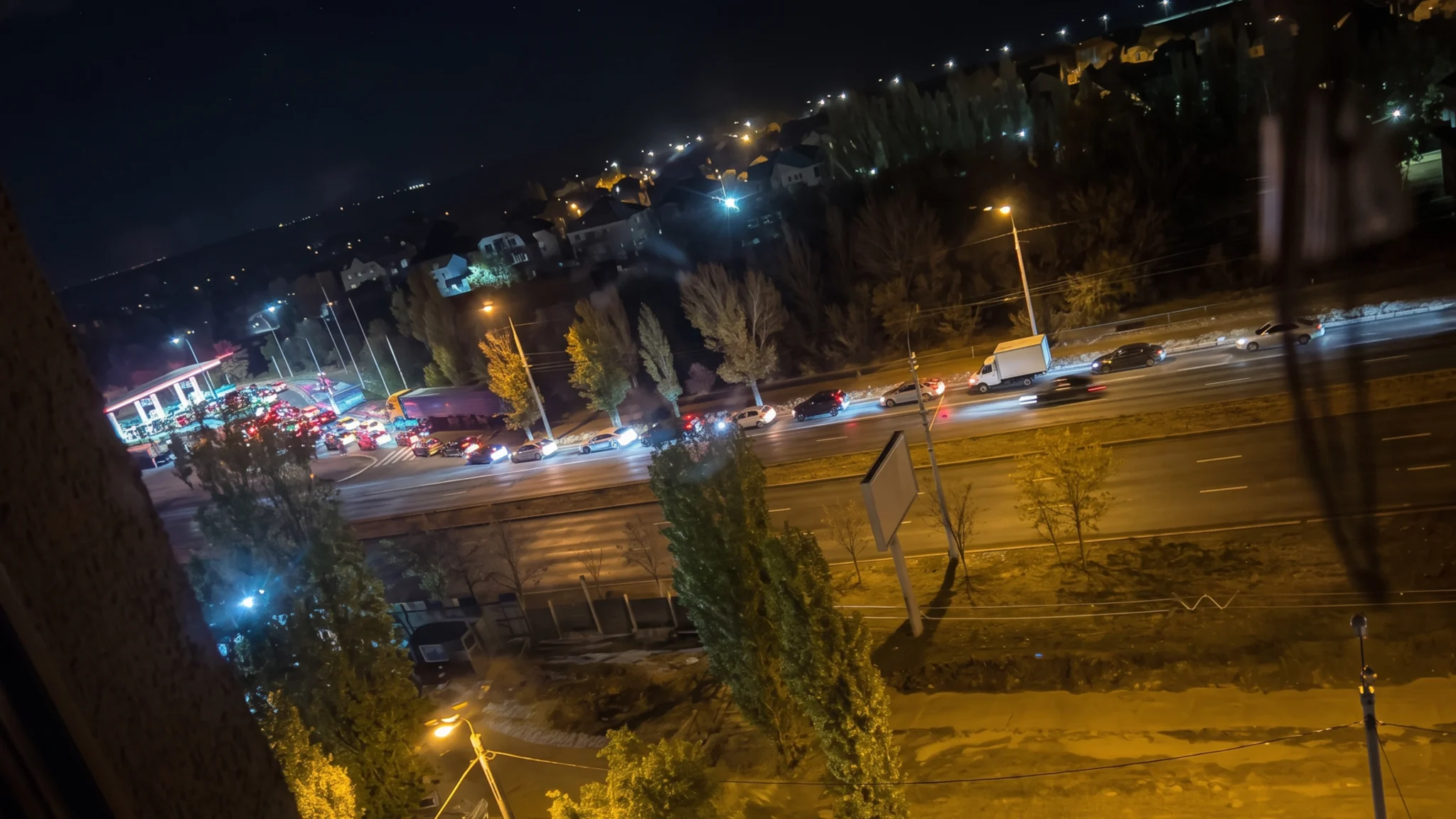
One of the most telling results of Ukraine’s strikes is the situation on Russia’s domestic fuel market.
On November 9, Reuters reported that fuel shortages had returned to at least six Russian regions. According to the publication, following a series of strikes on oil refineries, local authorities and Russian media reported restrictions on fuel sales.
In particular, in Karelia, some Rosneft-owned gas stations introduced purchase limits of up to 30 liters of gasoline and 50 liters of diesel fuel per transaction. Sales of fuel in portable containers were temporarily restricted.
Similar restrictions were also reported in Buryatia, Zabaykalsky Krai, Nizhny Novgorod Region, Arkhangelsk Region, Penza Region, and Krasnoyarsk Krai.
This is a fundamentally important development. The Russian authorities are being forced to address the problem of distributing petroleum products among regions, transportation networks, industry, and export commitments.
When refining capacity declines, the system must compensate for the shortage in one of several ways: redirect fuel from other regions, use accumulated reserves, increase the output of refineries that remain operational, or restrict exports.
Each of these options comes at a cost.
Redirecting fuel increases the burden on transportation infrastructure. The use of reserves cannot continue indefinitely. Increasing the output of other refineries is limited by their technical capabilities. And reducing exports means losing part of foreign currency revenues.
Thus, even if an individual refinery resumes operations, this does not necessarily mean that the entire system has returned to its previous state.
Why Repeated Strikes Are More Dangerous Than Isolated Damage
An oil refinery is a complex technological facility in which the operations of individual units are interconnected.
Damage to a primary processing unit can restrict the supply of raw materials to subsequent processing stages. The failure of secondary processing units affects the volume and range of finished products. Even if some production capacity remains intact, a refinery may be forced to operate below its full capacity.
Repairs present a separate challenge. Modern oil refineries use complex technological equipment, some of which depends on imported components, specialized electronics, and industrial control systems.
Sanctions restrictions complicate Russia’s access to certain Western technologies and components. This does not mean that every instance of damage automatically becomes irreparable, but it can increase repair times and costs, as well as dependence on alternative suppliers.
This is precisely why repeated strikes have a cumulative effect: facilities are forced to repair damaged equipment, maintain production, and protect their infrastructure against new attacks simultaneously.
How This Affects Russia’s Military Machine
Russia’s military logistics depend on a stable supply of diesel and aviation fuel. These fuels are needed for road transport, tractor units, armored vehicles, generators, engineering equipment, and aviation.
A strike on a major oil refinery does not, by itself, halt fuel supplies to the front. However, a systematic reduction in refining volumes creates additional competition for available resources.
The Russian state is forced to balance the needs of its military, civilian economy, industry, and exports. If the shortage deepens, the need for centralized distribution, the redirection of supplies, and the use of reserves increases.
In the long term, this may mean higher logistics costs, additional pressure on railway and road infrastructure, and reduced flexibility in supplying remote regions and military formations.
It is important not to overstate this effect: open-source data does not make it possible to determine exactly how many tonnes of fuel the Russian military has lost access to as a result of these strikes. However, the available information does show that disruptions to refinery operations are already affecting the overall resilience of Russia’s fuel market.
Ukraine Is Targeting Not Just Refineries, but the Resilience of the Entire System
The Volgograd incident is significant not only because of the scale of the facility itself. It comes at a time when Russia’s oil refining industry is already feeling the consequences of a series of Ukrainian strikes.
According to Reuters estimates based on industry sources, approximately 30% of Russia’s refining capacity has been temporarily affected by the attacks. Nine of the country’s 35 largest oil refineries experienced operational disruptions within a single week, while fuel sales restrictions have returned in several regions.
This points to a change in the scale of the problem: Russia is being forced to respond not to isolated fires, but to systemic disruptions in the operation of its energy infrastructure.
For Ukraine, the strategic significance of this campaign lies in reducing the aggressor’s ability to continuously produce, distribute, and use the resources necessary to sustain its war.
A single strike does not deprive Russia of fuel. However, a series of strikes targeting different links in the oil system increases the cost of keeping it operational, complicates recovery, and forces the Kremlin to spend ever more resources maintaining its own infrastructure.
And it is precisely this cumulative effect that is the main indicator of the campaign’s effectiveness.