Russia’s $4 Billion Naval Losses Highlight Ukraine’s Role in EU Black Sea Security Plans

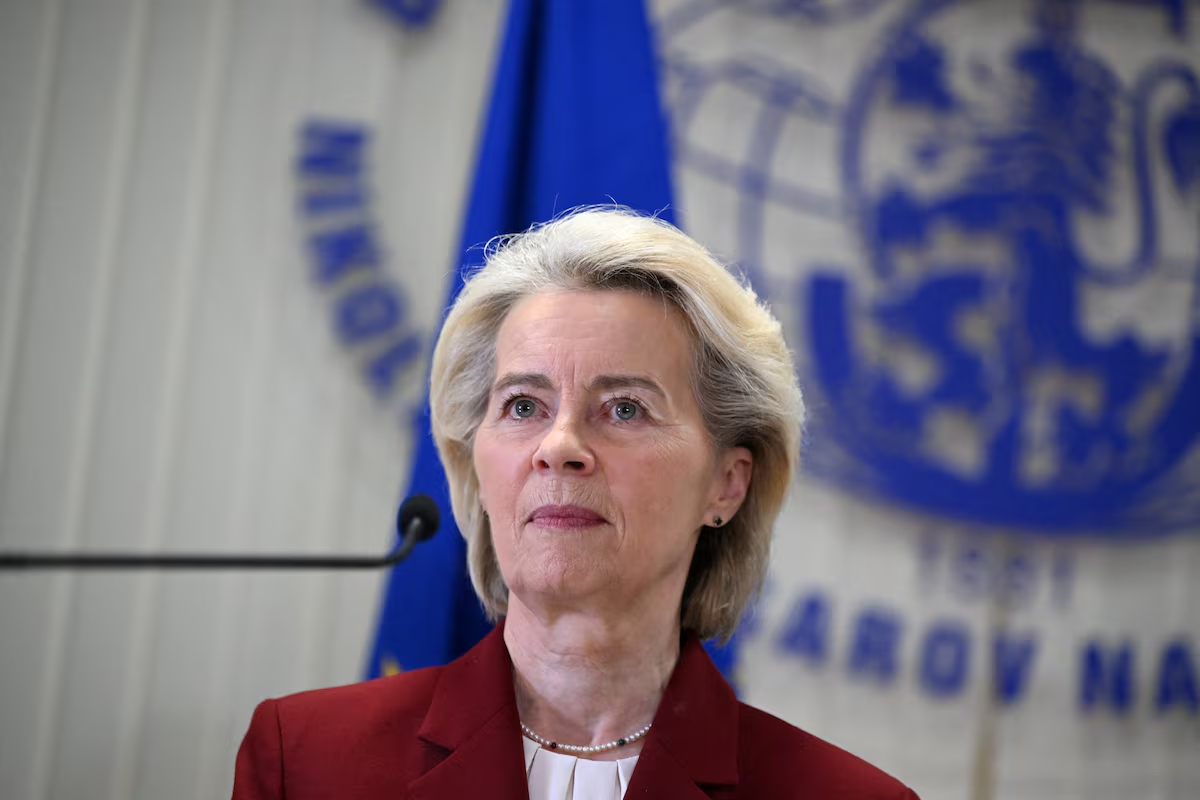
The European Union has announced €50 million to accelerate the establishment of a Black Sea Maritime Security Hub.
The investment comes as Russia’s war against Ukraine continues to threaten regional stability, while Ukrainian Defence Forces have already inflicted an estimated $4 billion in Russian naval equipment losses.
European Commission President Ursula von der Leyen announced the funding on November 10, 2026, following reports of attacks on commercial vessels in the Black Sea.
The initiative will be coordinated by Romania and Bulgaria, with EU support. It aims to strengthen maritime surveillance, intelligence sharing, early warning systems and the protection of critical maritime infrastructure.
From Russia’s Invasion to a European Security Initiative
The Black Sea Maritime Security Hub was first proposed on May 28, 2025, as part of the EU’s Strategic Approach to the Black Sea Region. The strategy identified Russia’s full-scale invasion of Ukraine as a major threat to regional and European security.
Since 2022, Russian military operations have endangered commercial shipping, disrupted maritime trade and threatened port infrastructure. Their consequences extend beyond Ukraine, affecting European economic security, international supply chains and global food markets.
In July 2026, the European Commission outlined further steps towards establishing the hub. The November funding announcement accelerates an initiative developed over the preceding 18 months.
Ukraine’s Contribution: $4 Billion in Russian Naval Losses
Ukraine is explicitly recognised as an important regional partner in the EU’s Black Sea security strategy, alongside Türkiye and Moldova. Its contribution extends beyond cooperation and intelligence sharing.
According to ArmyInform’s Price of War dashboard, Ukrainian Defence Forces have inflicted an estimated $4 billion in Russian warship and boat losses since the beginning of the full-scale invasion.
The figure represents the estimated value of Russian naval equipment losses, rather than verified procurement or replacement expenditure. These losses have weakened Russia’s naval capabilities and challenged its ability to dominate the Black Sea.
Ukrainian naval drones, coastal defence systems and other military operations have demonstrated how relatively inexpensive technologies and innovative tactics can challenge conventional naval power. Ukraine’s experience also extends to maintaining maritime exports during wartime, protecting commercial shipping routes and adapting naval operations to persistent military threats.
This operational knowledge is particularly relevant to European countries seeking to strengthen maritime surveillance, protect critical infrastructure and improve their ability to respond to emerging threats.
Black Sea Security Is European Security
Russia’s war has demonstrated that maritime threats in the Black Sea are not confined to the immediate conflict zone. Attacks on port infrastructure, threats to commercial shipping and disruptions to maritime trade affect European security and the wider international economy.
The EU’s €50 million investment reflects growing recognition of these interconnected risks. At the same time, Ukraine’s Defence Forces have already demonstrated the practical impact of reducing Russia’s military capabilities at sea.
The two figures tell different but complementary stories: €50 million to strengthen Europe’s future maritime security architecture, and an estimated $4 billion in Russian naval equipment losses resulting from Ukraine’s defence against aggression.
The figures are not directly comparable measures of expenditure. One represents new European investment; the other estimates the value of Russian military assets lost during the war.
For Ukraine, the new security hub offers opportunities for deeper cooperation with European partners. For the European Union, it provides an opportunity to incorporate Ukraine’s operational experience into a more coordinated approach to Black Sea security.
Ukraine is not only a beneficiary of European security cooperation. It is already making a measurable contribution to reducing the Russian naval threat.