30-kilometer “Kill Zone”: how the Edelweiss strike wings are burning out enemy logistics

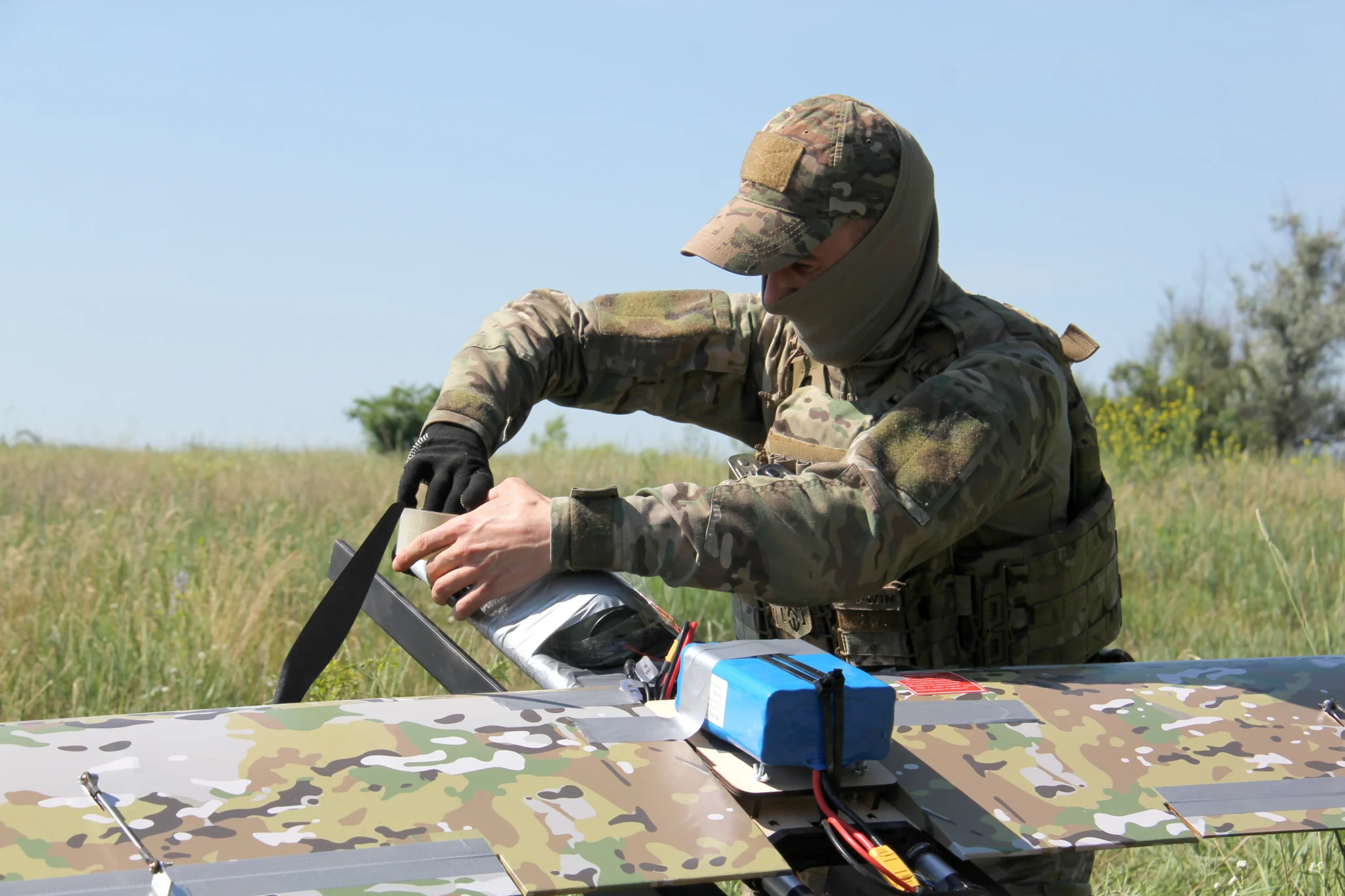
Units of the 10th Separate Mountain Assault Brigade “Edelweiss” have turned a 30-kilometer-deep strip behind the line of contact into one continuous kill zone.
If a year ago there were so many targets at that depth that operators barely had time to choose the highest-priority ones, today the enemy is forced either to hide its equipment or abandon movement altogether.
ArmyInform spoke with the soldiers behind the Edelweiss strike wings to learn how they achieved this.
We don’t hunt for “interesting” targets. We destroy everything we see.
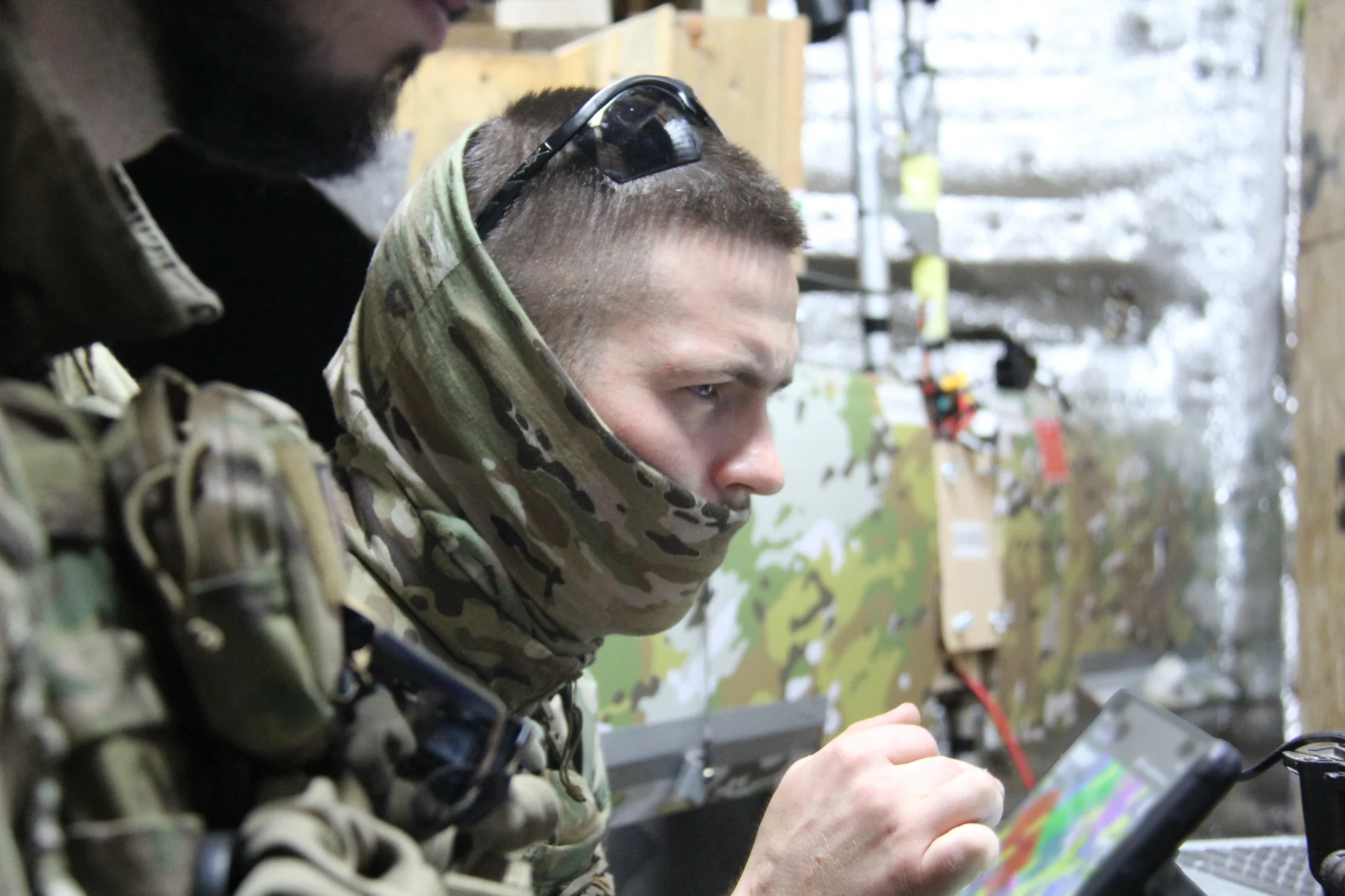
“Everyone is looking for some ‘interesting’ targets, but we hit everything that’s out there. We don’t care what it is”, — says Vitalii, commander of a strike UAV platoon, callsign “Zaya.”
For nearly a year, the strike wings of his unit have been relentlessly targeting Russian logistics in the occupied parts of the Luhansk and Donetsk regions. The results speak for themselves.
“When we first started hitting enemy logistics, it was almost fun. They weren’t scared yet. During those first missions, your eyes just couldn’t keep up. You’d fly out and see three vehicles moving at once. Which one do you hit? You pick the biggest one”, — the platoon commander recalls.
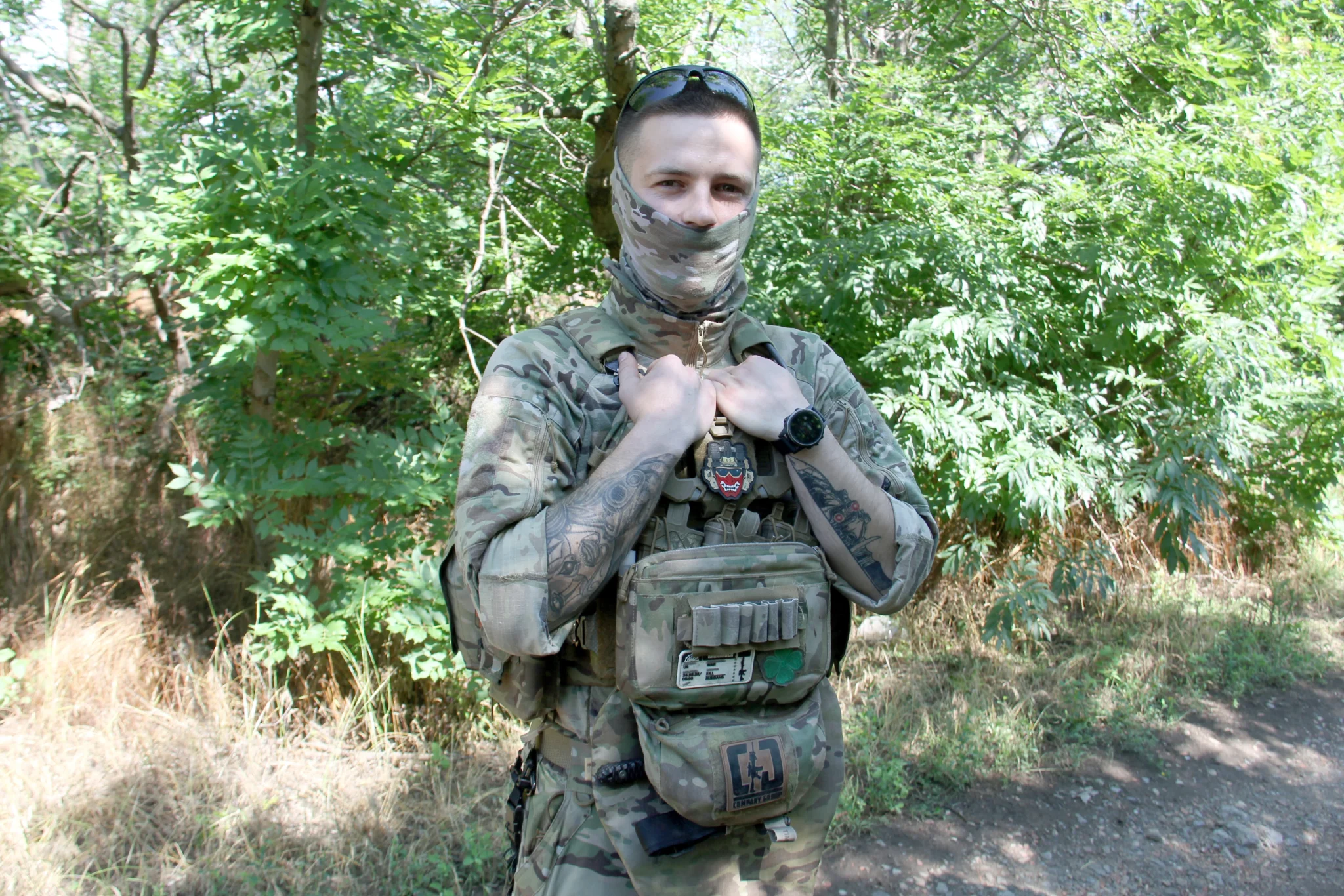
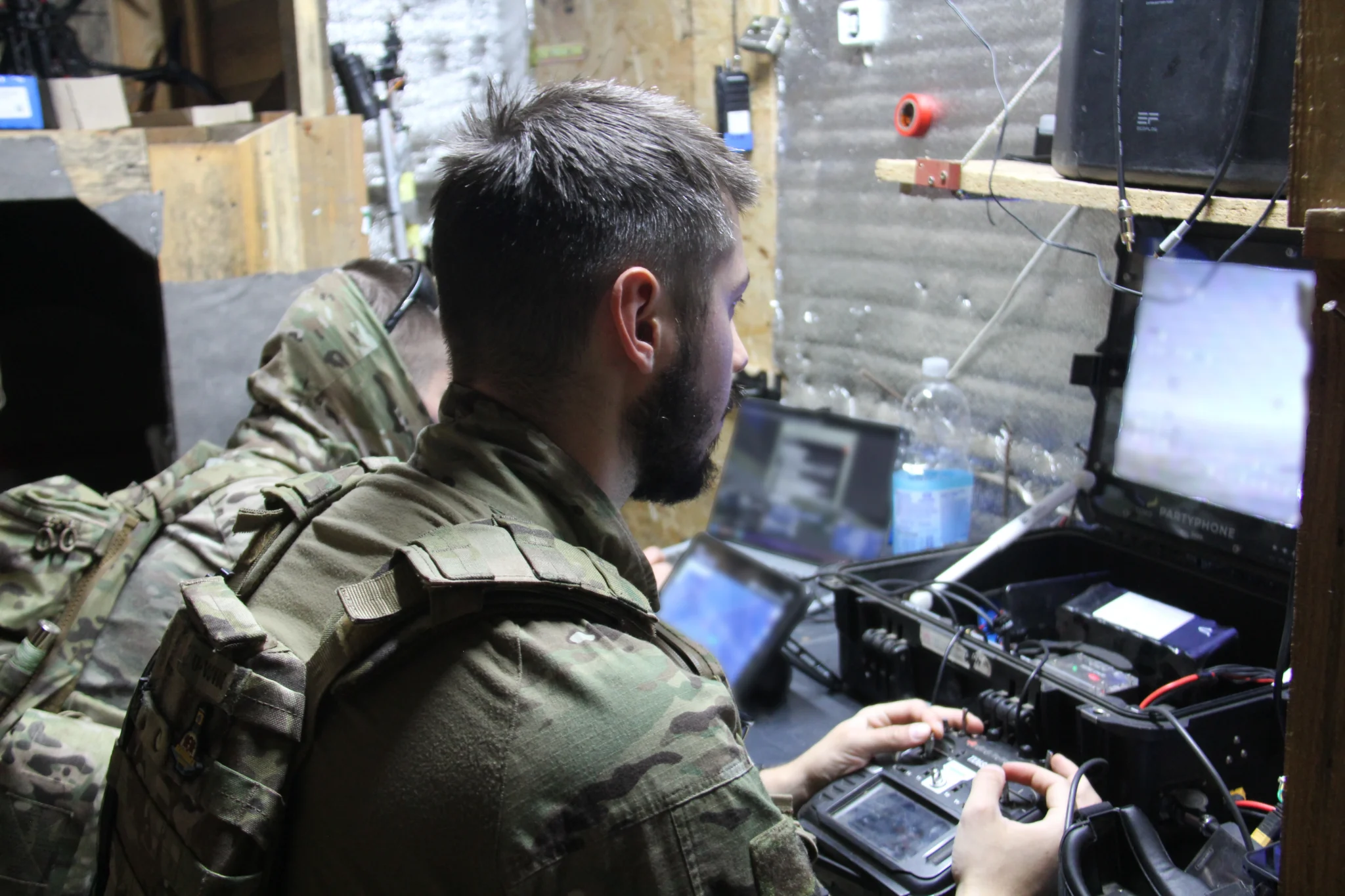
The occupiers tried different methods of countering Ukrainian drones, but the initiative always remained with the Ukrainian operators.
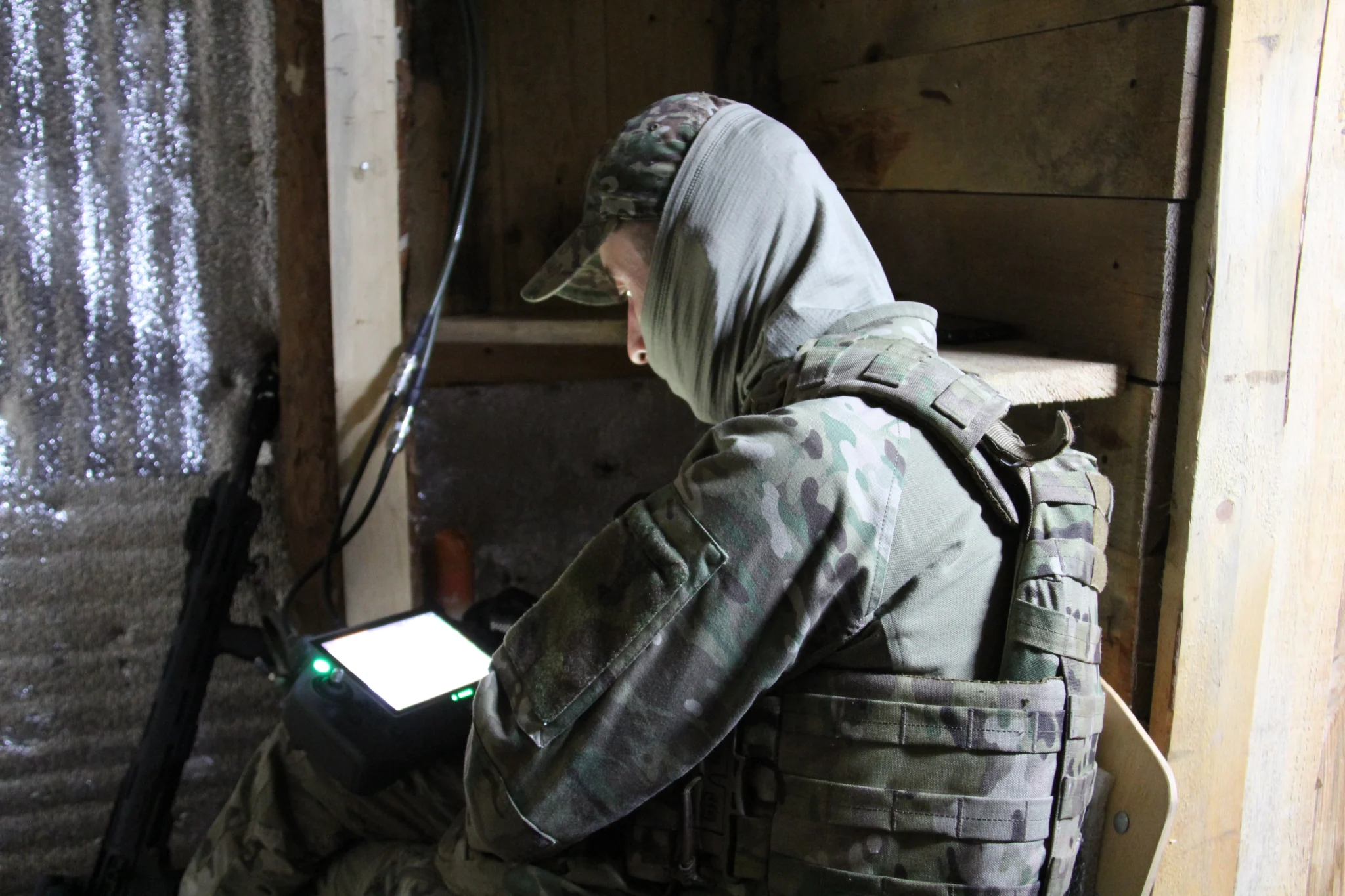
“It became difficult for them. They started moving mostly at night. So we converted our daytime aircraft into night-capable ones and started working after dark. In just a couple of nights we burned ten vehicles, and that was enough. They stopped driving at night. Then they tried moving before dawn. So we started operating before dawn too”, — Zaya explains.
There could have been even more destroyed targets, but after several successful strikes, enemy logistics simply ground to a halt.
“Usually, after two or three vehicles were hit, the enemy would stop all logistics. But we kept flying missions anyway just to keep them under pressure. Let them sit there”, — adds UAV operator “Voron.”
Today, the situation has changed dramatically. According to the operators, if they spot even a single UAZ “Bukhanka” van within that 30-kilometer zone, it is already considered something unusual. Either there is no equipment at all, or it is exceptionally well concealed.
Those 30 kilometers have become one continuous kill zone.
-
- Фото: Олександра Марченко / АрміяInform
-
- Фото: Олександра Марченко / АрміяInform
-
- Фото: Олександра Марченко / АрміяInform
The enemy was preparing a motorcycle assault — we stopped it
The unit does much more than hunt enemy logistics. The strike wings also attack Russian fortifications and infantry positions.
“For example, a bunch of Russians cram themselves into some house, and we deliver a high-explosive charge right to them. Just recently we dropped an anti-tank mine on a building where twelve motorcycles were parked under a shelter. That’s where we buried them. It happened near Siversk. They were preparing some kind of assault, but our strike wings and FPV drones shut it down”, — Zaya recalls.
On another occasion, the operators successfully disrupted the evacuation of damaged Russian equipment.
“The Russians brought in an armored recovery vehicle to tow away one of their disabled tanks. We watched the whole thing. Then we got the order to engage. Our first drone struck the front of the vehicle and wounded the driver. After that, we sent several more drones in so they couldn’t escape. In the end, they lost not only the tank but the recovery vehicle as well”, — says the platoon commander.
Recently, the crews have also become heavily involved in counter-battery operations.
According to the operators, Russian artillery frequently targets the positions of heavy bomber drones, Mavic reconnaissance drones, and FPV crews, significantly hindering their work.
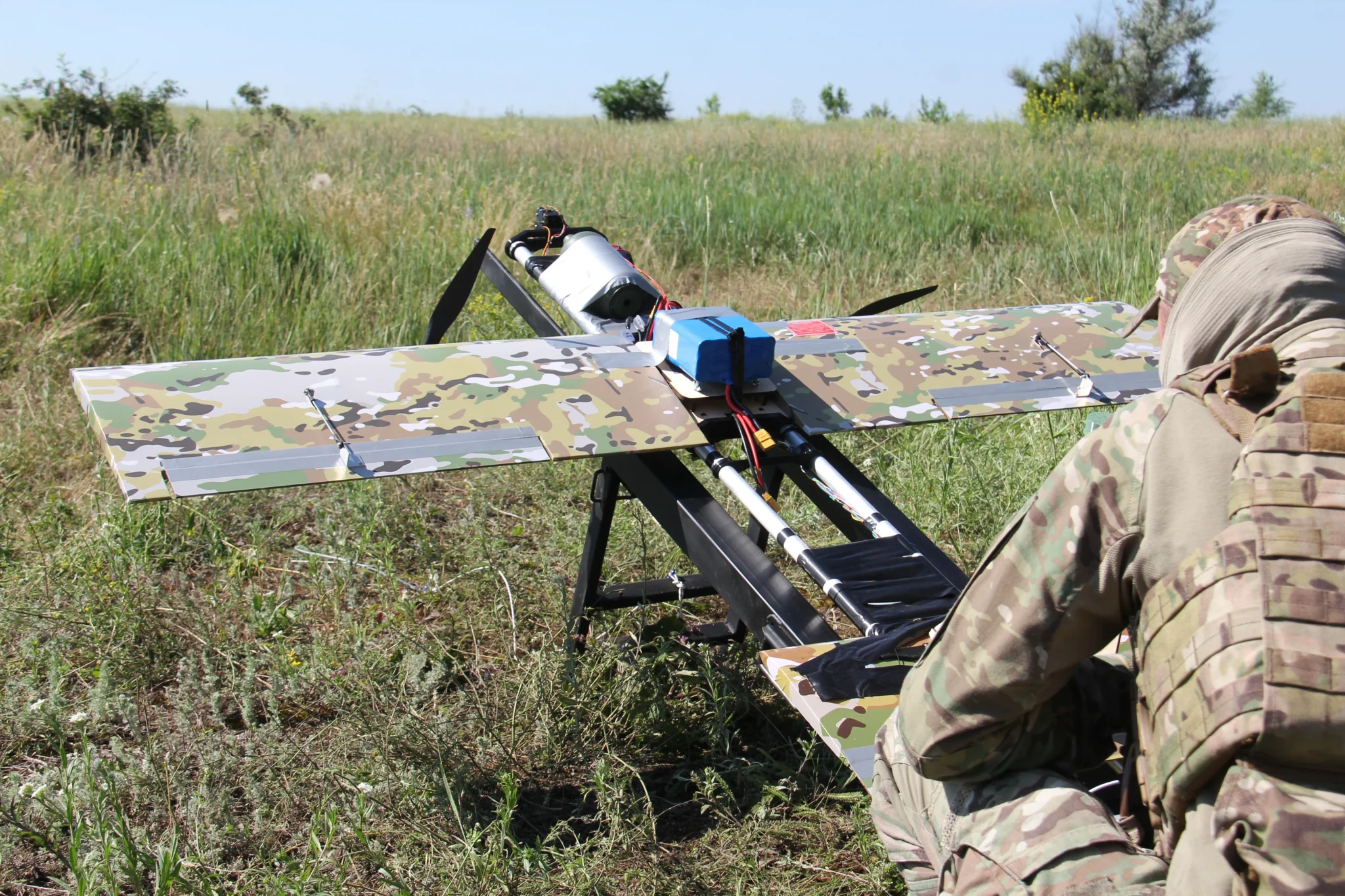
Ukraine’s “Blyskavka” in action
The crews employ several different strike systems.
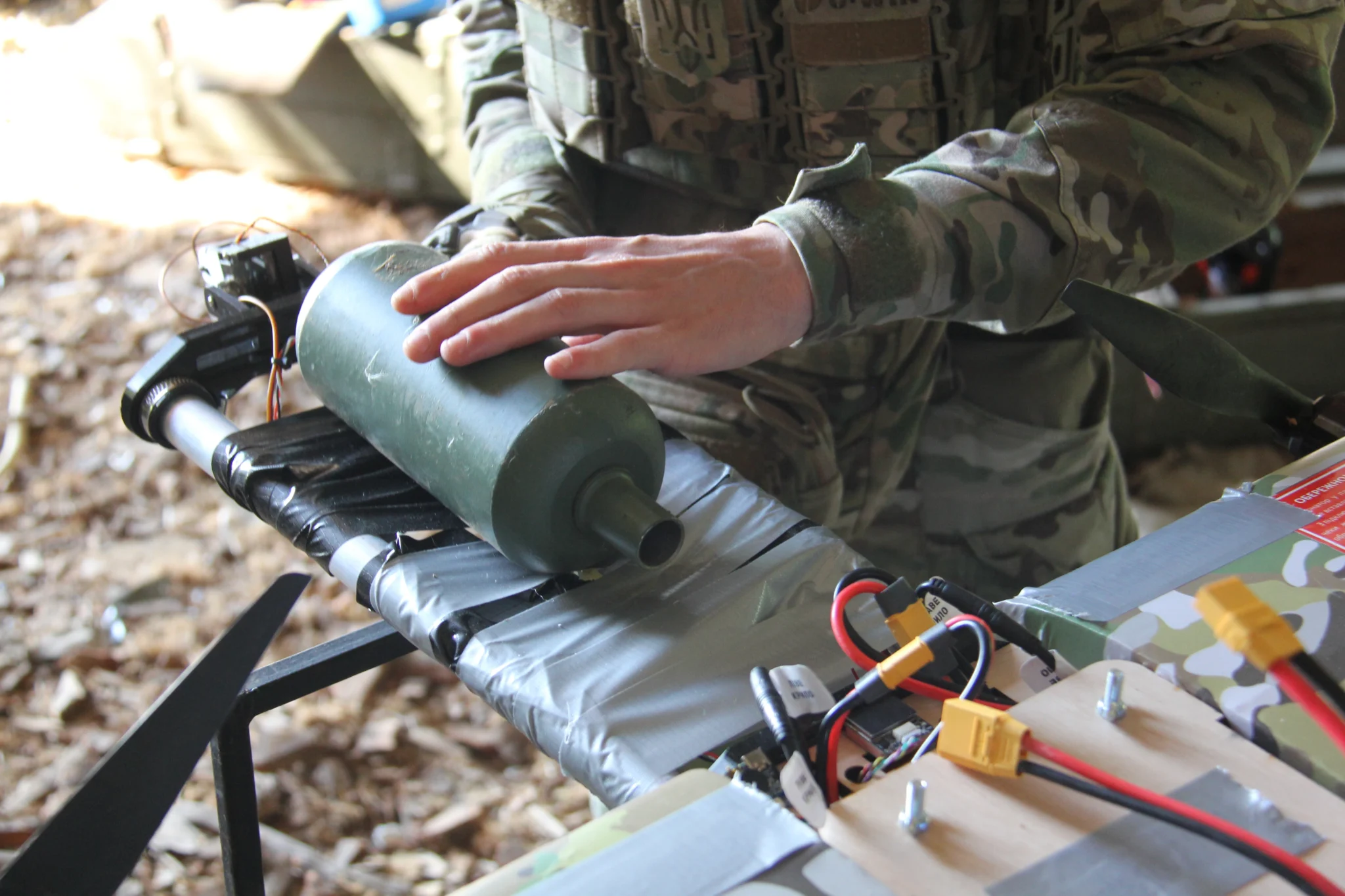
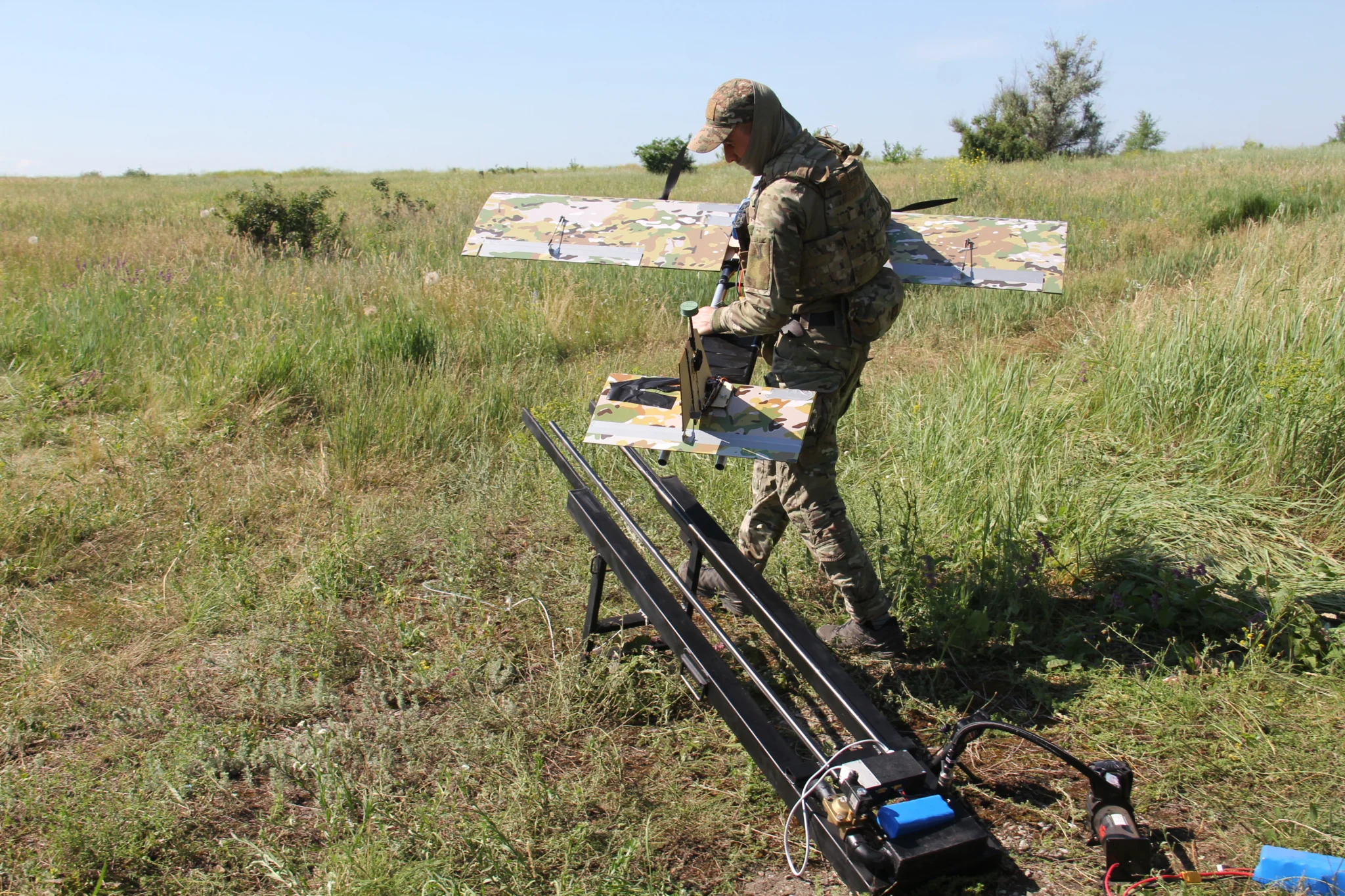
Lately, they have been making extensive use of the Blyskavka strike UAV. Although it closely resembles the Russian Molniya drone in appearance, that is where the similarities end.
-
- Фото: Олександра Марченко / АрміяInform
-
- Фото: Олександра Марченко / АрміяInform
-
- Фото: Олександра Марченко / АрміяInform
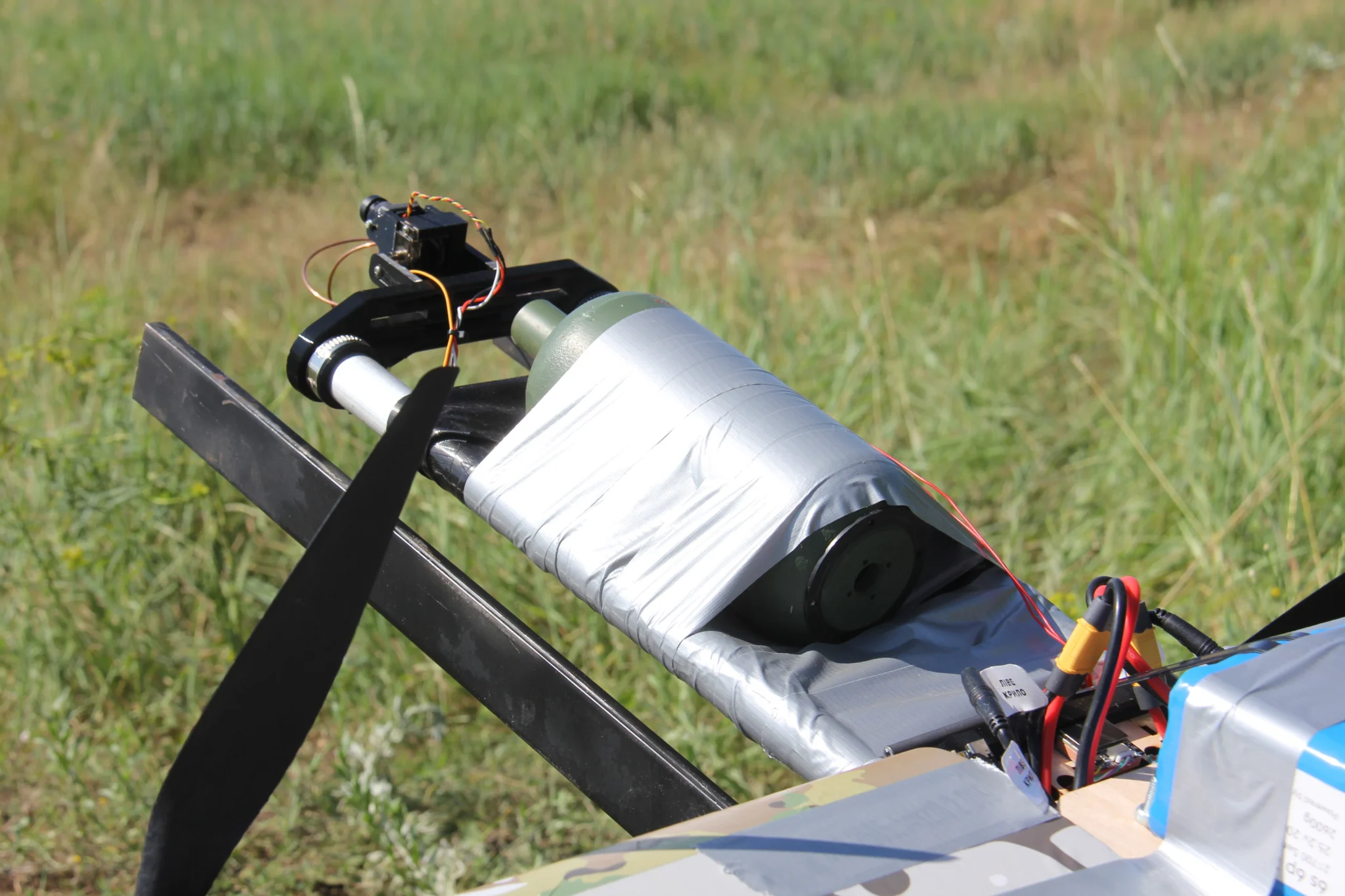
“The great thing about Blyskavka is that you can attach different types of munitions to it. That means you can tailor it to almost any mission. You can use fragmentation ammunition against infantry or carry an anti-tank mine to bring down a building occupied by the enemy. It has a range of up to 50 kilometers — and sometimes even farther”.
Another major advantage of the strike drone is its cost.
The UAV is relatively inexpensive. It also has certain operational особенності, but the operators say that if everything is properly prepared before launch, the drone performs reliably and does not let them down.