The Ukrainian deep strikes are having an effect: due to port issues in the Baltic and Black Seas, Russia will cut oil production.

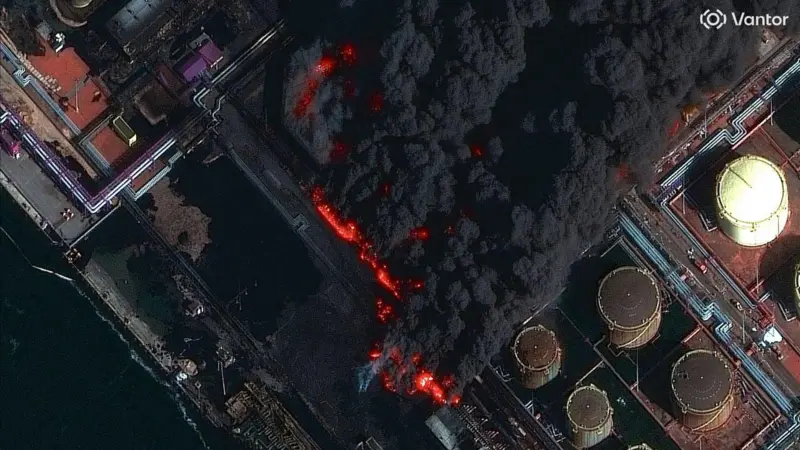
Due to long-range strikes by Ukraine’s Defense Forces on Russian ports in the Black Sea and Baltic Sea, Russia will be forced to reduce its oil production.
This was written on his Facebook page by Vladyslav Vlasiuk, the Presidential Commissioner of Ukraine for Sanctions Policy.
“Baltic Sea as of 08.04.2026. Crude oil tankers (April 1–8): 17 tankers. For comparison (January 2026): 27 tankers. Novorossiysk: April (April 1–8): 8 tankers, with no shipments since April 4 and it is unclear when they will resume,” the post states.
At the same time, he noted that this is not a decisive or even significant impact on the global market.
“Due to problems at three key ports in the Baltic and Black Seas, they will reduce production, but the decline will not be fatal, because they will redirect more oil to refineries (refining capacity is larger than seaborne export volumes), in response to seasonal demand growth and local exports to neighboring countries,” explained Vladyslav Vlasiuk.
He emphasized that the reduction in production should become substantial. If it becomes impossible for Russia to transport oil through the pipeline system and at the same time they fail to resolve port issues within a month, then production will have to be reduced.
“As for budget revenues, there is indeed no direct correlation with export inability, but it also cannot be said that the budget earns solely from production taxation. Simply put, a reduction in export revenues also leads to about a 40% decrease in budget revenues,” noted Vladyslav Vlasiuk.
As reported by ArmyInform, on the night of April 7, Ukraine’s Defense Forces struck the “Ust-Luga Oil” terminal in the village of Slobodka, Leningrad Oblast, Russia.
The General Staff of the Armed Forces of Ukraine confirmed the strike on a “Kalibr” missile carrier and port infrastructure in Novorossiysk. In addition, the Naval Forces of the Armed Forces of Ukraine together with the Unmanned Systems Forces struck the enemy at the “Sivash” drilling platform.