In January, Russia carried out more than 220 chemical attacks in Ukraine

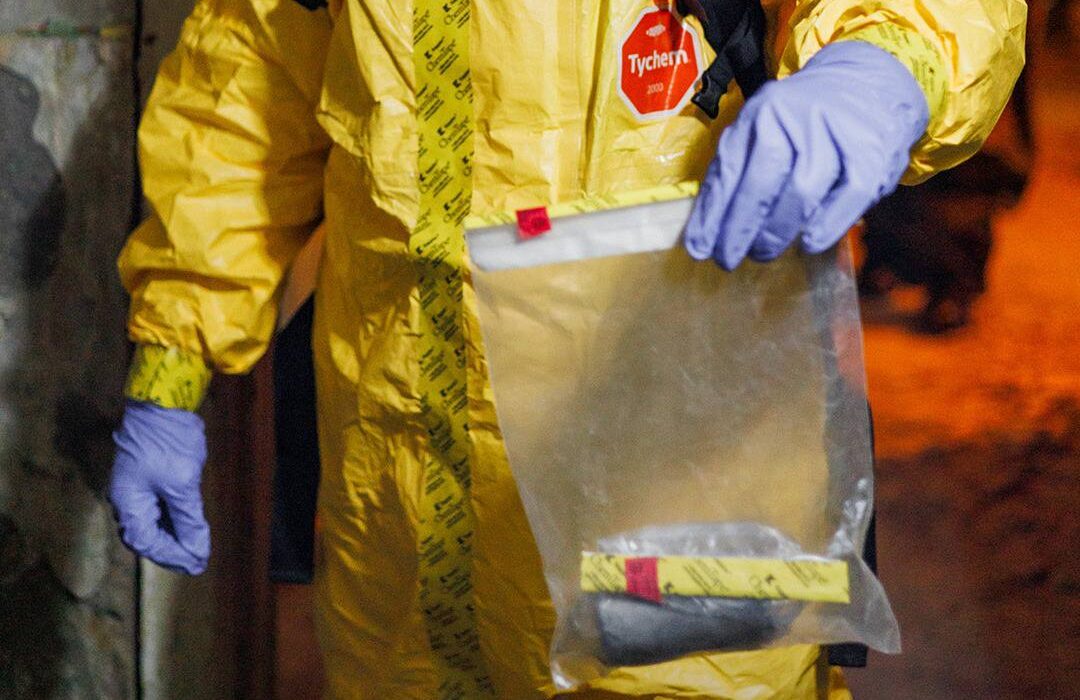
During January 2026, the enemy regularly used special munitions equipped with irritant chemical agents. In total, 224 cases of hazardous chemical substances being employed were recorded.
This was reported by the Command of the Support Forces of the Armed Forces of Ukraine on February 4.
It is noted that the enemy mainly used K-51 and RG-VO gas grenades filled with CS and CN chemical agents. These grenades are classified as riot control agents.
“Units of the Radiation, Chemical, Biological and Nuclear (RCBN) Defense Troops of the Support Forces of the Armed Forces of Ukraine are documenting instances of the use of hazardous chemical substances. Collected samples are being transferred for forensic examination,” the statement said.
The Command of the Support Forces emphasized that, in accordance with paragraph 5 of Article 1 of the Convention on the Prohibition of the Development, Production, Stockpiling and Use of Chemical Weapons and on their Destruction, the use of such substances as a method of warfare is prohibited.
CS and CN substances are officially used in some countries by law enforcement agencies exclusively in peacetime for policing purposes, particularly for crowd control, and only under strict compliance with established standards and restrictions.
These substances are not classified as lethal warfare agents, are not aggressive solvents capable of damaging equipment or personal protective gear, and are not intended to cause immediate fatal effects.
“However, under combat conditions, the use of CS and CN is illegal and dangerous. Their deployment on the battlefield is aimed at temporarily incapacitating servicemembers, violates international law, and poses a threat to the life and health of personnel of the Defense Forces of Ukraine,” the Command of the Support Forces noted.
These substances cause severe irritation of the mucous membranes of the eyes and respiratory tract, tearing, coughing, choking, disorientation, and temporary loss of combat capability.
In some cases, the symptoms described by servicemembers may partially coincide with the effects of other irritant chemicals, including riot control agents or mixtures of unidentified composition.
Overall, since the beginning of the Russian Federation’s armed aggression against Ukraine, more than 12,000 cases of hazardous chemical substances being used have been documented.