“It’s just a job”: the story of “Kola”, an operating nurse saving lives on the Novopavlivka axis

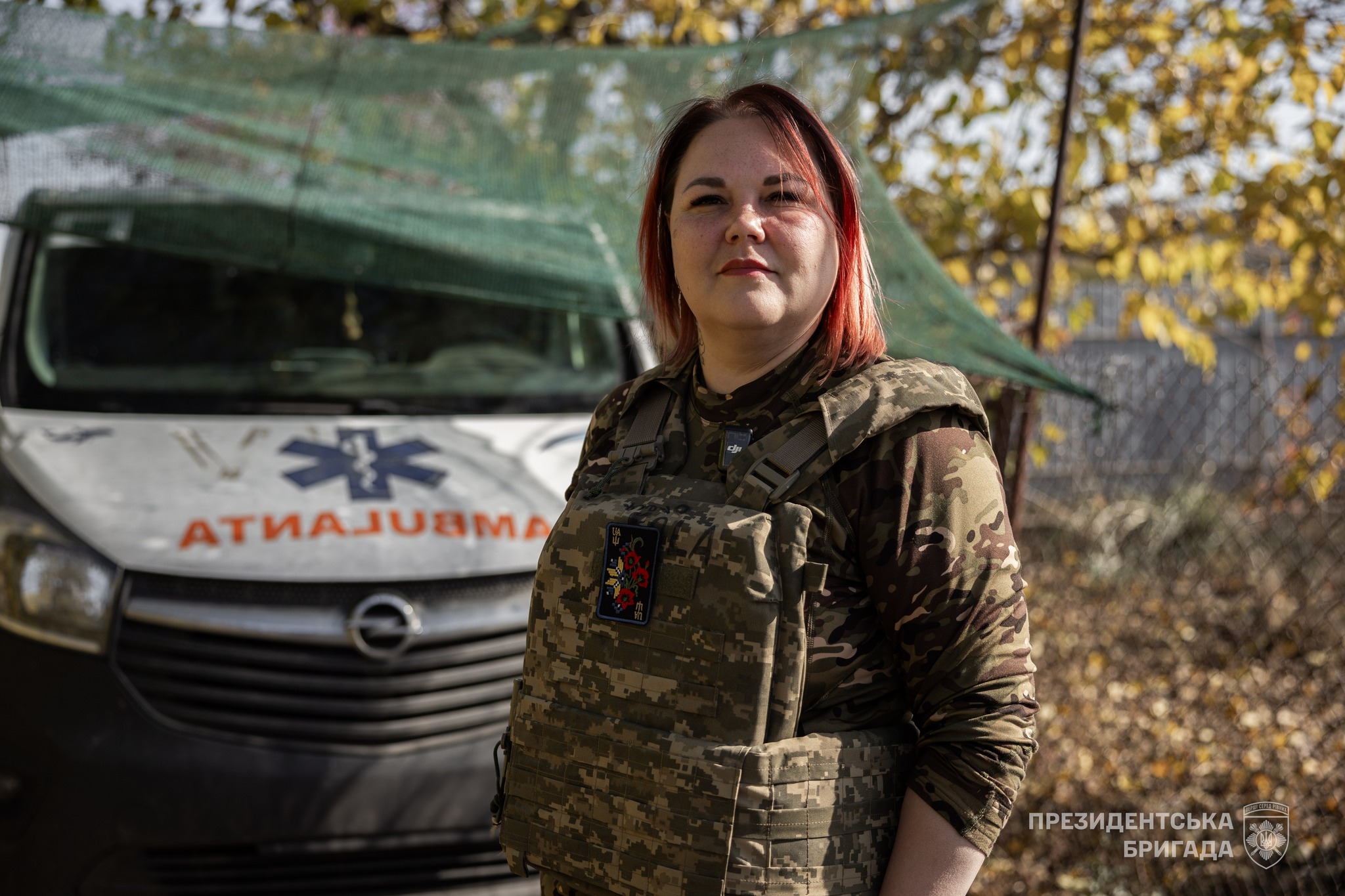
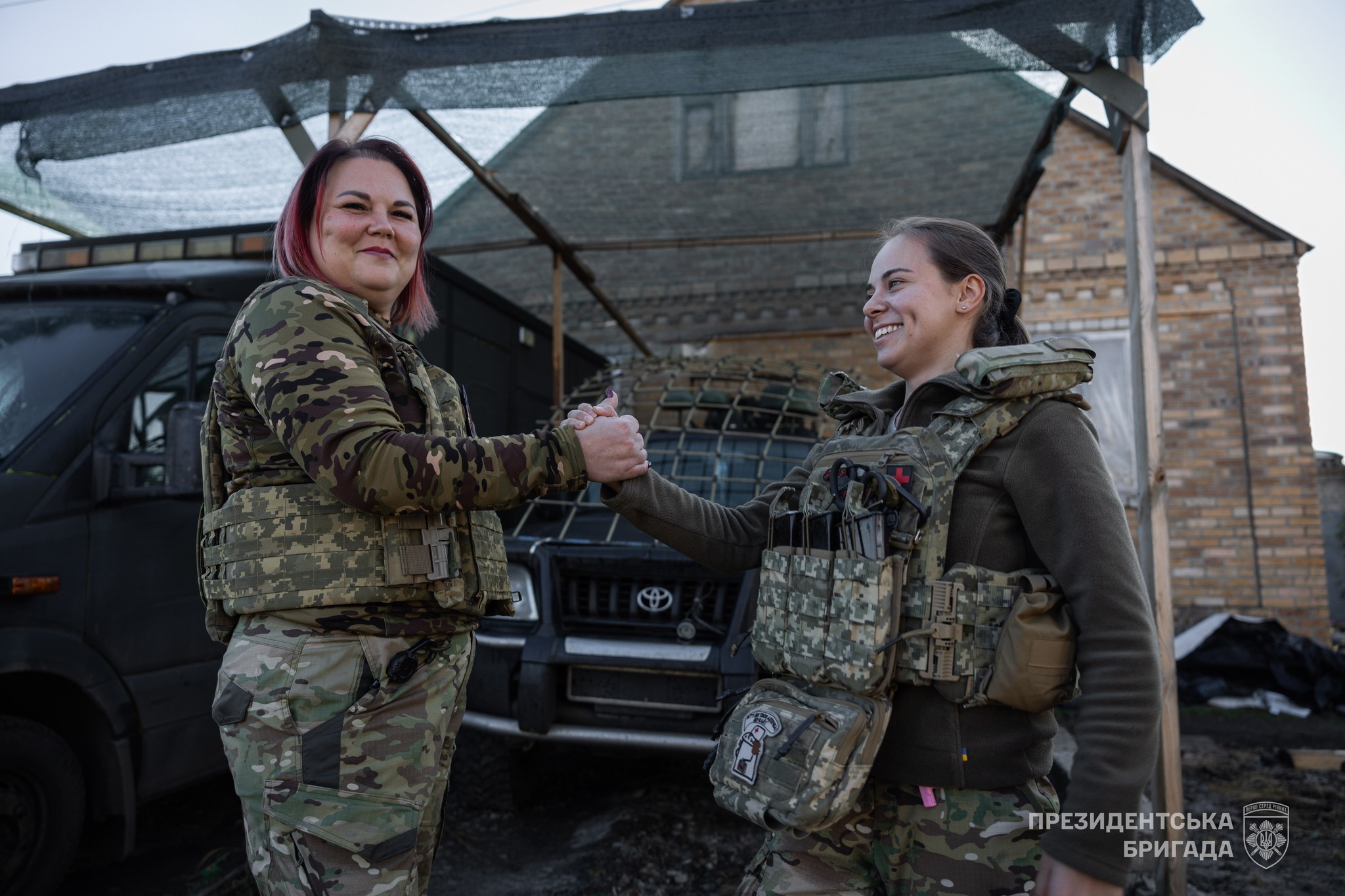
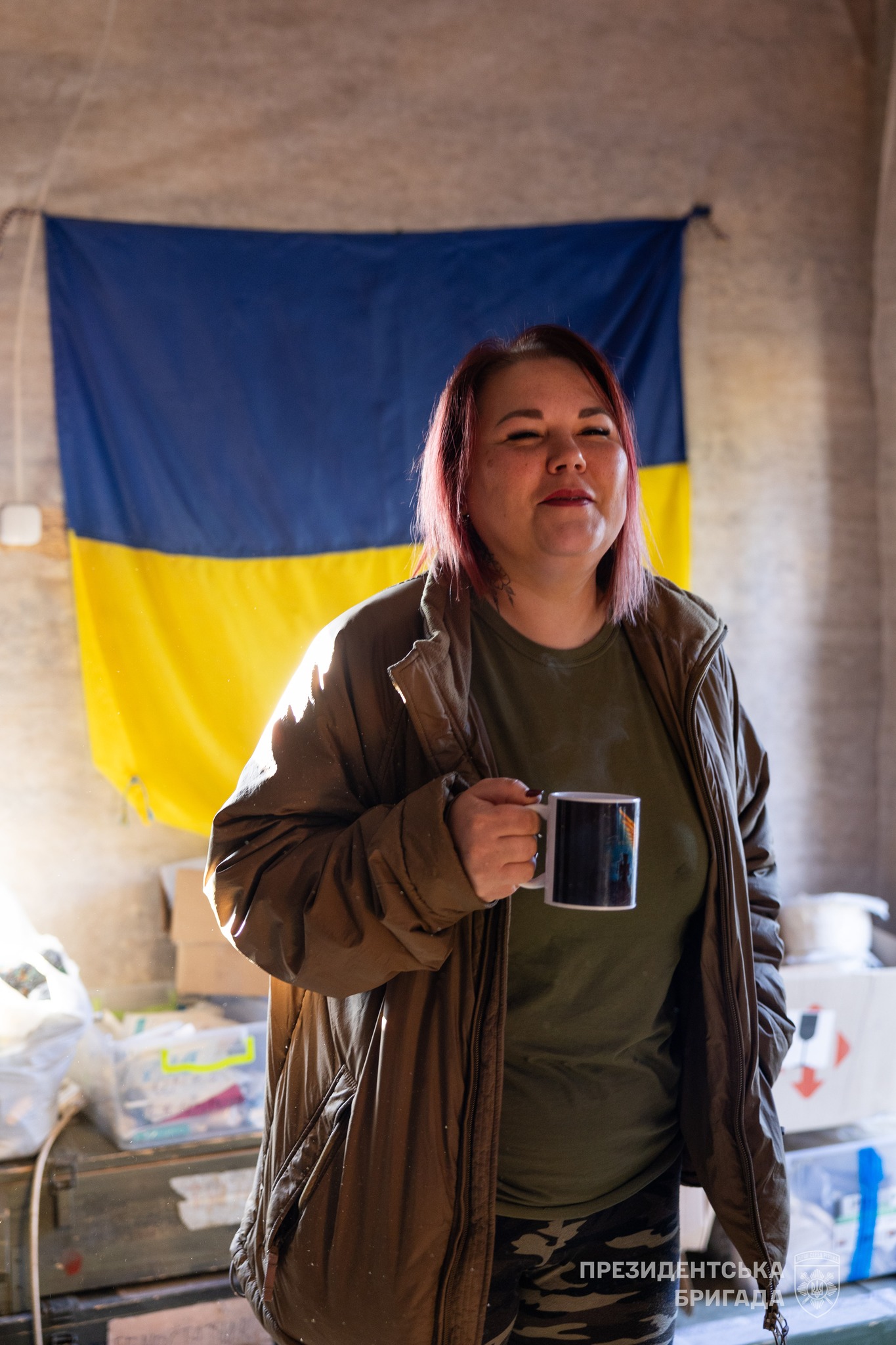
Olesia, known by the callsign “Kola,” is an operating room nurse with a mechanized battalion. She is currently working at a stabilization point on the Novopavlivka axis and shares her own experience of working under full-scale war conditions.
Her story was published on the page of the Separate Presidential Brigade named after Hetman Bohdan Khmelnytsky.
Until 2023, Olesia lived in Myrnohrad in the Donetsk region, where she worked as an operating nurse in an ENT department. When the situation in the city became dangerous, she moved to Kyiv and registered at the Territorial Recruitment Center as a medical worker. There she learned that her professional skills could be critically important at the front.
Working on the edge of time
“Kola” consciously chose to serve at a stabilization point — because, in her opinion, this is where her experience in the operating room can best serve to save lives.
“For the first month and a half I had ‘square eyes’. I had never seen so many severe injuries at the same time. In a civilian operating room you meet the patient in advance. Here you see them for the first time in the most extreme conditions”, — she recalls.
According to Olesia, the war has fundamentally changed her, teaching her emotional restraint — something essential for survival and effective work.
“At the ‘stabik’ you must switch off your emotions. You can’t let everything through yourself — that’s a direct path to burnout. I constantly repeat to myself: this is a job. Just a job”.



Losses that stay forever
Despite her professional composure, Olesia admits there are moments when it is impossible to keep emotional distance. One of the most painful for her was the death of her friend — strongman, Ukrainian and world champion, Sasha Bilokon.
“It was sudden and shocking. We saw each other at noon — talked, laughed… And already at six in the evening they came and said he was ‘two hundred.’ The hardest part was performing my duties: officially recording the death of someone close. It was incredibly painful”.
When asked what gives her the strength to keep working, Olesia answers without hesitation: personal loss and the sacrifice of her comrades.
“The enemy took everything from me: my home, stability, normal life. It’s a personal wound that doesn’t let me give up. But the biggest motivation is the guys. When you see the price they pay, you simply have no moral right to stop”.