He is a category 3 sergeant-manager of the recruiting group of the headquarters of the 95th Separate Air Assault Polissia…

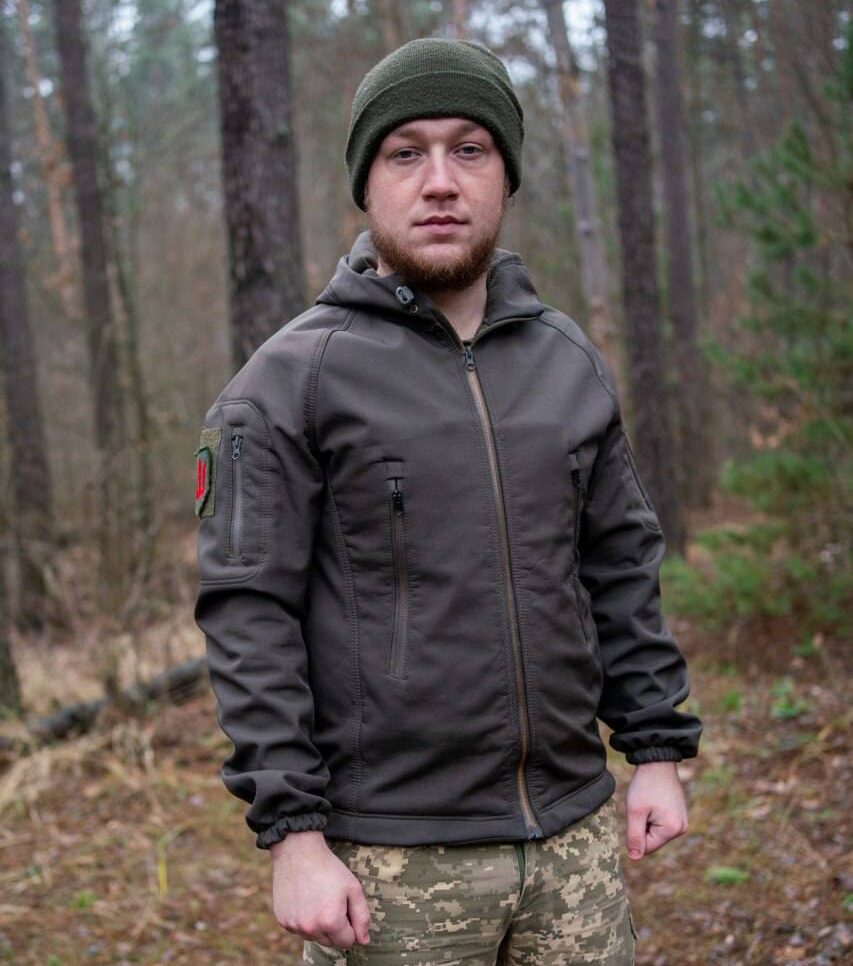
The deputy commander of a battery of the 1129th Bila Tserkva Air-Defense Missile Regiment, Volodymyr, is highly knowledgeable in air-defense matters.
The conversation with him was published on the regiment’s channel on December 8.
— In your opinion, what has changed in Ukraine’s airspace over the past two years?
— First, the number of weapons. There are now an order of magnitude more of them.
They can now stockpile them not over a week or two — if they haven’t struck Kyiv for two days, it means they already have more than a hundred. Second — technology. The sheer quantity exhausts air defense, and modernization makes these weapons even more complex: more precise equipment, additional warheads, better engines.
A camera on a Shahed is a trivial thing, but it transmits video. From one frame you can identify the area, and from a video — the unit, equipment, positions. Third — tactics. They change routes, altitudes, the number of groups. They try to bypass our positions.
— How do you assess the development of interceptor drones?
— For now, it’s very difficult. There is no automation. The operator comes up, loads it, launches it. After that — everything is manual: find, orient, chase, strike. Weather interferes. The battery limits time. It can be jammed. The enemy isn’t stupid either — they’ll set up EW, rear-facing cameras to see the pursuit. Until it reaches the level of “press a button — and the system itself lifts the drone, reaches the area, enters the target’s rear hemisphere at 500 meters” — it will be a long struggle.
— How do you see the development of short-range air defense in the next 5–10 years?
— I think the first step is strengthening regiments through short-range systems: Avenger, Stormer, and others. But if we speak about technologies specifically, we will move away from the idea of mobile-fire groups and shift to more precise systems — producing a large number of missiles, stockpiling them.
— And is that necessary if we can produce FPV interceptor drones?
— I don’t see an option without missiles. Missiles must exist regardless.
— Please tell us how you joined the military in the first place. How did it happen?
— I entered a military educational institution in 2019. I was 17 at the time.
— So you had just finished school?
— Yes.
— How did you choose where to apply? Which institution did you ultimately choose and why?
— I was choosing among all military universities, also considering the State Border Guard Service and the National Guard. The National Guard — because they said the support there was strong. The Border Guard Service — because acquaintances were going there. But in the end, I decided to choose something in military education. I wanted either artillery or air defense. They say the best technical specialists are either in artillery or air defense. Eventually, I chose Kharkiv National University.
— You mentioned choosing between artillery and air defense. Why did you eliminate artillery?
— Well, I eliminated artillery because I considered that its further development lies only in improving accuracy and increasing range. That’s the only dimension it can develop in. In the case of air defense, aerial targets will not change. In ten years, physics will not change. Not in a hundred, not in a million years. Aircraft flew and will continue to fly. But the means used to destroy them — those are the ones that change. And there are many more characteristics through which they can evolve. I chose the branch, the specialty, the profession in which innovation has not ended and will continue. It’s a more innovative advantage. It will all keep developing. As the war has shown, that is exactly what happened. Despite aircraft not changing, new air-attack weapons were added.
— And lastly. How do you see your life after the war? What will you do?
— I plan to stay in the military. This is my specialty, I chose it consciously, and it will only continue developing. Air defense is where innovation never stops. After the war there will be even more work: restoration, modernization, new systems, new approaches. I want to work in my profession and develop what we are now building in combat.
@armyinformcomua

If you feel like a warrior, your path is constant struggle. It is service despite danger, doubt, and exhaustion.
“Two months ago, a young man came to us wanting to sign a contract, but he was still under 18. Yesterday was his birthday. Today he signed his contract with us”, — says Junior Sergeant Andrii Yendrizhyievskyi.
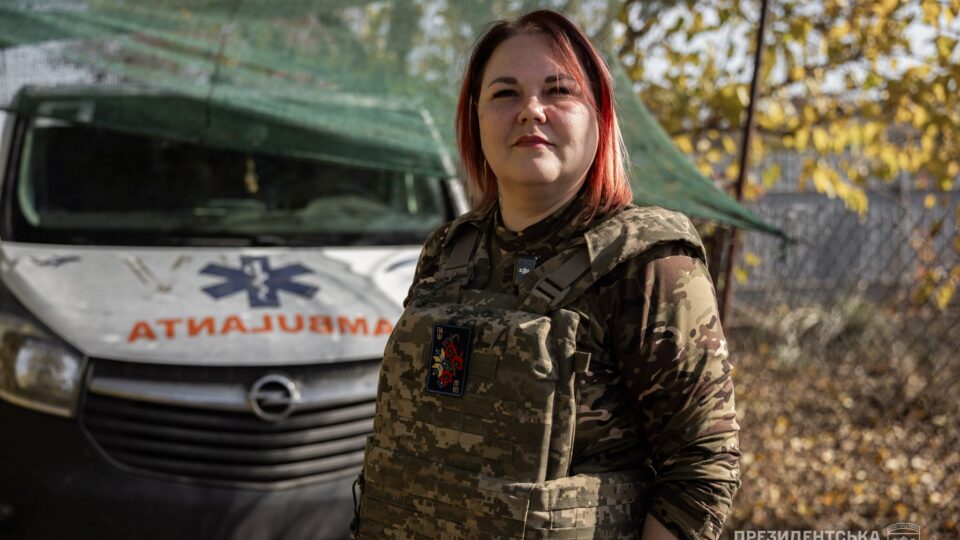
Olesia, known by the callsign “Kola,” is an operating room nurse with a mechanized battalion. She is currently working at a stabilization point on the Novopavlivka axis and shares her own experience of working under full-scale war conditions.
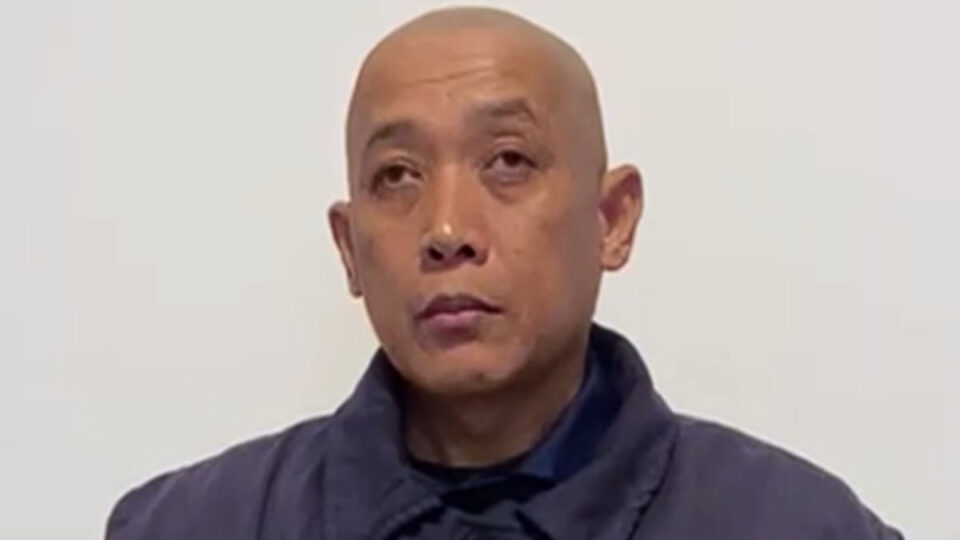
Ukrainian soldiers have captured a citizen of the Philippines who was fighting in the ranks of the Russian armed forces. The man became a victim of Russian recruiters who concealed the actual involvement of foreigners in the war against Ukraine behind promises of “high-paying jobs”.

The Pechenihy dam has long been the target of systematic Russian attacks. The enemy has attempted to strike it with Iranian Shaheds, KAB aerial bombs, missiles of various types, Molniya munitions, and FPV drones.
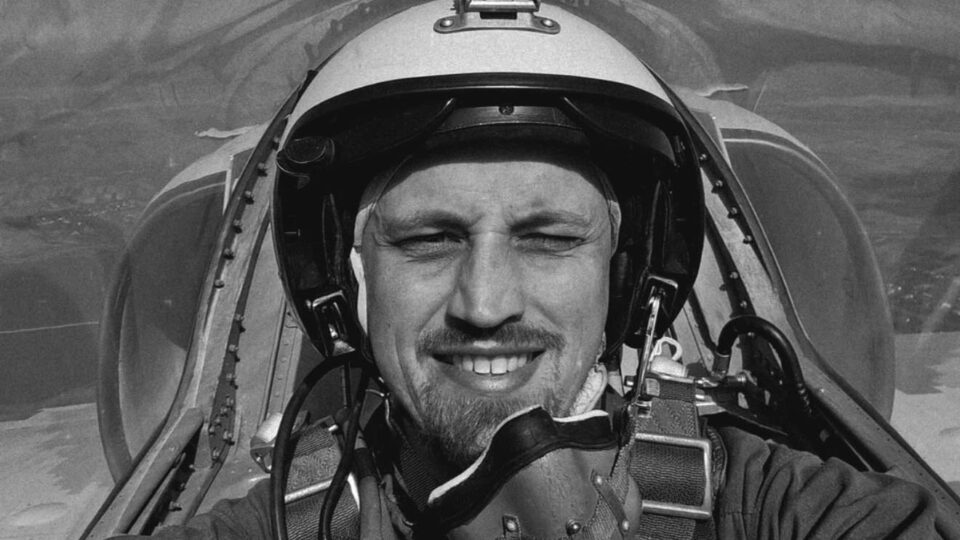
Second-class pilot, Lieutenant Colonel Oleksandr Borovyk of the 39th Tactical Aviation Brigade, was awarded the highest title of Hero of Ukraine with the Order of the Gold Star (posthumously), in accordance with the Presidential Decree of Ukraine №896/2025 dated 05 December 2025.
He is a category 3 sergeant-manager of the recruiting group of the headquarters of the 95th Separate Air Assault Polissia…