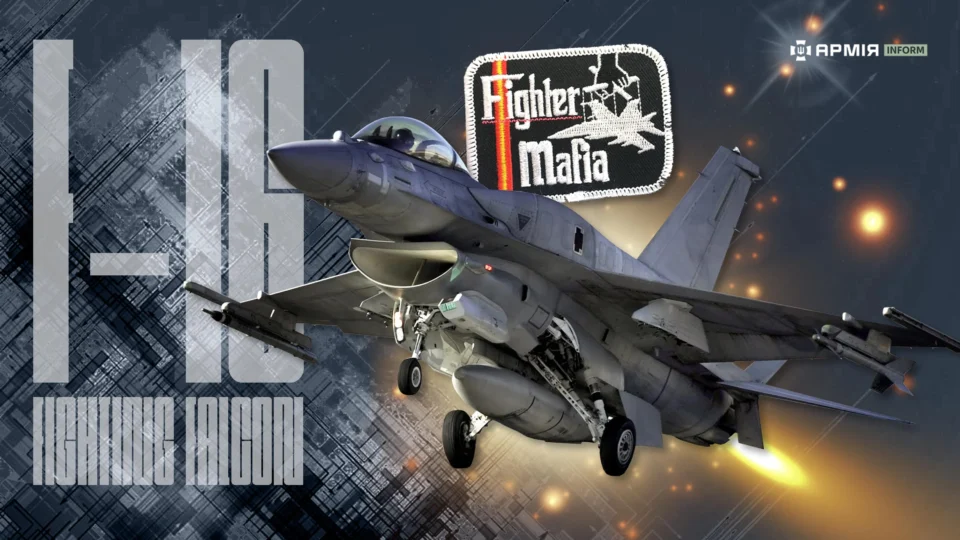
A small group of officers and analysts challenged the dominant doctrine of heavy aircraft and proved that the future of…

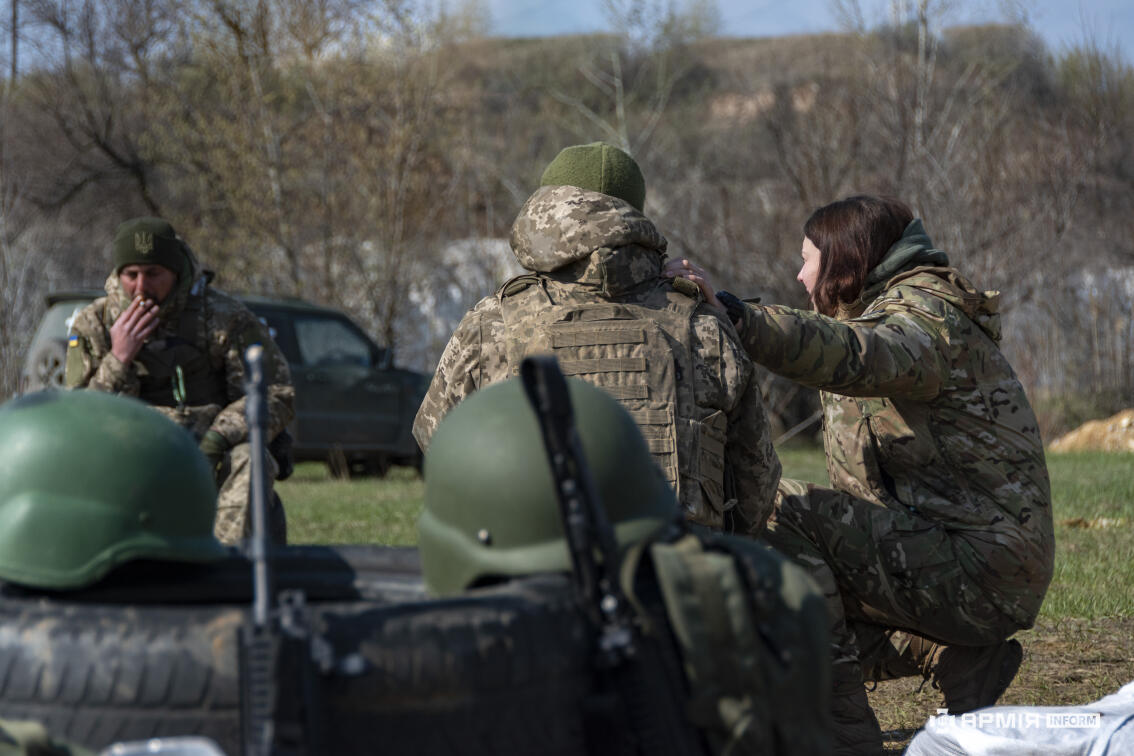
His path to Ukraine began with volunteer programs. At first, he worked with an American NGO that trained civilians and soldiers in TCCC.
Later, he joined the French army reserves, where he received basic infantry training. And now he teaches social psychology, including to Ukrainians.
ArmyInform spoke with a French psychologist about his combat experience and importance of social psychology during the war.
The full-scale invasion of 2022 became a turning point. Watching Russian tank columns advancing on Kyiv, he recalls: “At that moment you understand — it’s not only about Ukraine. It’s Europe. It’s our home”. That conviction pushed him to the frontline.
He served a few months with Ukraine’s 66th Brigade near Slovyansk. The experience was harsh: a lack of promised heavy weapons, improvised defenses against FPV drones, and minimal rest between missions. “We were told we would get an MK-19, but in the end we just dug holes in the ground and tried to camouflage ourselves from drones,” he says.
Ukraine also revealed to him how far Western armies lag behind. In the French reserves, soldiers still use rifles from the 1970s, with almost no training in drones or fortifications. “We weren’t even taught how to dig positions, let alone defend against FPVs. Here, in Ukraine, you can’t survive without it,” he explains.
He became convinced that psychology and influence work could sometimes matter more than outdated tactics.
Today, he lectures in universities in Kyiv and in workshops for soldiers and civilians. His focus is social psychology, a discipline born during World War II, when émigré scholars helped the U.S. Army counter Nazi propaganda and design influence operations.
“We face the same problems now with Russian propaganda,” he says.
The first lesson of his course: people rarely act the way they claim. He cites an American study: “In California, households were urged to save electricity. People assumed the best message would be saving money. But the only thing that worked was: your neighbors are already doing it. We unconsciously follow the group.”
In war, these principles become critical. A hotline campaign may bring in 200 Russian surrenders a month. Apply tested psychological models, and that number could double. Recruitment, morale, desertion prevention — all can improve when shaped by social norms. “Small effects add up. In a war of attrition, compounding matters,” he explains.
To show the universality of social norms, he tells the story of Kurt Lewin, a German émigré who during WWII was tasked with convincing American housewives to cook organ meat, since prime cuts went to soldiers. Standard lectures worked for just 15 percent. But when women were asked in groups to raise their hands and commit publicly, the acceptance rate multiplied fivefold.
“Organ meat, electricity saving, desertion prevention, counter-disinformation — the principle is the same: group influence works,” he says.
Russia invests billions in multichannel propaganda — TV, culture, religion, academic networks, and political groups in Europe. “They flood society with signals on many levels. That’s what makes them effective,” he notes.
Ukraine must respond with equal breadth: not only online messaging, but narratives reinforced through culture, education, religion, and everyday life. At the same time, citizens should be “inoculated” against disinformation: with apps that provide counter-arguments, with social media labels such as “Have you read this article?” that slow down impulsive sharing.
For him, this is the decisive front. “Guns win battles, but psychology shapes wars. If we can explain better, persuade better, and protect people from propaganda, it may be as important as any new weapon.”
@armyinformcomua

Oleh Dashchenko had a unique profession for Ukraine — he was a rice breeder.
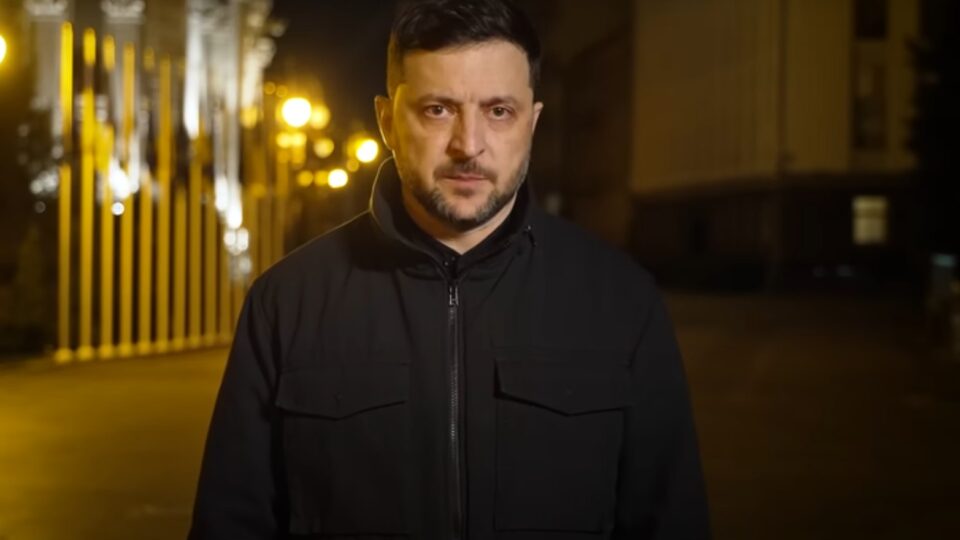
President of Ukraine Volodymyr Zelensky reported that Kyiv is preparing a new round of talks in the United States.
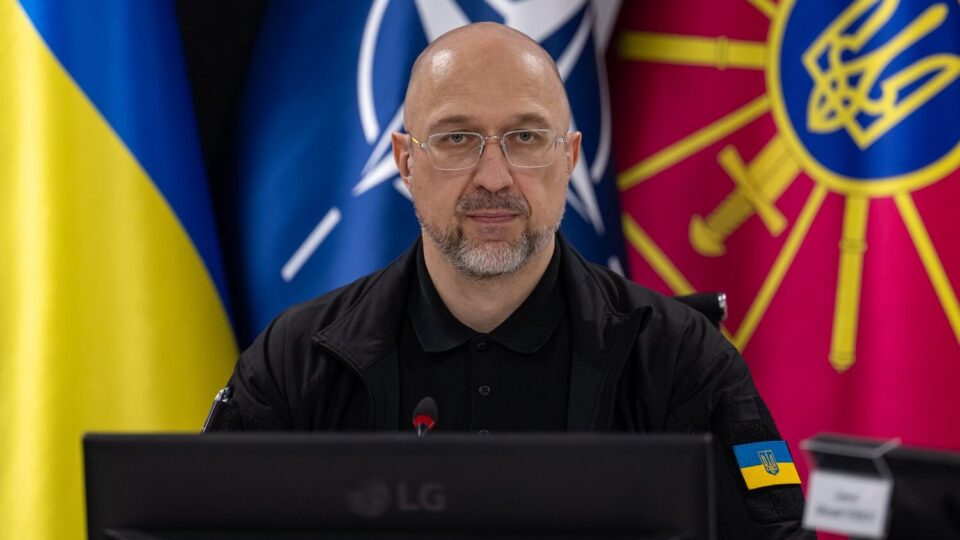
Ukraine is moving toward a systemic renewal of the governance of defense companies. Starting January 1, the State Logistics Operator and the Defense Procurement Agency will be merged into a single enterprise with a new supervisory board.
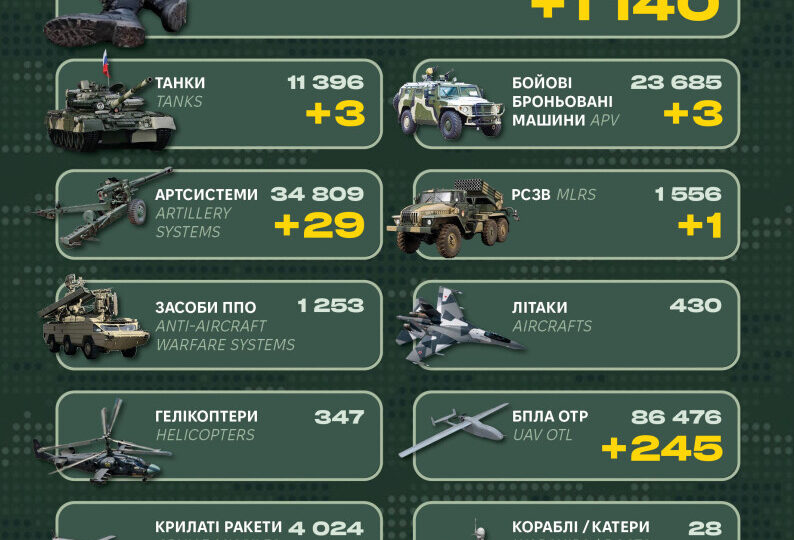
Over the past day, Russian invaders lost 1,140 military personnel killed and wounded.
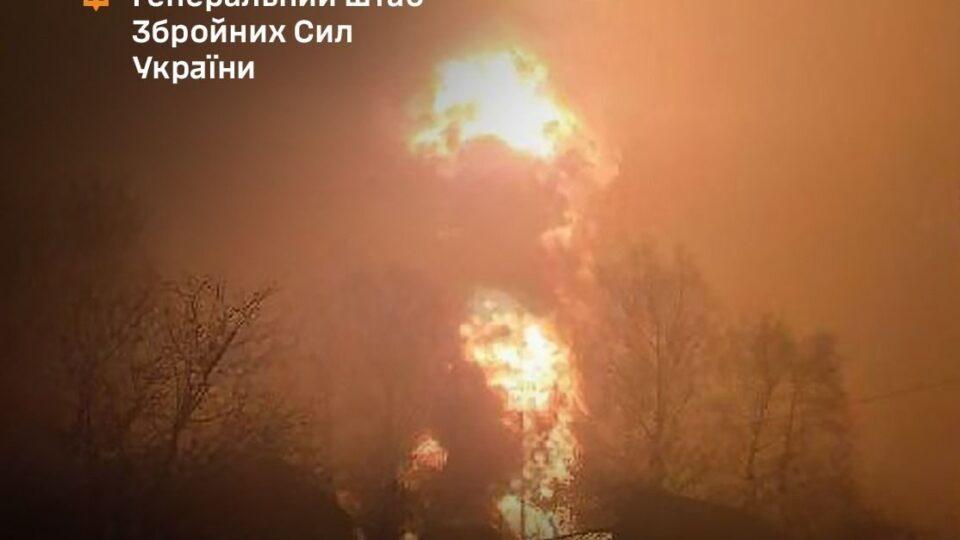
As part of reducing the offensive potential of the Russian aggressor, during the night of December 3, units of the Ukrainian Defense Forces struck the “Dmitriyevskaya” oil depot in Russia’s Tambov region.
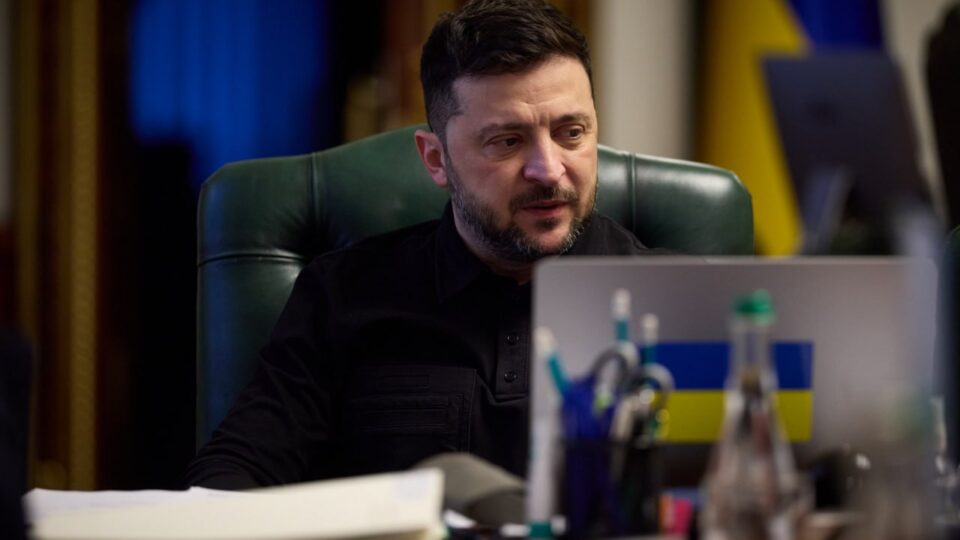
Volodymyr Zelensky instructed Ukraine’s Minister of Defence Denys Shmyhal to carry out an urgent overhaul of supervisory boards in the defence sector.
A small group of officers and analysts challenged the dominant doctrine of heavy aircraft and proved that the future of…