Hunting Jet-Powered Shaheds: How the Rapid Ranger Air Defence System Operates in Ukraine

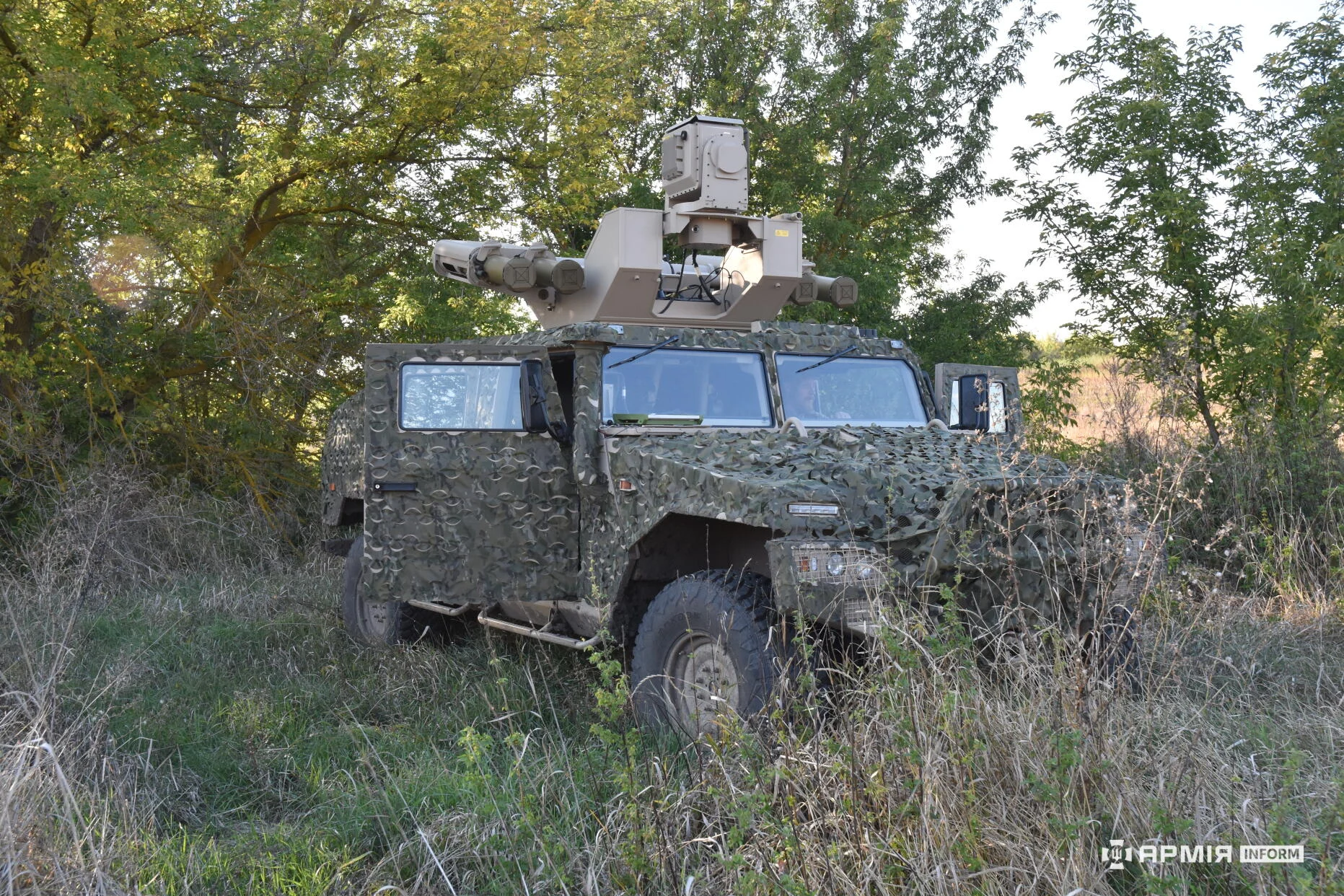
A Rapid Ranger air defence crew from the 1030th “Aquila” Anti-Aircraft Missile and Artillery Regiment has already shot down enemy jet-powered drones.
The crew operates as part of the 3rd Army Corps.
Taking down aerial threats
“This equipment performs extremely well and has strong capabilities against aerial threats. Rapid Ranger can handle conventional Shaheds, jet-powered drones and other types of targets. It can even shoot down Russia’s UAV Banderol.
“But every interception requires the entire team to work together. From detection to target acquisition, every step must be executed perfectly for the mission to succeed. The biggest challenge is detecting the target in time,” says the crew commander, callsign “Turok”.
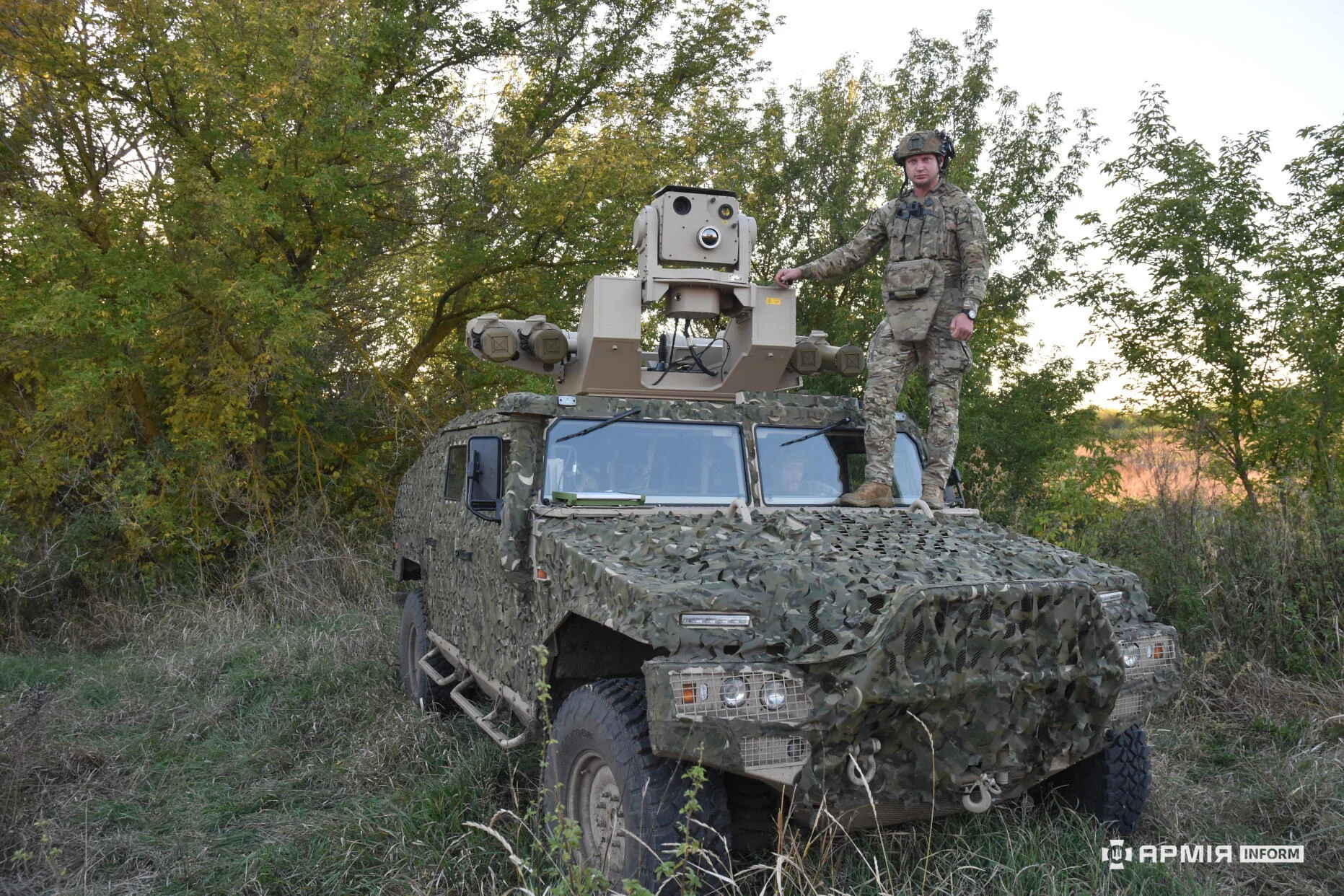
Rapid Ranger is equipped with electro-optical surveillance systems providing 360-degree coverage. Its observation range can reach 15 kilometres.
“We start by detecting the target acoustically. It works a little differently with jet-powered targets. But usually, acoustic detection comes first. The operator then spots the target visually and acquires it. We contact the command post, clarify the details and receive clearance to engage,” Turok explains.
The operator, callsign “Senator”, says the missile can be guided automatically, but guiding it all the way to the target is more reliable.
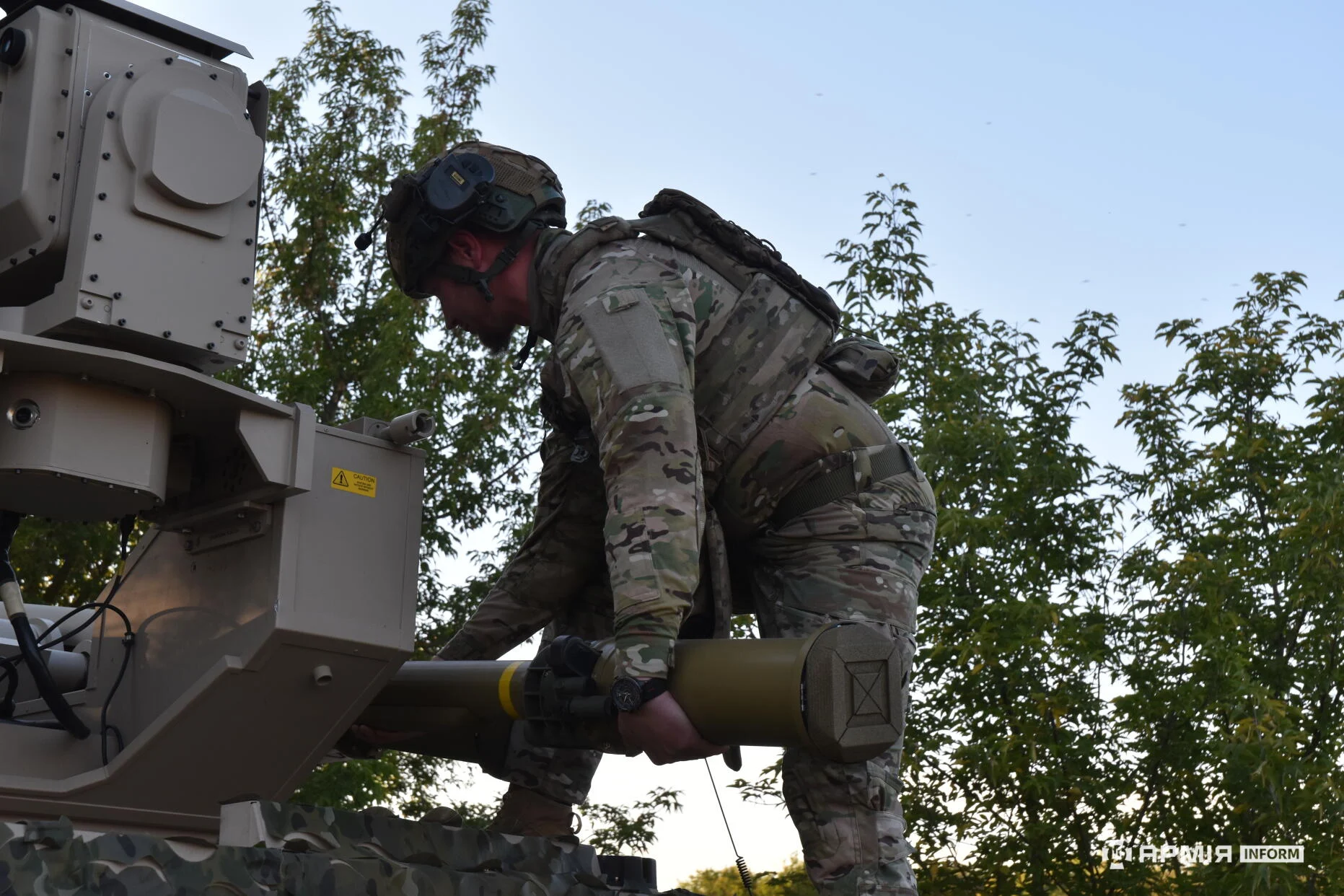
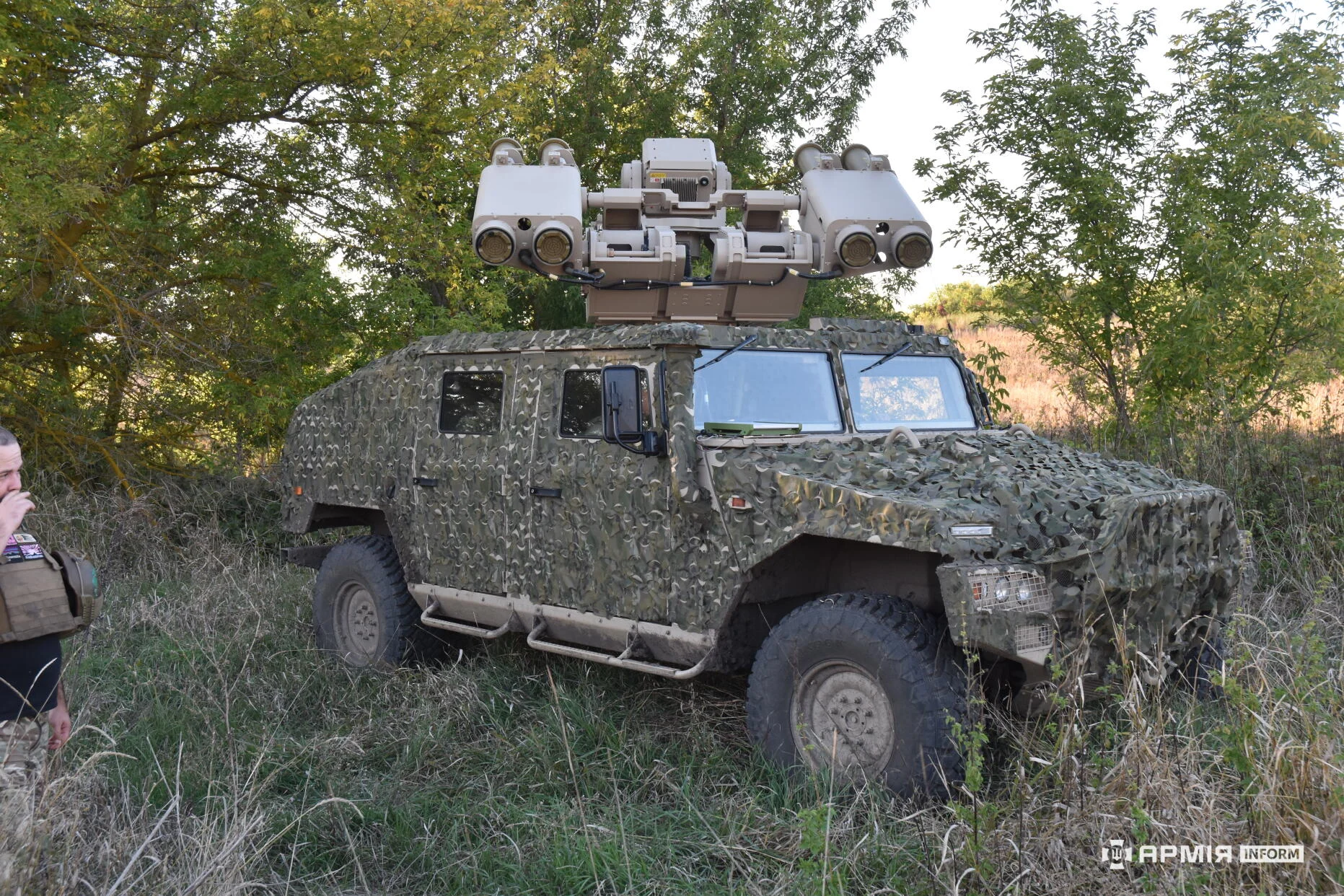
The system uses LMM missiles, which are widely deployed around the world. Each missile weighs approximately 13 kilograms, with four mounted on pylons above the cab. They can engage targets at ranges exceeding 7 kilometres.
A Spanish-built platform
Rapid Ranger is mounted on a Spanish URO VAMTAC tactical off-road vehicle, capable of reaching 135 km/h.
“It’s a very reliable vehicle with good handling and off-road capability,” says the crew’s driver, callsign “VDV”.
We watched the vehicle negotiate steep descents and climbs with ease. This is particularly important in mobile warfare, where the hunter can become the target.
Rapid Ranger has proved such a problem for Russian forces that they go to great lengths to strike the air defence system.
They often use a jet-powered drone as bait, hoping to lure the Ukrainian crew into a firing position. A Zala reconnaissance drone and Lancet attack drones follow behind it. In these circumstances, the crew has to withdraw to cover and wait out the threat. A powerful, reliable vehicle is therefore essential.
A race against the clock
Given the speed of Russian jet-powered drones and the range of Rapid Ranger’s missiles, the crew has very little time to make a successful shot.
“How long does a Shahed stay within our engagement envelope? It varies, because jet-powered Shaheds fly at different speeds. But one thing I can say is that everything happens very quickly. From the moment a target enters our engagement zone until it leaves, we have only seconds. We work 24/7 and are constantly engaged in combat operations,” Turok says.