Pyongyang’s Ballistic Missiles, Piece by Piece: Defence Intelligence Shows Japanese Delegation DPRK Missile Components

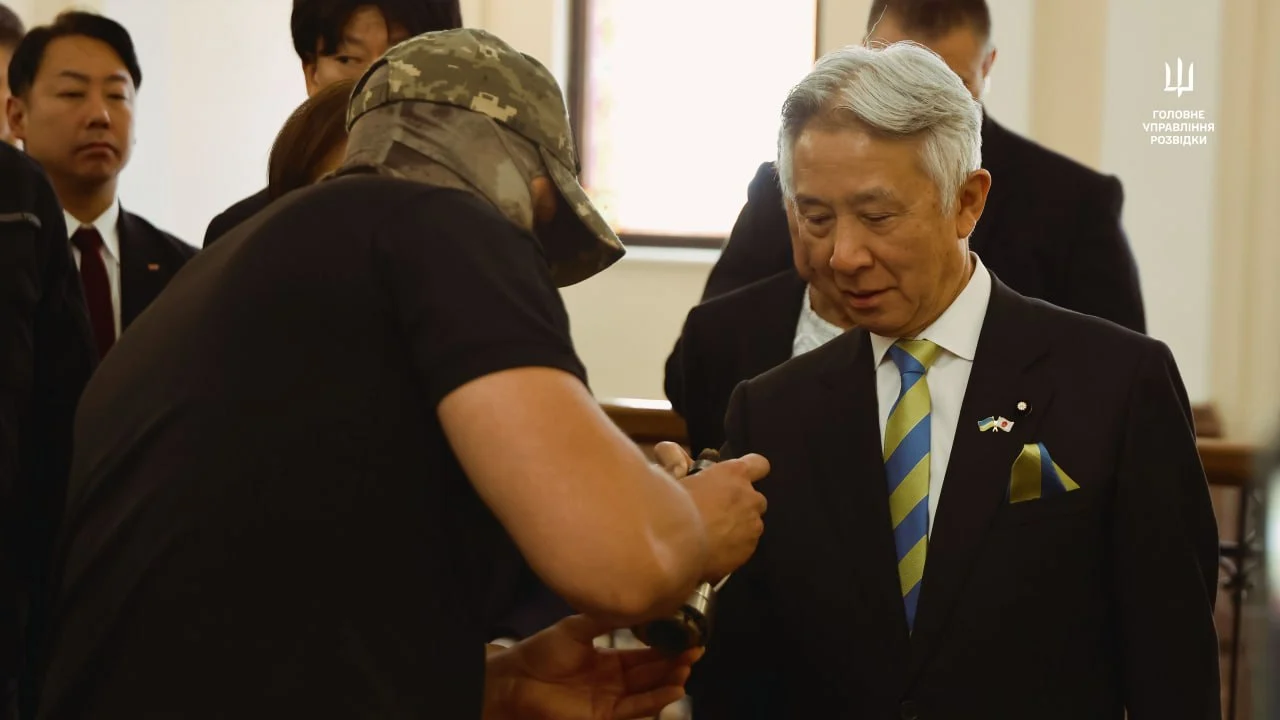
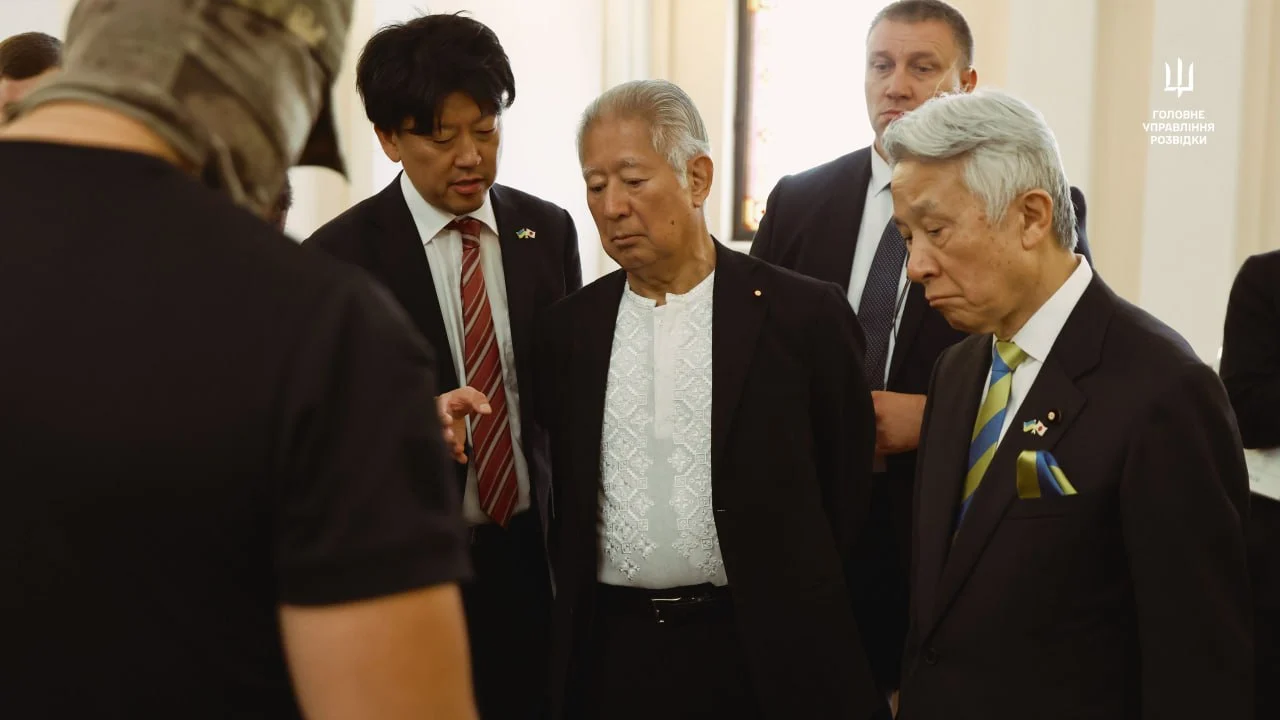
A Japanese delegation has been shown components of a North Korean ballistic missile that Russia is using against Ukraine, Defence Intelligence specialists say.
The Defence Intelligence of Ukraine’s Ministry of Defence reported this.
The components were shown to Eisuke Mori, Speaker of Japan’s House of Representatives, and to members of the Japanese delegation visiting Kyiv.
Eisuke Mori has chaired Japan’s House of Representatives since February 2026.
The Defence Intelligence explained that studying such parts makes it possible to assess the missile’s technical characteristics and design features, as well as the capabilities of North Korea’s military industry.
For Japan, this information is of particular significance. Military intelligence stresses that North Korean weapons pose a threat not only to Ukraine but also to states in the Asia-Pacific region.
Cooperation between Moscow and Pyongyang works both ways: Russia gains additional weapons for its war against Ukraine, while the DPRK gains an opportunity to build up its military potential and refine its weapons.
That is why, in the Defence Intelligence’s assessment, sharing intelligence between partners remains one of the important lines of response — in particular information on the design, components and capabilities of North Korean systems.
Russia is already using ballistic missiles obtained from the DPRK against Ukraine. As ArmyInform reported earlier, the missiles handed over by Pyongyang include the KN-23 and KN-24. After examining their debris, the Ministry of Defence noted that these missiles have design features of their own and are not simply copies of Russia’s Iskander.
In August, President of Ukraine Volodymyr Zelenskyy reported that Russia had received additional ballistic missiles from North Korea and was preparing to use them against Ukraine.
That same month, Defence Intelligence representative Andrii Cherniak said Moscow was also negotiating with Pyongyang on a new package of military assistance, including more powerful KN-30 ballistic missiles.
The Defence Intelligence stresses that countering military-technical cooperation between Russia and the DPRK requires coordinated action by partners, since the consequences of that cooperation extend to security far beyond Ukraine.