Defense Minister with Combat Experience: Reactions to Yevhen Khmara’s Appointment

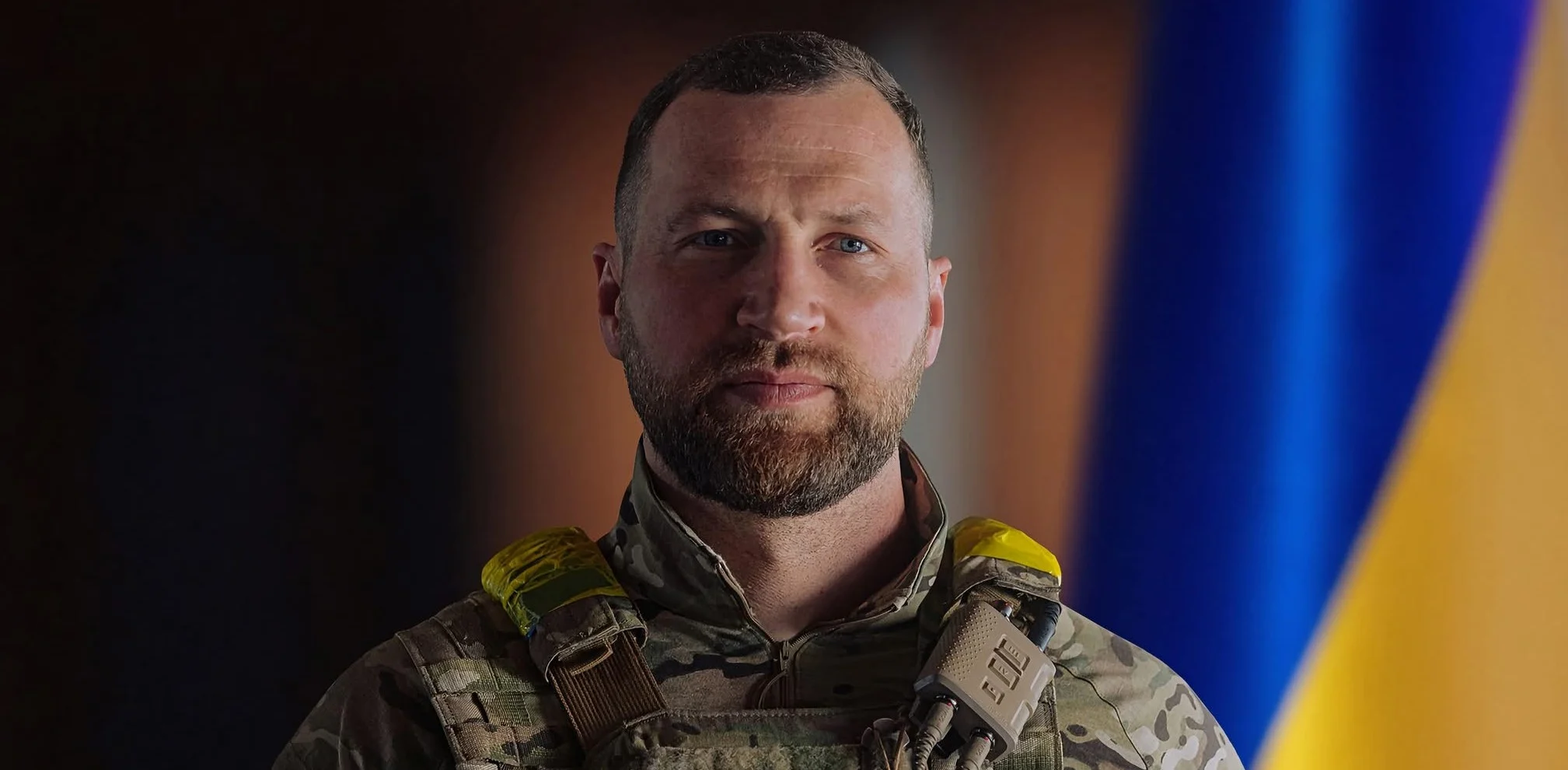
On August 19, Ukraine’s Parliament approved Yevhen Khmara’s appointment as Minister of Defense.
Yevhen Khmara is the first Minister since the beginning of the full-scale invasion to have real combat experience, management education, and experience across all levels of command.
Before his appointment as Minister of Defense, Yevhen Khmara completed the National Defence University of Ukraine’s “Higher-Level Strategic Management and Public Policy Course (L-5).”
Before moving to the Ministry of Defense, Yevhen Khmara served as Acting Head of the Security Service of Ukraine. He was appointed to the position on January 5, 2026.
Previously, Khmara headed the SBU’s Special Operations Center “A,” better known as “Alpha.” He was appointed head of the unit on August 25, 2025.
Colleagues describe the new Minister of Defense as a person who prioritizes people’s integrity, professionalism, and willingness to learn.
ArmyInform has collected public comments from the military community about Ukraine’s new Minister of Defense.
President Volodymyr Zelenskyy:
“I am grateful to the parliamentarians for supporting Andrii Sybiha as Minister of Foreign Affairs of Ukraine and Yevhen Khmara as Minister of Defense of Ukraine. The tasks for both ministers are absolutely clear: Ukraine needs more strength. And there will be more. Glory to Ukraine!” — the President wrote on social media following Yevhen Khmara’s appointment as Minister of Defense.
Historian, journalist, and servicemember Vakhtang Kipiani:
“Yesterday, during the farewell ceremony for Yevhen Konovalets, there was an interesting episode. Yurii Yuzich said that Yevhen Khmara, commander of the SBU’s ‘Alpha’ group (appointed Minister of Defense just a few dozen minutes earlier), approached a group of Plast scouts from a unit named after the colonel and thanked the organization for raising patriots. The quote was: ‘many good guys are serving in the service.’ Not every general is capable of speaking about their subordinates this way, and not everyone realizes that a reserve needs to be prepared — and Plast is doing this,” Kipiani wrote.
Volunteer and public figure Serhii Prytula:
“Congratulations to Yevhen Khmara on his appointment as Minister of Defense of Ukraine. Thank you for the constructive cooperation, for trusting our foundation’s team, and for being clear when ‘assigning tasks.’ Strength, inspiration, and success to you, Major General!” — he wrote on Facebook.
Member of Parliament, servicemember, Senior Sailor of the Special Operations Forces of the Armed Forces of Ukraine Roman Lozynskyi:
“My vote was for the Minister of Defense. 312 votes were in favor. A constitutional majority. General Khmara is one of the most deserving officers. A country cannot be without a full-fledged Minister of Defense during wartime. An acting minister is a weak position for the state. Khmara is clearly a much better decision than the new candidates who were being discussed for this position… Khmara’s success and the success of the Ministry of Defense team are the country’s success. This is a chance for survival and victory. A chance for peace,” — he wrote on Facebook.
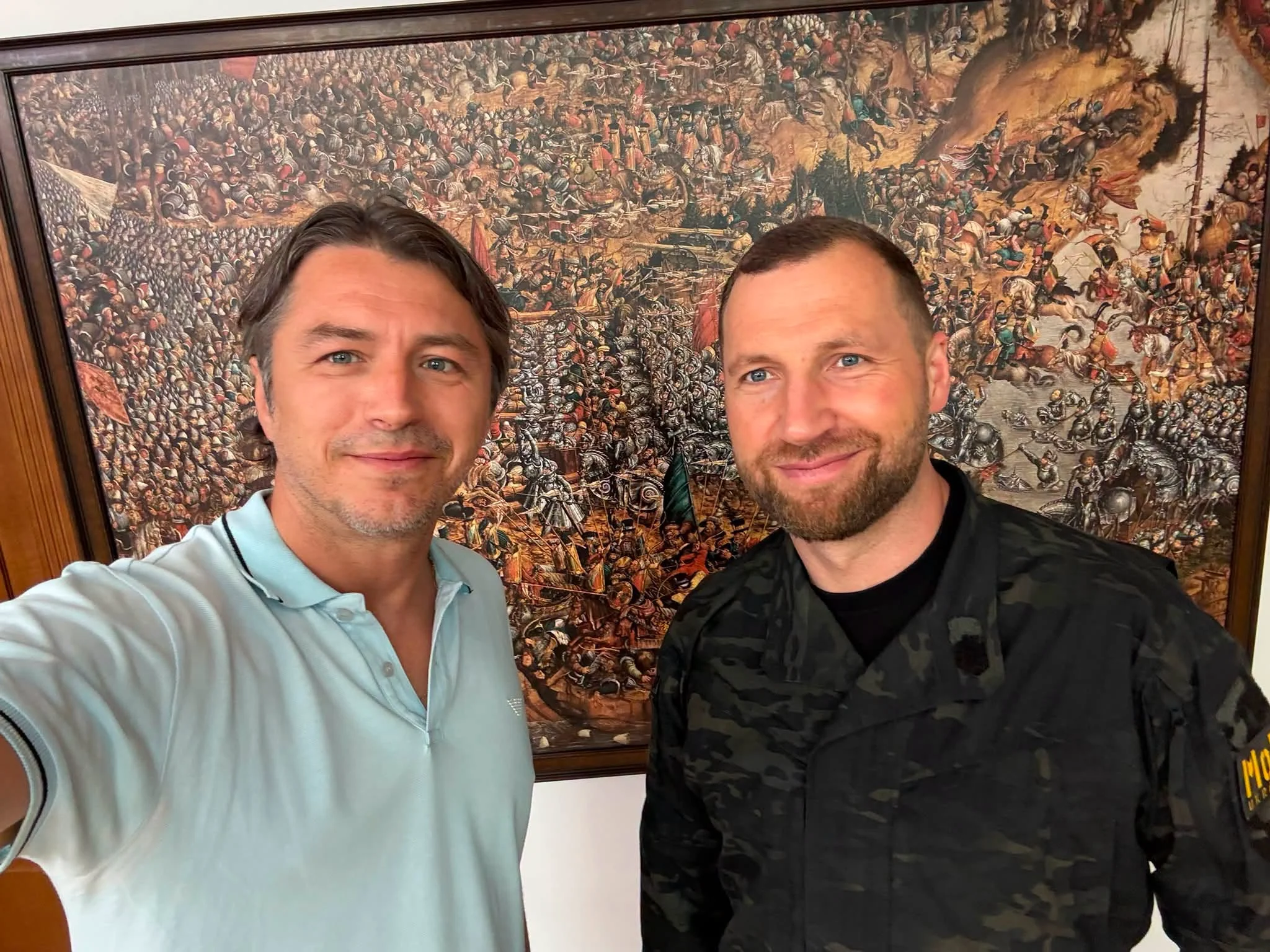
Roman Kostenko, Secretary of the Verkhovna Rada Committee on National Security, Defense and Intelligence, SBU Colonel, who previously held leadership positions at the SBU’s Special Operations Center “A” (“Alpha”):
“The fact that he (Khmara — ed.) is a professional is a fact. The fact that he will get up to speed quickly is a fact. He served in the Armed Forces himself: he graduated from a military university and later served in the National Guard (at the Omega Special Operations Center — ed.), so he understands what service is.
But the Ministry is a strategic-level institution, and he now has a lot to figure out: what was done before him, what reforms were launched by the previous minister, conduct an audit of them for himself, and then make decisions…
One of the main functions of the Ministry of Defense of Ukraine is to formulate the country’s defense policy. In my opinion, this is what needs to be addressed first. It is also necessary to understand how the Ministry of Defense operates and how it interacts with the General Staff, the State Special Transport Service, and the Defense Intelligence of Ukraine. There is a lot of work to do — necessary work.”
“Khmara is a professional general, an officer. I think everything will work out for him,” Roman Kostenko said during an interview with NV.
“People-centeredness is important to him (Khmara — ed.) in every area. He personally knows every wounded soldier, helps and supports them, and supports the families of those killed… Yevhen is quite respected within the security services; all the heads of the agencies know him. He communicates with partners, which is also important. The parliamentary committee knows him and has a good working relationship with him,” Roman Kostenko said in comments to the BBC.
Taras Chmut, Head of the Come Back Alive Foundation and veteran:
“He (Khmara — ed.) is highly respected in the military community, at Special Operations Center ‘A,’ and among partners. I have never heard anything bad about him from anyone. That is a fact,” Taras Chmut said in an interview with Ukrainska Pravda.
As ArmyInform reported, on July 22, Yevhen Khmara met with Commander-in-Chief of the Armed Forces of Ukraine Major General Mykhailo Drapatyi. They agreed that Ukraine would focus on long-range strikes, robotic systems, and other technologies to increase pressure on russia while preserving the lives of Ukrainian servicemembers.
“Ukraine will continue its strike and technological pressure on russia by all available means… We must scale up what we are already effective at: deep strike, middle strike, ground robotic systems, and other solutions that save the lives of our soldiers and inflict maximum damage on the enemy,” Yevhen Khmara said.
According to him, the first decisions of the new military leadership should strengthen the front, increase support from international partners, and move combat operations as much as possible onto the territory of the aggressor state.