A Baby Patriot: The US Unveils Plans for a Smaller, Cheaper Version of Its Sophisticated Missile Interceptor

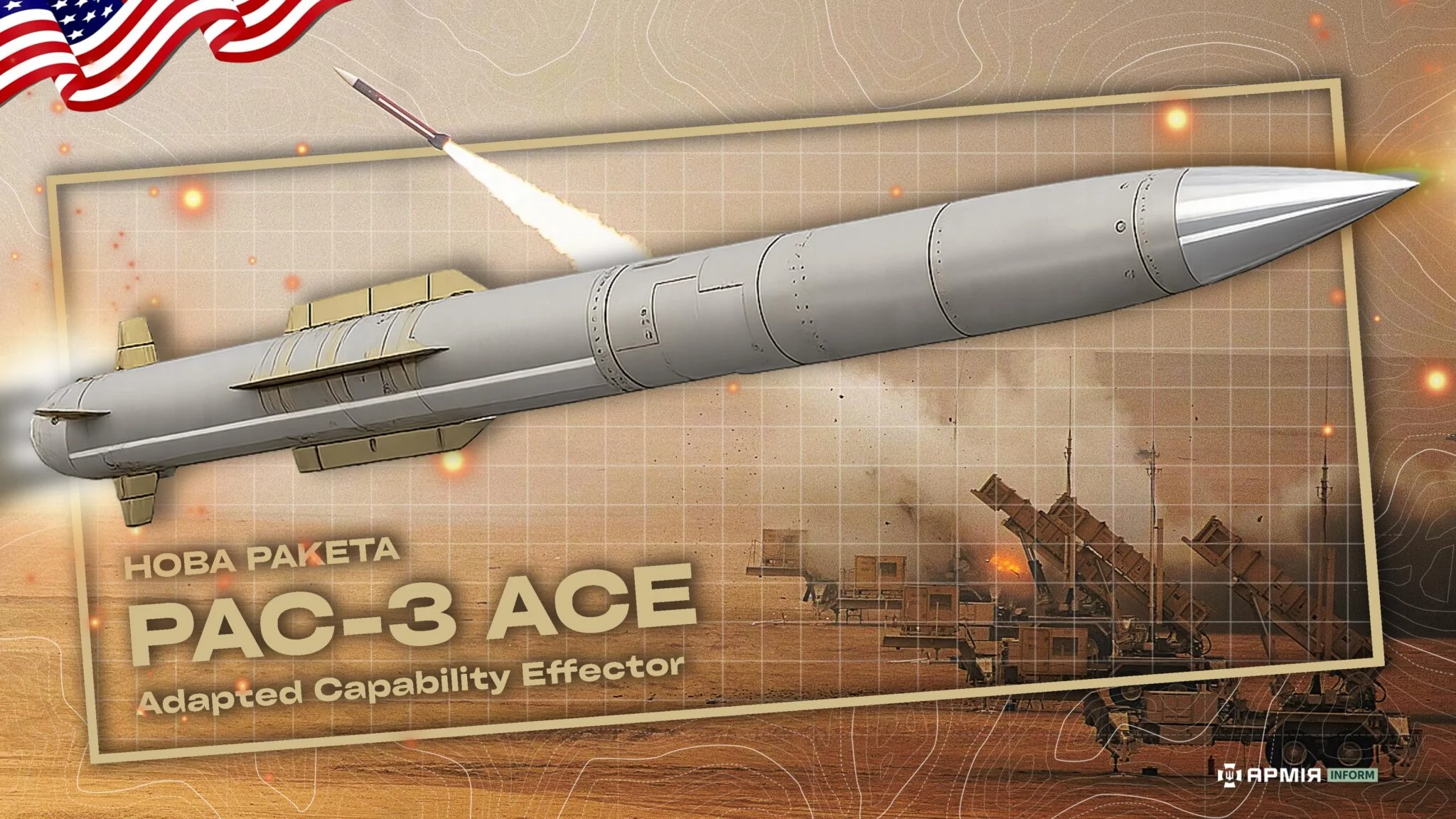
Lockheed Martin has presented ACE, an adapted version of the PAC-3 air defence system for engaging cruise and ballistic missiles at half the cost of PAC-3 MSE.
According to a presentation release published on the manufacturer’s official portal, the PAC-3 ACE will give allied forces a rapidly deployable, supplementary air defence effector that can be fielded in record time.
To achieve this, Lockheed Martin will work with American and European industrial partners and suppliers, while strengthening the resilience of the US defence industrial base worldwide.
“American and allied service members need a solution that is combat-proven and cost-effective,” said Tim Cahill, President of Missiles and Fire Control at Lockheed Martin.
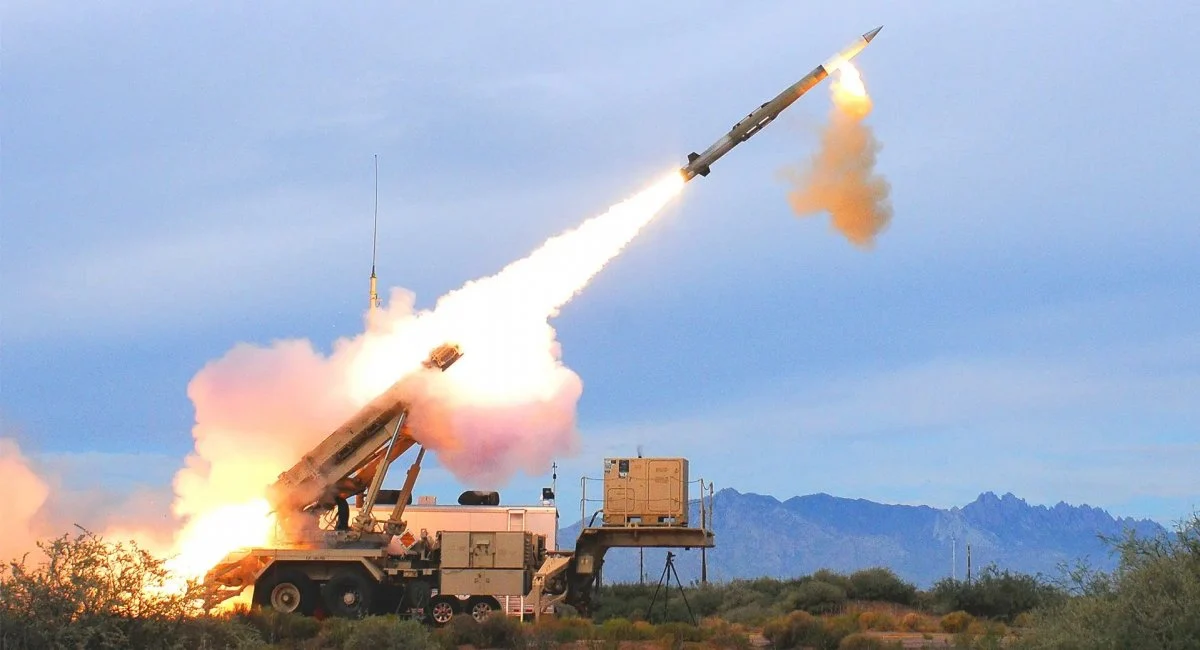
The new PAC-3 Adapted Capability Effector (ACE) missile will cost more than twice as little as the current PAC-3 MSE interceptors, priced at around USD 4 million apiece. This is reported by the influential newspaper the Financial Times.
According to the FT, the launch of a cheaper interceptor by one of the world’s largest defence companies illustrates how established contractors are trying to withstand fierce competition from smaller, more agile technology start-ups.
According to Lockheed Martin’s Tim Cahill, the ACE will use the PAC-3 launcher and command-and-control software, but will have a less expensive rocket motor, radar and electronic brain.
Defence sector specialists say, however, that the ACE lacks certain functions for countering the most advanced missiles. It is instead intended to deal with the types of short-range ballistic missiles that Iran and Russia have used in recent destructive attacks.
With demand for Patriot PAC-3 interceptors rising because of Russian and Iranian ballistic missile attacks, Lockheed Martin has unveiled plans for a smaller and cheaper — though less capable — version of this sophisticated interceptor.
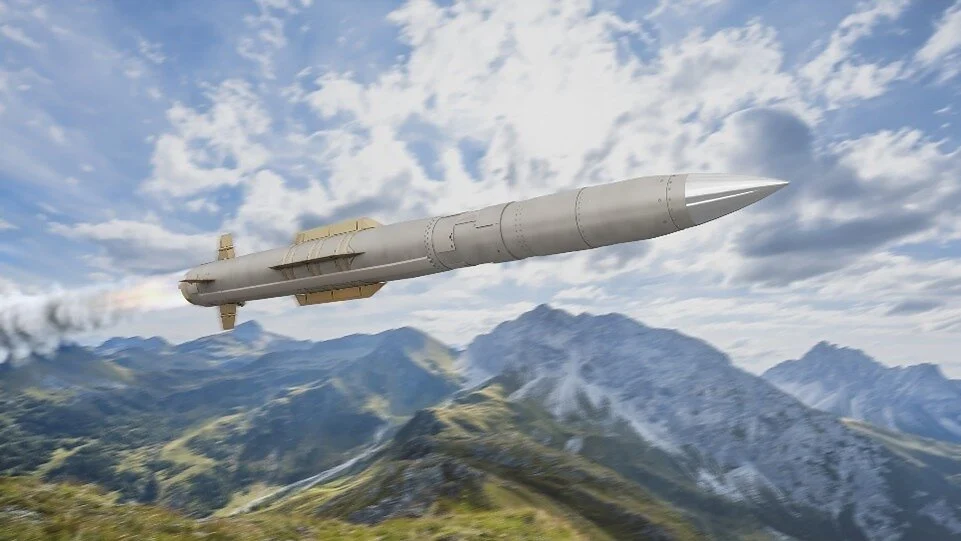
Cahill cautioned that the missile is not designed to counter drones. It has, however, been developed to close a gap in air defence that the current wave of defence technology start-ups has failed to fill: a less expensive way to shoot down, say, an Iskander-M travelling at 5,600 miles per hour.
For their part, experts at the Ukrainian defence technology research centre Defense Express (DE) have noted that the single image of the PAC-3 ACE released so far already reveals details indicating exactly how Lockheed Martin has halved the missile’s cost.
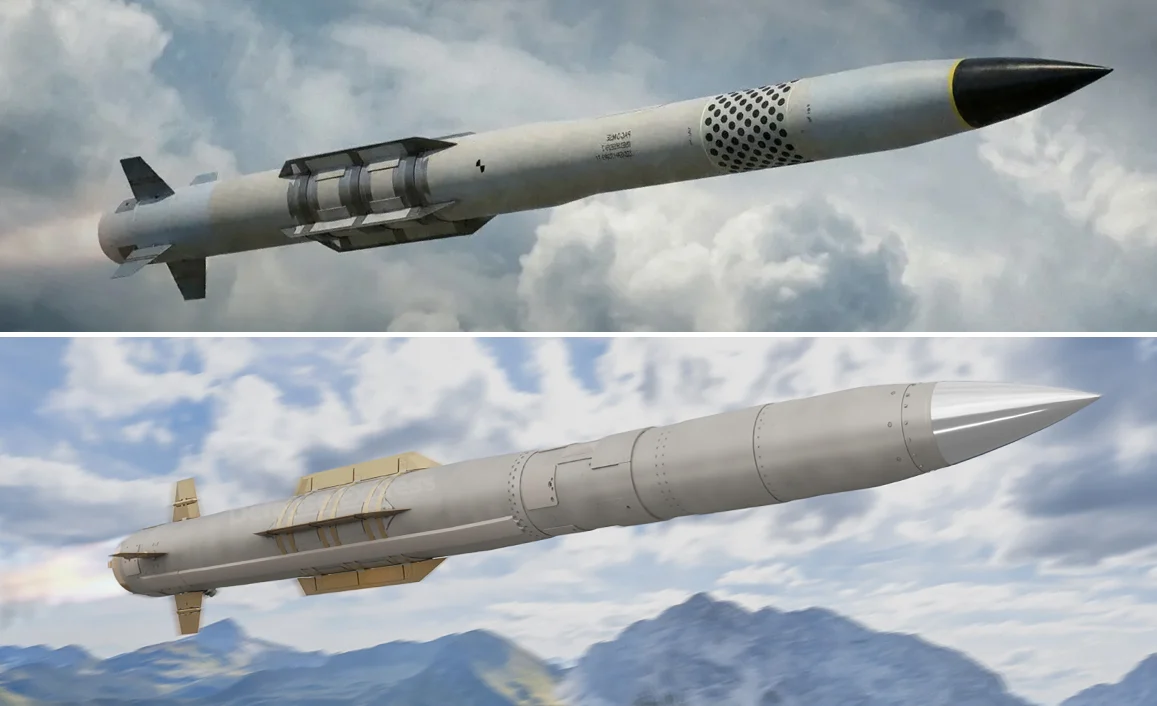
DE researchers point out, in particular, that the published image of the PAC-3 ACE shows no ring of attitude control thrusters. This is a fairly complex control element of the PAC-3 MSE that allows it to manoeuvre aggressively at several dozen g.
At the same time, the Ukrainian analysts say, the PAC-3 ACE’s nose cone is depicted with a deliberately metallic sheen, which rules out an active radar homing seeker beneath it.
“If it has been dispensed with, this resolves one of the tightest bottlenecks in Lockheed Martin’s production of anti-ballistic missiles, which depends on deliveries of these active radar seekers from Boeing. At the same time, it is objectively too early to draw conclusions from a single image of the PAC-3 ACE. Ultimately, Lockheed Martin will still have to ensure both high manoeuvrability and high accuracy for its PAC-3 ACE,” Defense Express stressed.
Production of the PAC-3 ACE is due to begin within 36 months, with the involvement of American and European contractors. Lockheed Martin’s current capacity allows it to produce around 700 missiles a year, with plans to increase that figure to 2,000 units by 2033.