«No-Limits Friendship» at Triple the Price: How Russia and China Are Waging a Hidden Trade War

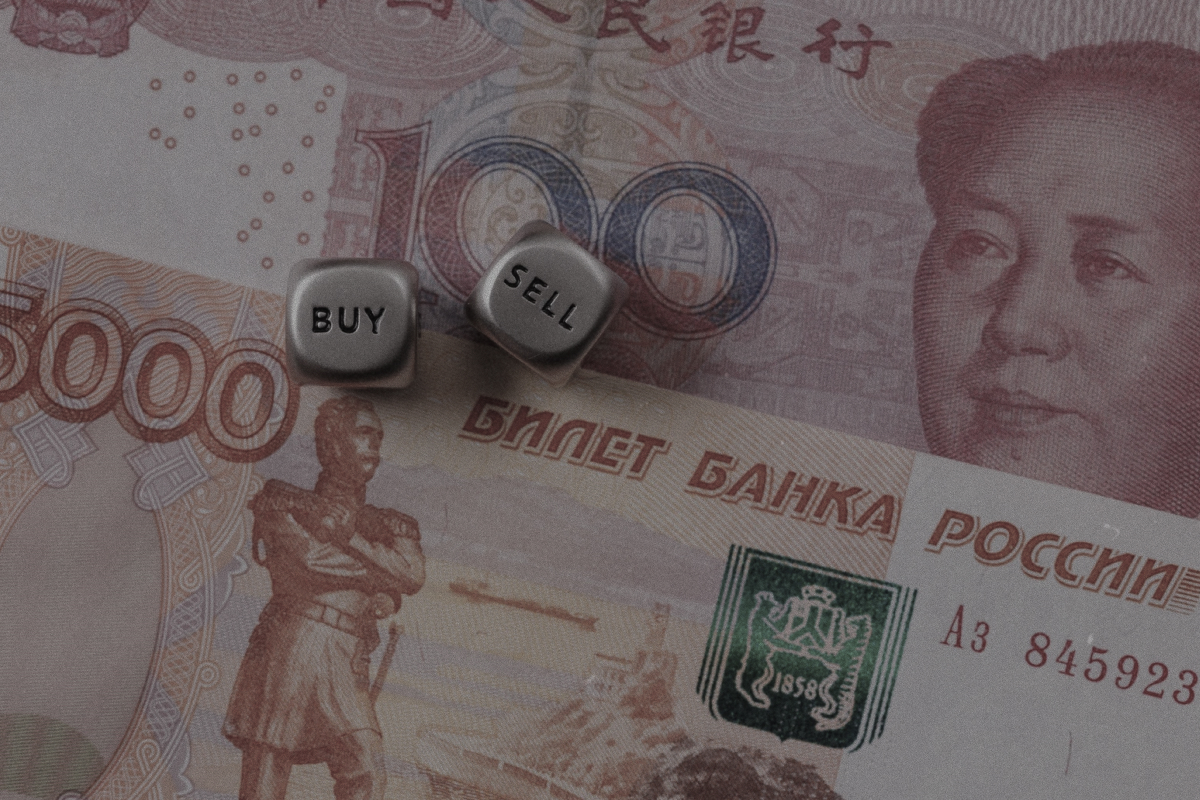
Despite talk of a "strategic partnership", China is dictating the terms of cooperation to Russia ever more forcefully.
This was reported by Ukraine’s Foreign Intelligence Service.
One of the most notable steps was the Russian regulator’s decision to ban the sale of a number of Chinese truck models made by Dongfeng, Foton, FAW and Sitrak. Officially, the reason given is non-compliance with technical requirements, but the Foreign Intelligence Service believes Russia is trying to protect its own manufacturer, KAMAZ.
In the first half of the year, more than 13,000 Chinese trucks were sold in Russia, and Chinese brands already accounted for almost half of the market. Following the restrictions, KAMAZ announced a return to a full five-day working week.
At the same time, the cost of shipping goods from China to Russia has risen sharply. According to the Foreign Intelligence Service, transporting a single container by rail from Suzhou station to Moscow has gone up from around USD 4,300 in July 2025 to about USD 9,000 today. Road haulage via Zabaikalsk has also increased significantly in price.
China is simultaneously tightening its export controls. New rules require the actual manufacturer of a product to be disclosed, which makes it harder to use the grey schemes that Russian companies have relied on. Beijing has also scrapped a number of tax breaks for the export of certain goods, from construction materials to chemical products, and these additional costs are effectively being passed on to buyers in Russia.
The Foreign Intelligence Service notes that, for all the loud political statements, economic relations between the two countries are increasingly built on pragmatic calculation rather than on an equal partnership. In the assessment of Ukrainian intelligence, Russia’s isolation from Western markets is deepening its dependence on China and giving Beijing the opportunity to dictate ever tougher terms of cooperation.