A Wave of Defaults in Russia: Foreign Intelligence Service Reveals the Scale of the Financial Crisis Facing Russian Business

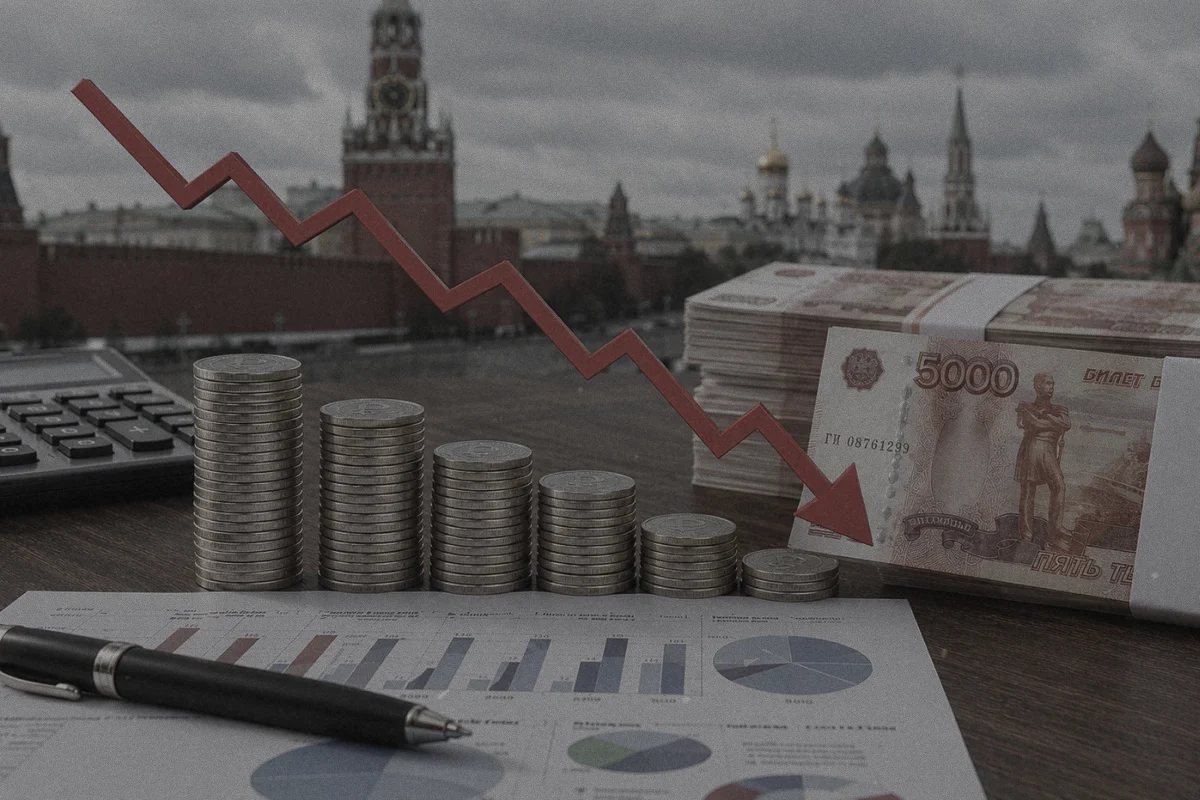
The number of corporate defaults in Russia is rising rapidly: 21 companies have already run into payment difficulties, and by the end of the year the figure cou
Ukraine’s Foreign Intelligence Service reports this.
According to the Foreign Intelligence Service, in the first half of 2026 problems with servicing debts and digital financial assets were recorded for the first time at 21 companies — 40% more than in the same period last year.
In eight cases, missed payments have already developed into a full default, and two more were added in July. Intelligence forecasts that by the end of 2026 the number of technical and full defaults in Russia will exceed 50, compared with 24 last year.
The companies most at risk are those with large debts and weak demand for their products: construction and leasing firms, the transport and logistics sector, agricultural enterprises, retail and petrol station chains.
Among the specific examples cited by the Foreign Intelligence Service are:
- Agrodom — debt of USD 123,000;
- Sibavtotrans — default of USD 470,000;
- Sobi Leasing — arrears of almost USD 5 million;
- Evrotrans — more than USD 2.4 million in overdue obligations.
The main cause of the crisis is excessively expensive credit. Despite the Russian Central Bank cutting its key rate to 14%, medium-sized businesses are forced to borrow at 16–21% a year, and financially weak companies at 18–25%.
Against this backdrop, the profits of Russian enterprises are falling: in the first quarter of 2026 they dropped by 26.5%, while the share of loss-making companies rose to almost 37%.
The second half of the year could prove even harder. Russian businesses need to redeem a record USD 29.7 billion in bonds, with almost USD 20 billion falling due in the final quarter.
The Foreign Intelligence Service stresses that the formal growth of the new bond market creates an illusion of stability, but almost the entire volume is provided by a handful of the largest state corporations. The rest of the economy is experiencing an acute shortage of money.
Intelligence forecasts that banks will continue to tighten their requirements for borrowers, which will make refinancing more difficult and could trigger a new wave of bankruptcies in the Russian economy.