“Don’t be afraid of the hard work of the infantry”: The story of a contract soldier from the Black Zaporozhians Brigade

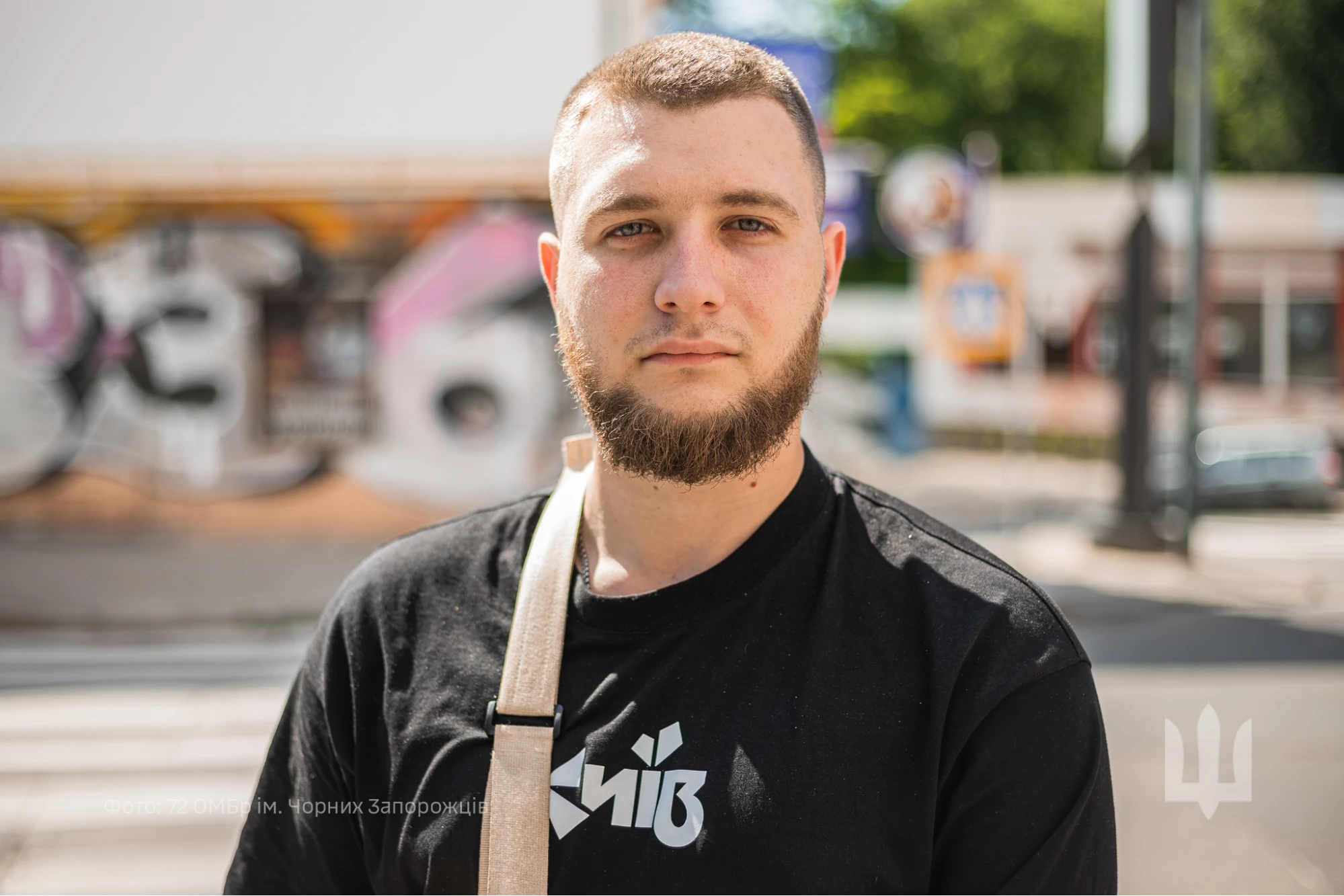
“Kozak” is a 22-year-old infantryman serving with the 72nd Separate Mechanized Brigade named after the Black Zaporozhians.
He joined the military after signing an “18–24” contract.
Before that, he served in the Special Purpose Police, where he fought drug trafficking and the illegal arms trade.
He joined the Armed Forces with a strong foundation
His callsign was born during his service with the Ministry of Internal Affairs: Denys had operated every modification of the Ukrainian armored vehicle bearing the same name. His experience in the special police unit gave him a solid foundation. Raids and assault operations taught him to stay composed under pressure.
“We would roll up in a black tinted van, break down doors, and detain suspects. My experience with assaults and arrests in the police gave me a strong foundation. But the most important thing was mental resilience. During mass events in Kyiv, people could scream in your face and provoke you, but you had no right to respond. Thanks to that, adapting to the army was much easier for me than it was for guys who came straight from civilian life”, — Kozak says.
His commanders helped him adapt to life in the brigade. Kozak admits that at first he was worried by rumors about poor leadership, but the reality turned out to be completely different.
“My company commander is a young officer, just over 20 years old, who fought in the battles in the Donetsk region. We understand each other almost without words. Our unit cohesion training was led by the chief sergeant with the callsign ‘Batman’. Whenever we couldn’t get to the training ground, he would put on body armor, load up full magazines, wear his helmet, shoulder a heavy backpack, and say, ‘Let’s go, boys — we’re marching around the village on foot. Maybe you’d like to complain to me, but I’m walking exactly the same as you are. I’m hot, I’m tired, and it’s hard for me too. But we have to do this if we want to survive the war’”, — the serviceman recalls.
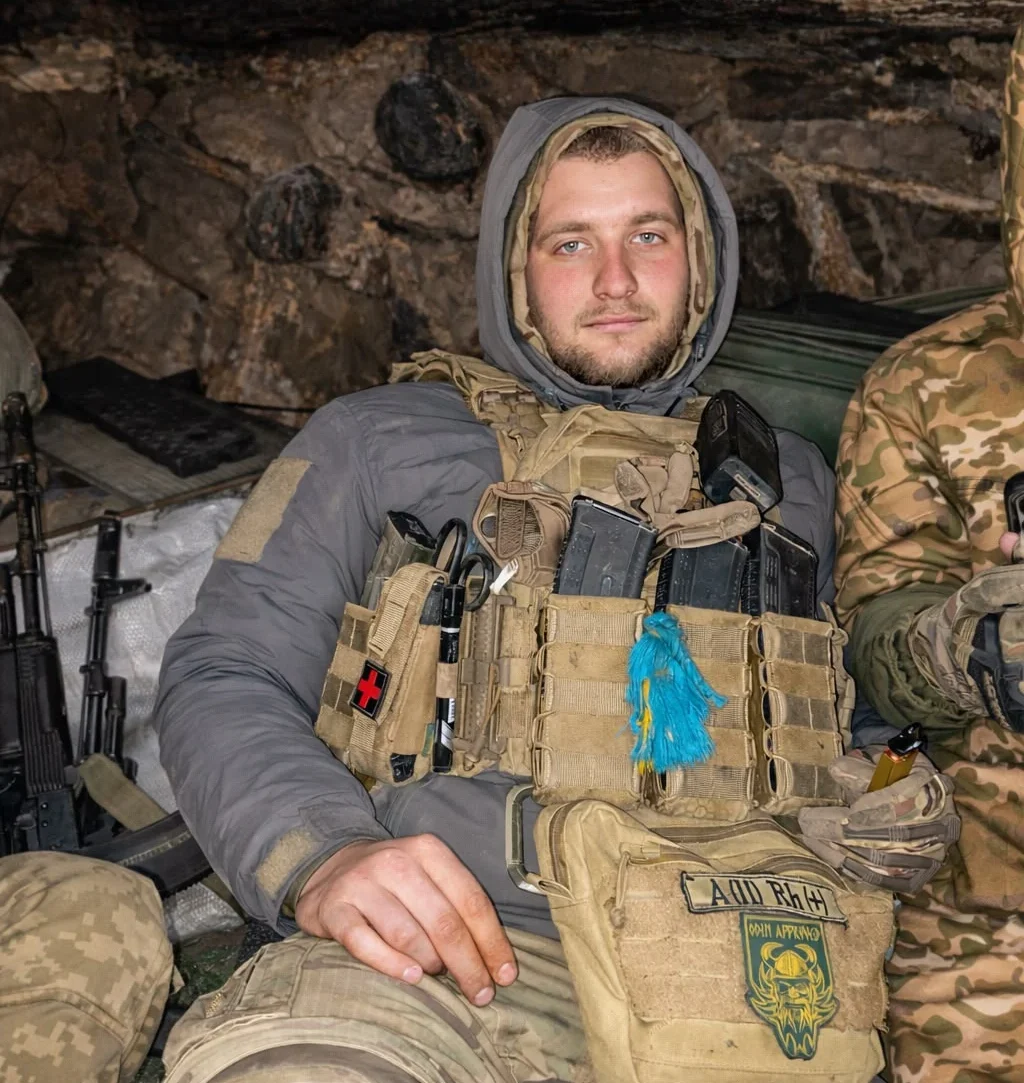
For two months they repelled enemy assaults almost non-stop
After completing basic training, specialized training, and unit cohesion exercises, Kozak spent two months in continuous combat on the front line.
In his sector, russian troops launched assaults in groups of two or three almost every day at around 4 or 5 a.m. During rainy weather, they also tried to advance at night.
Under such conditions, even a routine troop rotation became an extremely difficult operation. On that occasion, the withdrawal from the positions was delayed because the Russians kept launching wave after wave of assaults in the bad weather, forcing the soldiers to repel attacks continuously. Only at dawn, after the rain stopped and the fighters received the command “clear skies”, did Denys’s group begin moving out.
While they were on the move, they were spotted by a Russian drone. As a result of the attack, Kozak sustained shrapnel wounds.
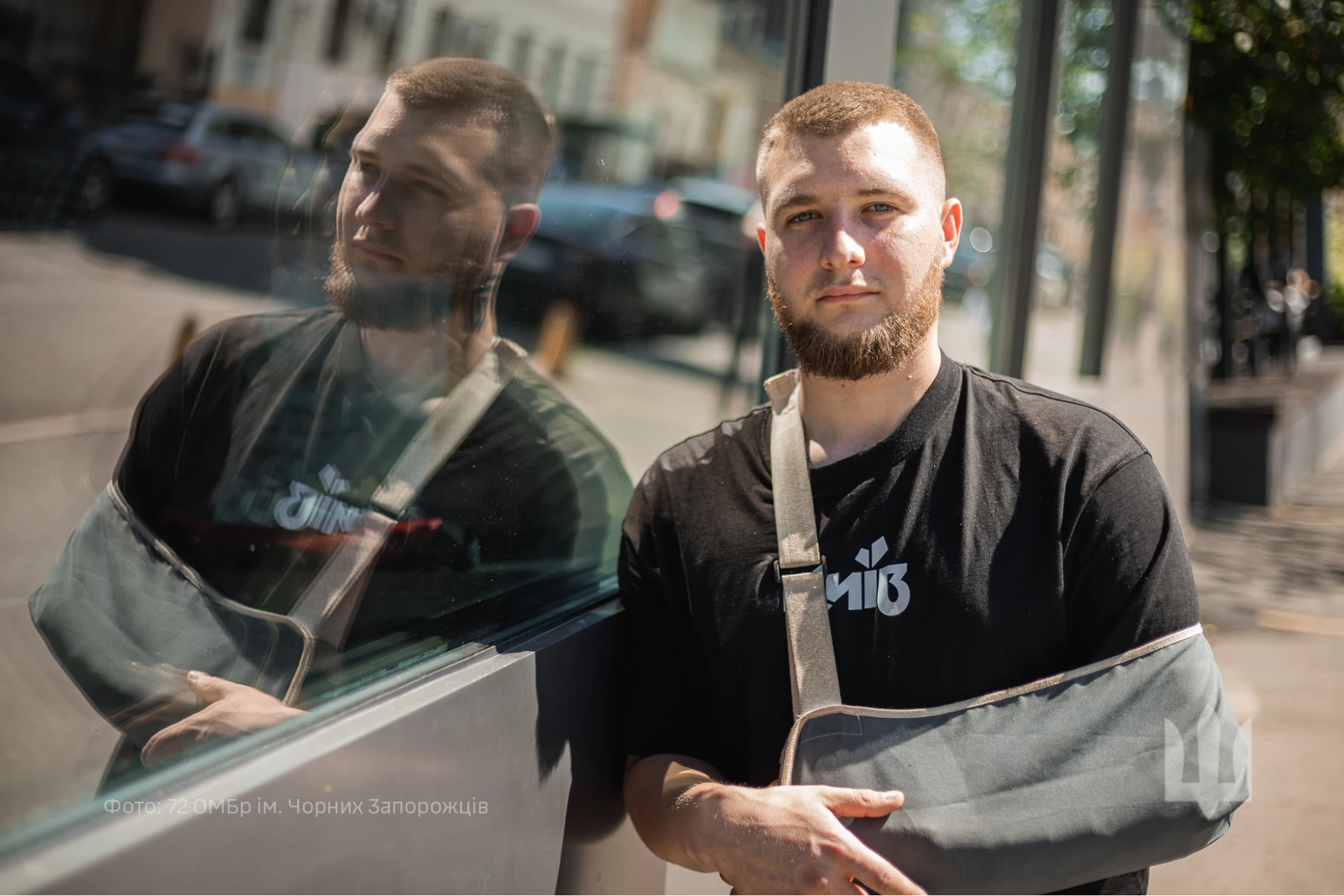
“We were moving under the cover of fog. Then a drone took off. Suddenly I felt as if an electric shock had gone through my arm — it had been pierced clean through. I begged the guys not to put on a tourniquet because I was afraid they’d end up amputating my arm, and I still had a long way to walk. Then I felt a sharp chill in my side. Turned out there was another hole there from a fragment”, — Kozak recalls.
“The State must be defended. If we fold our arms and wait, people will change their passports, and Ukraine will change its flag”
A long course of treatment and rehabilitation lies ahead of him. At home, his wife and young daughter, Emilia, are waiting for him.
The young soldier is convinced that young people should join the military and not be afraid of the hard work of the infantry — even becoming a skilled drone operator requires this experience.
“A person who has never walked to frontline positions on foot will never understand from which angle it’s best to illuminate the route for an infantryman with a drone. We could even tell who was dropping us supplies from a ‘Baba Yaga’ drone. If the package landed right into your hands, it meant the pilot had served in the infantry. But if you had to spend two days searching for the drop, it meant someone had come straight from a specialized field. Everyone wants to serve in unmanned systems. But UAV operators must understand that the infantry is in front of them. Without the infantry, UAVs are worth nothing. The infantry is the shoulder your friend can always lean on”.