Rostov judge served with notice of suspicion for illegally sentencing a Ukrainian prisoner of War

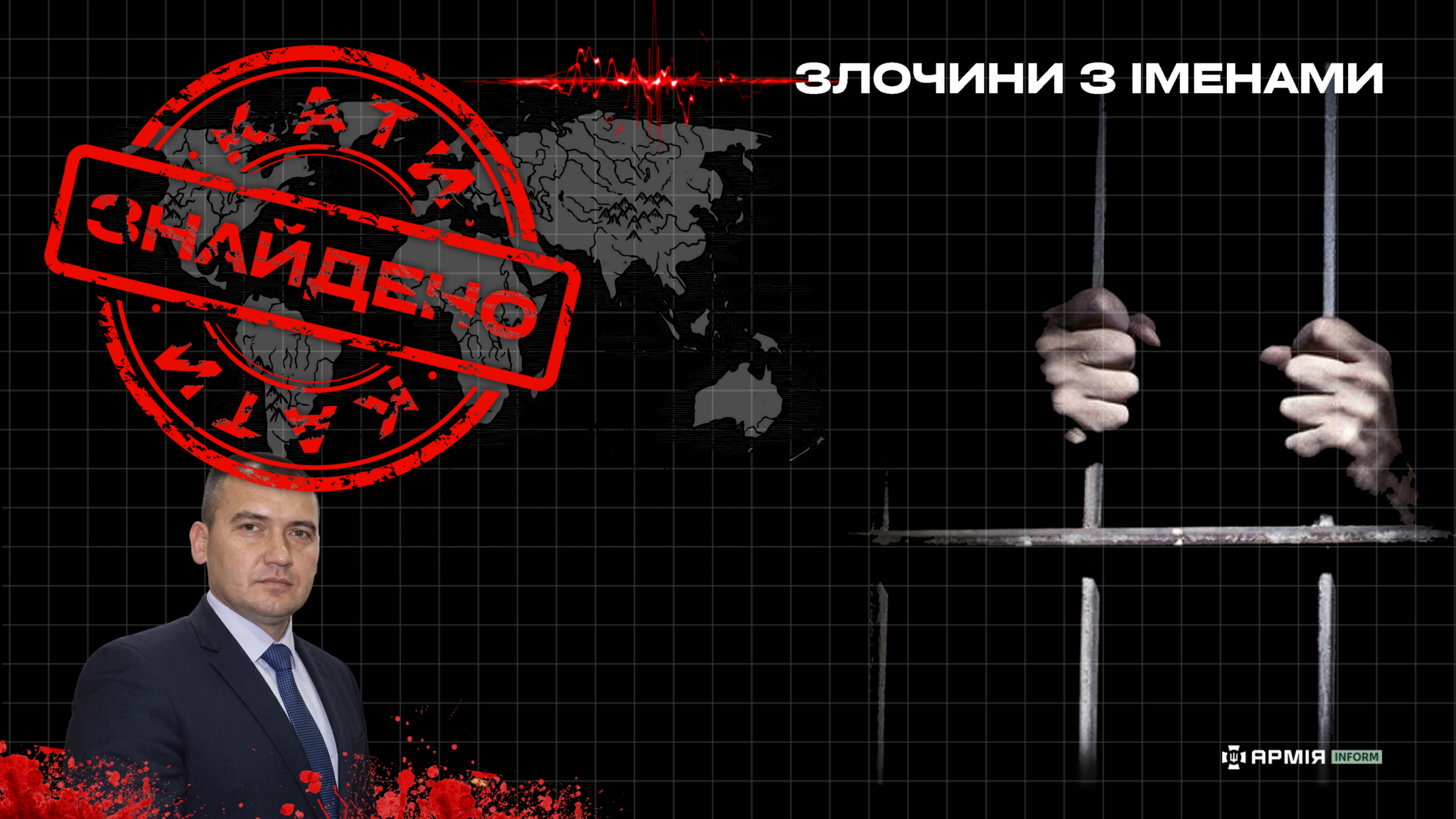
Ukrainian law enforcement authorities have served a notice of suspicion on a judge from Rostov-on-Don.
He handed down an unlawful guilty verdict against a Ukrainian prisoner of war.
According to The Book of the Executioners of the Ukrainian People, the investigation found that through his actions, the judge violated the norms of international humanitarian law and facilitated the unlawful prosecution of a Ukrainian defender, conduct that has been classified as a war crime.
The Suspect
Timur Khabasovich Mashukov (born May 11, 1982) was born in the village of Sarmakovo, Zolsky District, Kabardino-Balkar Republic, Russian Federation.
He serves as a judge of the Southern District Military Court of the Russian Federation in Rostov-on-Don.
Circumstances of the crime
On April 18, 2025, the Southern District Military Court received the criminal case against a Senior Soldier of the Defense Forces of Ukraine, an aerial reconnaissance operator with the Azov Special Operations Detachment of the National Guard of Ukraine, who took part in the defense of Mariupol.
On May 20, 2022, he was captured by Russian forces near the Azovstal Steel Plant, thereby automatically acquiring the status of a prisoner of war as guaranteed under the Geneva Conventions.
Despite this protected status, Russian law enforcement authorities unlawfully initiated criminal proceedings against him, accusing him of undergoing training for the purpose of carrying out terrorist activities (Article 205.3 of the Criminal Code of the Russian Federation) and participation in a terrorist organization (Part 2 of Article 205.4 of the Criminal Code of the Russian Federation).
On August 7, 2025, Judge Mashukov issued an unlawful verdict against the Ukrainian serviceman, finding him guilty on charges related to his participation in the armed conflict and sentencing him to 19 years of imprisonment.
Notice of suspicion
Through these actions, Judge Mashukov grossly violated the provisions of Article 99 of the Geneva Convention, deliberately depriving the prisoner of war of his right to a fair and proper judicial process.
Under international law and the Rome Statute, these actions constitute a war crime, which under Ukrainian legislation is classified as a violation of the laws and customs of war (Part 1, Article 438 of the Criminal Code of Ukraine).