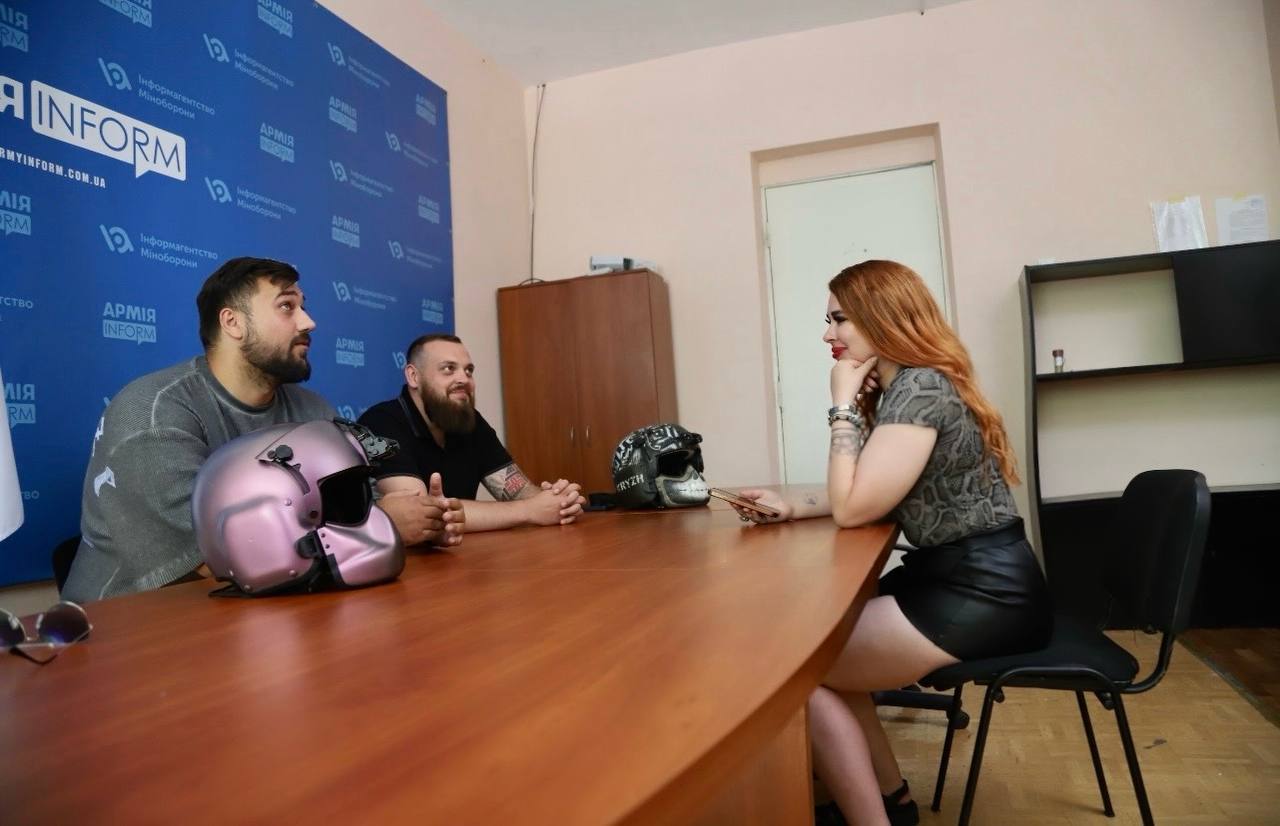
“We’re already achieving the impossible with aging Mi-8s. Give us modern aircraft — and we’ll turn the world upside down”: A candid conversation with Army Aviation pilots “Kryzhyk” and “Korzh”

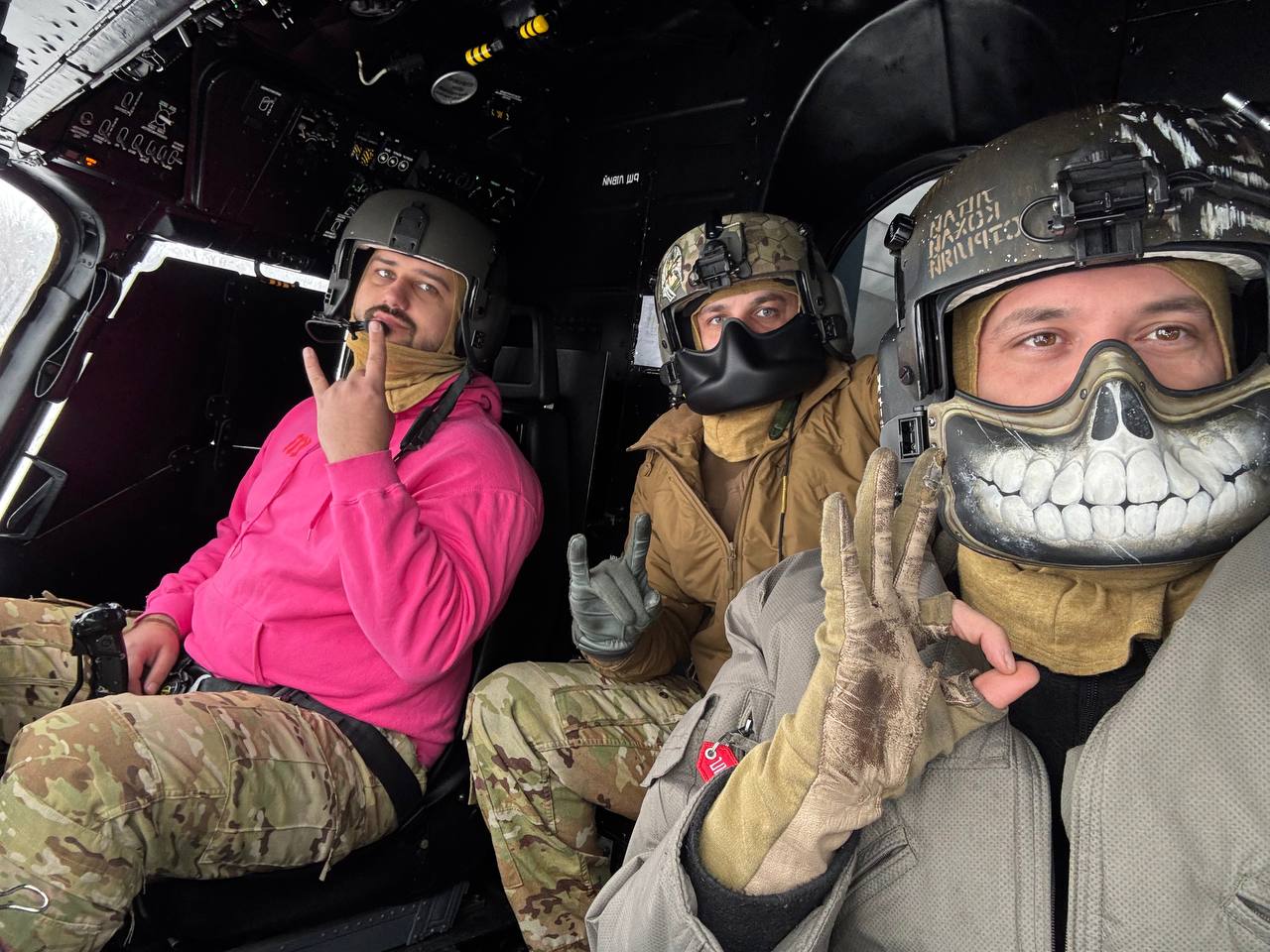
They were destroying Russian columns in the very first hours of the full-scale war.
Today, they shoot down Shahed drones, evacuate the wounded, support infantry, and land where no one else can.
Army Aviation is one of the least publicized yet one of the most versatile components of Ukraine’s Defense Forces. During the years of the full-scale war, its crews have completely transformed their tactics, learned to operate under the constant threat of FPV drones, layered air defense systems, and relentless enemy hunting.
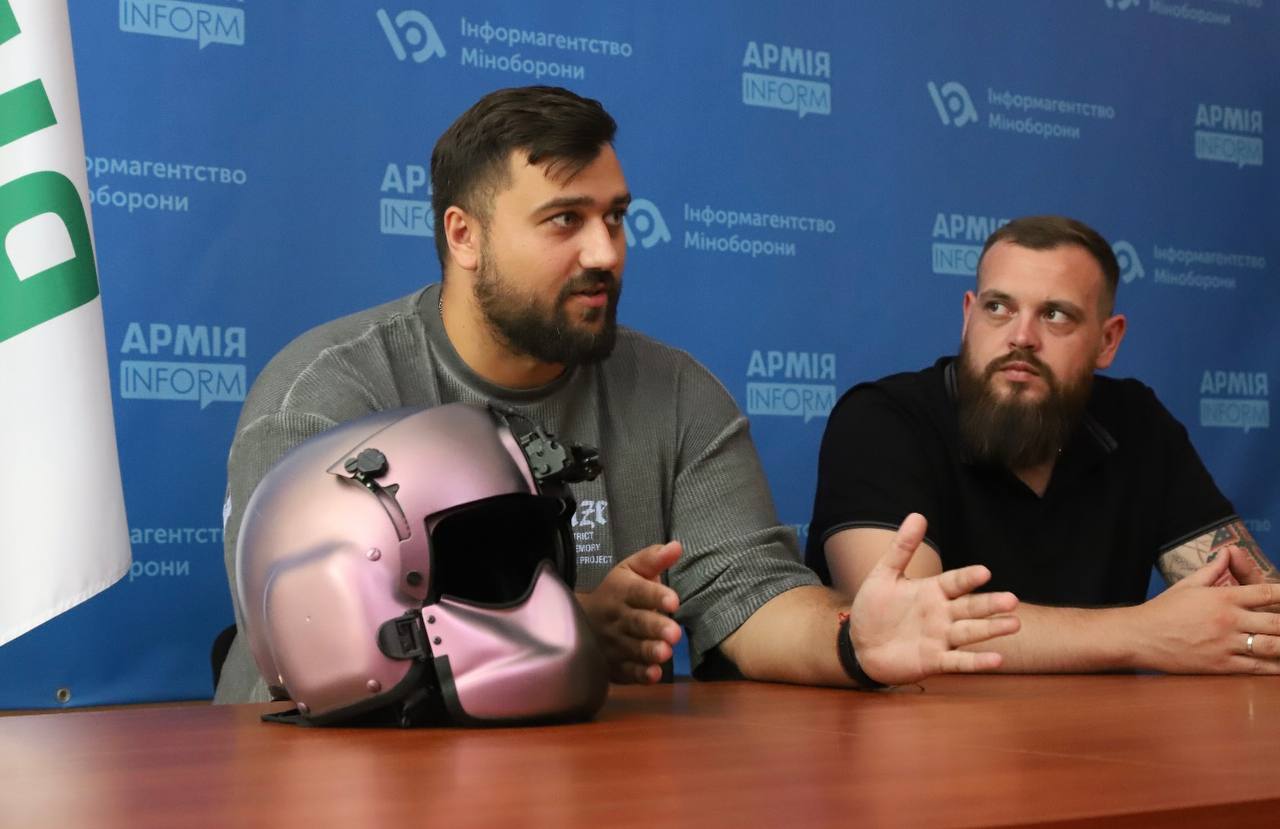
Exclusive to ArmyInform ahead of Army Aviation Day, Mi-8 pilots with the callsigns “Kryzhyk” and “Korzh” explained why flying today is far more dangerous than it was in 2022, how a crew becomes a single organism, why they pat their helicopter before every flight, and what Ukraine already possesses that no other military in the world has.
-
- Фото Тараса Перетятка /АрміяInform
-
- Фото Тараса Перетятка / АрміяInform
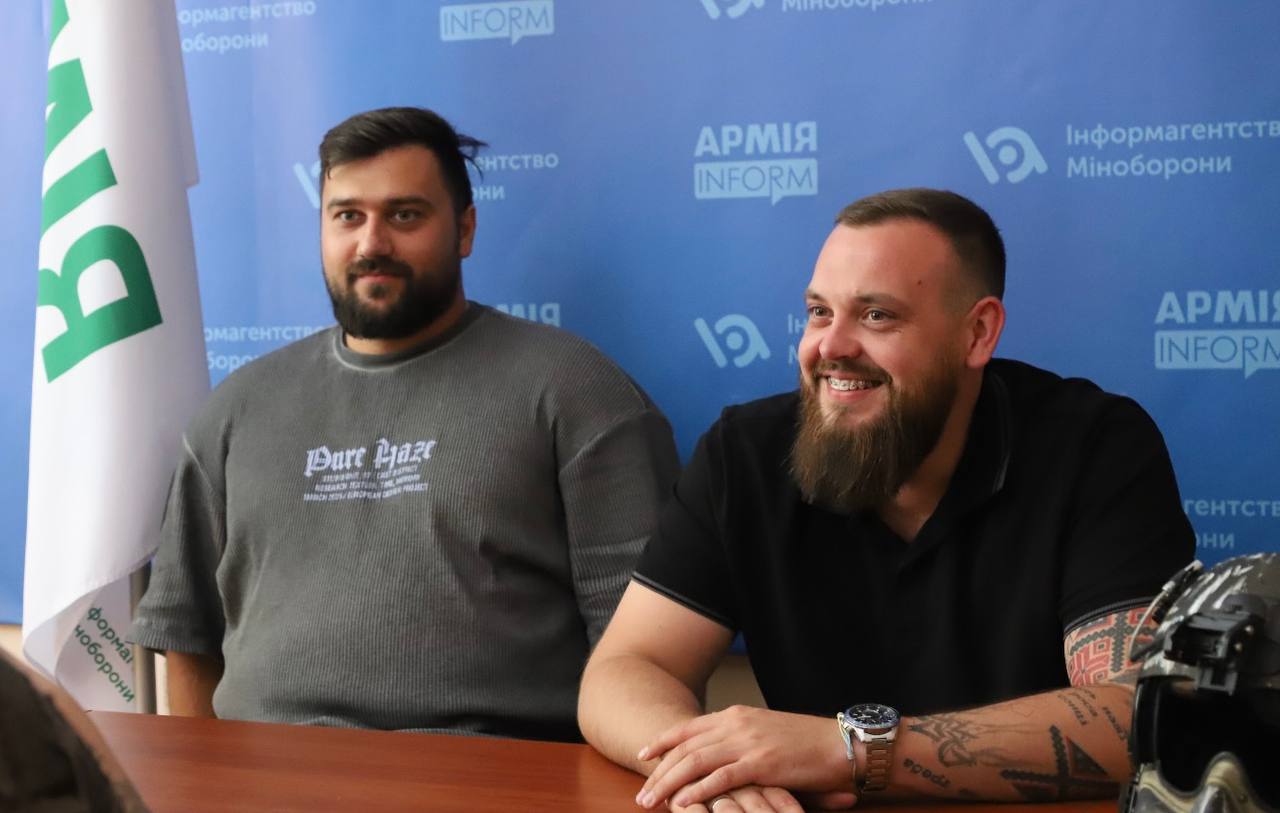
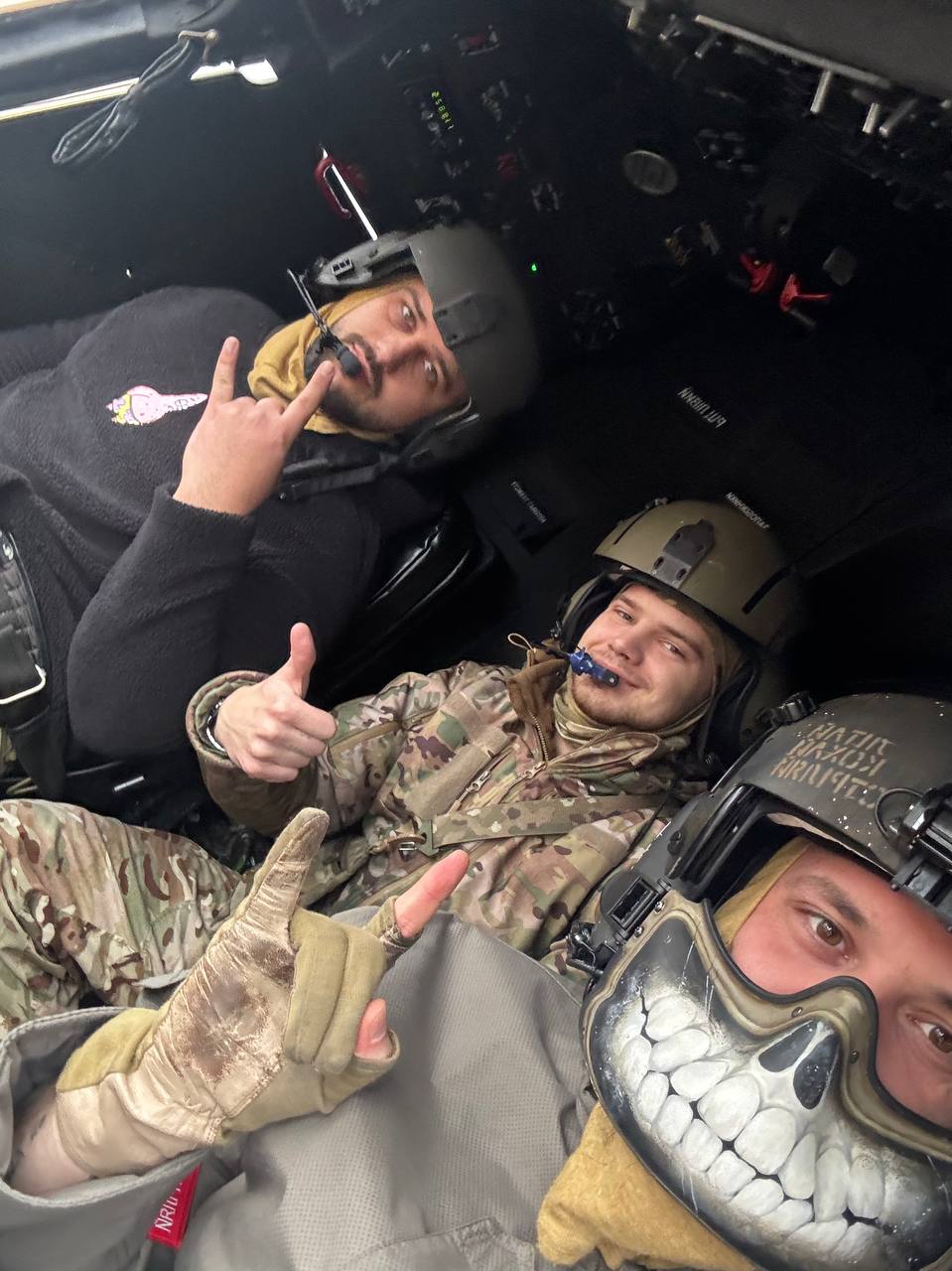
“At first we learned to trust each other. Now we operate as one organism”
Their crew was formed even before the full-scale invasion.
After graduating from the military academy, Korzh was assigned to an Army Aviation brigade, where he soon began flying alongside Kryzhyk.
“At first, I flew with a different crew. When I started working with Kryzhyk, I had to adjust. Once you get used to one style of operating, changing it isn’t easy. But eventually complete trust developed between us. He convinced me that I simply had to do things the way he said”, — the pilot recalls with a smile.
-
- Фото з особистого архіву “Крижика” та “Коржа”
-
- Фото з особистого архіву “Крижика” та “Коржа”
From Air-Defense-Free columns to skies filled with drones
Over four years of war, the enemy’s tactics have changed dramatically.
In February 2022, Russian forces advanced in massive columns with virtually no deployed air defense systems. Today, the battlefield looks completely different.
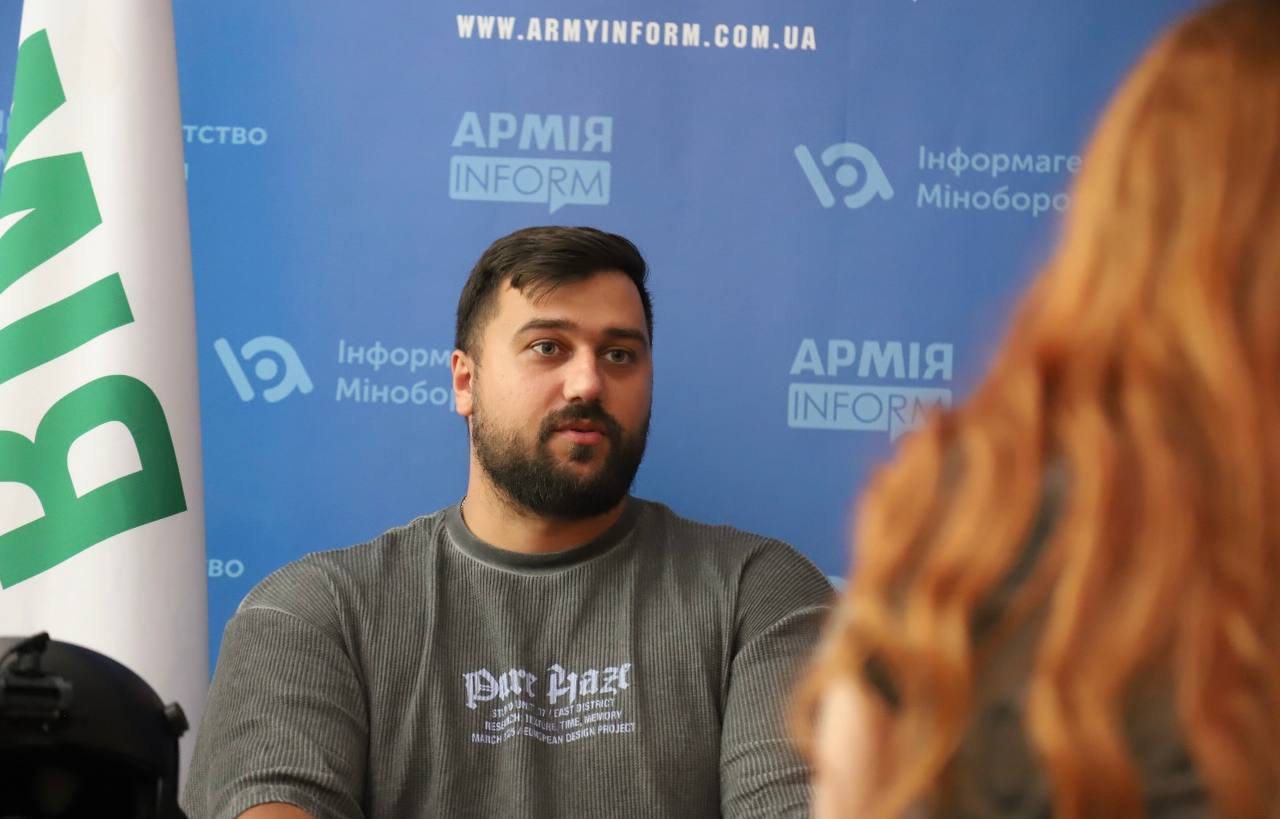
“Now there’s a clearly defined front line, several layers of air defense, and fortified defensive positions. At the beginning of the invasion, my comrades and I attacked enemy columns within direct visual range. Today, combat missions involve an entirely different level of risk”, — Korzh says.
But, according to him, the biggest change is not air defense itself.
“The main problem now is FPV drones. There are simply an unbelievable number of them. Some operate via fiber-optic cables, making them extremely difficult to jam. Then there are the so-called ‘waiters’ — drones that simply land beside a road and wait. They are no less dangerous than man-portable air defense systems”.
-
- Фото Тараса Перетятка / АрміяInform
-
- Фото Тараса Перетятка / АрміяInform
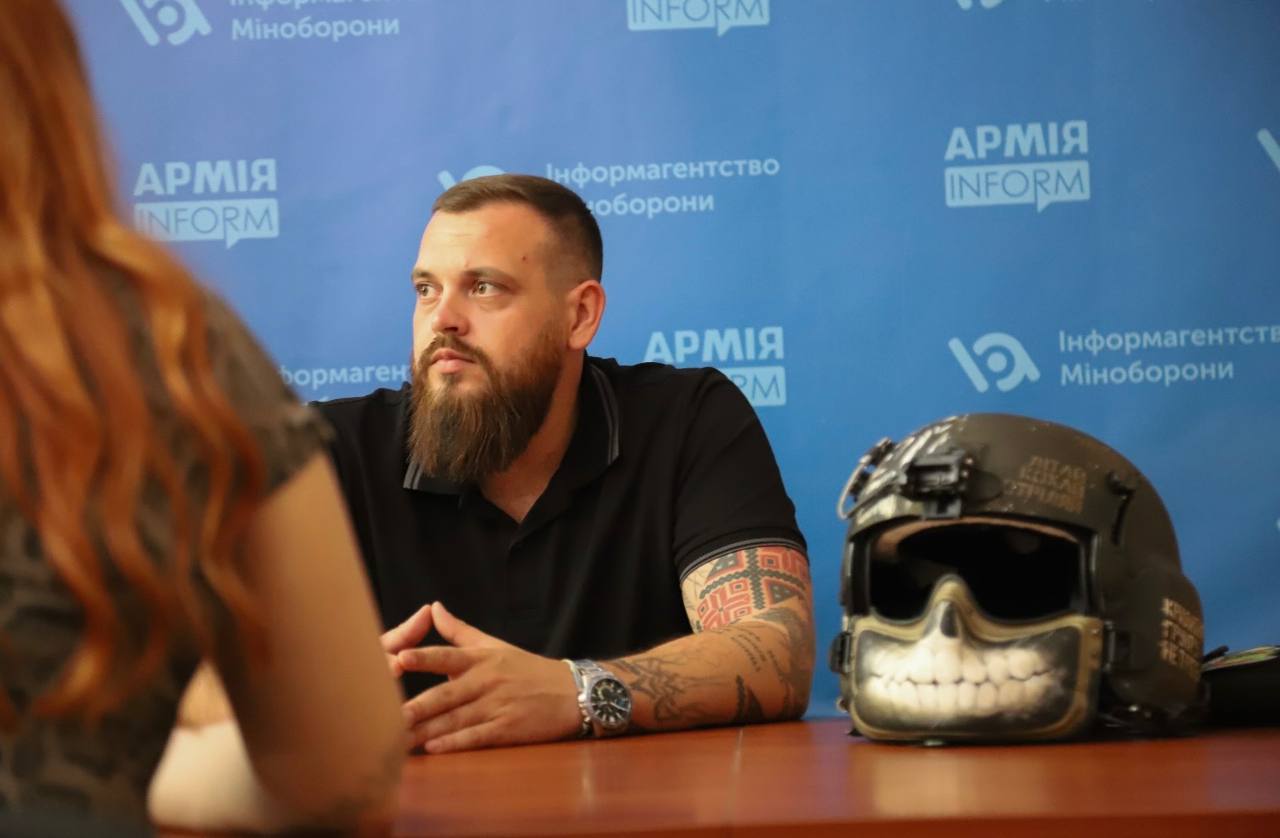
A combat sortie begins in… ten minutes
The romance of flying ends where combat begins.
The crews remain on constant alert.
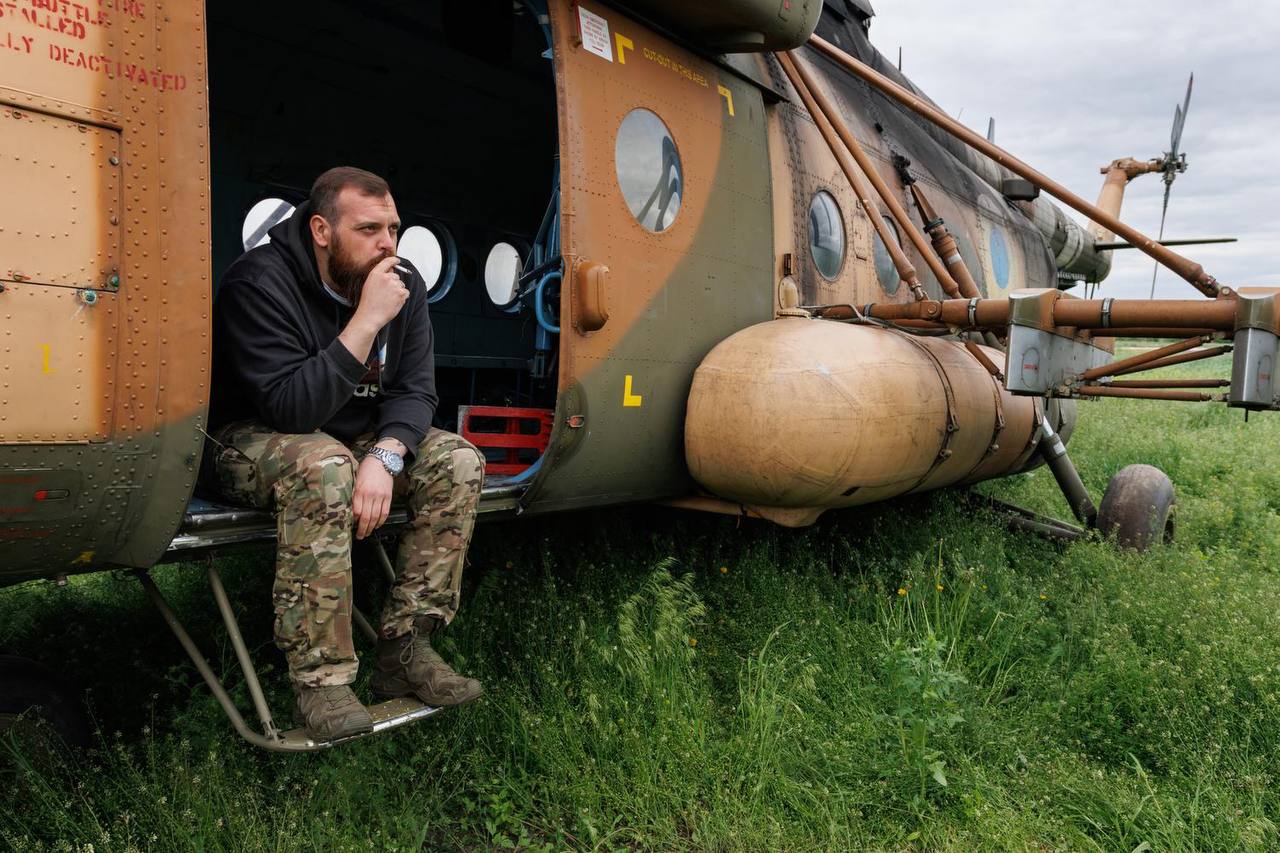
“From the moment we receive the order until takeoff, it literally takes seven to ten minutes. If we receive the mission in advance, we analyze the route, identify dangerous areas, and determine the safest approach. If it’s an urgent scramble, there’s almost no time for that. But the system has become so refined that it’s enough”.
-
- Фото з особистого архіву “Крижика” та “Коржа”
-
- Фото з особистого архіву “Крижика” та “Коржа”
-
- Фото з особистого архіву “Крижика” та “Коржа”
“Before every flight, I pat the Mi-8. She’s a girl”
Despite their cold professionalism, the pilots have their own traditions.
Before every particularly difficult mission, Kryzhyk sends his wife a brief message.
“If I feel it’s going to be a tough mission, I text her: ‘I love you’. Then I quietly recite the Lord’s Prayer. And I always pat the helicopter. I tell her: ‘Everything will be alright. Protect us, and we’ll protect you’”.
Korzh smiles and adds:
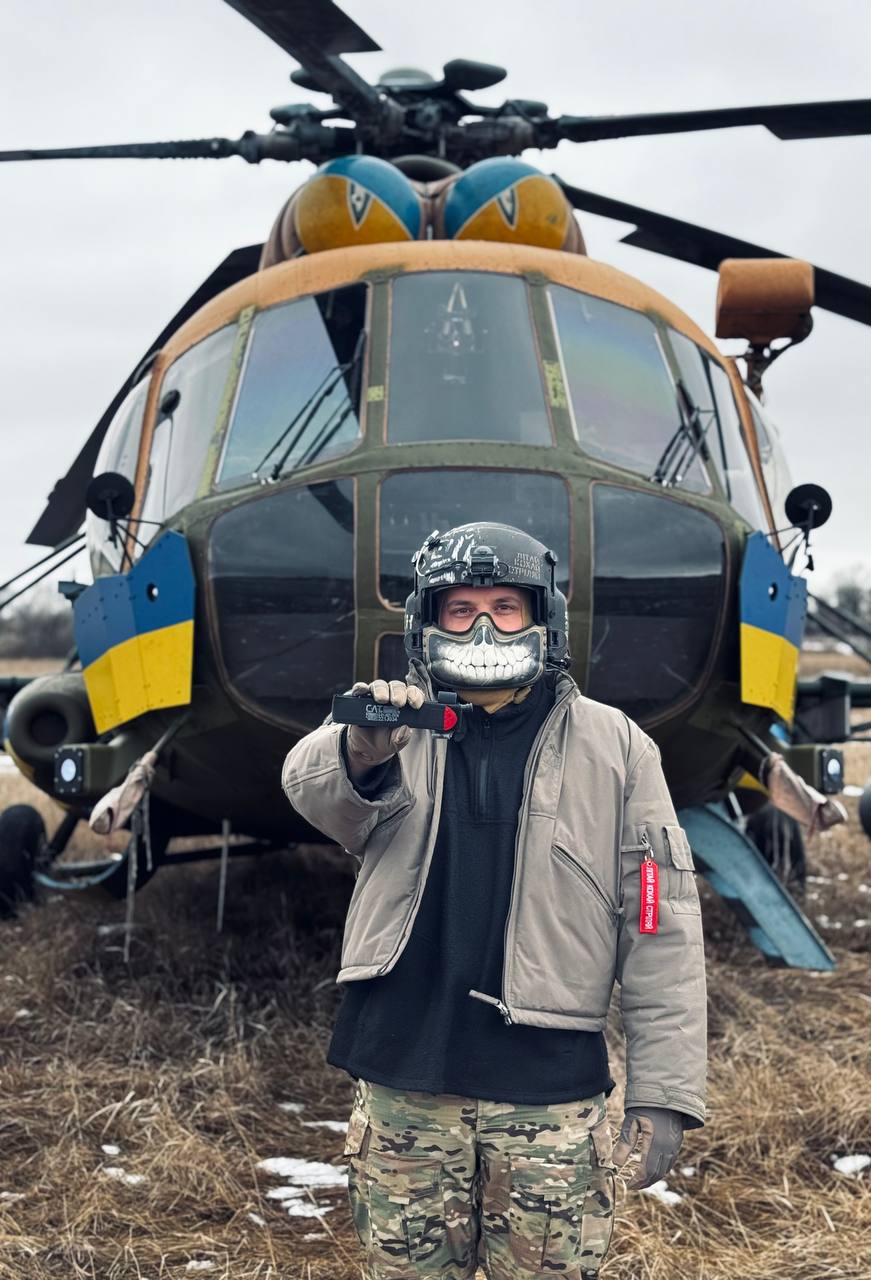
“The Mi-8 is a girl. After I finish my pre-flight inspection, I always gently pat her fuselage three times. Only then are we ready to fly”.
Then he becomes serious.
“You should never disrespect your aircraft. You have to treat it with respect”.
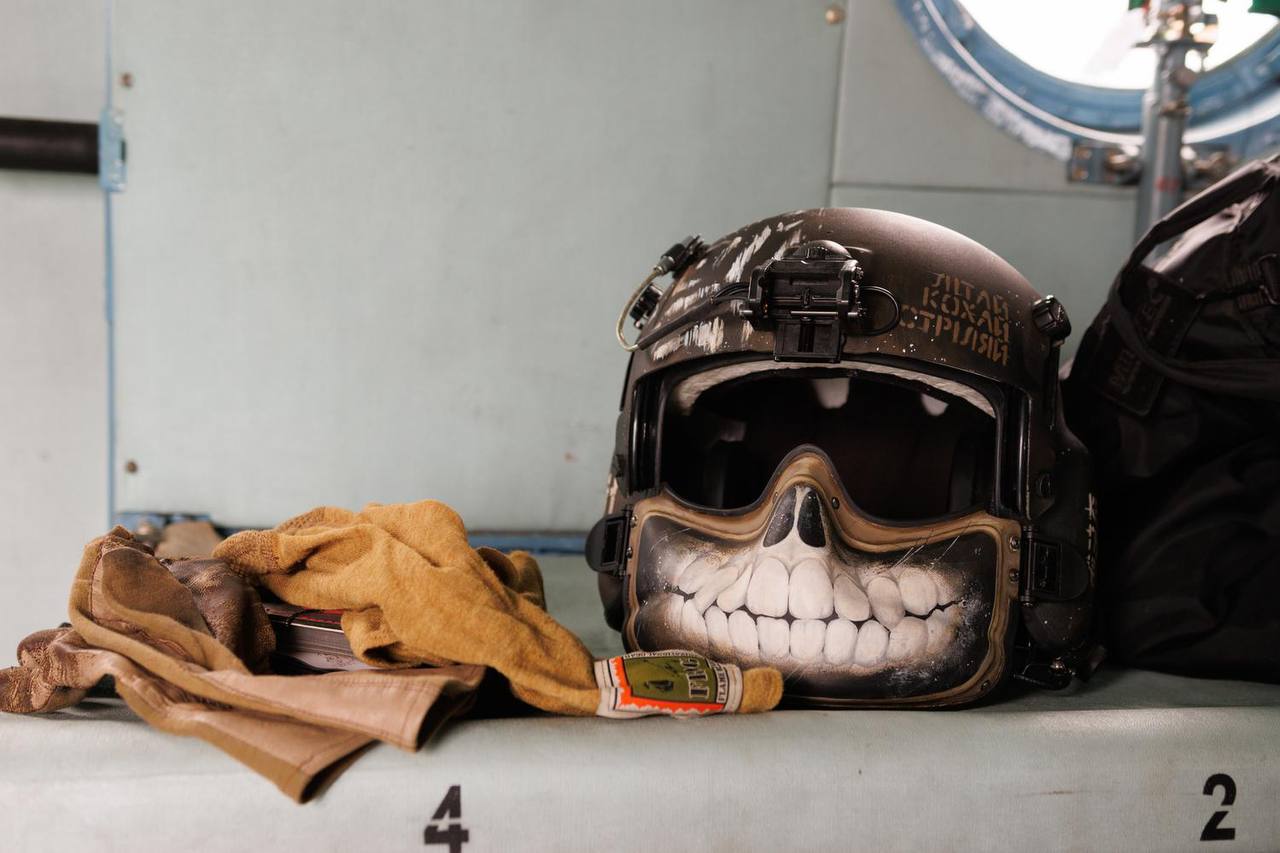
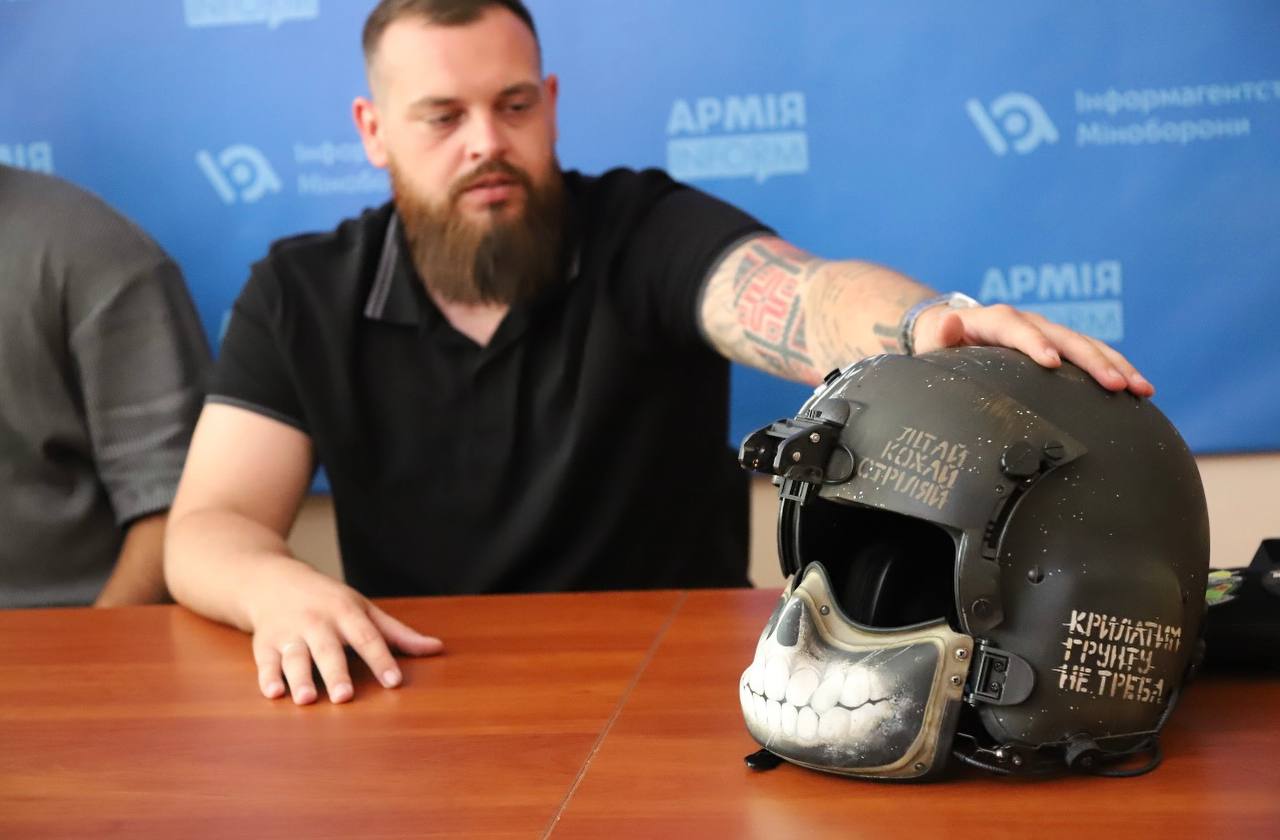
The pilots also have a special relationship with their flight helmets. Over the years, they have become part of each pilot’s personal story.
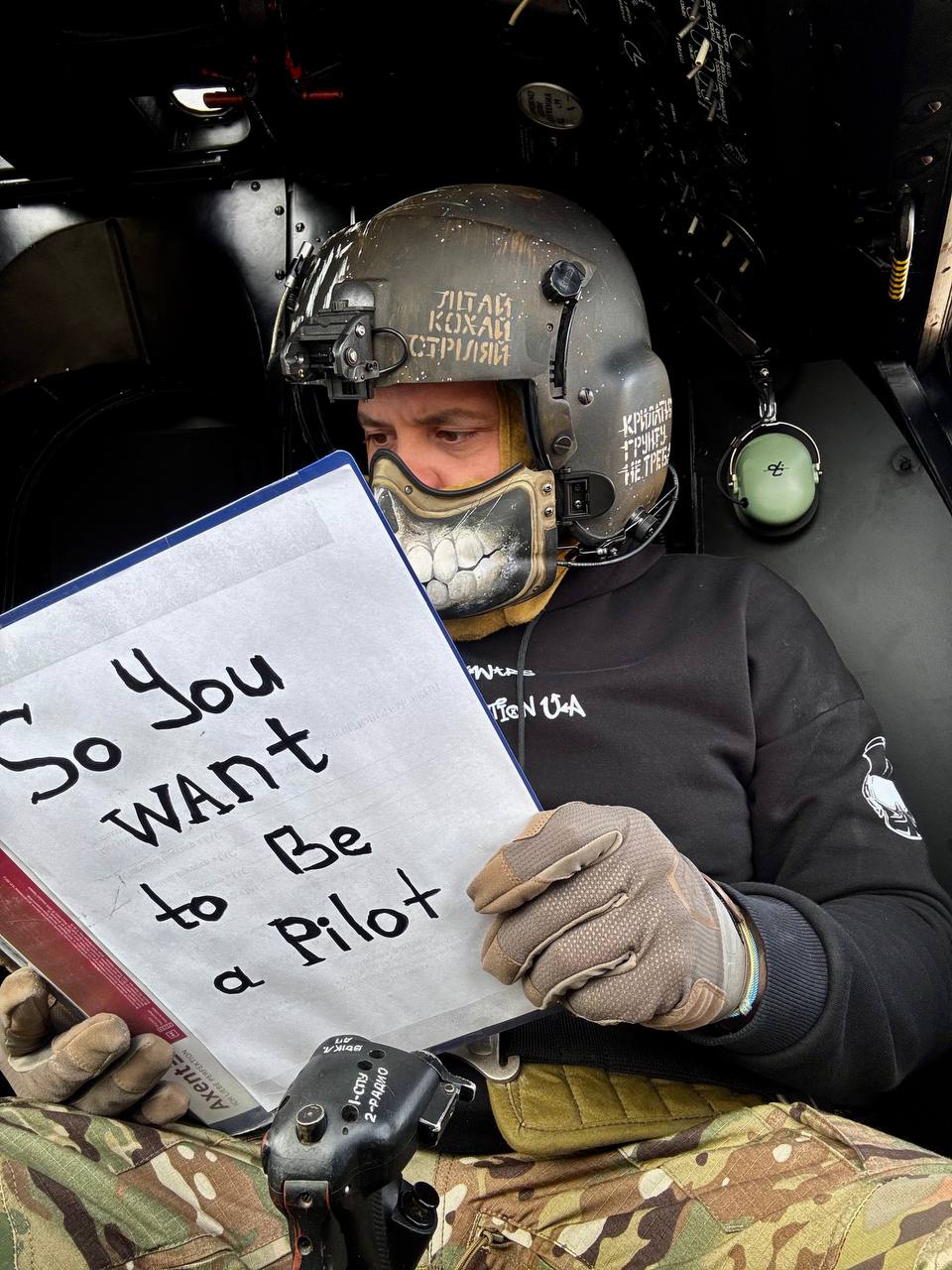
Kryzhyk’s helmet was custom-painted specifically for him, featuring his callsign, military insignia, and the phrase: “Fly. Love. Fight”. He deliberately wanted a helmet that would belong to him alone, so he purchased it with the support of volunteers.
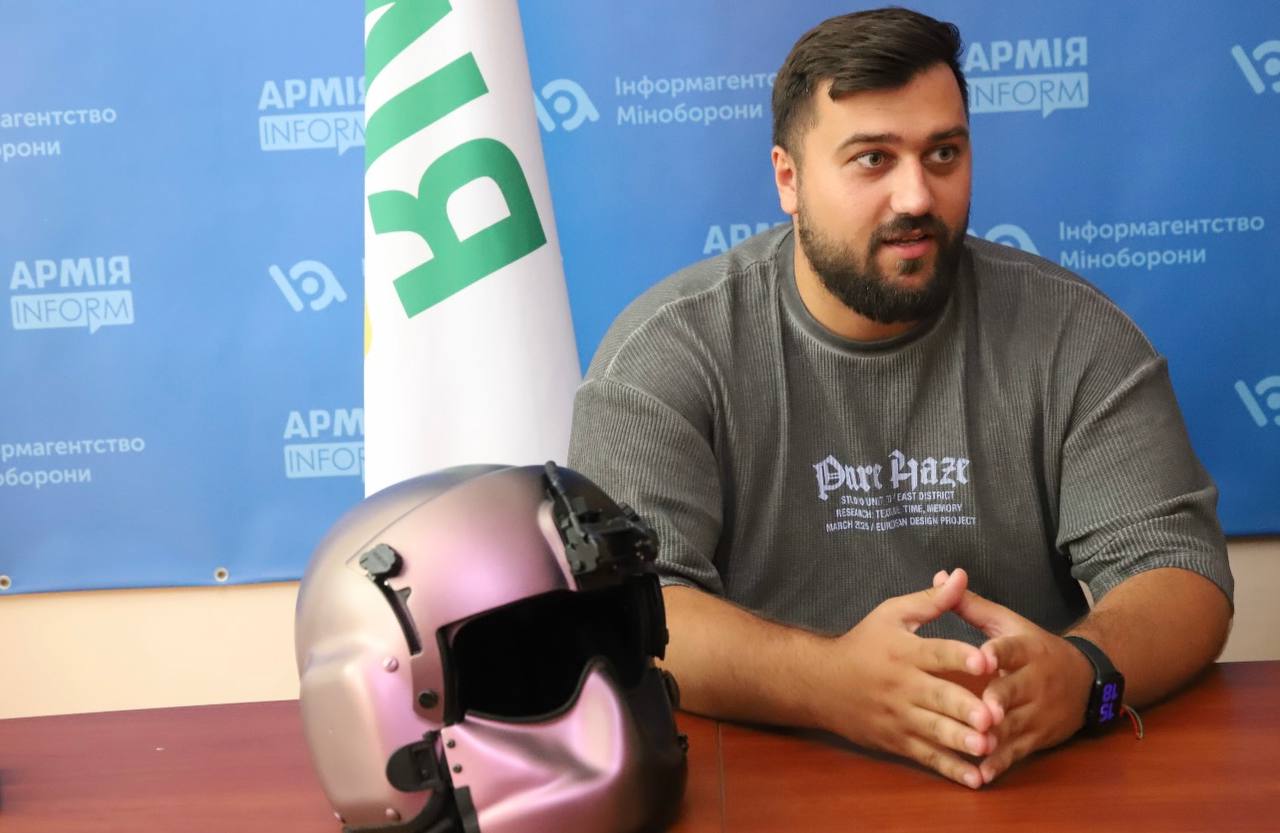
Korzh, meanwhile, is instantly recognizable among his comrades for another distinctive feature — his love of the color pink.
“On February 24, I was supposed to leave on a business trip. My bag already contained civilian clothes, including a pink sweatshirt. That same bag essentially went with me to war. During the first weeks of the full-scale invasion, I fought wearing it. Since then, I almost always have something pink with me — a T-shirt, a hoodie, or another piece of clothing. It’s become my own little tradition”, — the pilot says with a smile.
-
- Фото Тараса Перетятка / АрміяInform
-
- Фото Тараса Перетятка / АрміяInform
Army Aviation is now carrying out missions it was never originally designed to perform
Originally, Army Aviation helicopters were created primarily to support infantry on the battlefield.
Today, however, their role is far broader.
“We are Army Aviation — a branch of the Ground Forces. Our primary mission is to support infantry. But now we also shoot down Shahed drones, engage aerial targets, evacuate the wounded, and transport assault troops. We have also taken on some of the missions that have traditionally belonged to the Air Force”.
-

- Фото Тараса Перетятка / АрміяInform
-

- Фото Тараса Перетятка / АрміяInform
“We’re achieving the impossible with aircraft that should have been retired long ago”
The pilots speak about the Mi-8 with enormous respect.
But they also acknowledge, honestly, that its service life is not unlimited.
“Our helicopters have long been operating beyond what was originally envisioned in the manuals. Our engineers and commanders continuously improve them, and it truly works”.
At the same time, the crews are convinced that their combat experience would allow them to master any modern Western helicopter very quickly.
“We’re already accomplishing what many would consider impossible. If we were given modern navigation systems, advanced targeting equipment, and new helicopters, it’s honestly difficult for me to imagine what Ukrainian Army Aviation would then be capable of”.
Operations that have already become history
There is still much they cannot talk about.
Yet some operations have already become part of history.
“Azovstal. Snake Island. The beginning of Shahed interceptions. These have already become chapters in the history of Ukrainian aviation. But many operations remain classified”.
Intercepting enemy attack drones holds a special place among those missions.
“When you shoot down an aerial target, you realize you’ve just saved someone’s home. Someone’s car. But most importantly — you’ve saved someone’s life”.
“Behind every 30-second video stand hundreds of people”
The pilots strongly reject the idea that only flight crews deserve recognition.
“People watch a beautiful 30-second video of a helicopter flying. But behind those thirty seconds stand hundreds of people. Technicians. Engineers. Logistics personnel”.
Once a mission is over, the flight crew finally gets some rest.
The maintenance teams stay with the aircraft.
“In scorching heat. In the freezing cold. Fixing malfunctions. Refueling. Inspecting every system. Preparing the helicopter for its next combat sortie. They’re the reason we can climb back into the cockpit. They are the true titans of aviation”.
“Don’t confuse us with the Air Force”
One of the most important messages the pilots want civilians to understand is that Army Aviation has its own distinct mission.
“Many people think that everything flying belongs to the Air Force. In reality, that’s not the case. Army Aviation is a separate branch within the Ground Forces, with its own unique missions. We can land in forests, hover over water, evacuate the wounded, support infantry, and engage both ground and aerial targets. That’s why Army Aviation must continue to develop as a separate branch”.
“After Victory, the world will be lining up for our experience”
The pilots are convinced that once the war is over, Ukraine will become one of the world’s leading centers of combat aviation expertise.
“The experience we’ve gained doesn’t exist anywhere else in the world. Other countries will need it. The important thing is not to give it away for free. If we’re going to share it, it should be in exchange for new equipment, modern helicopters, and advanced air defense systems”.
“You don’t have to be born in a helicopter cockpit to become a pilot”
Despite the war, the crew believes that Ukraine is now raising the most motivated generation of military pilots in its history.
Kryzhyk says he often speaks with university students and prospective cadets and repeatedly hears the same misconception — that becoming a military pilot is possible only through personal connections or by coming from an aviation family.
“I’ve heard many young people say that you can only become a pilot if you have connections or if you were born into a family of aviators. That’s simply not true. If you’re passionate about the sky, airplanes, helicopters, or drones — everything is possible. What you need is good health, solid knowledge of mathematics, physics, and English, along with the willingness to work hard. The rest comes through training”.
Korzh believes today’s cadets enter military aviation with an entirely different level of motivation than before the full-scale invasion.
“They already know exactly why they’re studying. They see the examples set by combat crews, they know about the operations our pilots carry out, and they understand that after graduation they won’t be sitting idle. Today, it’s almost impossible to imagine being an aviation cadet without genuinely wanting to fly”.
He also points to significant improvements in the education of future officers.
“When we were cadets, we received a scholarship of only 200 hryvnias. Today, first-year cadets receive financial support of around 8,000 hryvnias a month, and later even more. That’s exactly how it should be. The Army must become stronger, and the training system must continue improving”.
Kryzhyk emphasizes that modern aviation is about far more than pilots alone.
“If someone’s health doesn’t allow them to become a pilot, it doesn’t mean there’s no place for them in aviation. There are dozens of professions — technicians, engineers, logistics specialists, maintenance crews. A pilot is only the tip of the iceberg. Without all these people, not a single helicopter would ever leave the ground”.
“We see you waving at us”
Toward the end of the conversation, the pilots are no longer talking about the war.
They are talking about people.
They remember a little boy who would run out with a Ukrainian flag every time their helicopter flew overhead.
One day, they landed nearby and handed him a package filled with sweets.
They also recall elderly residents in the Donetsk region to whom they dropped food supplies from their helicopter.
Two years later, they received a message from the couple’s daughter.
Her parents had survived and had safely evacuated.
“We see everything. We see the people waving at us. And it gives us tremendous strength”.
Full cavaliers of the Order of Bohdan Khmelnytsky
During the years of the full-scale war, both pilots have been awarded some of Ukraine’s highest state honors.
Kryzhyk and Korzh are Full Cavaliers of the Order of Bohdan Khmelnytsky, having received the Order’s III, II, and I Class for the successful execution of combat missions and for the courage they demonstrated while defending Ukraine.
They received the highest decorations personally from the President of Ukraine.
The pilots themselves speak about these awards with great humility.
“For us, the most important thing is that everyone comes home alive. Everything else is simply the result of our work”.
“Never forget who makes your ordinary life possible”
In closing, the pilots ask for only a few things.
Support the military.
Help veterans.
Teach children that people living with amputations or psychological trauma are not someone to fear or mock, but people who deserve respect.
And remember that the war is still ongoing.
“Don’t stop donating. Never forget who makes it possible for you to walk through your city, go to work, embrace your loved ones, and live an ordinary life. And value those who are protecting the sky today”.
Kryzhyk and Korzh say that this is precisely what gives them the strength to start the engines of their Mi-8 again and again — even when the sky has become the most dangerous place in this war.