Russia struck Ukraine’s oldest monastery, its largest costume collection, and Its organ hall. In a single night. With 681 weapons.


In one night Russia struck Kyiv-Pechersk Lavra, destroyed Ukraine's largest costume collection, and hit the Dnipro organ hall — killing 11 people.
In a single night of mass aerial assault, Russia struck three of Ukraine’s most historically significant cultural institutions — the Kyiv-Pechersk Lavra monastery complex, the Oleksandr Dovzhenko National Film Studio, and the Dnipro House of Organ and Chamber Music — killing 11 people across Ukraine and wounding 53 others in what President Volodymyr Zelensky and Ukraine’s Minister of Culture both described as a deliberate campaign against Ukrainian cultural identity.
The overnight attack of June 14–15 involved 681 aerial weapons — 70 missiles and 611 drones — making it one of the largest combined strikes of the full-scale war. Ukraine’s air defence forces intercepted 632 of the incoming weapons. The 49 that reached their targets struck 42 locations across Kyiv, Dnipro, Kharkiv, and the wider Dnipropetrovsk region.
Kyiv-Pechersk Lavra: A deliberate strike on a UNESCO Site
At 1:50 AM on June 15, a Geran-2 drone — Russia’s domestically produced version of the Iranian Shahed kamikaze UAV — struck the Stefanivsky Chapel of the Uspensky Cathedral within the Kyiv-Pechersk Lavra complex.

 Ukraine’s Security Service confirmed the weapon’s identity through forensic analysis of fragments recovered at the strike site, including sections of the drone’s body and engine. Component markings established that several parts of the drone were manufactured at Russia’s Alabuga Special Economic Zone — a facility previously identified by Western export control agencies as a hub for Russian drone production using foreign-sourced microelectronics.
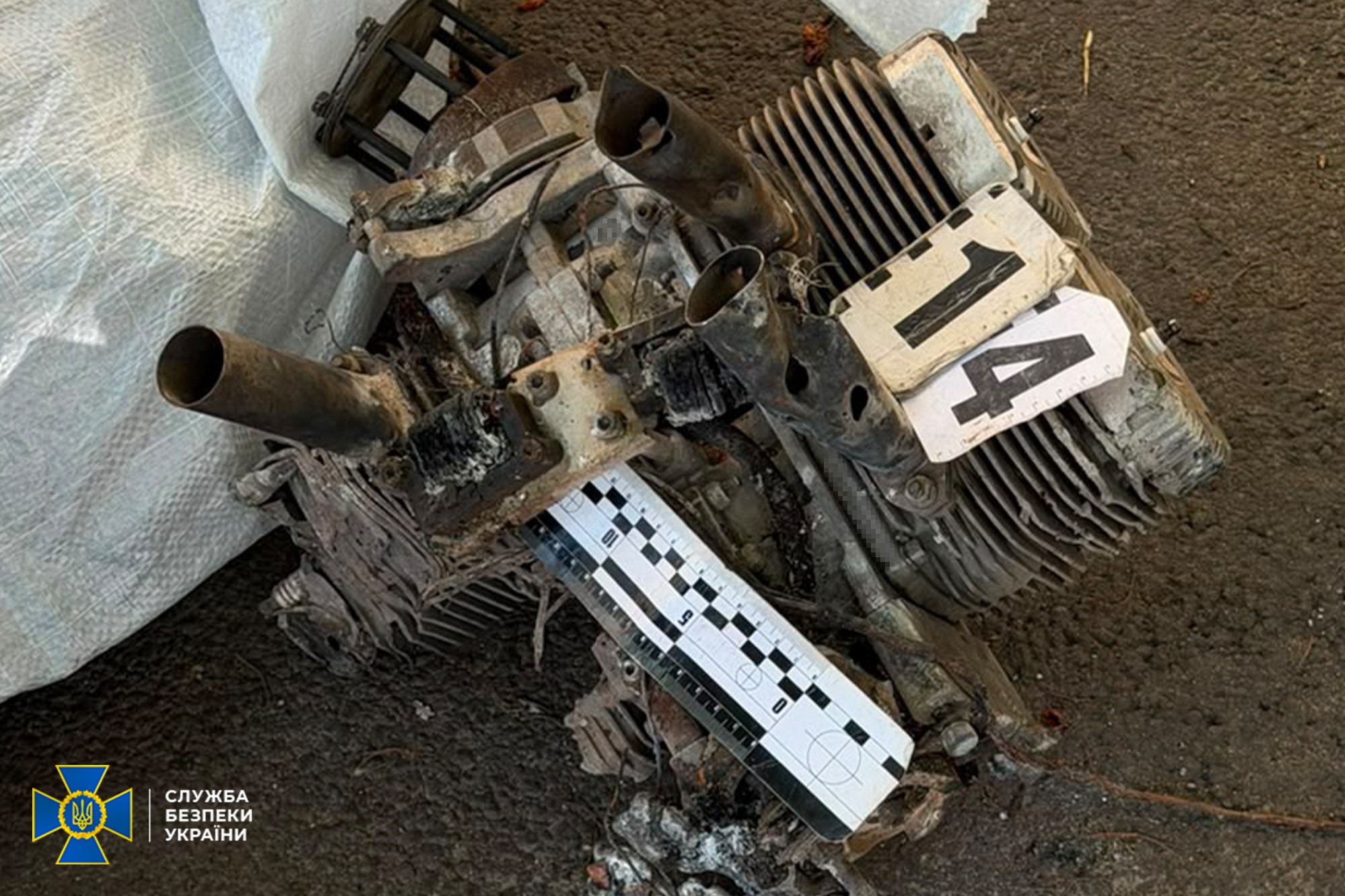
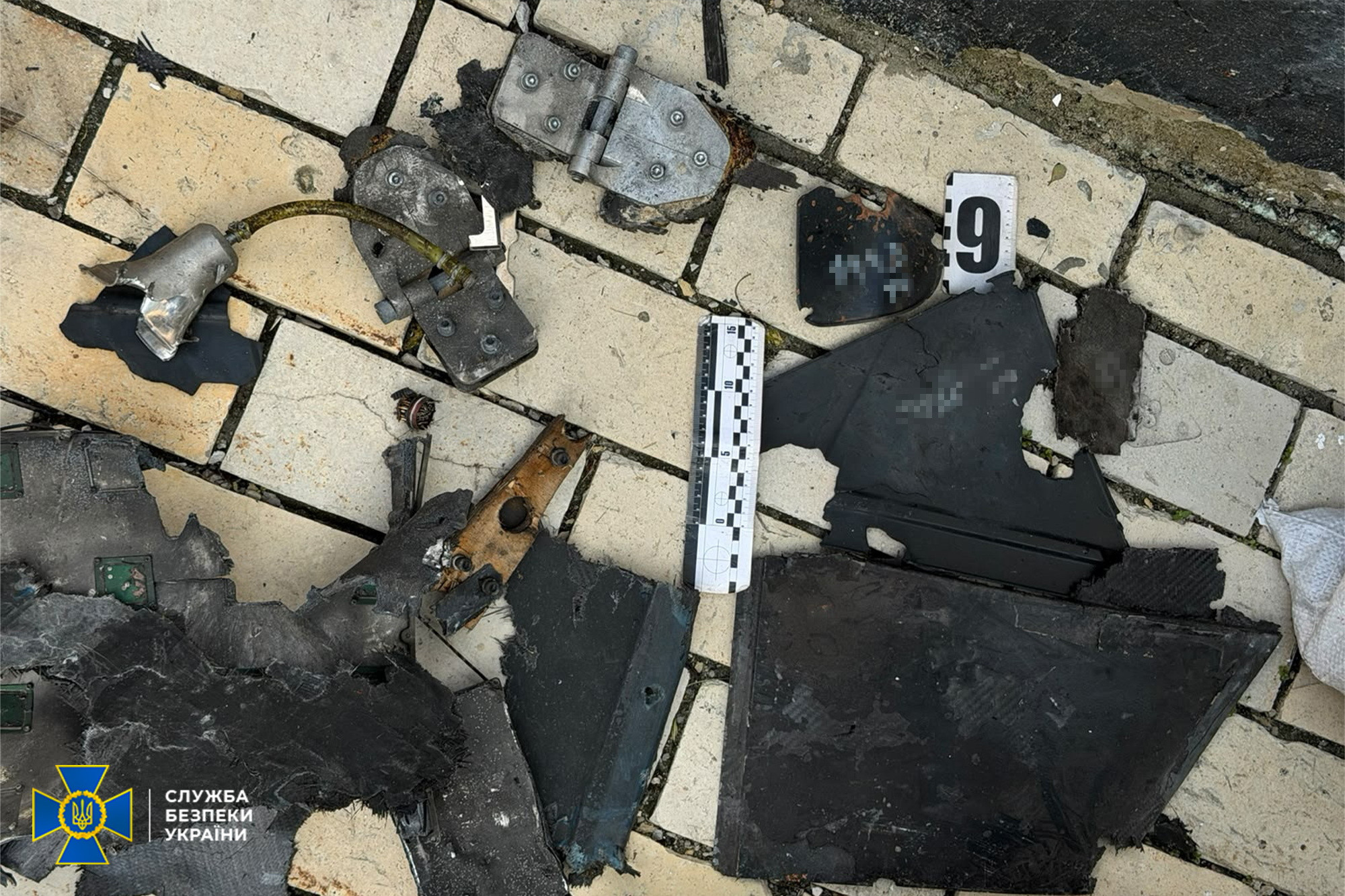
The strike damaged roof structures, domes, walls, and windows of the Uspensky Cathedral. No casualties were recorded at the monastery itself. President Zelensky visited the Lavra and the adjacent Mystetskyi Arsenal — also damaged in the attack — on the morning of June 15. His assessment was unambiguous.
“It has been confirmed that two Russian drones deliberately targeted the part of the city where the Lavra and Mystetskyi Arsenal are located,” President Zelensky said.
The Kyiv-Pechersk Lavra is one of the oldest monastic complexes in Eastern Christianity, founded in the 11th century and designated a UNESCO World Heritage Site. The Uspensky Cathedral — the complex’s central church — was rebuilt after its destruction during the Second World War. It has now been struck again.
Ukraine’s Security Service opened criminal proceedings under Article 438 of Ukraine’s Criminal Code — war crimes — under the procedural supervision of the Kyiv City Prosecutor’s Office.
Dovzhenko film studio: 100,000 costumes, 3 million items — destroyed
A separate strike hit the Oleksandr Dovzhenko National Film Studio in Kyiv — one of Ukraine’s oldest film production facilities — during the same overnight attack. Fire broke out at the studio following the impact. The costume workshop received a direct hit.
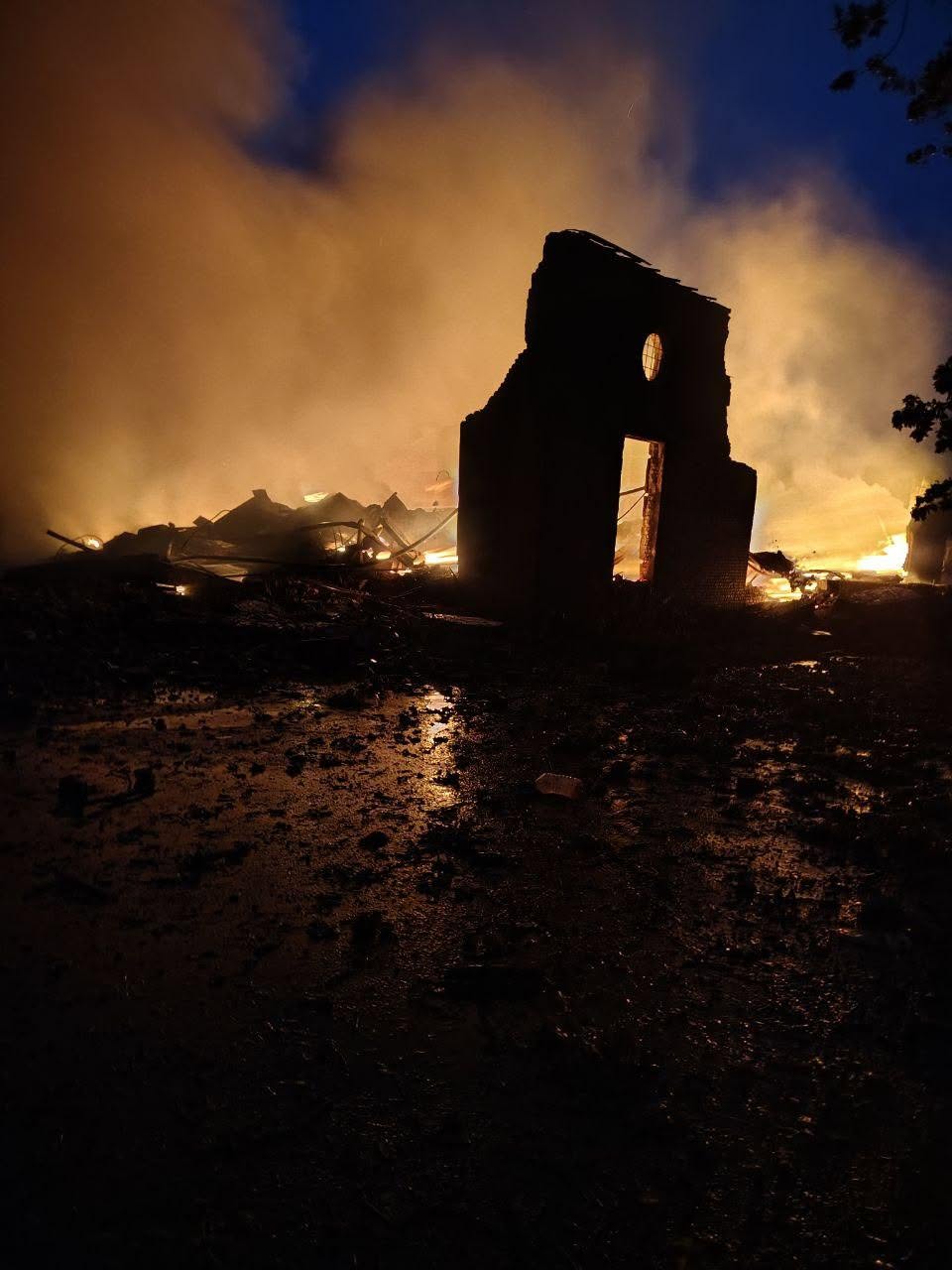
Ukraine’s Deputy Prime Minister for Humanitarian Policy and Minister of Culture Tetyana Berezhna confirmed the scale of the loss: the studio’s costume collection — the largest and oldest in Ukraine — was destroyed. The collection comprised approximately 100,000 costumes and three million individual items of clothing, spanning centuries of Ukrainian historical, theatrical, and cinematic heritage.
The items cannot be restored or replaced.
“Russia continues to deliberately attack not only civilian infrastructure and peaceful people, but also cultural institutions that preserve Ukrainian identity, memory, and history,” Berezhna said. “The destruction of cultural centres is an attempt to strike at the memory, history, and distinctiveness of the Ukrainian people.”
Dnipro: organ hall, college, clinics, schools
In Dnipro, overnight strikes damaged the House of Organ and Chamber Music, a college building, enterprises, and residential and civic infrastructure across multiple districts of Dnipropetrovsk region.
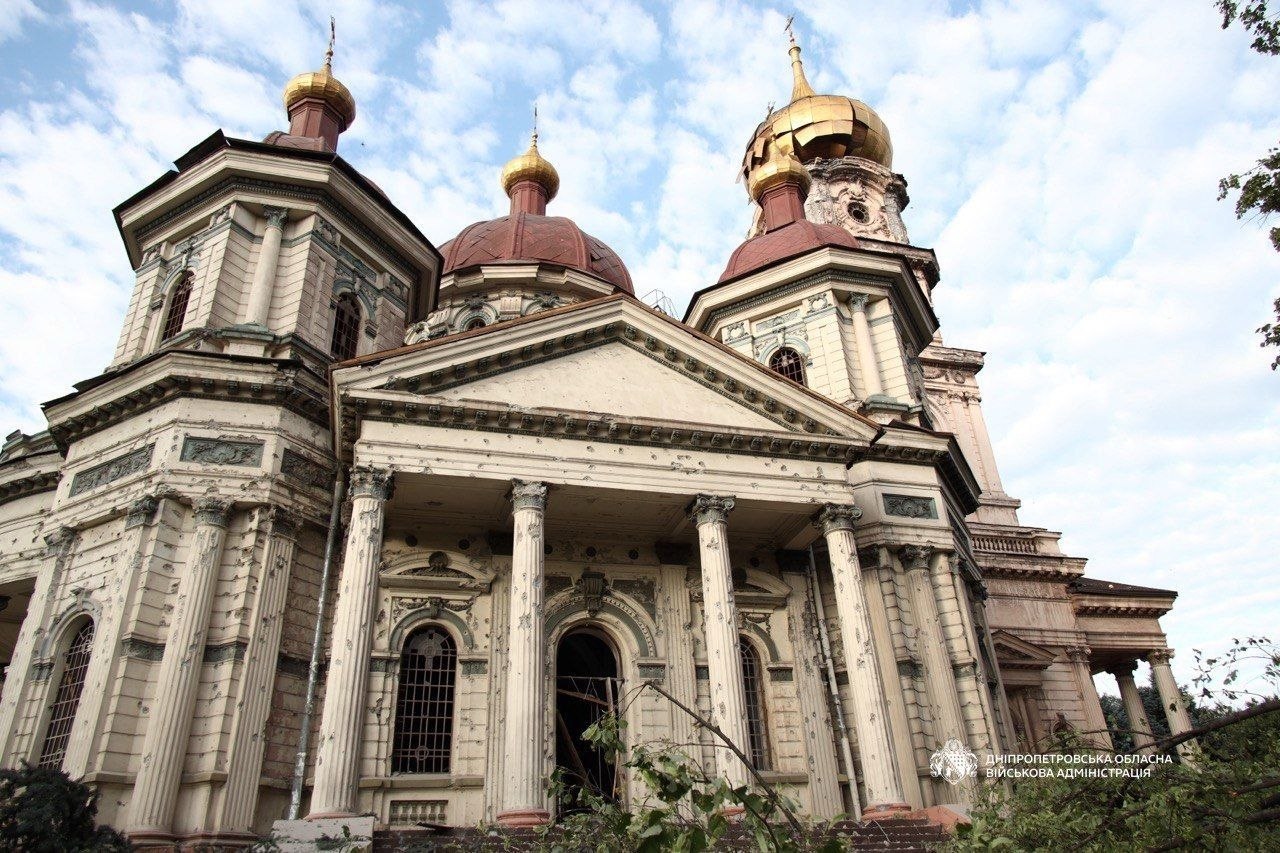
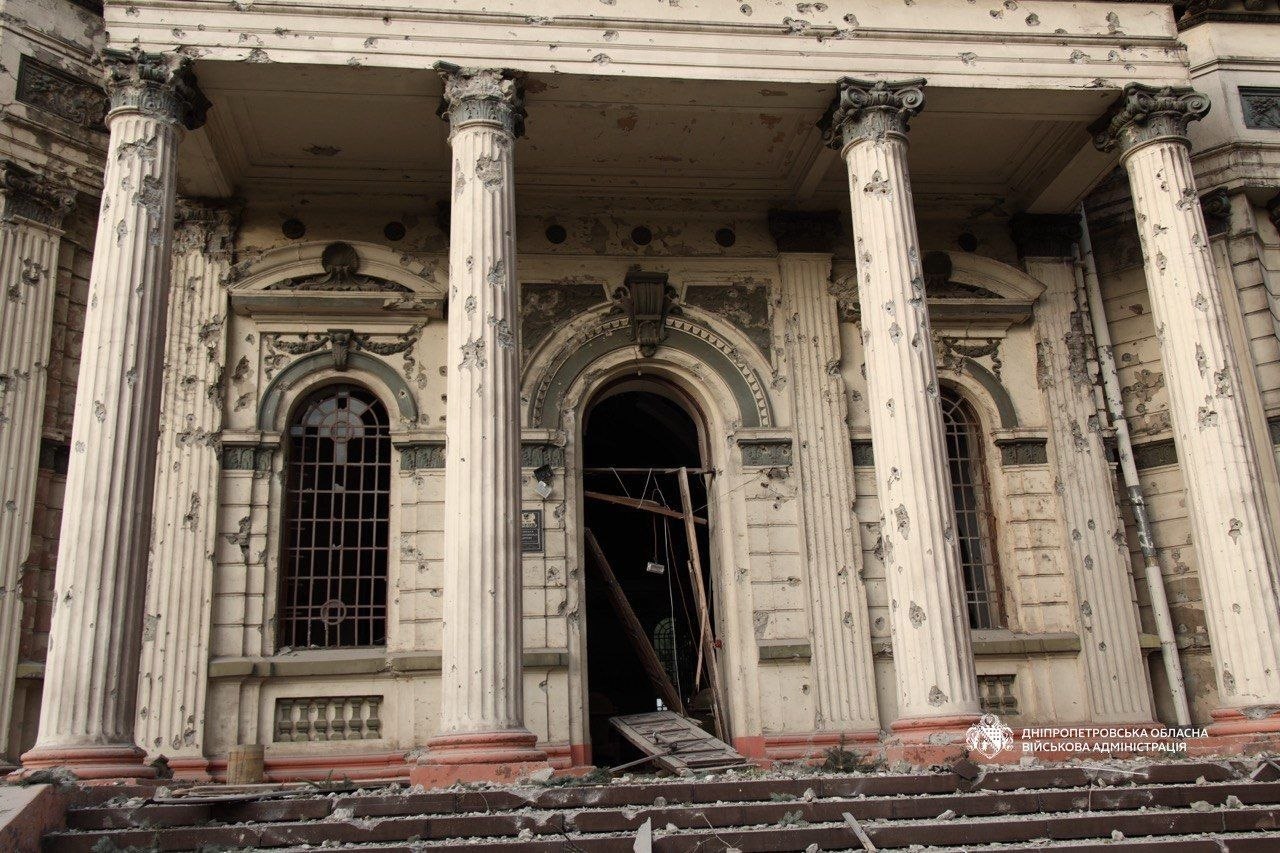
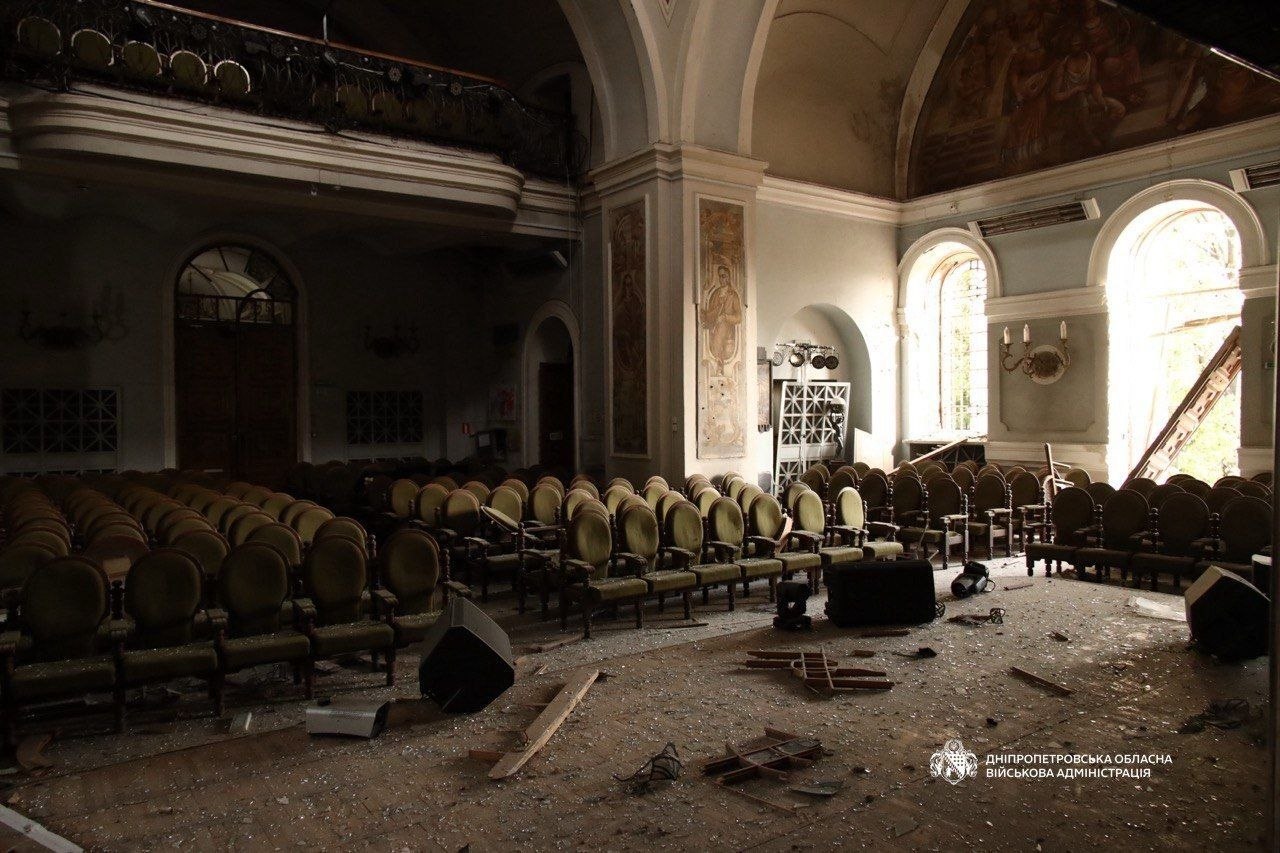
In the Nikopol area, an ambulatory clinic, a market, and an educational institution were damaged. In Synelnykivskyi district, a school and residential buildings were struck. In the Zelenodolska community, an enterprise was hit and a 46-year-old man was hospitalised. In Pavlohrad district, a private home and vehicles were destroyed.
A 64-year-old man was hospitalised in Dnipro in moderate condition following the strikes.
The full scale of the attack
Ukraine’s Air Force registered 681 aerial weapons in the overnight attack:
Six Zircon hypersonic anti-ship missiles launched from occupied Crimea. Thirty-four Iskander-M and S-400 ballistic missiles launched from Bryansk and Kursk regions in Russia. Thirty Kh-101 and Iskander-K cruise missiles launched from Vologda and Kursk regions. Six hundred and eleven drones of various types — Shaheds, Gerbers, Italmas loitering munitions, Banderol munitions, and Parodiya decoy drones — launched from six directions simultaneously.
Ukraine’s air defence forces — aviation, anti-aircraft missile units, electronic warfare units, unmanned systems forces, and mobile fire groups — intercepted five of six Zircons, all thirty cruise missiles, fifteen of thirty-four ballistic missiles, and 582 drones. The overall interception rate was approximately 92 percent.
Twenty ballistic missiles and 27 drones struck confirmed targets across 42 locations. Debris from downed weapons fell on 12 additional locations.
The total confirmed toll as of 8:00 AM: 11 killed across Ukraine, 53 wounded. In Kyiv alone, 35 people were wounded.
President Zelensky: International community must act
President Zelensky, speaking after his visit to the Lavra, instructed Ukraine’s Foreign Ministry and diplomatic service to activate all available contacts with international partners to ensure that events scheduled for this week and next produce concrete results — additional air defence systems for Ukraine and increased international pressure on Russia.
“It is important that leaders of countries, civic leaders, and international organisations are not silent,” Volodymyr Zelensky said.
The attacks on the Lavra, the Dovzhenko Studio, and the Dnipro organ hall occurred on the same night, using weapons manufactured at identified Russian facilities, targeting institutions with no military function. Each strike has been documented. Each site has been examined. Each weapon has been traced.

Ukraine’s position is that the evidence accumulated across four years of full-scale war — and concentrated in a single night of June 15, 2026 — leaves no room for ambiguity about the nature of Russia’s campaign.
The cultural institutions struck last night had survived for centuries. The Kyiv-Pechersk Lavra had stood for nearly a thousand years. It took one drone, manufactured in Alabuga, launched in the middle of the night, to damage what eleven centuries had not destroyed.