Ukraine strikes two Tatarstan refineries, synthetic rubber plant, and dozens of military targets overnight

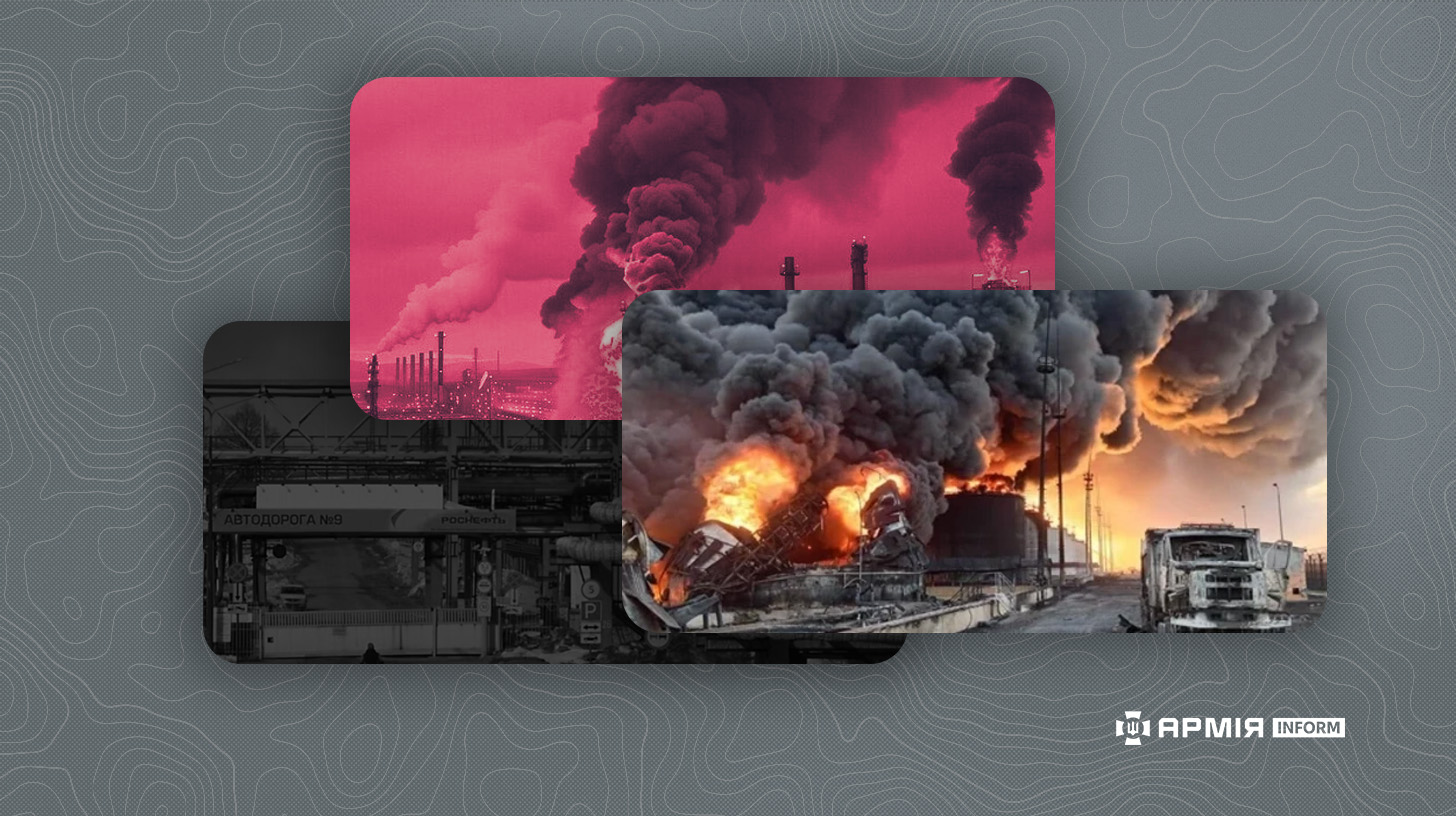
Ukraine struck two Tatarstan refineries, a rocket propellant plant in Tolyatti, and confirmed the Kuibyshev refinery has halted operations after June 10 strike
Ukraine’s Defence Forces struck two major oil refineries in the Republic of Tatarstan, a synthetic rubber plant in Tolyatti, and a series of command posts and logistics facilities across occupied territory on the night of June 11–12, Ukraine’s General Staff reported.
The strikes hit the TANEKO and TAIF-NK refinery complexes in Tatarstan and Nizhnekamsk respectively, with fires confirmed at both facilities. The same night, the Tolyattikauchuk industrial plant in Samara region was struck, with a fire confirmed on site.
The overnight operation extended Ukraine’s sustained campaign against Russian fuel production and military-industrial capacity — a campaign that has now damaged or destroyed facilities accounting for an estimated 40 percent of Russia’s primary oil refining capacity since January 2026.
The Tatarstan targets
The TANEKO refinery complex is among the largest oil processing enterprises in the Russian Federation, with a designed processing capacity of over 16 million tonnes of crude per year. The facility produces a broad range of petroleum products including diesel fuel and aviation fuel — the latter subject to a Russian government export ban imposed June 1 as domestic supplies tightened under the pressure of Ukrainian strikes.
The TAIF-NK complex operates with an exceptionally high refining depth — declared at over 95 percent following the commissioning of its heavy residue deep processing unit. The facility processes heavy high-sulphur crude oil and gas condensate, with output spanning mass-market fuels, naphtha, and specialised feedstocks for petrochemical and military applications.
Both facilities are located in Tatarstan, well over 1,000 kilometres from Ukraine’s state border — within the operational radius Ukraine’s Unmanned Systems Forces have consistently reached in recent months.
Tolyattikauchuk: rocket propellant supply chain
The strike on the Tolyattikauchuk plant in Samara region targeted a facility with direct military significance beyond fuel production. The plant specialises in the manufacture of synthetic rubbers — used in the production of solid rocket propellant for tactical and ballistic missiles — as well as monomers, fractions, and high-octane fuel additives.
Fires were confirmed on the plant’s territory following the strike.
The targeting of synthetic rubber production represents an extension of Ukraine’s strike logic beyond the fuel supply chain into the upstream materials that feed Russia’s missile manufacturing capacity. Solid rocket propellant is a critical component of the Iskander tactical ballistic missile system and other Russian rocket systems regularly used against Ukrainian cities.
Kuibyshev refinery: damage confirmed
Ukraine’s General Staff also released updated damage assessment for the Kuibyshev Refinery in Samara region, struck on June 10. The assessment confirmed direct hits on primary crude distillation units AVT-4 and AVT-5, as well as the RVS-2000 storage tank. The plant has halted operations.
AVT units — atmospheric vacuum distillation installations — are the core processing infrastructure at any refinery. Their destruction renders primary oil-to-fuel conversion impossible regardless of the condition of surrounding facilities. The confirmation that both AVT-4 and AVT-5 were struck, combined with the reported operational halt, indicates the facility will require an extended recovery period before returning to production.
Military targets
Beyond the industrial strikes, Ukrainian forces struck a series of military command and logistics targets across occupied and Russian territory.
Command observation posts were struck in the Obesty and Iskra areas of Kursk region in Russia, and in the Marynske area of Kherson region. Command posts were hit in the Voskresenka and Pokrovsk areas, and an enemy communications node was struck in the Vesele area of Donetsk region.
A Russian personnel concentration area at the Vostochnyi training ground near Novopetrivka in Zaporizhzhia region was struck. A field artillery depot was hit in the Rybyantseve area of Luhansk region, and a logistics depot was struck in Mariupol in Donetsk region.
The context
The overnight strikes bring Ukraine’s confirmed June refinery targets to three facilities in Samara and Tatarstan within 72 hours, following the Kuibyshev strike on June 10. Combined with the ongoing fuel crisis in occupied Crimea — where all major land crossings are now closed or under fire — and Russia’s June 1 aviation fuel export ban, the operational picture reflects sustained pressure on Russia’s fuel production and distribution system at multiple points simultaneously.
General Syrskyi reported on June 11 that Ukraine struck 111 Russian military-industrial, energy, and fuel infrastructure targets in May, causing approximately $1.058 billion in direct and indirect economic damage. The June operations are tracking at a higher tempo.