“It’s impossible to relax during a flight”: interview with MiG-29 fighter pilot callsign Denfix

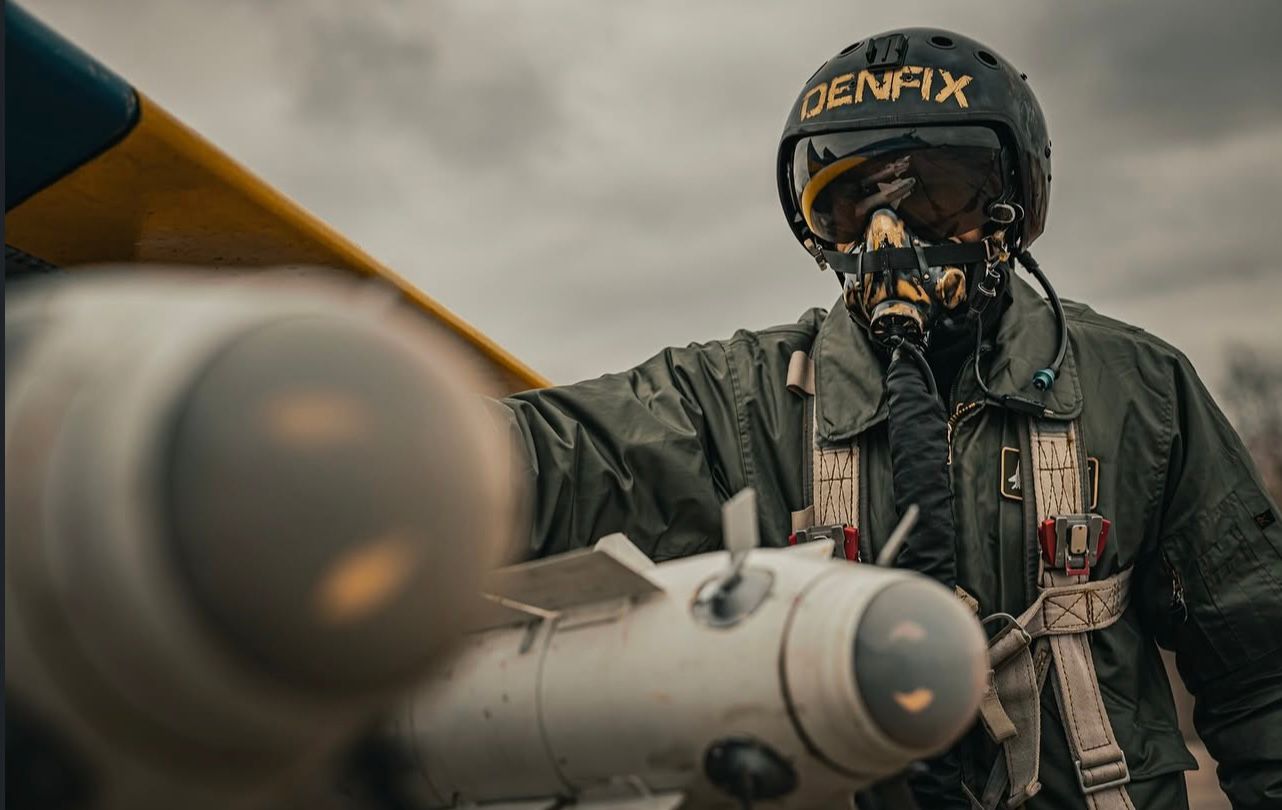
He learned to recognize the sound of an engine the same way people recognize the voices of loved ones.
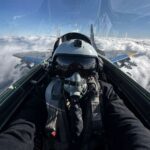
Before every combat sortie, he touches the aircraft with his hand, as if greeting a living being. And in the cockpit he always carries a photo of his wife — his small talisman.
MiG-29 fighter pilot with the callsign Denfix speaks calmly. But behind that calm tone are dozens of combat sorties, evasions from Russian missiles, destroyed Shahed drones, and the constant awareness that a single mistake in the sky can cost a life.
-
- Фото Владислава Дем’яненка
-
- Фото Владислава Дем’яненка
“I stopped whatever I was doing until the aircraft disappeared from sight”
— When did you first realize you wanted to fly?
— Probably back in childhood. I was born in Sumy, and there was no military aviation there, but I constantly saw civilian aircraft in the sky. And every time they flew overhead, I would simply stop and watch. I stopped whatever I was doing until the aircraft disappeared from sight.
Back then, I began imagining: what is it like inside the cockpit? What does the pilot see? What does he feel? And from that moment, I wanted not just to be a passenger — I wanted to fly myself.
— Did your family support your choice?
— My mother worried. For her, it meant letting me leave home. But my father was very happy. He himself once dreamed of becoming a pilot, but it never worked out. So it turns out I fulfilled both my dream and his.
-
- Фото Владислава Дем’яненка


“My aircraft is a living machine with character”
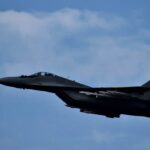
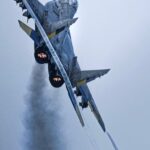
Today Denfix flies the MiG-29. He says it is impossible to perceive a fighter jet as just a piece of machinery.
— It is a living machine with character. Very powerful, fast, aggressive. But at the same time, it demands absolute concentration. The sky gives emotions that cannot be compared to anything else.
Before combat sorties, he always does the same thing.
— I am a religious person, so before flying I pray. And I always take a photo of my wife with me. It’s my talisman. And when I approach the aircraft, I always touch it with my hand — as if greeting it.
“Every second sortie is an escape from a missile”
Over the years of the full-scale war, the pilot has destroyed around twenty aerial targets — cruise missiles and drones. He operated in the Sumy, Zaporizhzhia, and Kherson sectors.
He says the most dangerous flights were those near the line of combat contact.
— Almost every second combat sortie is a situation where Russian air defense systems are engaging you. And then it literally becomes an escape from a missile.
In such moments, there is no time for emotions.
— You receive information about a missile launch and immediately have to react. Maximum concentration. Adrenaline. You simply must get the aircraft out of the engagement zone.
— Were there moments when a missile passed critically close?
— About twenty kilometers away. On the ground, that’s far. In the sky, that’s critically close.

“Shooting down a Shahed is not as easy as many people think”
The pilot admits he is surprised when people underestimate the complexity of fighter aviation operations against drones.
— Everyone thinks: it’s just a Shahed. But the problem is that a fighter jet is a very fast aircraft. And the drone is small and slow-moving. It’s difficult to acquire, difficult to approach correctly. And when you close in, you literally have seconds to make a decision. Because there’s even a risk of colliding with it.
After a successful strike, emotions sometimes break through right in the cockpit.
— When you see a missile detonate in the air — it’s impossible to put into words. You realize: this sortie was not in vain, and that missile will not reach someone’s city.
“After a flight, you feel as if you spent the whole day carrying something heavy”
The hardest thing, Denfix says, is not the physical strain but the constant concentration.
— It’s impossible to relax during a flight. You are constantly monitoring everything around you. And when you return to the ground, only then does your body allow itself to release the tension. After combat sorties, you are simply exhausted.
Losses are a separate subject.
— I have lost brothers-in-arms. I attended their funerals. It is very hard. And then an enormous anger toward the enemy appears.
“People see romance. But behind it lies enormous responsibility”
Despite the risks, he does not hide the fact that he loves his profession.
— People often see only the beautiful image of flying and romanticize it. But behind it stands enormous work, discipline, and psychological strain. Though yes — I truly enjoy what I do.
And even after hundreds of hours in the sky, Ukraine still amazes him from above.
— Every time I look at our land and think about how beautiful it is. In summer, autumn, winter — every flight is special. And if someday I have my last flight, I would simply like to enjoy the sky over Ukraine and remember it that way — peaceful and free.
“If this is your dream — don’t be afraid of a difficult path”
Today Denfix often receives messages from children and teenagers who also want to become pilots.
And his answer to them is simple:
— If this truly is your dream — don’t be afraid of a difficult path. Persistence, discipline, and love for the sky can take you much farther than it seems at the beginning.
And for all Ukrainians, he has one more request:
— Value every day in your own country. And help in whatever way you can. You do not necessarily have to be in the military. Volunteering, support, any contribution — all of it brings closer the day when there will be peaceful skies over Ukraine.