The Sting and P1-Sun interceptors and the Stormer air defence system: how the 1129th Bilotserkivsky Anti-Aircraft Missile Regiment is defending the Ukraine skies

Every day, the enemy launches a large number of drones that conduct reconnaissance or attempt to strike Ukrainian defenders or civilian settlements.
However, the Ukrainian military has built a layered air defense system.
In addition to “traditional” surface-to-air missile systems, drone interceptors have recently been added, which destroy a large number of enemy aircraft on a daily basis.
ArmyInform explains how crews of the 1129th Anti-Aircraft Missile Bila Tserkva Regiment are building an integrated air defense system in the East.
First layer: “winged hunters”
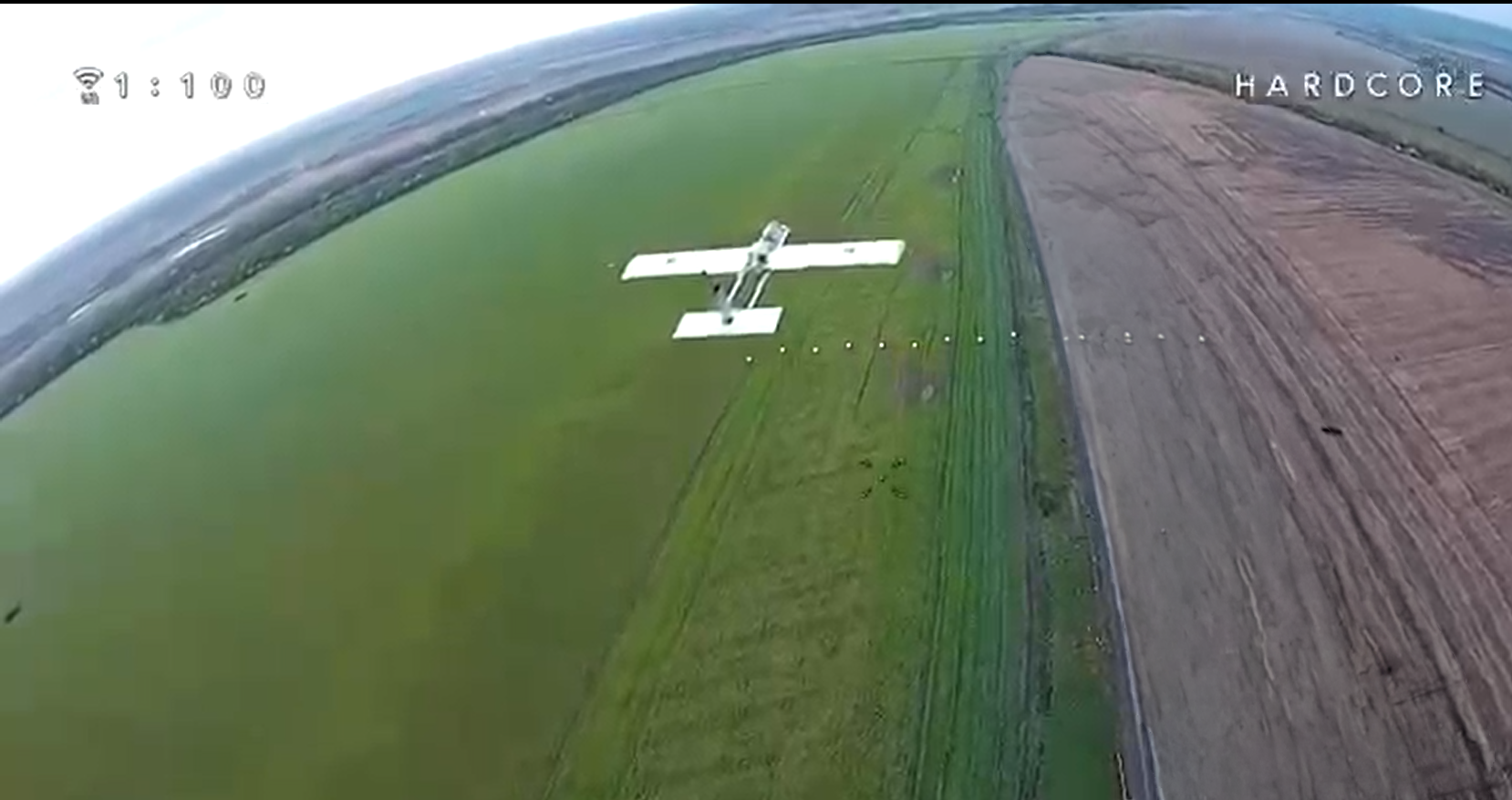
Just one of the drone interceptor crews of the Bila Tserkva Regiment shot down more than 100 aerial targets over the past month. Their record includes both kamikaze drones such as “Shahed” and “Molniya”, as well as reconnaissance drones like Zala, Orlan, and Supercam. The crew started with standard FPV multirotor drones but has since transitioned to specialized interceptors – Sting, P1-Sun, and Striker.
“What are the advantages of interceptor drones in air defense? First of all, they are cheaper. Fewer people are involved. One crew can prepare drones and operate them directly. Static systems can only engage targets when they enter their engagement zone. We, for example, can track a target, wait until it leaves a populated area, and destroy it in an open field. Also, our drones can be recovered. If, for example, someone already shot down the target or it turned out to be a friendly one, missiles don’t allow that – once launched, that’s it,” says the crew commander with the call sign “Bot”.
-
- Кадри ураження ворожих БПЛА дронами-перехоплювачами
-
- Кадри ураження ворожих БПЛА дронами-перехоплювачами
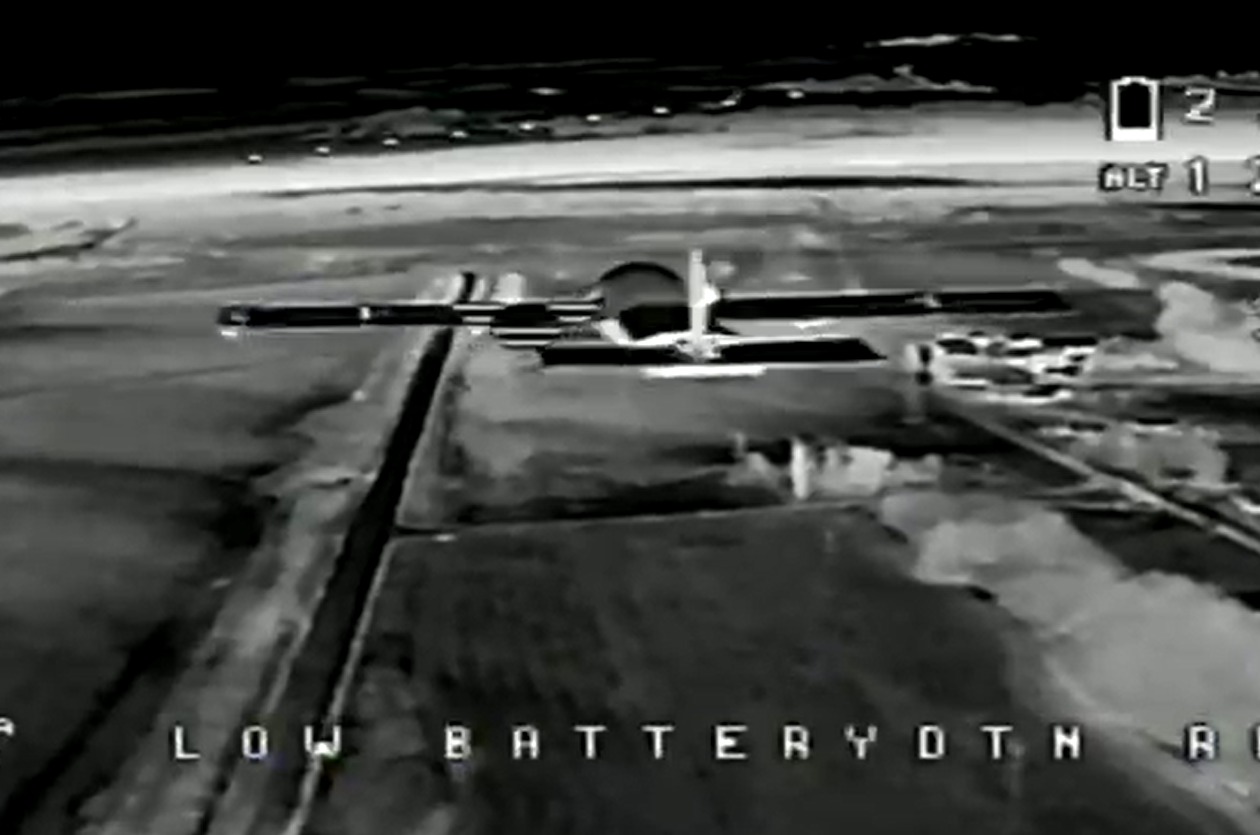
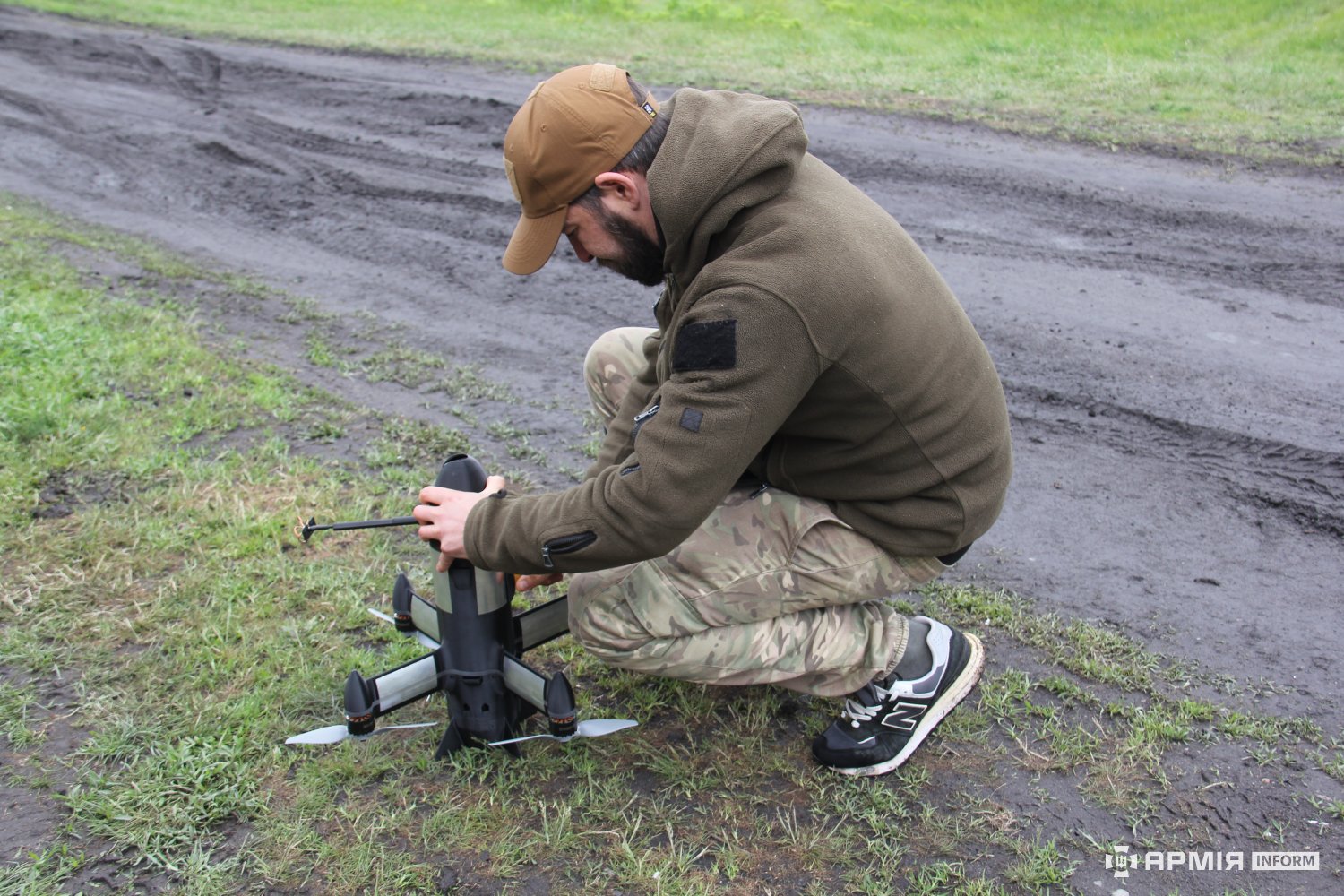
He also notes that interceptor drone crews are highly mobile. According to “Bot”, if targets enter their area of responsibility, it takes only a few minutes to launch an interception:
“The ground station is powered on, the drone is deployed, and we are ready to operate.”
-
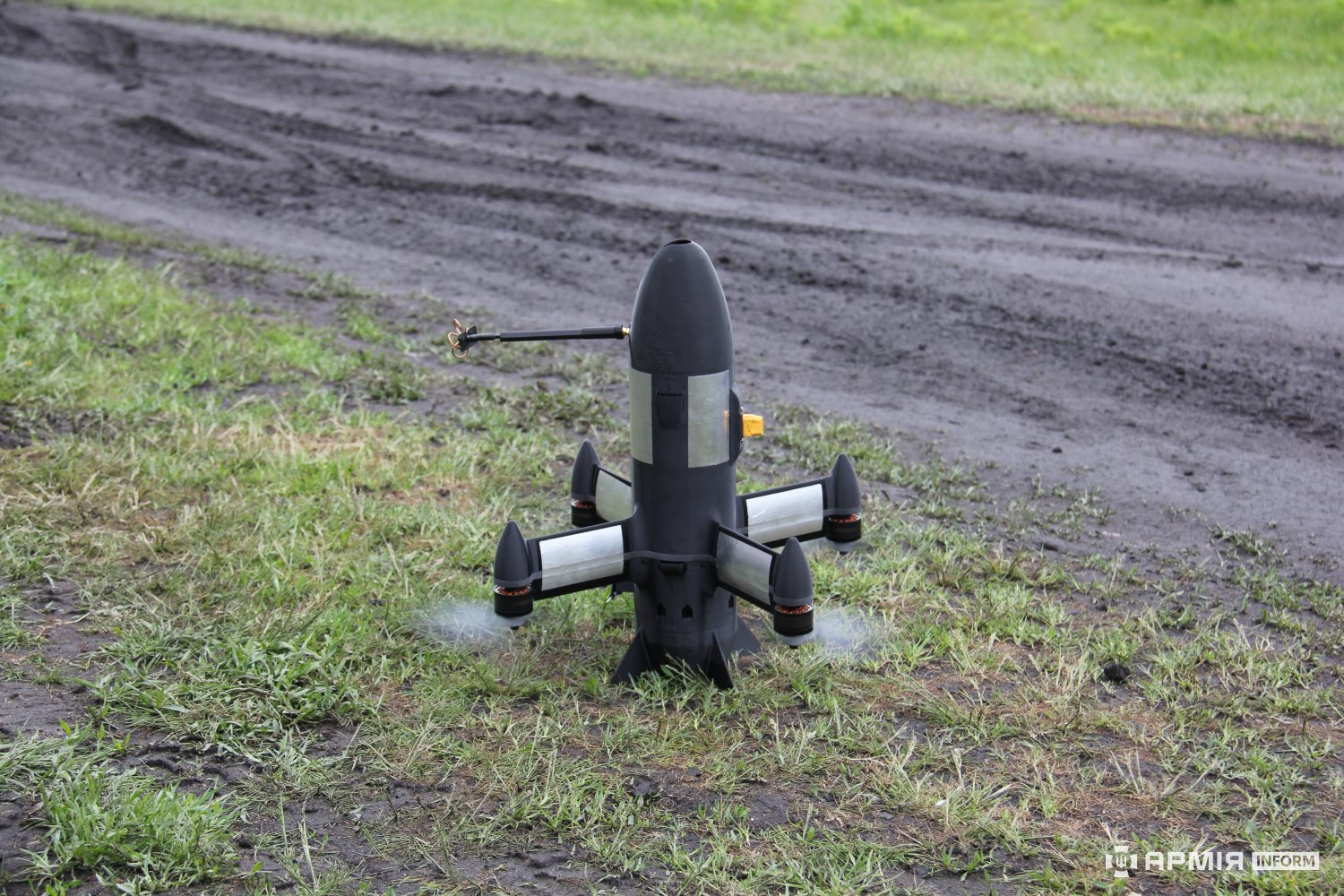
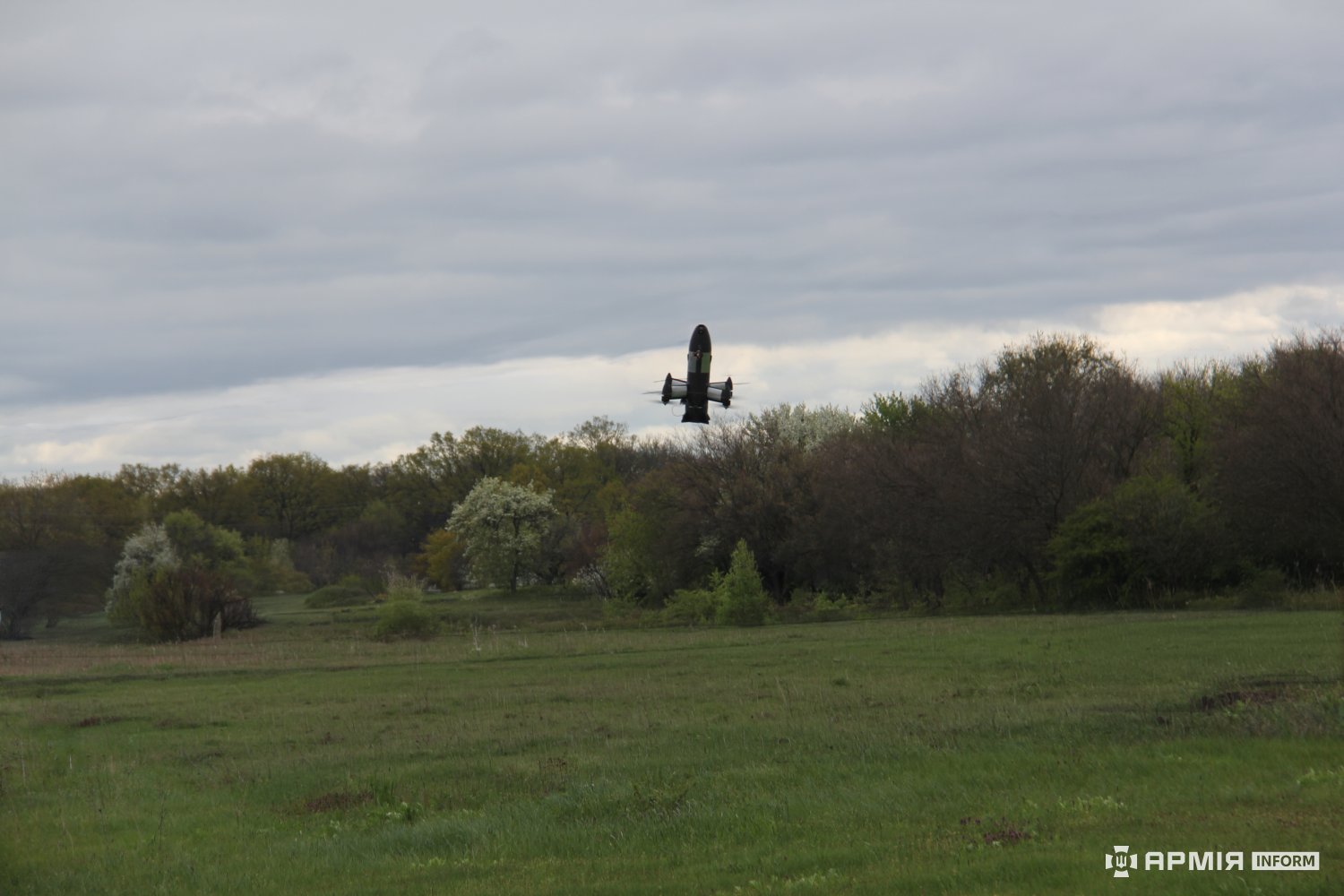
- Підготовка та запуск дрона P1-Sun
-
- Підготовка та запуск дрона P1-Sun
-
- Підготовка та запуск дрона P1-Sun
“Sometimes three interceptors go after one target”
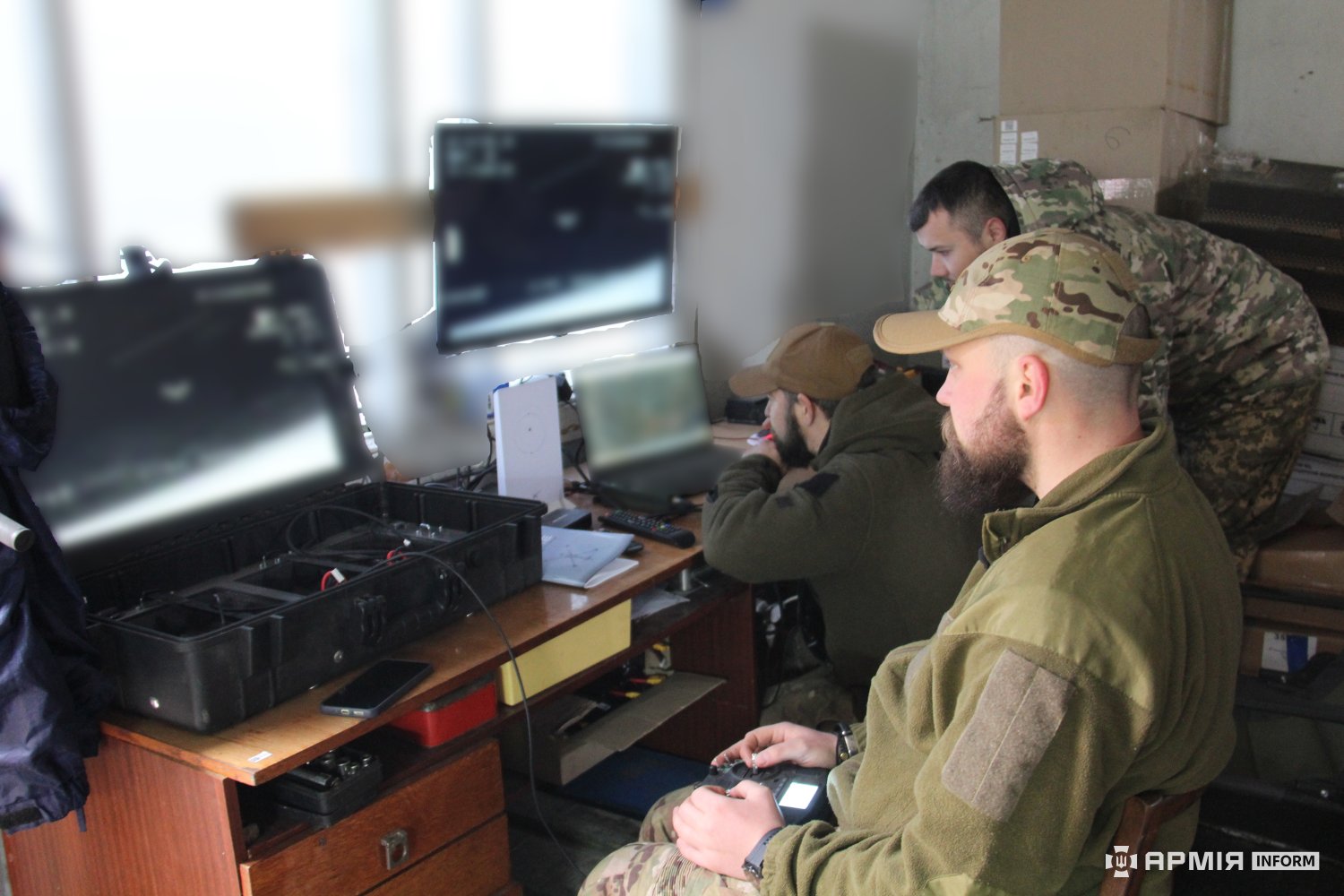
The interceptor drone system is constantly scaling up, “Bot” continues. There are crews operating FPV drones directly near the contact line – they form the first layer of defense. There are also crews operating further back, protecting rear areas and logistics. As a result, it is now common for multiple teams to engage the same target.
“We have adjacent crews we stay in contact with. The number of interceptors is constantly growing. Sometimes three interceptors go after one target. One engages it, the others queue up. So if one crew fails to destroy the target, another finishes it,” he says.
He adds that there is healthy competition between units.
“Being the first to detect and shoot down a target is much more satisfying than watching someone else do it. And when a crew takes first place at the end of the month, it’s of course rewarding. But overall, the more targets are destroyed, the fewer reach our soldiers and our cities,” “Bot” adds.
Second layer: the steel fist of Stormer
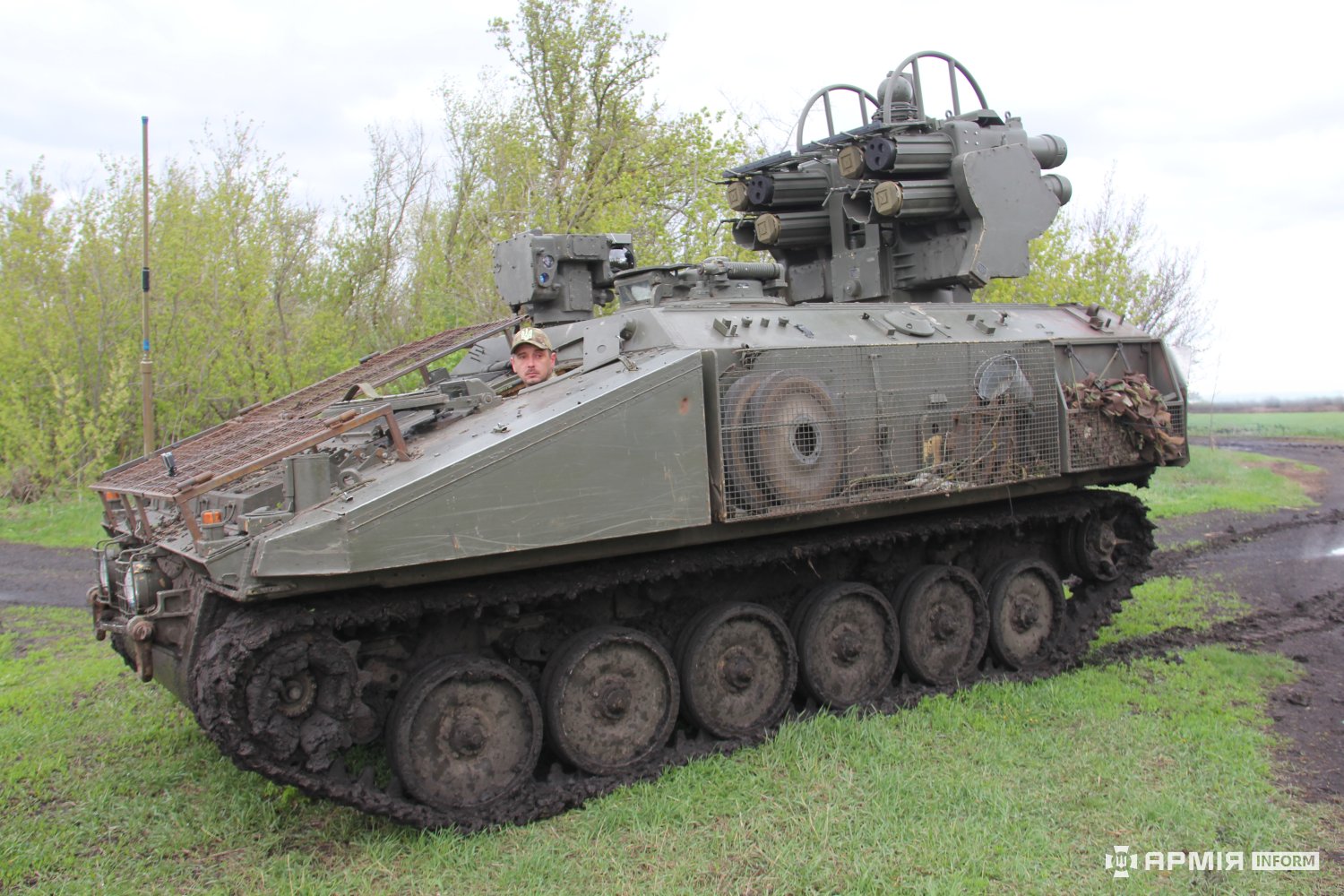
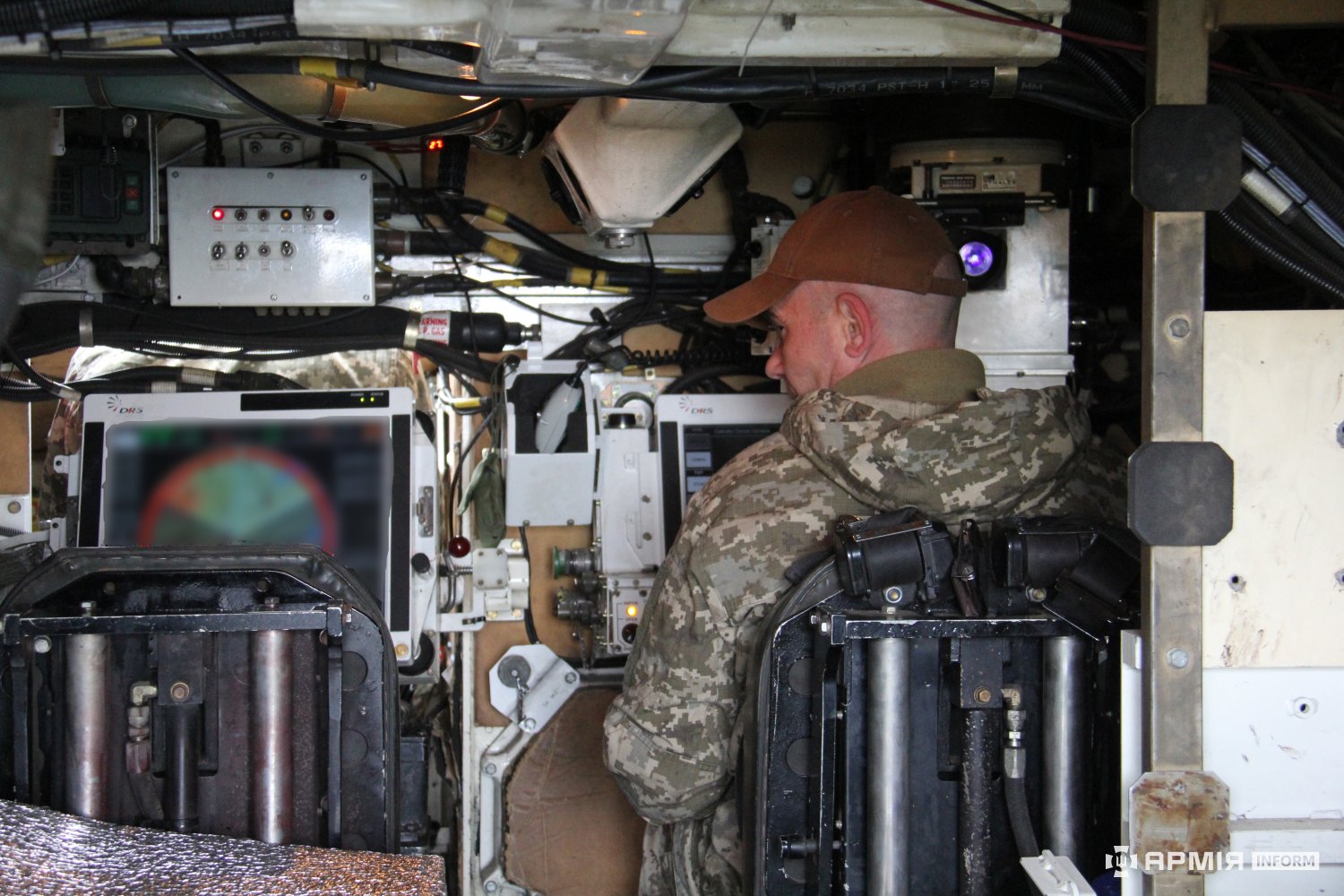
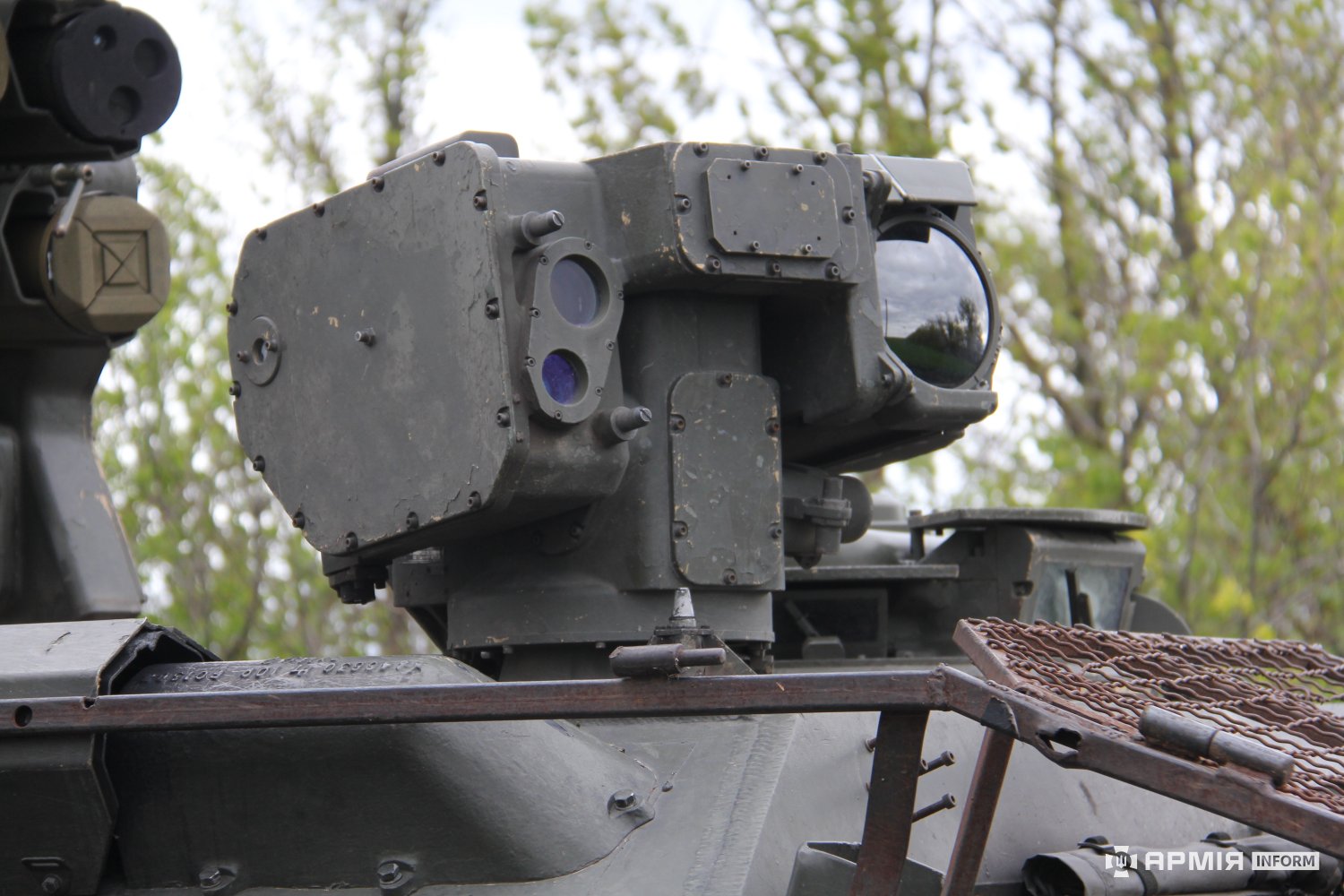
Є в арсеналі Білоцерківського полку й «класичні» засоби. Наприклад, британський ЗРК Stormer. Ця машина розроблялася для ураження літаків та гелікоптерів. Але сучасні умови війни диктують свої правила. Зараз Stormer працюють здебільшого теж по дронах.
“We have two types of missiles, LMM and HVM. We can engage almost anything within our engagement zone. We’ve shot down almost all types of drones – ‘Shaheds’, ‘Lancets’, various reconnaissance fixed-wing drones,” says combat vehicle operator Ivan.
“During massive attacks, there is enough work for everyone”
The system’s advantages include armor and mobility. It takes only a few minutes to deploy and begin operating, Ivan says. He also notes a certain competition with drone interceptors, as drone crews often detect targets faster.
“They are closer and detect targets faster. We usually get what they cannot hit. However, during massive attacks there is enough work for everyone. Not long ago, we shot down four ‘Shaheds’ in four minutes. There were a lot of them coming. Another crew shot down six ‘Shaheds’ in seven minutes,” Ivan says.
“Usually: one missile, one target”
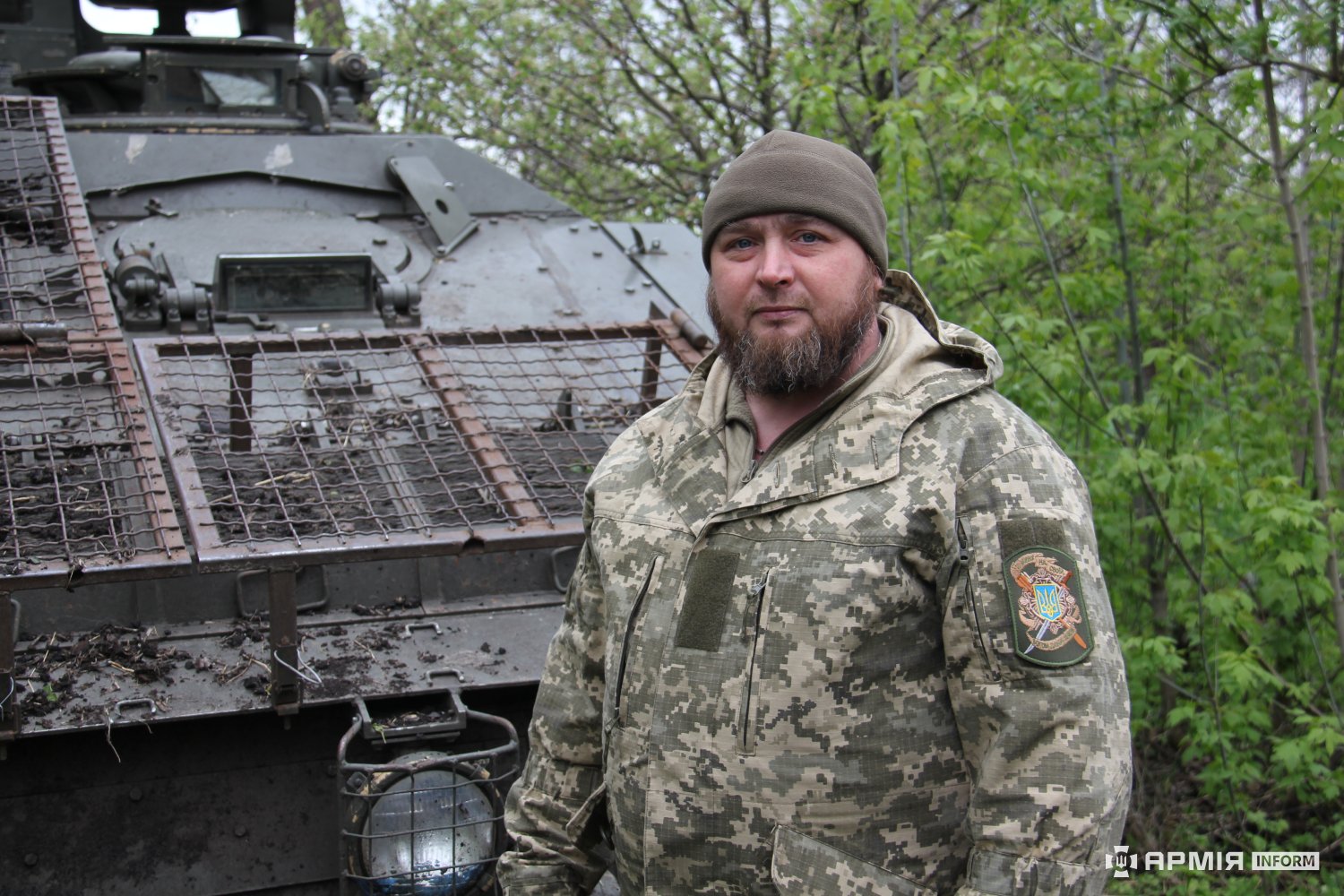
Stormer is a very effective system, adds its commander Yurii, call sign “Vasylovych”. Once a target enters the engagement zone, it is destroyed in 90% of cases.
“I don’t know the interception rate of drones. For us it’s usually one missile, one target.
Sometimes a missile may fail, but such cases are rare,” he says.
Armor that saves lives
Stormer can not only destroy aerial targets but also save its crew’s lives. Commander “Vasylovych” recalls an incident when Stormer’s armor withstood a direct hit from a Lancet drone. The crew remained unharmed. The vehicle was damaged but still operational and managed to leave the engagement area.
Regarding competition with interceptor drones, he has a pragmatic view:
“There is sometimes a bit of envy. But thank God the targets are being destroyed. It doesn’t matter whether by us or by them. If they shoot them down – good. If we shoot them down – even better. The main thing is that they don’t fall on our people’s heads.”
