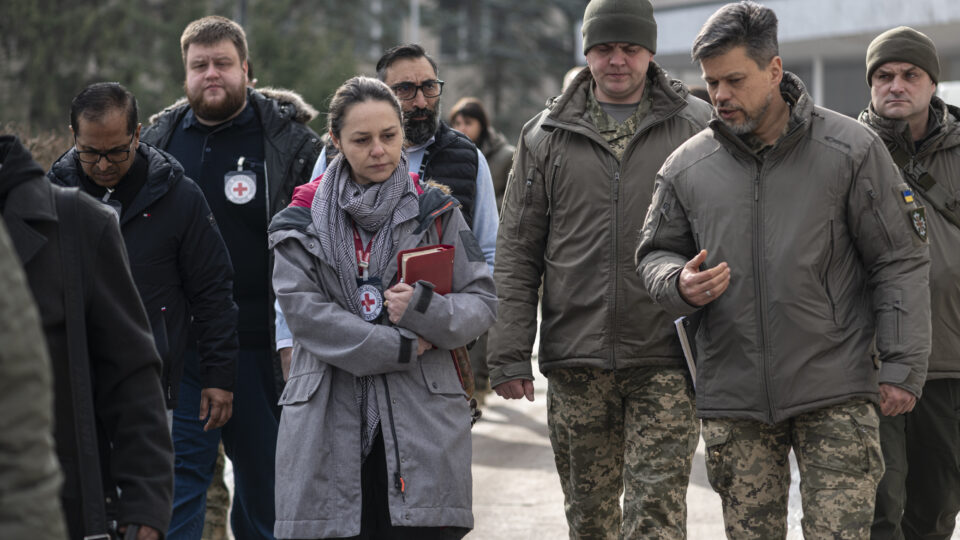
The international delegation, headed by Ana Lucía Bueno, ICRC Public Health Coordinator, and Sujit Panda, Head of the Physical Rehabilitation…

The Russian occupation of Kherson left behind not only destroyed infrastructure and a looted city.
It left places where people were systematically broken. One of these was a torture chamber in the city center.
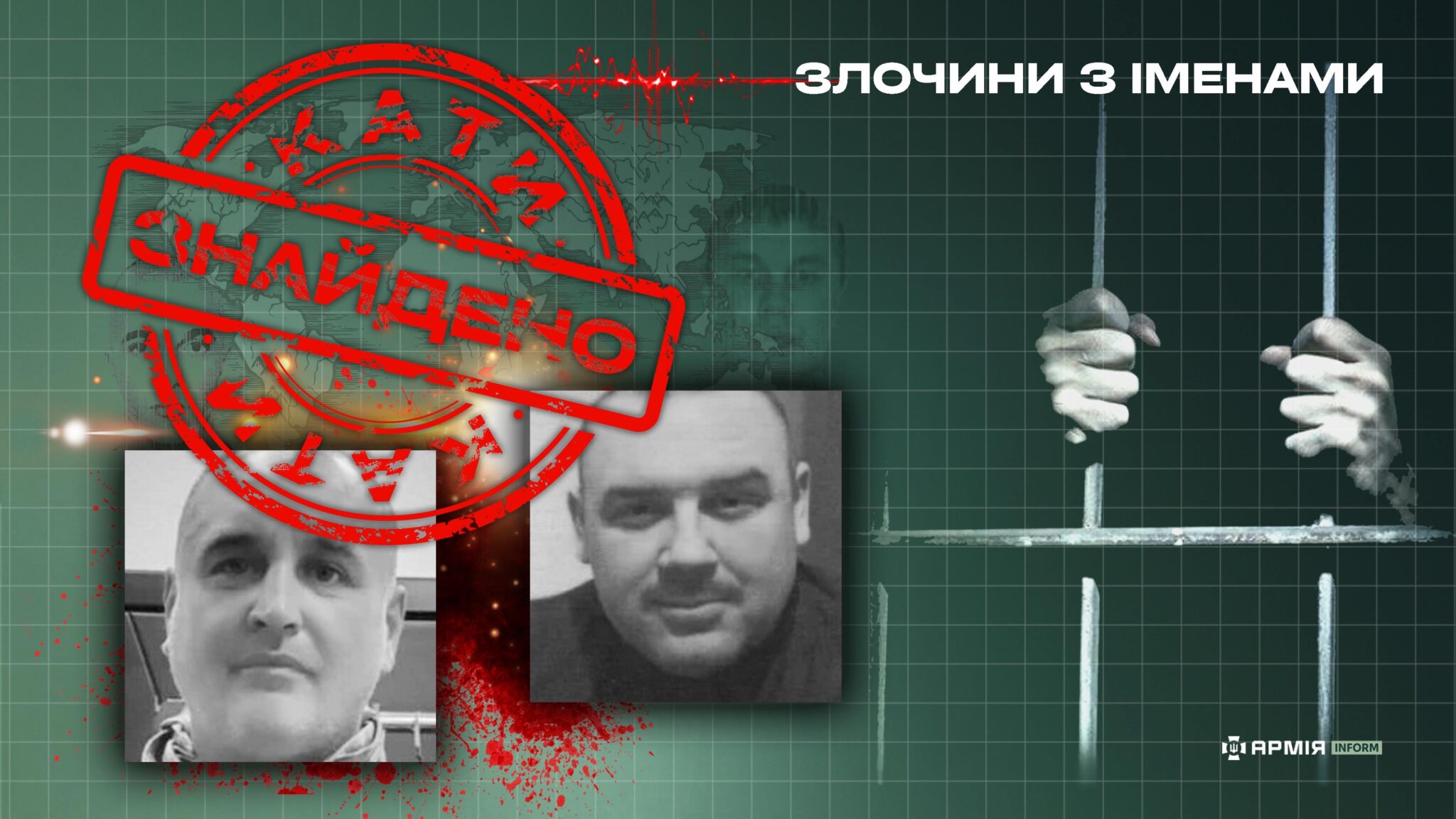
The Security Service of Ukraine has identified two Ukrainian citizens who, together with Russian military personnel, participated in the torture of civilians in the basement of a seized building in Kherson.
A detailed dossier on these traitors was published by the Book of the Executioners of the Ukrainian People.
These are individuals who voluntarily sided with the occupiers and became part of the repressive machine created to suppress any resistance from Ukrainians.
Now their names are known.
The first suspect is Anatolii Romanchuk, born in 1976, a native of Donetsk.
During the occupation he held the position of head of the so-called “Special Operations Department ‘A’” of the pseudo-agency called the “State Security Service of the Kherson Region” — a structure created by the Russians modeled after the FSB.
The second figure is Serhii Kobrin, born in 1983, a native of the village of Mali Kopani in Skadovsk district of Kherson region.
In the occupation structure he worked as a senior operative officer of the Skadovsk interdistrict department of the same pseudo-special service.
Both acted not as observers or mere executors of orders. According to investigators, they personally participated in the torture of civilians.
In the spring of 2022, Russian troops together with collaborators created a pseudo-special service in the occupied territory of Kherson region — the “State Security Service of the Kherson Region”.
Its headquarters were located in a seized administrative building on Teatralna Street in the center of Kherson.
Nearby, on Pylyp Orlyk Street, a basement was equipped for the illegal detention of people. The two buildings were connected through a breach in the fence.
This place became an informal prison for those whom the occupiers considered dangerous: pro-Ukrainian activists, people with contacts in the Armed Forces of Ukraine or the SBU, and sometimes simply those who did not hide their attitude toward the Russian occupation.
It was there that torture began.
On July 6, 2022, at six in the morning, at least 18 armed Russian soldiers arrived at the home of a civilian resident of Kherson.
After a search, the man was forcibly detained, a plastic bag was pulled over his head, and he was taken to the basement on Pylyp Orlyk Street.
He was held there for more than a month — until August 14.
Interrogation began immediately after his arrival. According to investigators, Serhii Kobrin together with a Russian soldier with the call sign “Ural” and other occupiers demanded that he reveal contacts in his phone and alleged connections with the Security Service of Ukraine.
When they did not receive answers, they began beating him.
The man was beaten with hands and feet, after which a mock execution was staged: a pistol was placed to his head and the trigger was pulled.
Later, Anatolii Romanchuk and another Russian soldier came to the cell.
Wires were attached to the detainee’s fingers and electric current was passed through them at least three times.
During the torture Romanchuk interrogated the victim about alleged weapons caches and “partisan groups”. When the answers did not satisfy him, the torture continued.
Between the electric shocks, one of the soldiers delivered at least ten blows to the body, causing the man to lose consciousness.
To bring him back, Romanchuk struck him in the chest with the butt of an assault rifle.
That same day Romanchuk and another soldier threatened the victim with rape and attempted to forcibly tear off his clothes. When the man resisted, he was beaten again — at least twenty kicks to the legs and torso.
Throughout his detention in the basement the man was chained to a radiator.
The room had no windows and no natural lighting. There was no bed or mattress — he had to sleep on the concrete floor.
Food and water were given once a day or even less often.
He had to relieve himself directly in the cell.
The torture was accompanied by constant threats of further abuse and murder.
On August 14, 2022, the man was simply taken out of the torture chamber and left on the street without any documents or explanations.
On September 3, 2022, Russian soldiers detained another civilian resident of Kherson.
Four armed occupiers burst into his house, pulled a T-shirt over his head and took him to the same basement.
He was accused of allegedly “directing missile strikes at Russian troops”.
The first torture began within half an hour.
Two unidentified soldiers attached wires to his fingers and began passing electric current through them. This lasted about thirty minutes.
Later Anatolii Romanchuk personally escorted the victim to an interrogation room, ordered him to lie on the floor and again used electric shock at least four times.
Between the shocks he kicked the man — at least five blows to the torso and one to the head.
The detention conditions were the same as for the first victim.
A basement without light, a concrete floor instead of a bed, minimal food and water, and no toilet.
And constant threats.
On October 22, 2022, the man was taken out of the city and left on the roadside with a bag over his head.
Anatolii Romanchuk and Serhii Kobrin have now been formally notified of suspicion under Part 1 of Article 438 of the Criminal Code of Ukraine — cruel treatment of civilians.
This concerns torture, inhuman treatment, threats of sexual violence, and unlawful imprisonment of civilians.
These actions constitute a direct violation of the Geneva Convention on the Protection of Civilian Persons and its Additional Protocol I.
International humanitarian law defines such actions as war crimes.
The Russian occupation has created many torture chambers — in Kherson, Izium, Balakliia, and other temporarily occupied territories. Each of them has addresses. And names of those who worked there.
Investigators are identifying them gradually — step by step. Because there is no statute of limitations for war crimes. History knows many examples when executioners were found decades later.
Therefore, for those who today hide behind Russian uniforms or occupation positions, the answer is simple: they will not escape justice.
Their names have already been recorded. And so has the memory of their crimes.

The enemy is attempting to develop the production of naval drones and copy successful Ukrainian practices — both technical solutions and tactics.
Fighting continues in the northern part of the city of Pokrovsk in the Pokrovsk direction. A mechanized assault was repelled there the day before.
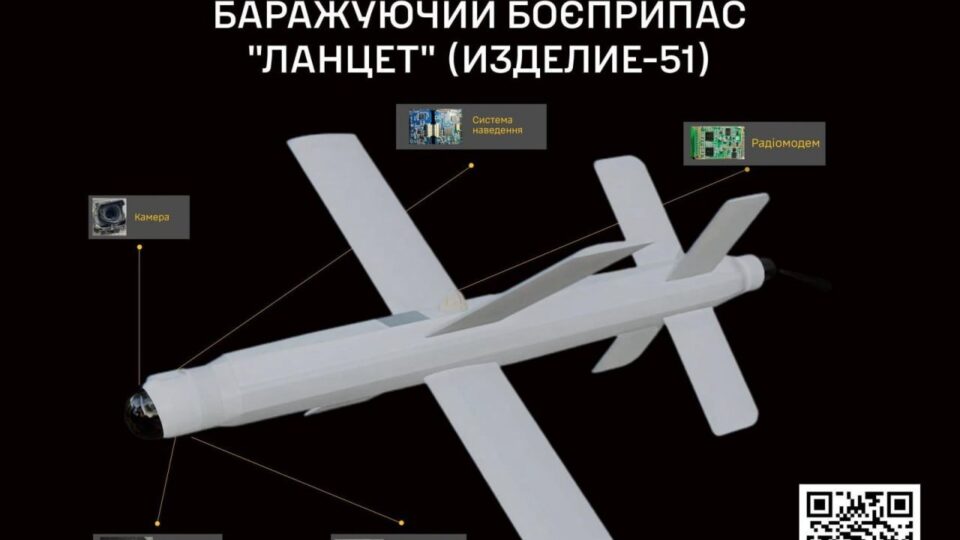
The Main Intelligence Directorate of the Ministry of Defense of Ukraine has published data on enterprises involved in the production of Russian loitering muniti

Another two-day round of negotiations between Ukraine and the United States concluded in Florida on March 22.
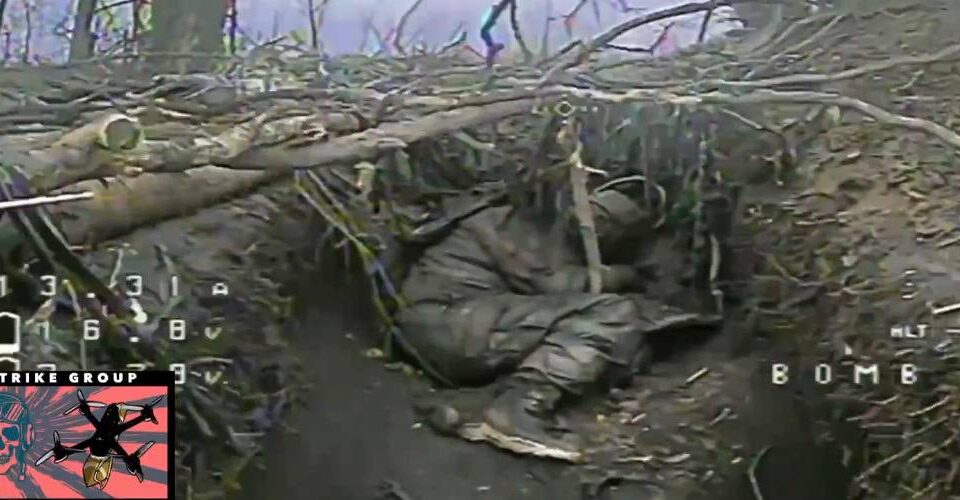
The enemy continues daily pressure and attempts to break through Ukrainian defenses in the Sloviansk direction.
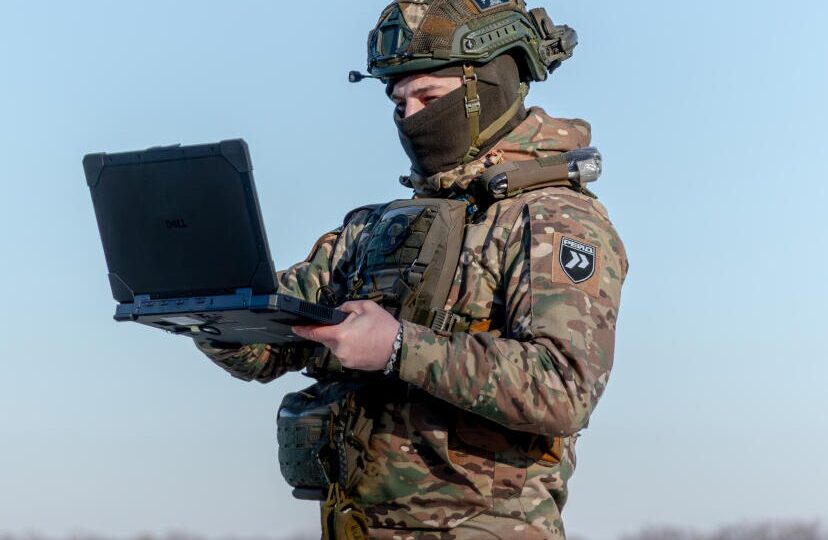
Over the past day, units of the Unmanned Systems Forces struck/destroyed 1,078 enemy targets.
The international delegation, headed by Ana Lucía Bueno, ICRC Public Health Coordinator, and Sujit Panda, Head of the Physical Rehabilitation…