A New Branch of Troops Will Protect Important Facilities From the Air — Oleksandr Syrskyi

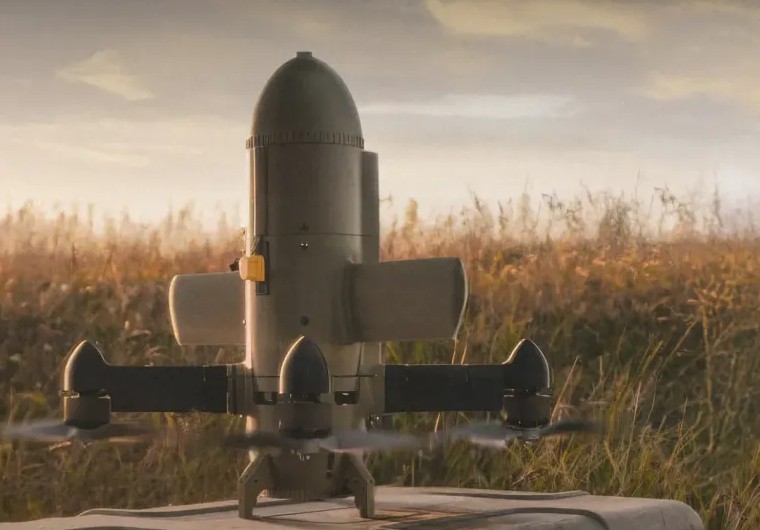
The air defense system operates in extremely difficult conditions of constant missile and drone attacks by the enemy, protecting the country from daily airborne
This was reported on February 12 by Commander-in-Chief of the Armed Forces of Ukraine, General Oleksandr Syrskyi.
According to him, a set of organizational measures is underway to increase the effectiveness of the UAV component of air defense:
- redistribution of functions is planned between the anti-aircraft missile forces and a new branch of troops that will be responsible for covering important facilities;
- the number and quality of interceptor drones are being increased;
- active cooperation with partners is underway to solve the shortage of missiles for SAM systems and fighter aircraft.
Syrskyi explained that the resilience of the system depends on many factors — including steady supplies of interceptors, technological modernization, effective personnel and management decisions, the ability to quickly adapt to new challenges, and abandoning outdated bureaucratic practices.
He reminded that over the past two years, the effectiveness of air defense has remained at about 74%, and efforts continue to increase this thanks to innovations.
The enemy uses 100 to 200 Shahed-type attack UAVs daily and periodically carries out massive missile and air strikes.
“In difficult weather conditions, the main and most effective means remain the all-weather anti-aircraft missile forces. In favorable weather, aviation, helicopters, and interceptor drones are actively used. This allows us to destroy 70% — and sometimes more — of all airborne attack means”, — Syrskyi noted.