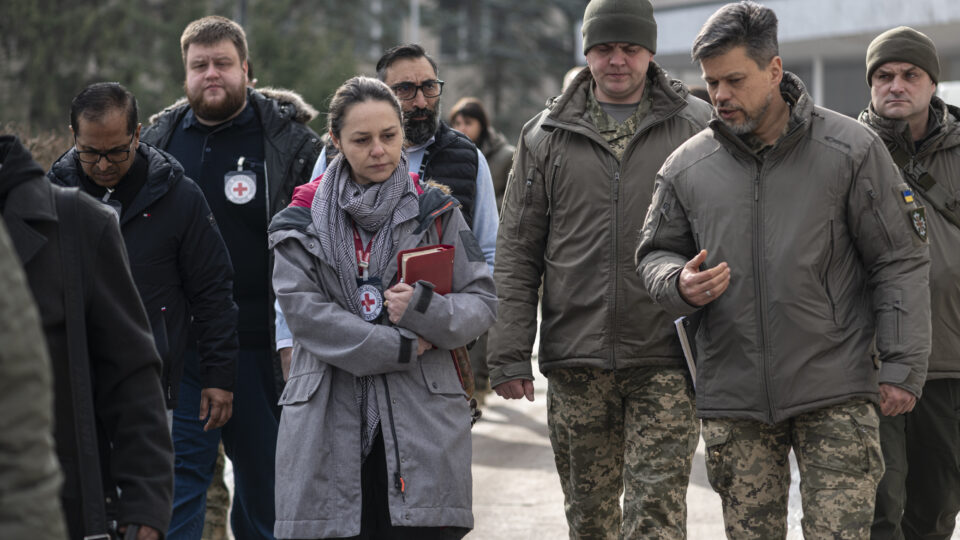
The international delegation, headed by Ana Lucía Bueno, ICRC Public Health Coordinator, and Sujit Panda, Head of the Physical Rehabilitation…


Morok volunteered back in the summer of 2022. He went through Bakhmut during the period of mass small-arms battles. While undergoing treatment, he learned that he had been assigned to a recovery unit, and after returning to the army, he took up work with UGVs.
His story was shared by the 2nd “Khartia” Corps.
“My callsign is ‘Morok’. In civilian life I worked as a tattoo artist in a studio with that name. I’m from the Synelnykove district in Dnipropetrovsk region; the studio was in Dnipro, and I also worked at my friends’ place in Kyiv.
I was in a rifle company as a grenadier, but with small arms. We were defending the outskirts of Bakhmut. Even though there were enough people, it was difficult to enter and exit positions because of shelling.
We were there for about a month — digging foxholes, trenches, holding the defense and gradually fighting. It was easier then because there weren’t many UAVs — maybe one or two Mavics over a large section of the front.
The scariest things there were small-arms battles. Second — artillery, mortars, tanks. But above all, probably the small-arms battles: you can’t really be prepared for them due to many factors you can’t control.
If you can hide from shelling in a foxhole, trench, or bunker, then a small-arms battle is direct contact with the enemy. For us it was between Soledar and Bakhmut — in fields and tree lines”, — Morok recalls the 2022 battles.
“I was injured. And while I was recovering, the commander decided to place me in a recovery unit. It was 2023. While I was in the recovery unit, I was invited to the ‘Khartia’ unit ‘Clear Eyes’ — my friend serves there. I agreed and transferred when the law on voluntary return from the recovery unit was passed. I went for reinstatement on February 17, then entered training, and at the beginning of summer joined the unit”, — Morok recounts.
“Soon after, I and some others were transferred to the anti-tank company. And here I was placed in the ‘Mavic operators’ unit. We worked on reconnaissance and dropping.
Why drones? I wanted to move a bit away from infantry and reduce exposure to danger, because over time psychological pressure accumulates and it becomes hard to complete tasks — especially after being on hot directions.
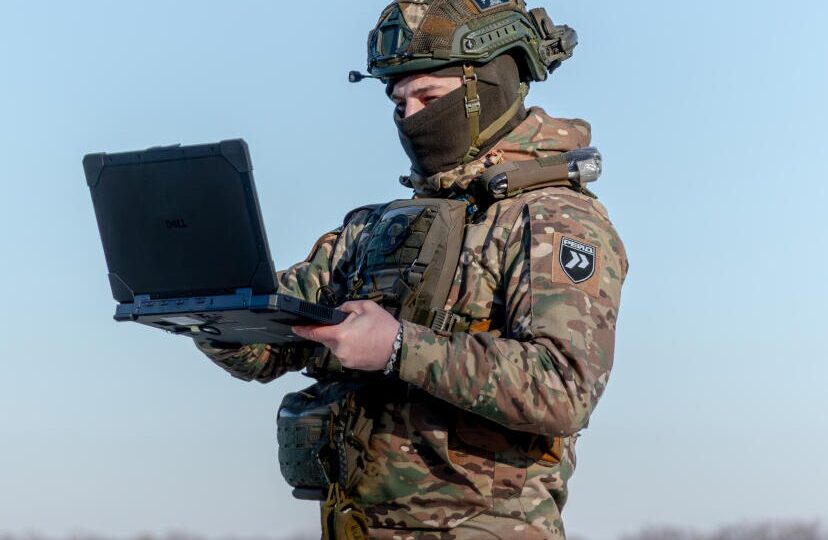
Now I’ve been appointed a UGV operator, and this is more than great for me. Ground drones are very important — there are many deliveries to make, long queues for them, so now we’re trying to build our own UGV on the company’s base to shorten delivery routes and be independent.
I wouldn’t say my motivation has decreased, but I want this to end as soon as possible so I can return to civilian life and develop myself as an artist”, — Morok concludes.

The enemy is attempting to develop the production of naval drones and copy successful Ukrainian practices — both technical solutions and tactics.
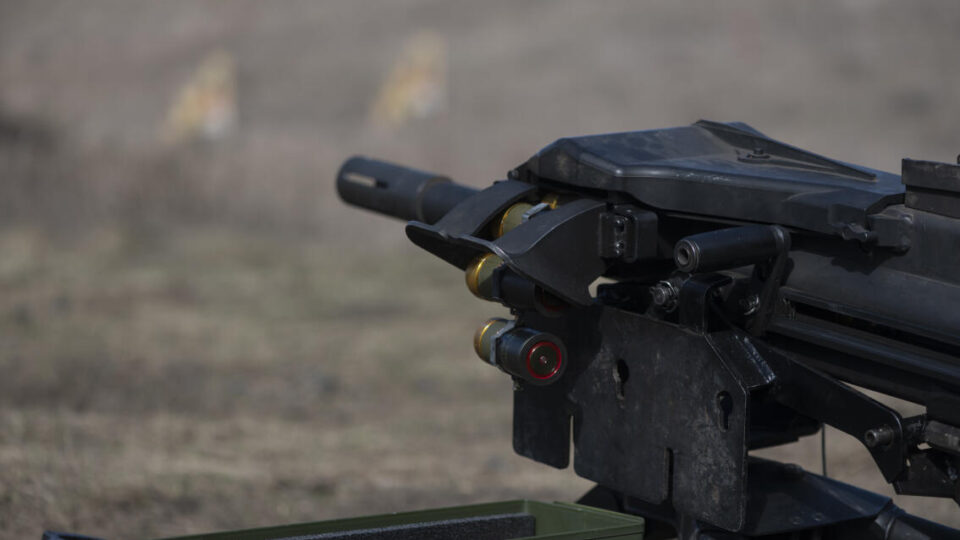
Fighting continues in the northern part of the city of Pokrovsk in the Pokrovsk direction. A mechanized assault was repelled there the day before.
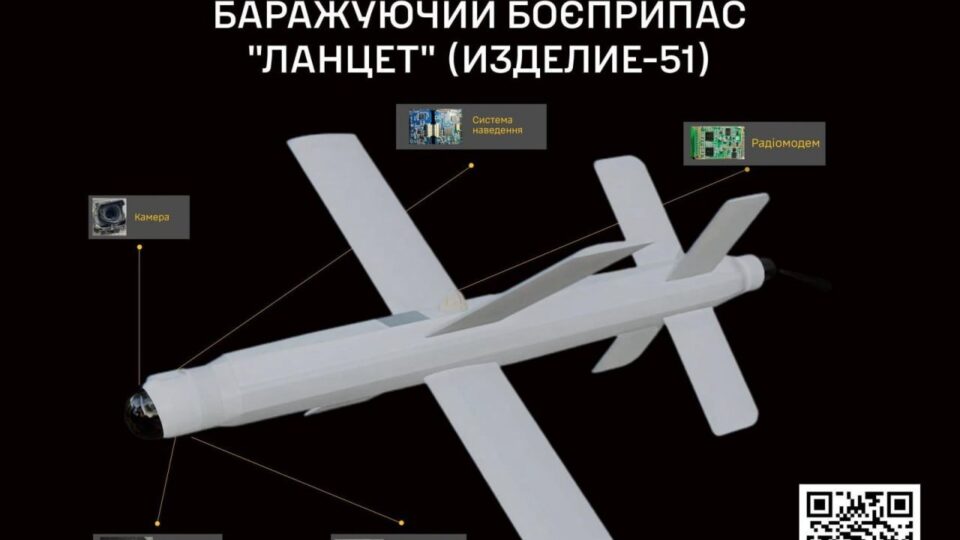
The Main Intelligence Directorate of the Ministry of Defense of Ukraine has published data on enterprises involved in the production of Russian loitering muniti

Another two-day round of negotiations between Ukraine and the United States concluded in Florida on March 22.
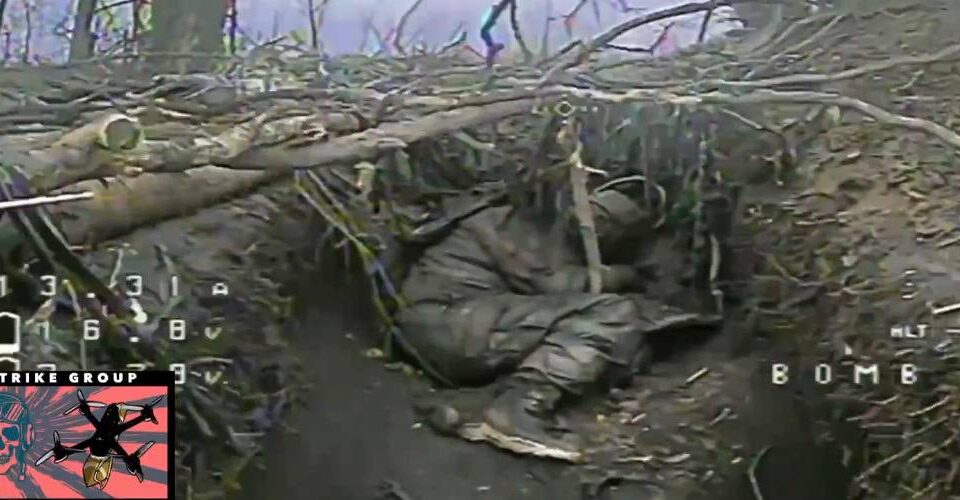
The enemy continues daily pressure and attempts to break through Ukrainian defenses in the Sloviansk direction.
Over the past day, units of the Unmanned Systems Forces struck/destroyed 1,078 enemy targets.
The international delegation, headed by Ana Lucía Bueno, ICRC Public Health Coordinator, and Sujit Panda, Head of the Physical Rehabilitation…