
The international delegation, headed by Ana Lucía Bueno, ICRC Public Health Coordinator, and Sujit Panda, Head of the Physical Rehabilitation…

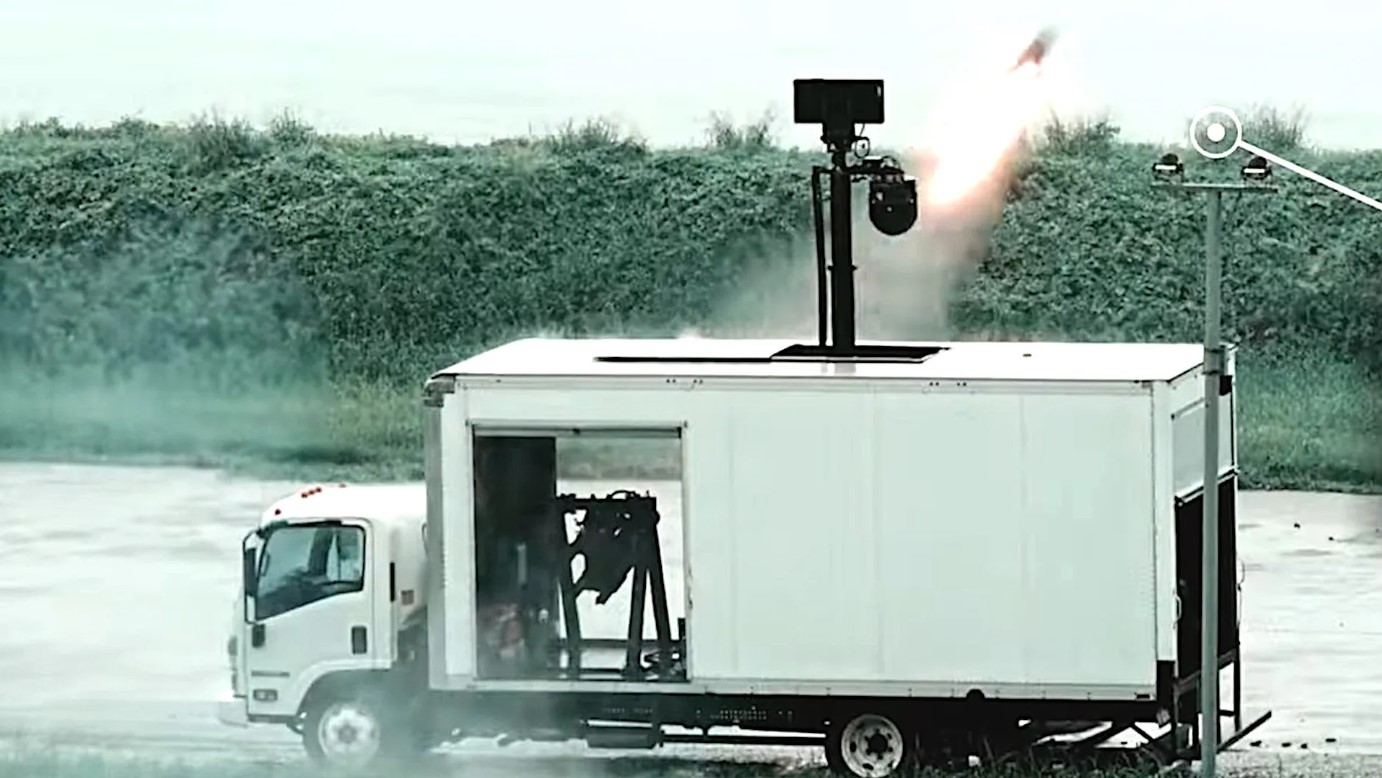
Taiwan has integrated Hellfire missile launchers into civilian trucks, enhancing concealment and the resilience of its defense against a potential adversary.
As Taiwan’s official military news agency stated, defense units of the partially recognized island state have received AGM-114 Hellfire missile launch systems concealed inside vans that appear to be civilian trucks, ArmyInform reports.
Developed by the 209th Arsenal of the local Armaments Bureau, the system is designed to increase operational flexibility in the event of a potential invasion, especially for coastal defense. Previously, Taiwan used Hellfire missiles exclusively from its AH-1W Super Cobra and AH-64E Apache attack helicopters, whose survivability is increasingly questioned on battlefields saturated with air defense systems.
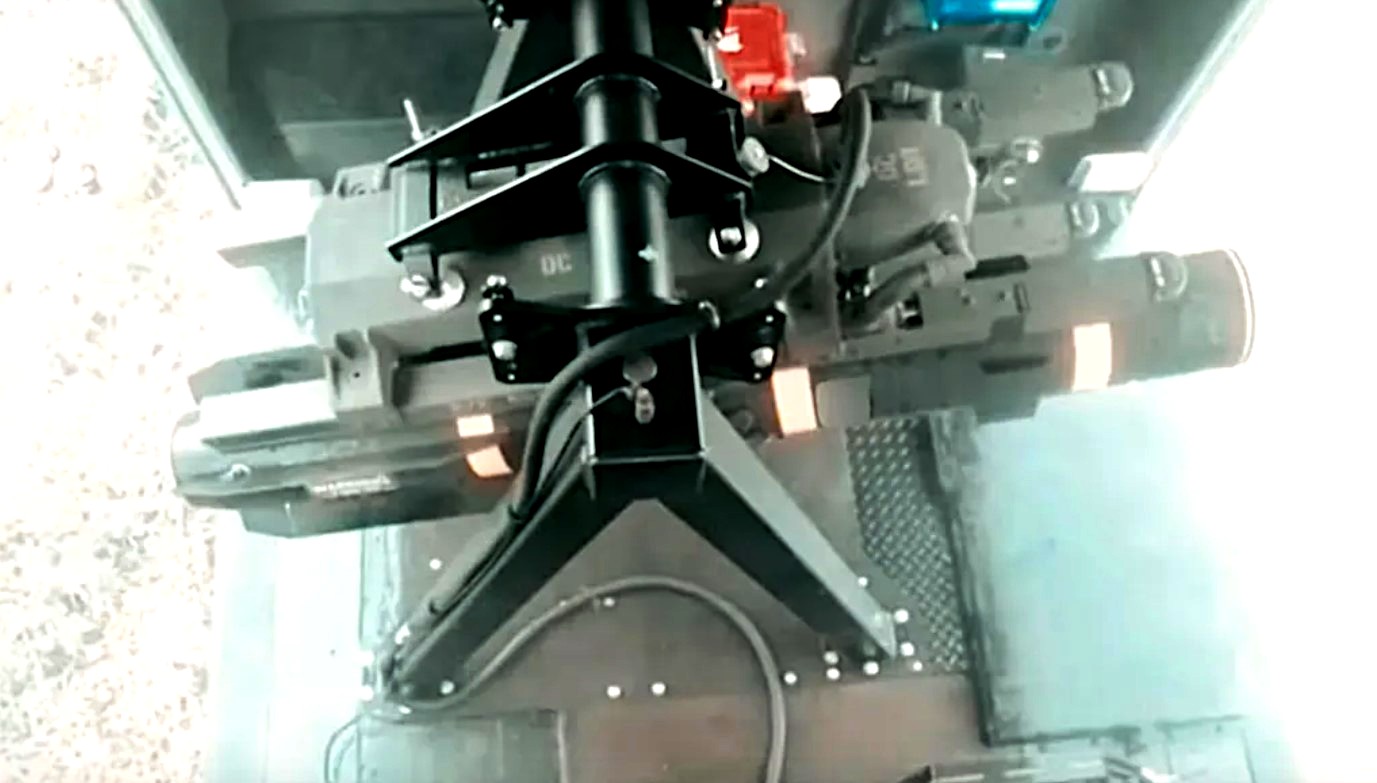
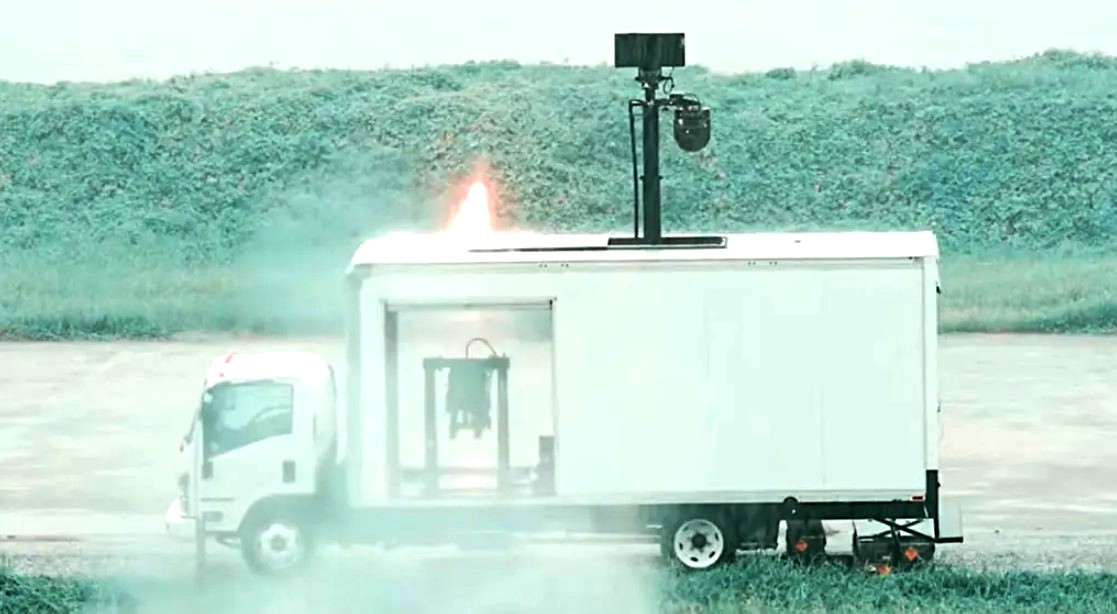
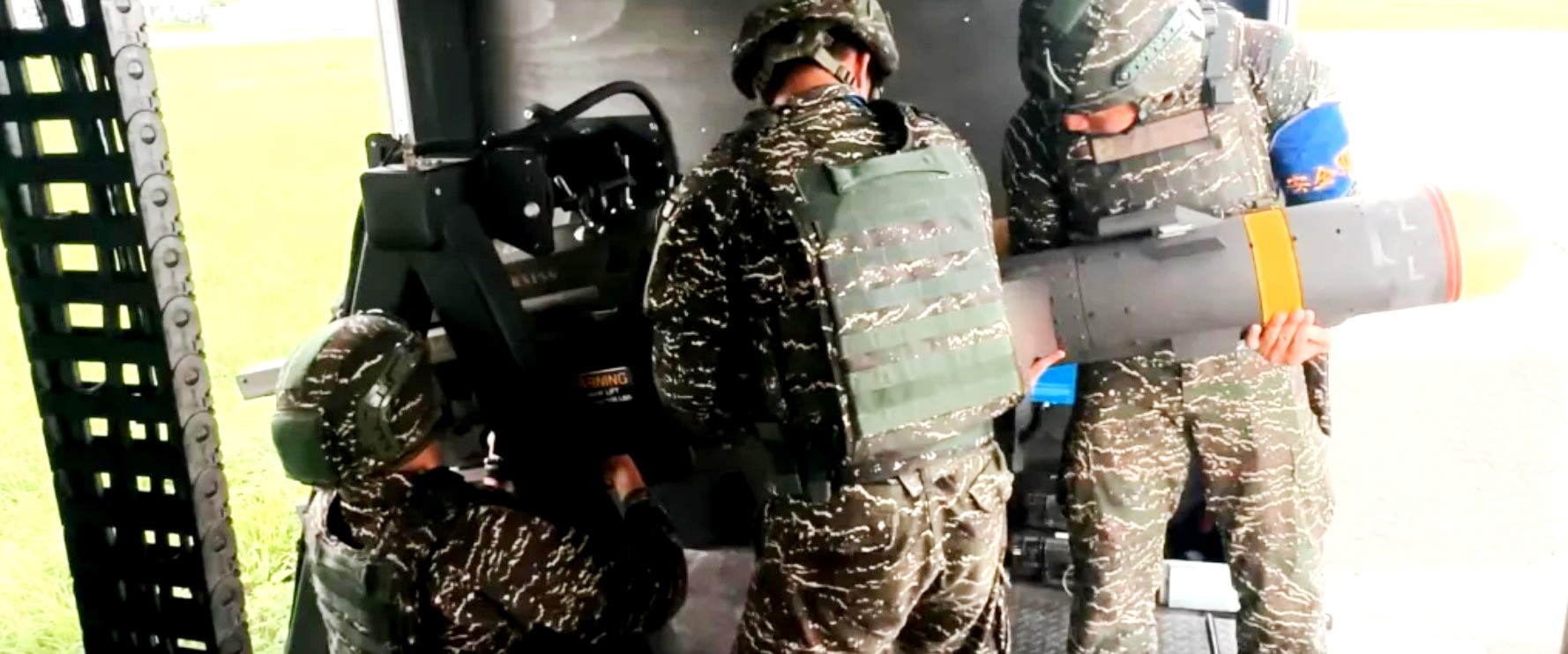
As noted by analysts from the defense portal The War Zone, the system consists of a standard twin-rail Hellfire launcher mounted inside the main cargo compartment of the truck. On both sides of the van, lift-up doors open, allowing missiles to be fired from the right side, while exhaust gases exit from the rear.
In addition, the system is equipped with a telescopic sensor mast that deploys through a sliding hatch in the roof of the truck body. Mounted on top is what appears to be a small radar, as well as a spherical sensor turret, typically fitted with a combination of electro-optical and infrared cameras. The turret may also include a laser designator.
Typical laser-guidance components of the Hellfire are visible in one segment of the Military News Agency video. However, AGM-114L Longbow variants with millimeter-wave radar guidance are effectively undergoing test firings. The system can use Hellfire missiles from Taiwan’s stockpiles with any type of guidance.
Sources in Taipei’s defense establishment did not disclose how many of these launchers have been accepted into service or whether they are part of a broader classified program. However, local observers describe the system as a response to growing concerns over a potential amphibious landing across the Taiwan Strait.
Defense market analysts from Defence Blog noted that this truck-mounted system is designed to operate with a high degree of mobility, allowing it to move quickly and discreetly, particularly along coastal and border roads. Its configuration enables it to change positions within civilian traffic flows and remain undetected until the moment of direct weapons employment.
When necessary, it can rapidly deploy and launch high-precision guided missiles against approaching landing ships, amphibious vehicles, or other ground threats.
This concept is close to the idea of a “swarm” of low-signature mobile systems that are difficult to detect and destroy. Similar logic is already being applied by Ukraine, which actively disguises its air defense systems and launchers. Actions involving the use of unmanned systems during the implementation of Operation “Spiderweb” were based on a comparable approach.
Israel employs stealthy mobile Spike NLOS systems capable of operating beyond the horizon. Iran has long used “civilian camouflage,” hiding missiles and drones in containers and trucks.
Unlike the examples above, the Taiwanese concept is based on the use of Western high-precision missiles, known for their reliability and accuracy.
Taiwan disguises Hellfire missiles in civilian trucks. Video: Military News Agency MND.

The enemy is attempting to develop the production of naval drones and copy successful Ukrainian practices — both technical solutions and tactics.
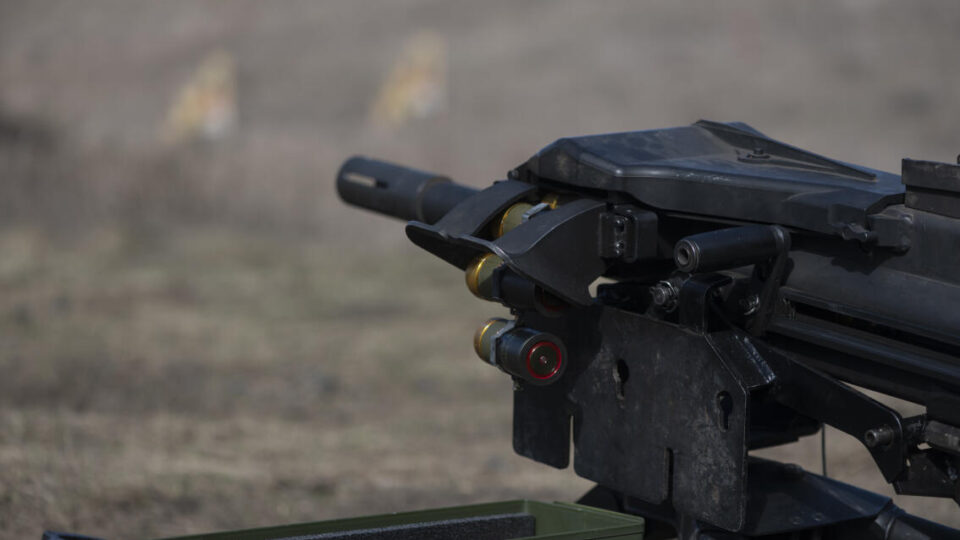
Fighting continues in the northern part of the city of Pokrovsk in the Pokrovsk direction. A mechanized assault was repelled there the day before.
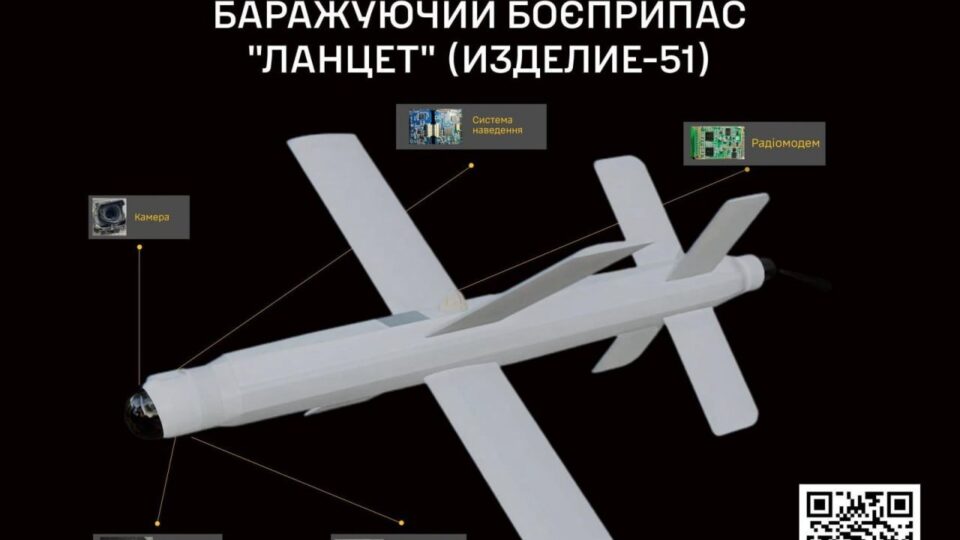
The Main Intelligence Directorate of the Ministry of Defense of Ukraine has published data on enterprises involved in the production of Russian loitering muniti

Another two-day round of negotiations between Ukraine and the United States concluded in Florida on March 22.

The enemy continues daily pressure and attempts to break through Ukrainian defenses in the Sloviansk direction.
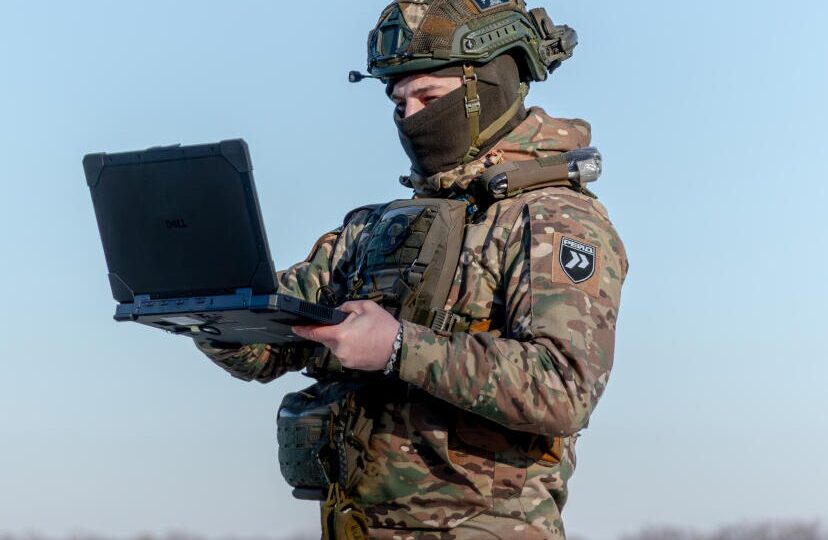
Over the past day, units of the Unmanned Systems Forces struck/destroyed 1,078 enemy targets.
The international delegation, headed by Ana Lucía Bueno, ICRC Public Health Coordinator, and Sujit Panda, Head of the Physical Rehabilitation…