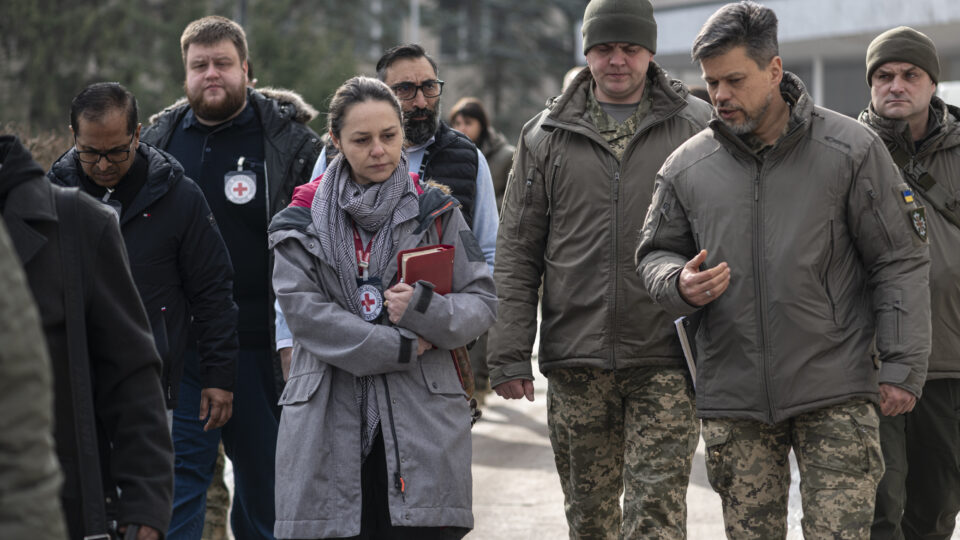
The international delegation, headed by Ana Lucía Bueno, ICRC Public Health Coordinator, and Sujit Panda, Head of the Physical Rehabilitation…


The NATO Innovation Challenge “Medical Support in Accessible and Unprotected Operational Environments” has announced the best projects seeking new solutions for medical evacuation in modern warfare. The jury included representatives of both NATO and Ukraine.
The Ministry of Defense of Ukraine reported this on December 15.
Participants’ proposals focused on addressing key issues for the Defense Forces related to field medical care and evacuation of the wounded in conditions of total UAV surveillance and strike threats.
Among ten foreign and Ukrainian developers who reached the final of the 17th NATO Innovation Challenge in medicine, three winners were selected.
First place was awarded to a portable field dialysis device developed by Canadian innovators, which effectively replaces kidney function.
It requires only 2–4 liters of water per cycle, compared to 200–500 liters for standard machines, and its size and weight allow it to be carried in a backpack.
Second place went to the American MiniFuser — a device for controlled intravenous drug administration without constant supervision by medical personnel. It does not require electricity or special operating conditions.
Third place was awarded to an automatic wounded-data reading system from an American developer. The microchip enables data transmission without using Wi-Fi, Bluetooth, or other technologies.
The NATO competition “Medical Support in Accessible and Unprotected Operational Environments” was organized and conducted by the NATO–Ukraine Joint Analysis, Training and Education Center (JATEC) and NATO Allied Command Transformation.
The jury also included representatives of the Hospitallers Medical Battalion and the Come Back Alive charity foundation. Ukrainian female experts, drawing on frontline experience, helped identify the most effective proposed projects.
As a result of the competition, the winners will be able to further refine their solutions, test them in combat conditions, and, if successful, scale them up.

The enemy is attempting to develop the production of naval drones and copy successful Ukrainian practices — both technical solutions and tactics.
Fighting continues in the northern part of the city of Pokrovsk in the Pokrovsk direction. A mechanized assault was repelled there the day before.
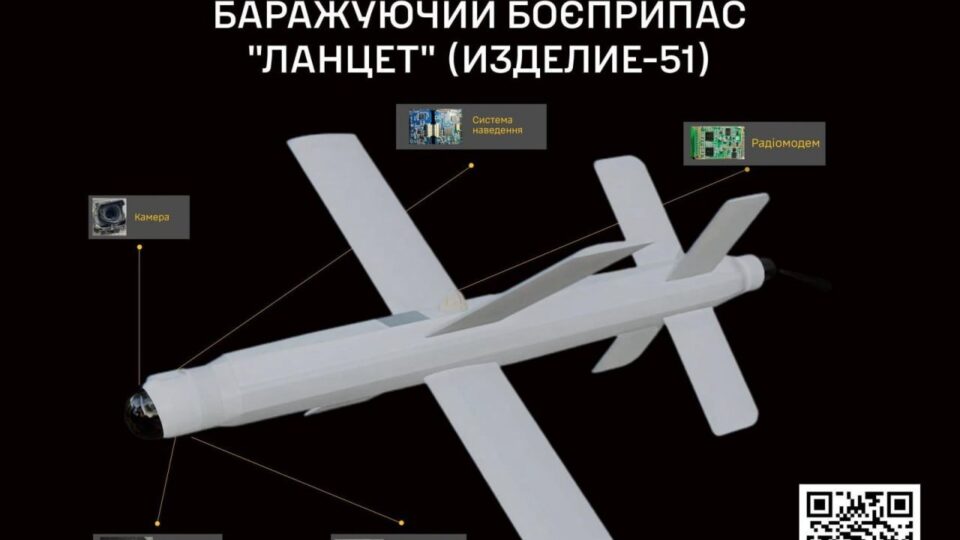
The Main Intelligence Directorate of the Ministry of Defense of Ukraine has published data on enterprises involved in the production of Russian loitering muniti

Another two-day round of negotiations between Ukraine and the United States concluded in Florida on March 22.
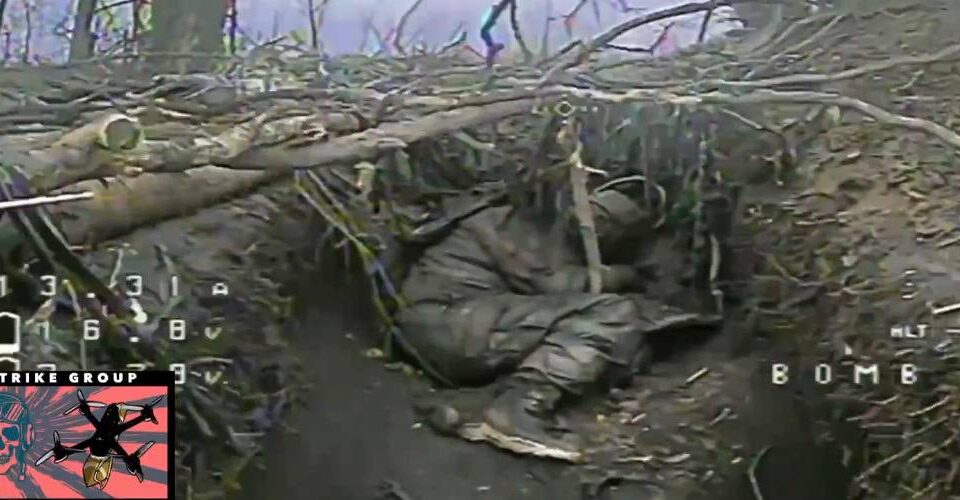
The enemy continues daily pressure and attempts to break through Ukrainian defenses in the Sloviansk direction.
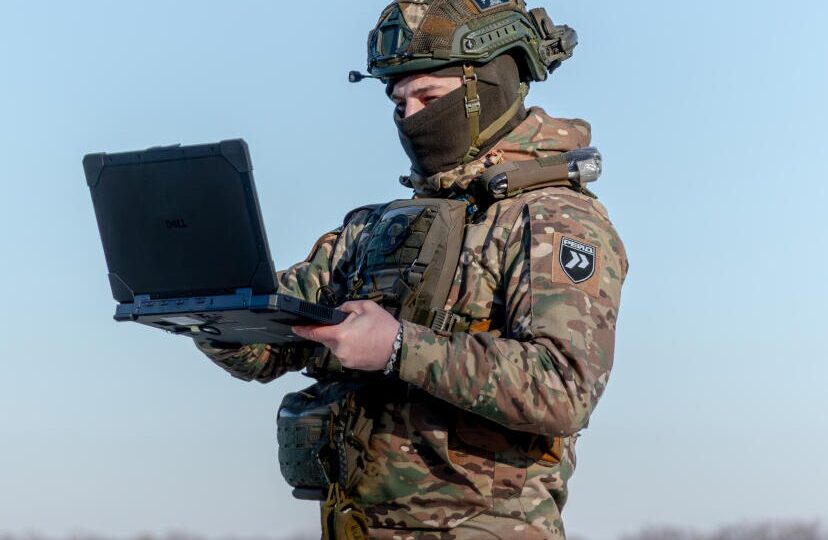
Over the past day, units of the Unmanned Systems Forces struck/destroyed 1,078 enemy targets.
The international delegation, headed by Ana Lucía Bueno, ICRC Public Health Coordinator, and Sujit Panda, Head of the Physical Rehabilitation…