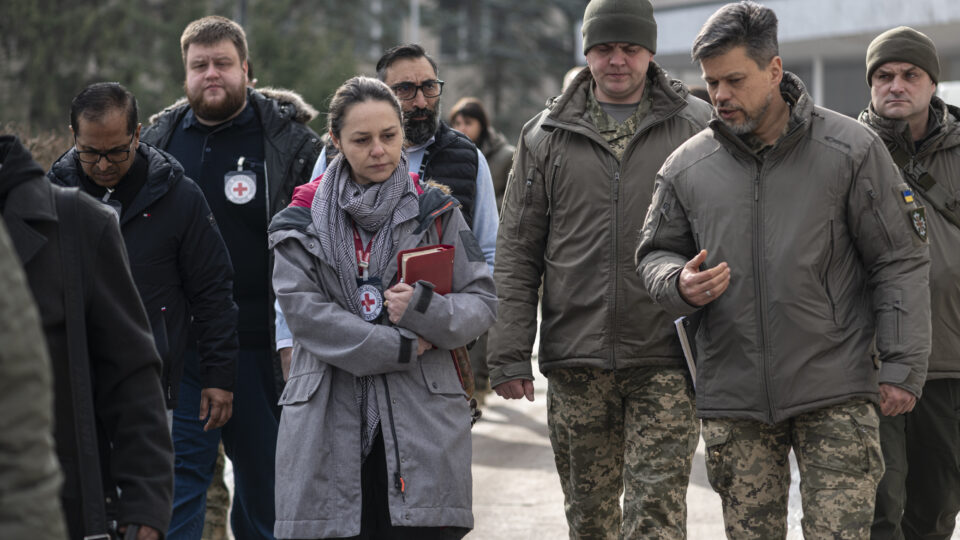
The international delegation, headed by Ana Lucía Bueno, ICRC Public Health Coordinator, and Sujit Panda, Head of the Physical Rehabilitation…

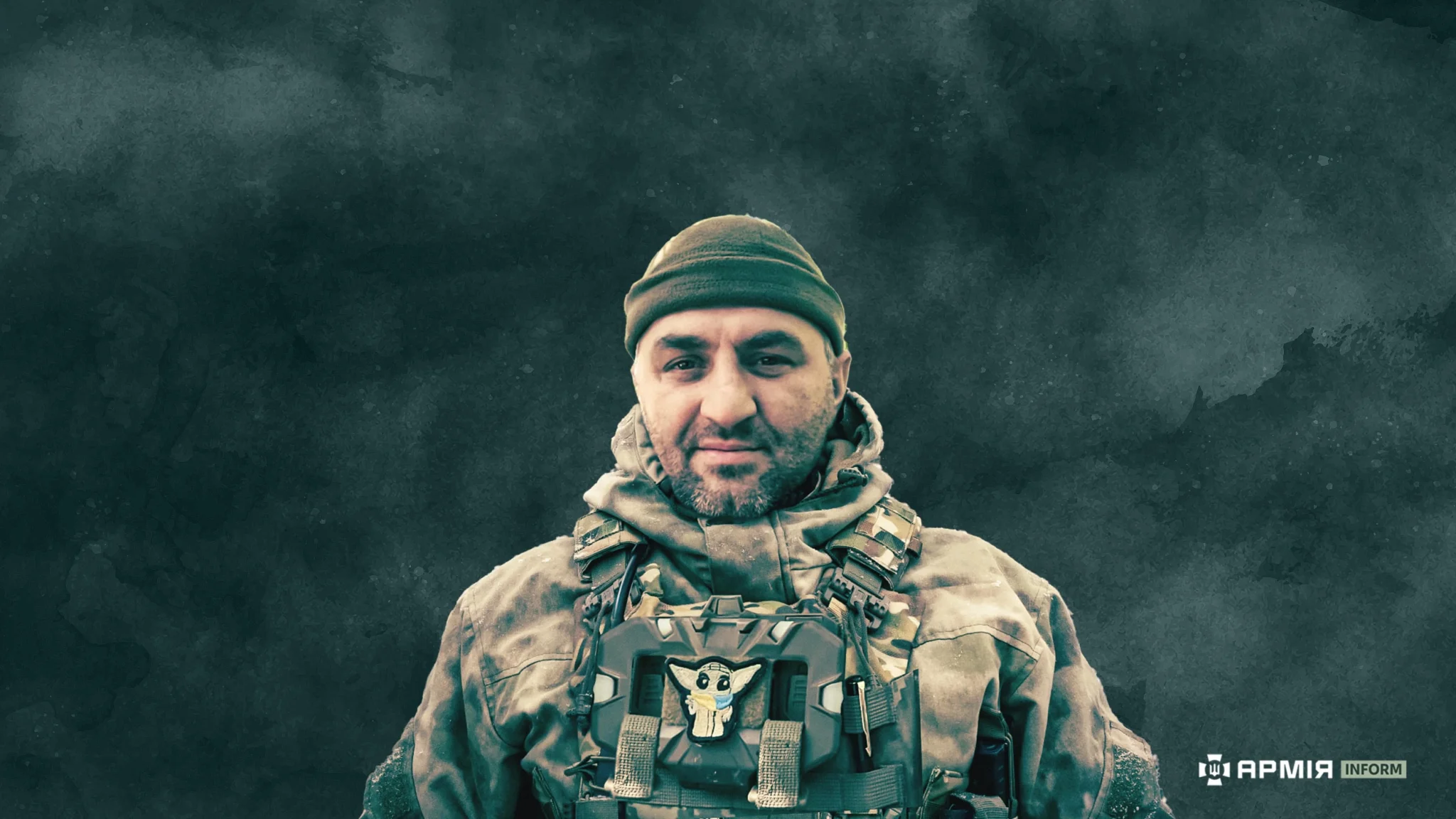
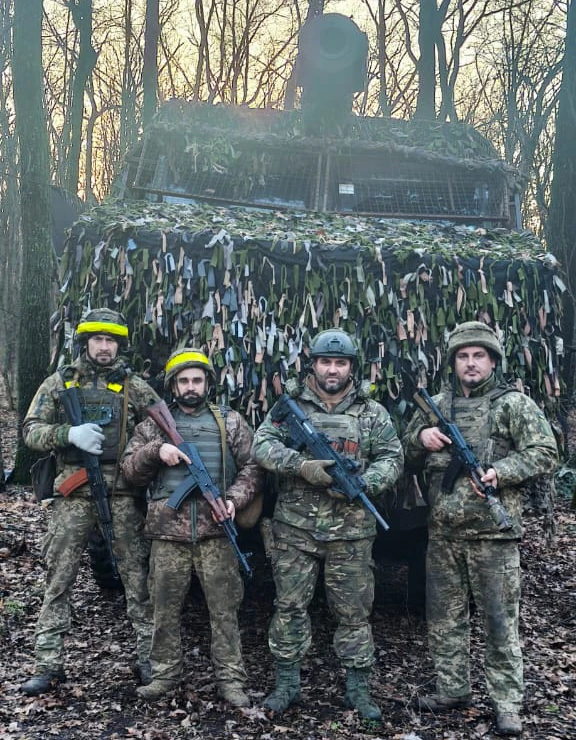
The commander of the Bohdana self-propelled artillery gun, Junior Sergeant Vasyl, call sign “Ham”, is from Vinnytsia and serves in the 52nd Separate Artillery Brigade.
Reserved, polite, meticulous, he bears no resemblance to his call sign, and smiles as he explains:
— That’s because we are rude only to enemies who have invaded our land without being invited.
Vasyl spoke to ArmyInform about his combat path and the advantages of the modern Ukrainian self-propelled artillery “Bohdana” over Soviet-era self-propelled guns.
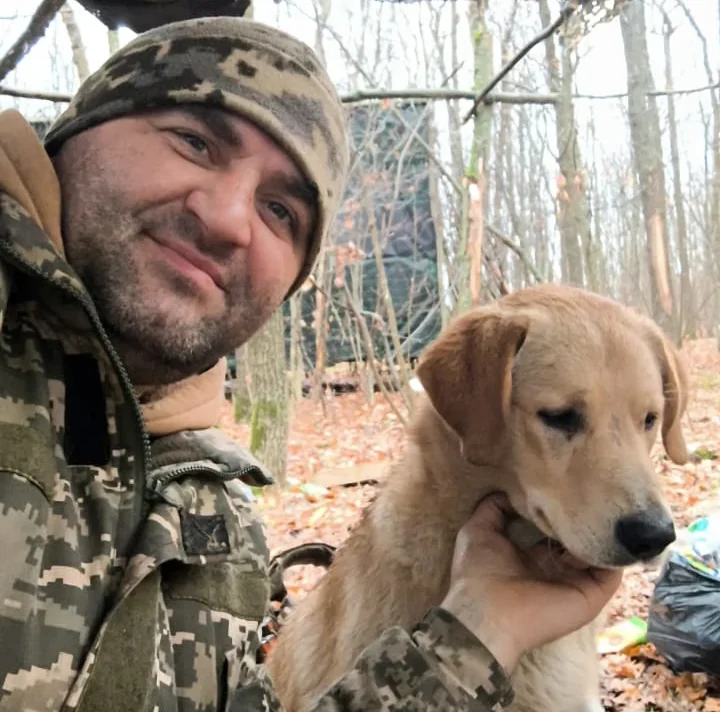
From Builder to Artilleryman
Vasyl joined the Armed Forces as a volunteer at the very beginning of the full-scale invasion in March 2022.
— My acquaintances were going, my friends were going. So I told my family and relatives that I couldn’t just sit at home and wait to see what would happen to our state, — he recalls.
The decision remained unchanged, despite the fact that in civilian life he had been a builder with no military background and had never even served conscript duty.
— At the time when I was supposed to serve, I got into an accident and had to undergo treatment. Time passed, and I was no longer drafted, — the soldier explains.
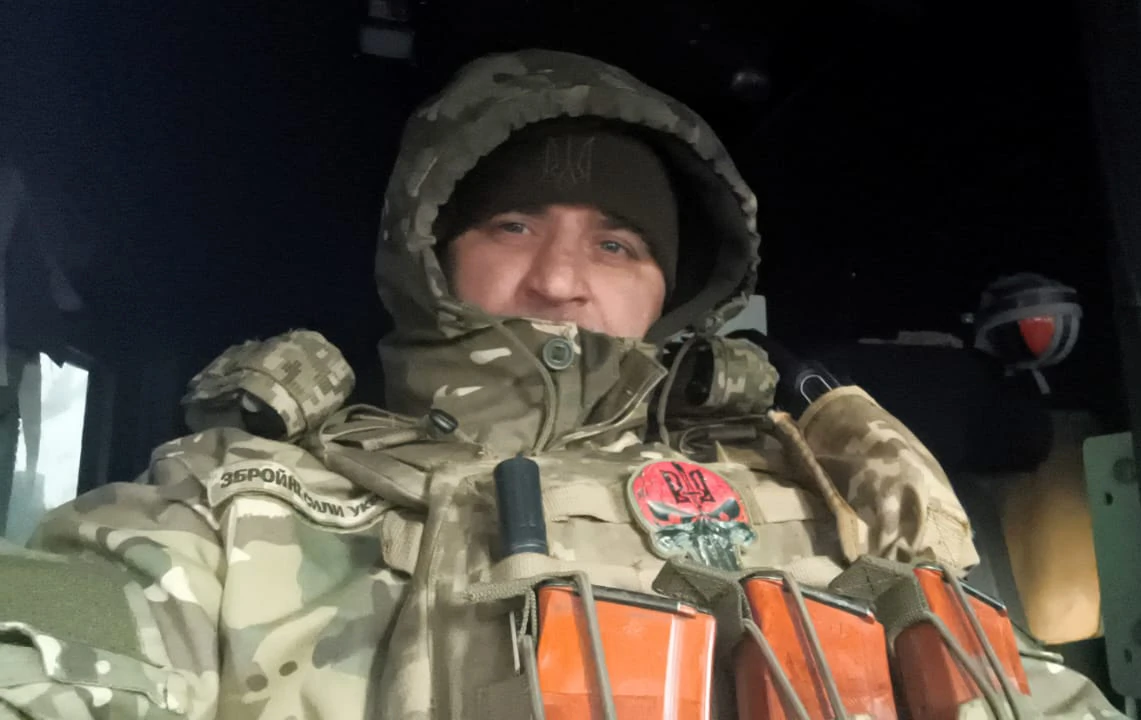
The knowledge, skills, and experience from his construction work, as well as the ability to learn new things quickly and efficiently, proved invaluable — during his service, he mastered the Soviet anti-tank gun “Rapira,” the Czech MLRS Vampire, and, eventually, the Ukrainian self-propelled artillery gun “Bohdana.”
— We learned everything as quickly as possible because the enemy didn’t wait. I have a characteristic trait — I memorize very quickly. Learning something new is not a problem for me. For example, I mastered the Rapira in four days and performed the duties of a gun commander, — says the artilleryman.
“Bohdana Operators” Hit the Bullseye with Their “Sniper Rifle”
Vasyl switched to the Bohdana in 2024, already having considerable combat experience with tube artillery and MLRS.
— By that time, we were all already professionals. I didn’t start as a gun commander or gunner; I became a topographic surveyor because I know topography thoroughly, — the soldier recounts.
In February 2025, he took command of a gun and has been operating the Bohdana ever since. He is very satisfied with the Ukrainian weapon and praises the accuracy of the gun and the mobility of its wheeled base.
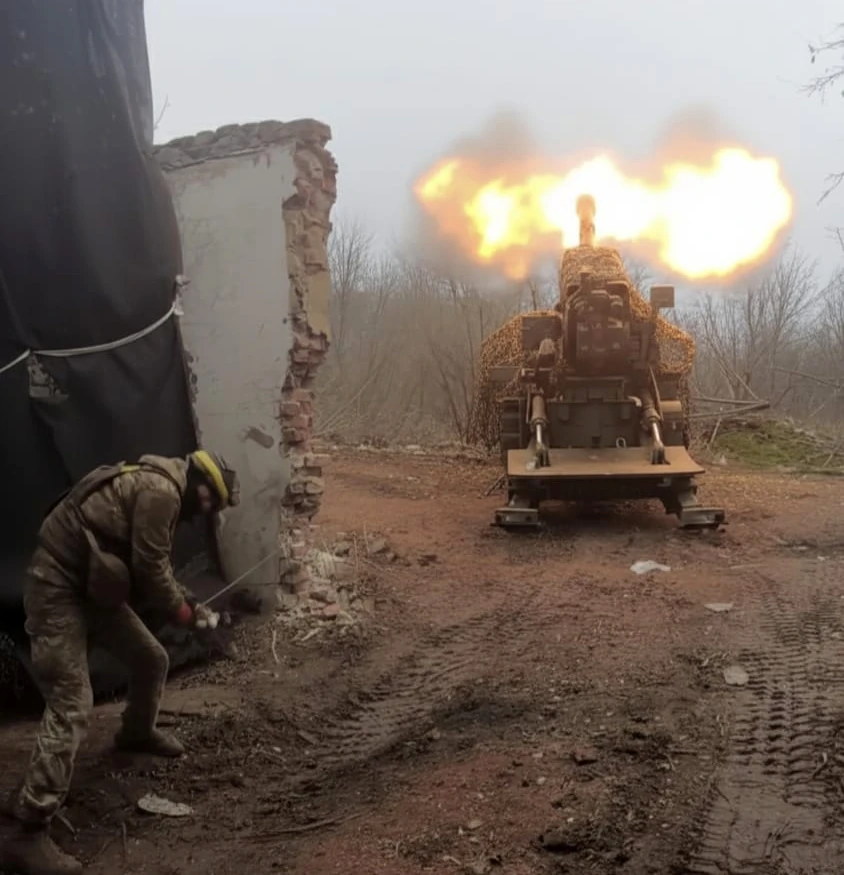
— Our Bohdanas on the Tatra chassis can go almost anywhere that is possible and necessary. The vehicle is generally very good, high-quality. I really like it, — says the artilleryman.
He is even more impressed by the accuracy of the gun, which he, like many colleagues, compares to a large sniper rifle.
— It performed very well in combat. It’s our sniper rifle. We had a situation when five shells, one after another, hit the target exactly. The spread was 5 meters, maybe at most 7. For a long-range gun, that’s like hitting the bullseye with a sniper rifle, — he recalls one combat episode.
“Bohdanas” Hide in Plain Sight
The soldier recalls several similar episodes — they had to fire at clusters of enemy infantry, Russian shelters in forested areas and buildings, and columns of Russian motorcyclists attempting to assault.
— Once, in the Yablunivka area on the Pokrovske direction, two shells landed precisely in a shelter where aerial reconnaissance counted 12 Russian soldiers. I think after the first shell there were no survivors left, and the second shell leveled everything with the ground, greatly helping our infantry, who were only 70 meters from the enemy, — Vasyl recounts.
In another episode, they were ordered to target Russian motorcyclists attempting to assault Ukrainian positions.
— They were advancing on motorcycles, and our reconnaissance “spotted” them even at the approach. This was also on the Pokrovske direction. The battalion commander gave the order to fire; we deployed, set up the vehicle — and hit the dugout where the motorcyclists were trying to hide, five shells even without correction, — the artilleryman recalls, describing the combat episode when the Bohdana operators hit five shells in a row directly on target.
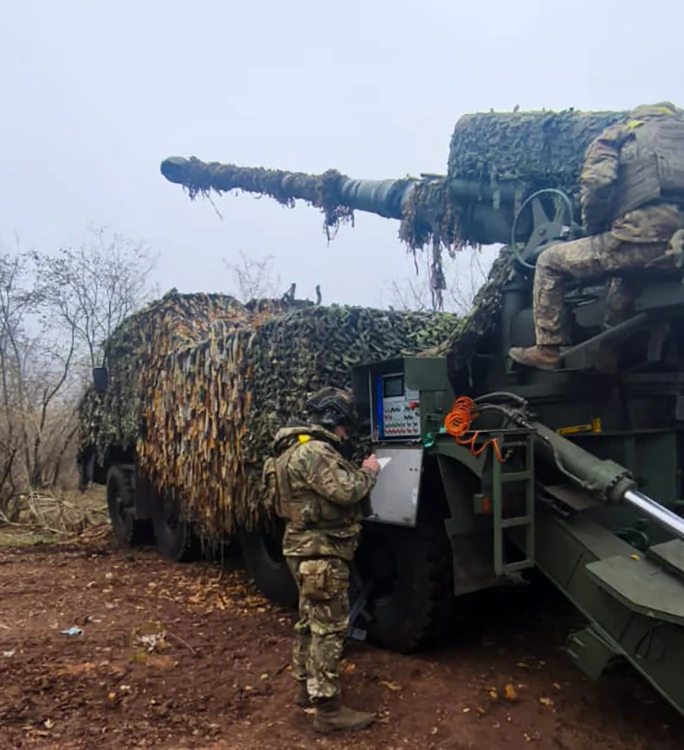
Currently, the soldier explains, they have to operate from carefully concealed positions because the enemy constantly conducts aerial reconnaissance and extensively uses FPV kamikaze drones. Likewise, the enemy is forced to act cautiously, as Ukrainian forces continuously target Russian artillery.
— Now we mostly operate from closed positions. This could be a crop field or a forest. The vehicle must be well camouflaged so it cannot be seen from the sky. Before and after firing, the spot where the Bohdana is located is indistinguishable from the surrounding landscape — we hide in plain sight, — explains the artilleryman.
Photo from the hero’s personal archive

The enemy is attempting to develop the production of naval drones and copy successful Ukrainian practices — both technical solutions and tactics.
Fighting continues in the northern part of the city of Pokrovsk in the Pokrovsk direction. A mechanized assault was repelled there the day before.
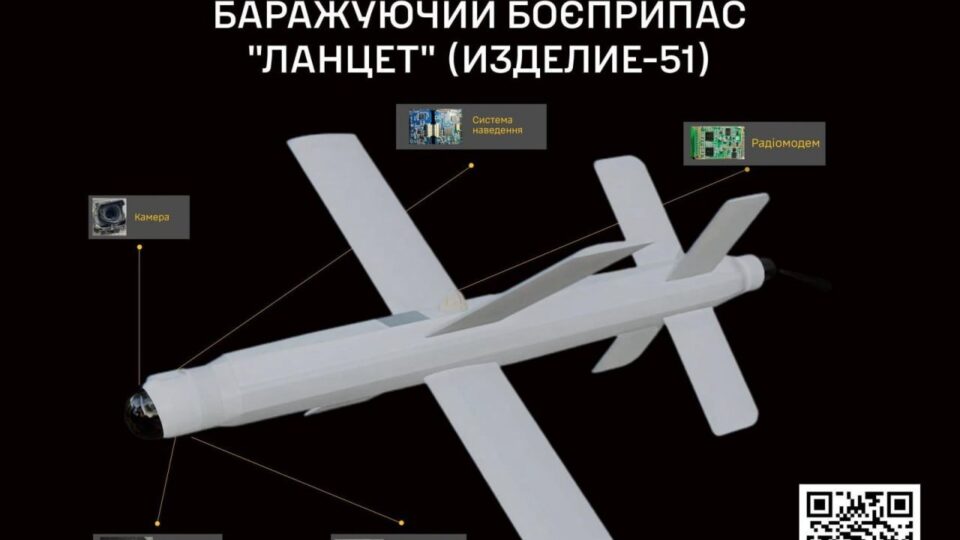
The Main Intelligence Directorate of the Ministry of Defense of Ukraine has published data on enterprises involved in the production of Russian loitering muniti

Another two-day round of negotiations between Ukraine and the United States concluded in Florida on March 22.
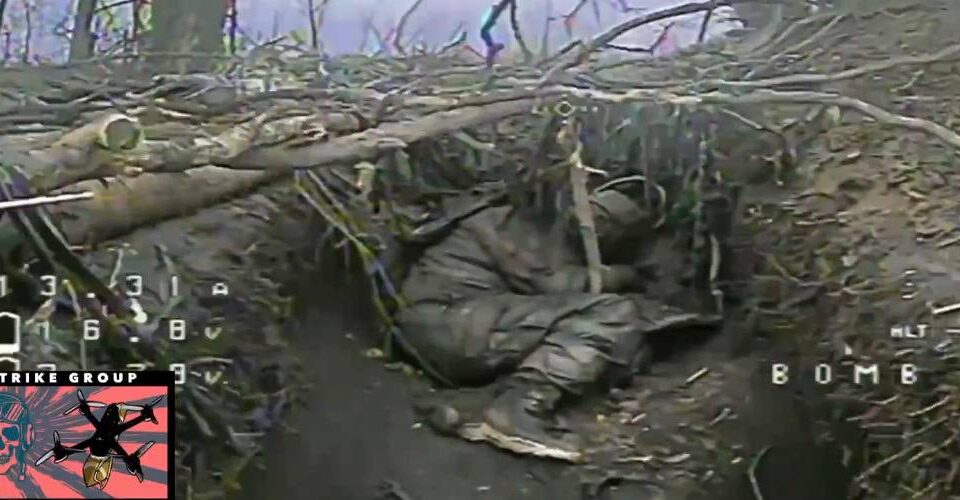
The enemy continues daily pressure and attempts to break through Ukrainian defenses in the Sloviansk direction.
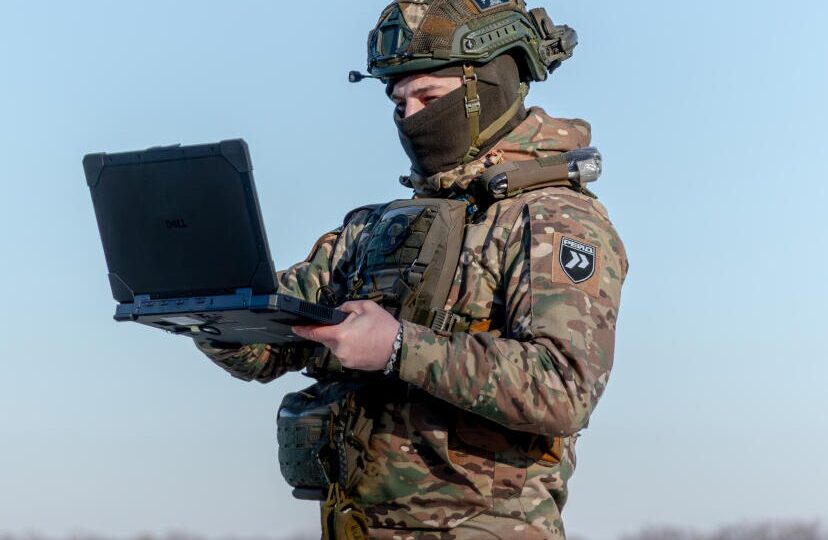
Over the past day, units of the Unmanned Systems Forces struck/destroyed 1,078 enemy targets.
The international delegation, headed by Ana Lucía Bueno, ICRC Public Health Coordinator, and Sujit Panda, Head of the Physical Rehabilitation…