
The international delegation, headed by Ana Lucía Bueno, ICRC Public Health Coordinator, and Sujit Panda, Head of the Physical Rehabilitation…


Russia has introduced a new practice in aerial warfare, using “Shahed” attack drones to hunt Ukrainian aircraft.
This was reported by Deputy Minister of Defense of Ukraine Yurii Myronenko in a comment for Business Insider, calling it “a new twist in Moscow’s combat tactics.” The official, who is a specialist in counter-UAV operations, noted that Russia regularly tests new capabilities of its long-range drones, including modified “Shaheds.”
In particular, the enemy has begun using “Shaheds” controlled by operators via antennas deployed on occupied Ukrainian territories, as well as in Belarus and Russia, near the contact line.
We asked the well-known aviation expert, leading researcher at the State Aviation Museum Valerii Romanenko, to analyze these enemy innovations.
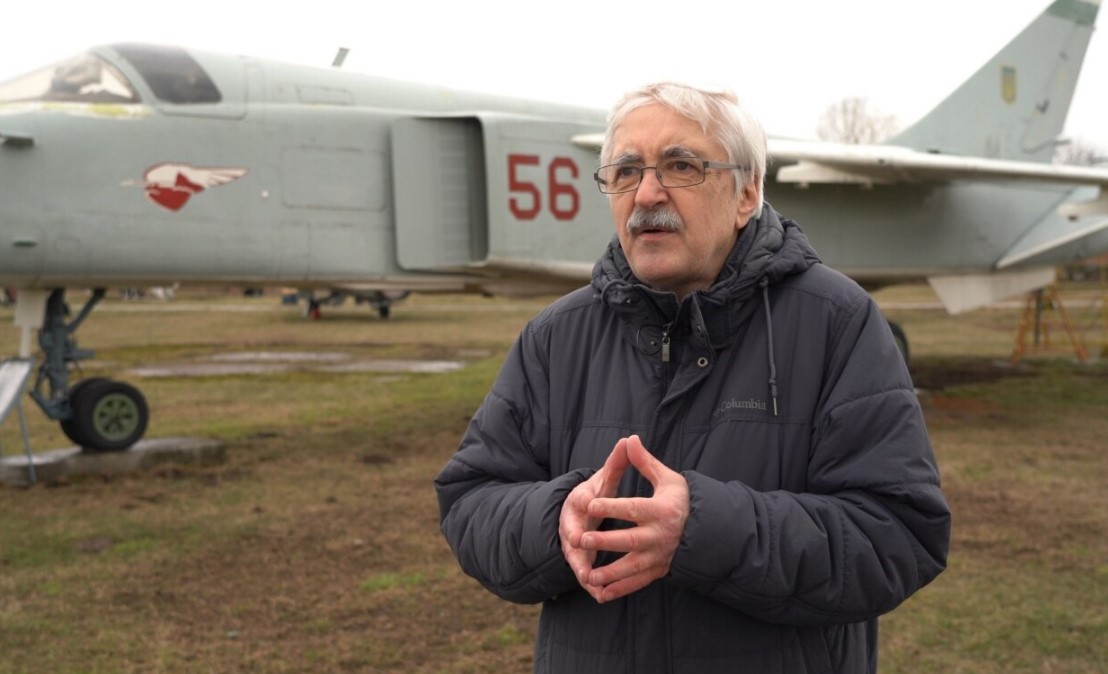
— Valerii Dmytrovych, in your opinion, how dangerous could this enemy “innovation” be for Ukrainian aviation?
— I would divide my answer into several aspects. If we talk about the possibility of confrontation between Russian kamikaze drones like the “Shahed” and supersonic aircraft used to intercept targets during air raids over Ukraine, then the outcome of such a duel is almost obvious. And it is not in favor of the enemy UAVs.
Yes, in war—and in civilian life—any object in the air can cause fatal damage to an airplane or helicopter. Even birds have caused aviation incidents involving large commercial airliners, which could have led to disasters.
Combat aircraft have far superior maneuverability, and Russian attack drones pose a danger to them only in case of accidental collision.
— Nevertheless, according to researchers of enemy equipment, it is known that the Russians constantly modernize these Iranian-origin drones. In particular, there are documented cases of rear-view cameras being installed on “Shaheds” to counter our anti-drone systems.
— Well, for confrontation with interceptor drones, such an innovation might indeed help. For example, it could allow timely aerial maneuvers in an attempt to evade our anti-drone units. But dodging an air-to-air missile or a burst from a heavy machine gun—here, even a dozen additional cameras won’t help.
The mentioned “upgrade” of the kamikaze drones apparently leads to one thing: such UAVs simply become more expensive. And even the basic “Shaheds” are far from cheap.
— Excuse me, then what is the point of these threats from the terrorist state? Is this just another “wonder weapon” from the Kremlin?
— No, well, any Russian claims need to be taken into account. The invading kamikaze drones can pose a real threat mainly to helicopters of our Army Aviation, which actively participate in destroying “Shaheds.” Also, to sport or small private aircraft involved in repelling Russian air attacks. These are more agile than the “Shaheds.” And if an experienced pilot notices dangerous maneuvers of a Russian drone nearby, I believe they have enough chance to avoid damage to their aircraft.
— And finally, I will ask a question slightly off-topic for today’s conversation. During the fall, the number of UAVs launched by the enemy over Ukraine has increased significantly. Sometimes the number of kamikaze drones launched by Russia in a single night exceeds half a thousand. What does this indicate, in your opinion?
— I can say more: during one of the recent night attacks, the Russians used about 800 “Shaheds.” But there is other data showing the real effectiveness of the invaders’ use of these munitions. More precisely, thanks to the actions of the Air Defense units of the Armed Forces, the effectiveness is minimized.
Of those eight hundred drones, about 720 simply fell in the grass around settlements. According to the Air Forces press service, during mass enemy raids, 92–94% of such drones are shot down. That is, 9 out of 10 UAVs are destroyed. And if our defenders continue to increase this level of effectiveness, the Russians may start questioning the purpose of it all, as such operations essentially mean “money down the drain.” The Shahed project is very expensive and consumes not millions, but billions from Russia’s leaky budget.
Of course, during attacks by our units, the enemy also manages to shoot down many Ukrainian drones. But their production is not as costly compared to “Shaheds” and “Gerans”, which are made of rather expensive materials. At the same time, it should be taken into account that for the enemy to launch more than half a thousand kamikaze drones in a single attack, they need several days to accumulate their arsenal.

The enemy is attempting to develop the production of naval drones and copy successful Ukrainian practices — both technical solutions and tactics.
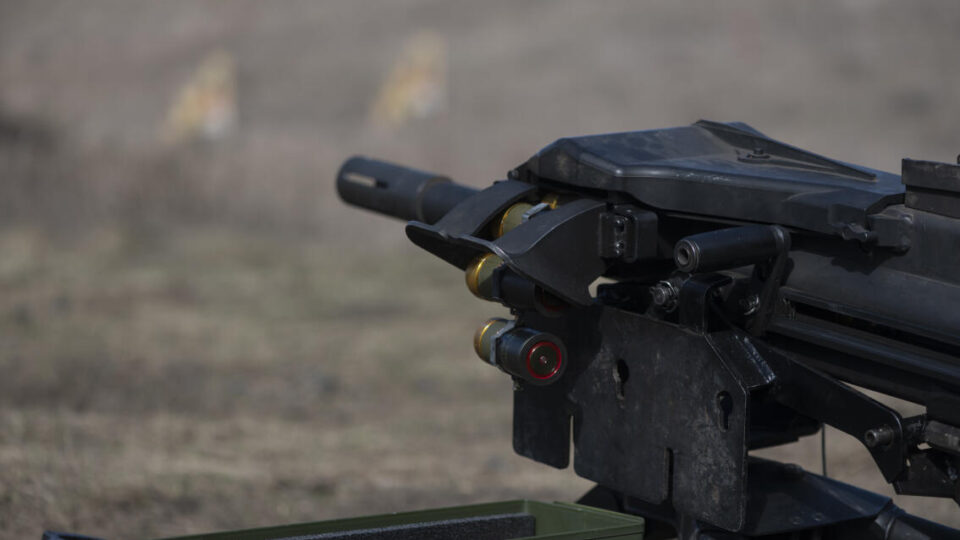
Fighting continues in the northern part of the city of Pokrovsk in the Pokrovsk direction. A mechanized assault was repelled there the day before.
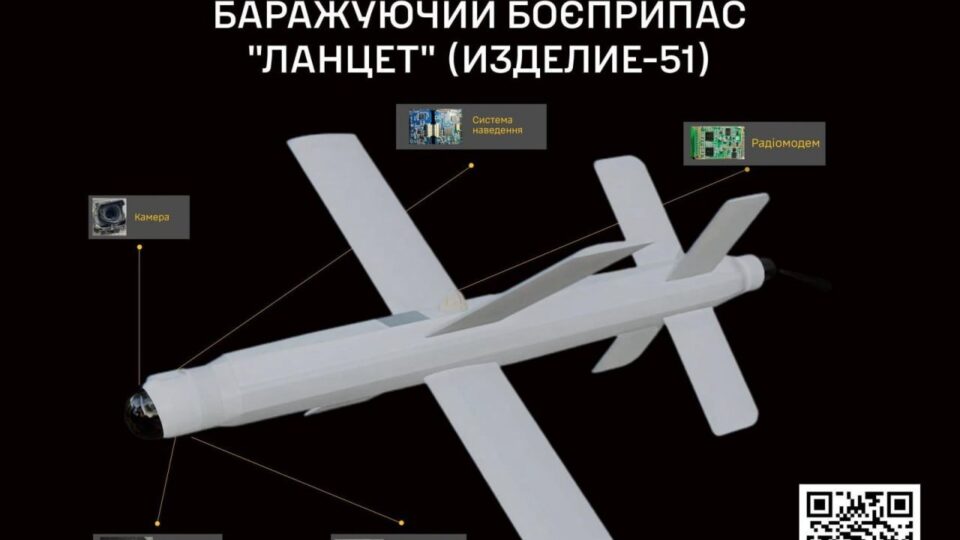
The Main Intelligence Directorate of the Ministry of Defense of Ukraine has published data on enterprises involved in the production of Russian loitering muniti

Another two-day round of negotiations between Ukraine and the United States concluded in Florida on March 22.
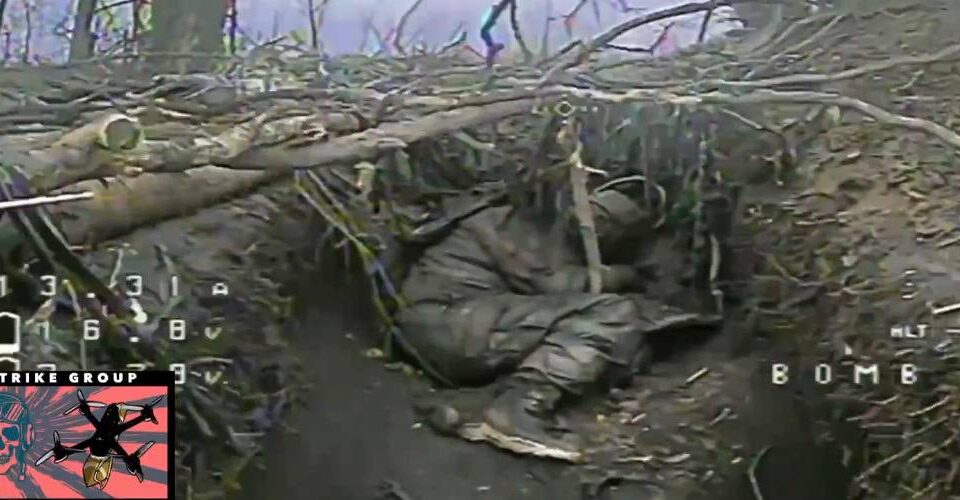
The enemy continues daily pressure and attempts to break through Ukrainian defenses in the Sloviansk direction.
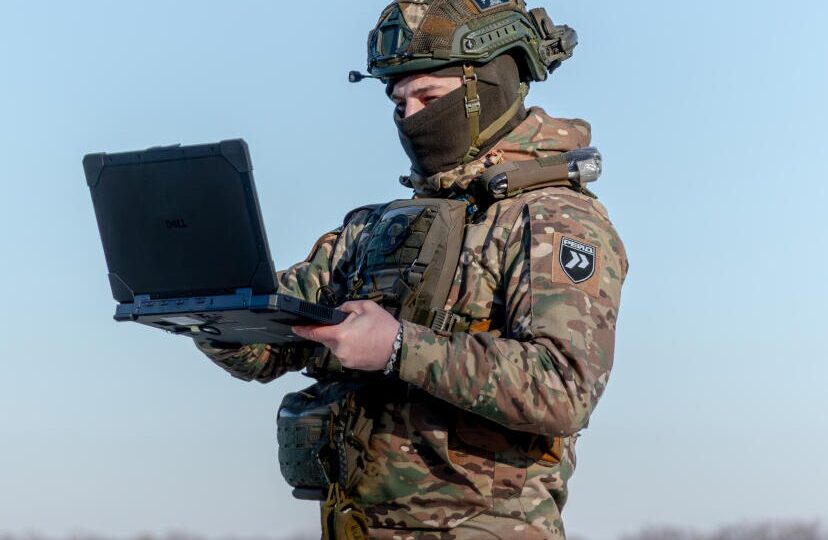
Over the past day, units of the Unmanned Systems Forces struck/destroyed 1,078 enemy targets.
The international delegation, headed by Ana Lucía Bueno, ICRC Public Health Coordinator, and Sujit Panda, Head of the Physical Rehabilitation…