
The international delegation, headed by Ana Lucía Bueno, ICRC Public Health Coordinator, and Sujit Panda, Head of the Physical Rehabilitation…

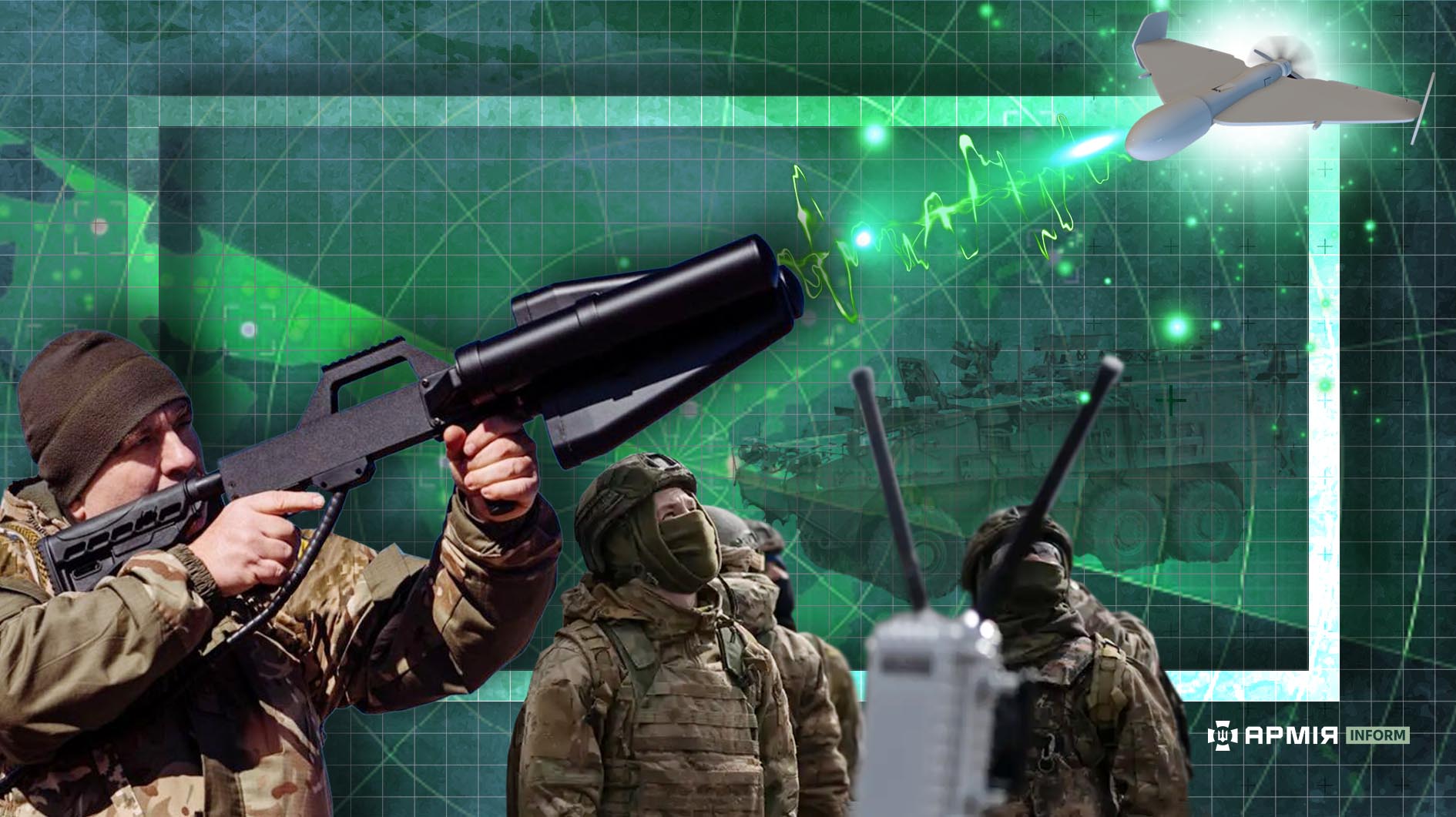
In modern warfare, technologies operate not only on the front line — they shape a new security architecture for the entire country.
Electronic warfare (EW) systems, which just a few years ago were seen as a narrowly military tool, now perform a dual function.
They simultaneously shield frontline positions by disrupting navigation for enemy drones and missiles, and serve as a key element in protecting civilian infrastructure — energy facilities, transportation hubs, and administrative centers.
We discuss how this dual use of EW works, why it is becoming critically important in a war defined by long-range precision strikes, and how modern systems can create an “electronic dome” for both military and civilians at the same time, with Tymofiy Yurkov, an expert in EW equipment development and manufacturing and co-founder of a company that produces protective systems for the military. He explains how the philosophy of defense is changing and why electronic warfare is becoming a central component of security in the 21st century.

— Given the growing threat of air attacks on civilian infrastructure (energy facilities, major cities), how critical is the use of military EW systems for its protection?
— In my opinion, the focus should not be on point-based protection of individual facilities, but on creating a layered defense system for cities as a whole. Local protection works only partially. When it comes to glide bombs, drones, or guided missiles, EW effectiveness increases when they create a continuous jamming zone rather than isolated “islands” around key infrastructure points.
— What technological changes allowed EW systems, originally designed exclusively for the front line, to operate effectively in civilian environments?
— In fact, this is not civilian use in the classical sense — it is the continuation of a military function, just in another environment. Initially, these systems were created to counter FPV drones, but over time they gained new capabilities.
The key changes are the emergence of new types of signals and algorithms for generating them. This made it possible not only to effectively suppress FPV drones, but also to work against navigation used by Shaheds, glide bombs, and certain types of missiles. Thanks to updated software solutions and modernized signal-generation modules, the same systems can now partially cover the skies over cities.
— What main types of airborne threats (kamikaze drones, reconnaissance UAVs, GPS-guided cruise missiles) are priority targets for your EW systems in the context of urban protection?
— All of the above: Shaheds, glide bombs, and other munitions that use GPS or other GNSS standards. Also reconnaissance drones such as Orlan or Zala.
They are more complex because, in addition to satellite navigation, they use additional data-transmission channels, including real-time video. To suppress them, you need to block not only GNSS but also telemetry and video channels.

— Are there types of airborne threats attacking cities that EW cannot counter? For example, missiles?
— There are missiles for which EW can significantly interfere with guidance, especially when protection is layered. And there are those for which the impact is limited. As for UAVs, most types — including Shahed/Geran — are successfully disrupted.
The enemy tries to compensate for the loss of navigation by increasing the distance reserve. Because of this, despite EW operation, some UAVs still reach the city, but with a large error. For example, if the target was in central Kyiv, the drone may reach only the outskirts but still cause damage.
Recently, we have been suppressing various air threats quite effectively. But unfortunately, this still does not guarantee complete avoidance of casualties. If enemy UAV navigation were jammed from the moment of launch inside Russia, the error would be so large that most of them simply wouldn’t reach Kyiv. But this would require covering nearly the entire territory of Ukraine with EW systems, which would cost hundreds of billions of dollars.
— How can EW systems deployed near civilian facilities be prevented from interfering with civilian communications (4G, Wi-Fi, GPS) while targeting enemy drones/missiles?
— This is essentially impossible. Shaheds use the same navigation and communication channels as civilian infrastructure: GNSS (GPS and other constellations), mobile networks 2G/3G/4G/5G, and LTE. They contain a standard SIM card with a modem similar to those in our phones.
Thus, EW systems can operate selectively, but Russian air-attack assets rely on the same navigation and communication channels as civilian systems, so their signals cannot be separated.
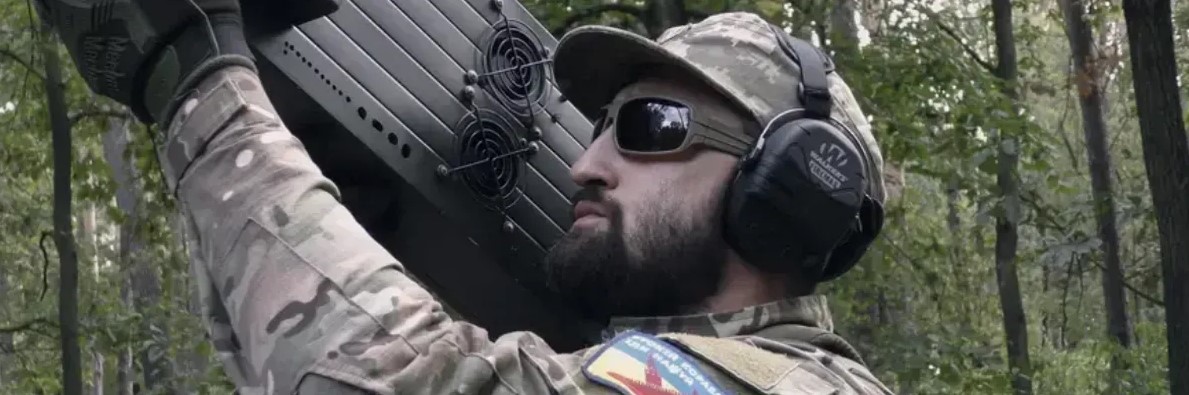
The only option for civilians is to switch to protocols that Shaheds do not use. For example, we do not block Starlink, as these UAVs do not use it — yet. But if they start, then we would need to interfere with that channel as well.
— Theoretically, can Russia switch Shaheds to Starlink signals?
— Theoretically, yes — this has long been discussed among experts. If they obtain enough terminals, launch UAVs near the border, and reduce their speed to about 100–110 km/h so the system doesn’t recognize them, such a scenario is possible. For example, some Ukrainian manufacturers are already integrating Starlink into their UAVs.
However, Russia faces a major limitation: Starlink is officially banned on its territory. So they could use it only from occupied territories or right at the Ukrainian border.
— Do you see the future of protecting civilian infrastructure in stationary complexes or in deploying a large number of small, mobile, local EW systems? What are the advantages of each?
— In fact, this is not an “either-or” question. The most effective model is a layered defense system where each level performs its role.
The first level is basic engineering barriers that complicate the use of fiber-optic guidance solutions.
The second level is mobile systems: vehicle-mounted EW, portable solutions, detectors. They provide localized, point defense at limited distances.
The third level is powerful long-range tactical complexes capable of operating at 5–20 km and covering large areas or approach routes.
Small complexes such as vehicle-based or trench EW typically have an effective range of 50–200 meters. This is enough to protect against FPV drones, Mavics, or “Molniya”-type drones. For example, in Kharkiv, most destruction today is caused by “Molniya” due to the city’s proximity to the border.
These drones do not require satellite navigation — they are piloted directly from a controller, so their neutralization often depends on mobile EW being near the target. In most cases, a vehicle-mounted EW unit can protect a vehicle from this type of threat.

Stationary complexes, on the other hand, are almost all directional rather than dome-shaped. To use them effectively, the UAV must be detected — either by radars or SIGINT — and only then can targeted jamming be directed.
— How should coordination be organized between military units using more powerful EW systems and civilian services/operators deploying local EW systems?
— In my opinion, a unified integrated EW management system is needed. It must show all active systems: their configuration, frequencies, directions of operation, type of signal, target being suppressed, and current efficiency status.
This would make it possible not only to see where EW is operating but also to manage it. For example, if Shaheds are approaching from 15 directions and most systems are pointed at only three, we lose influence. With centralized coordination, we can quickly redistribute systems according to threat priorities.
Such a tool should also combine radar and SIGINT data so operators can see target trajectories and synchronize different layers of defense in real time.
— How realistic is it to create such an integrated EW management system in Ukraine?
— Technically, it is possible. But in practice, it is difficult, and the main barriers are organizational. The Ukrainian EW market is highly fragmented: each manufacturer develops its own approach and tries to become the de facto standard. In such conditions, integration is seen not as a common goal but as a threat to competitiveness.
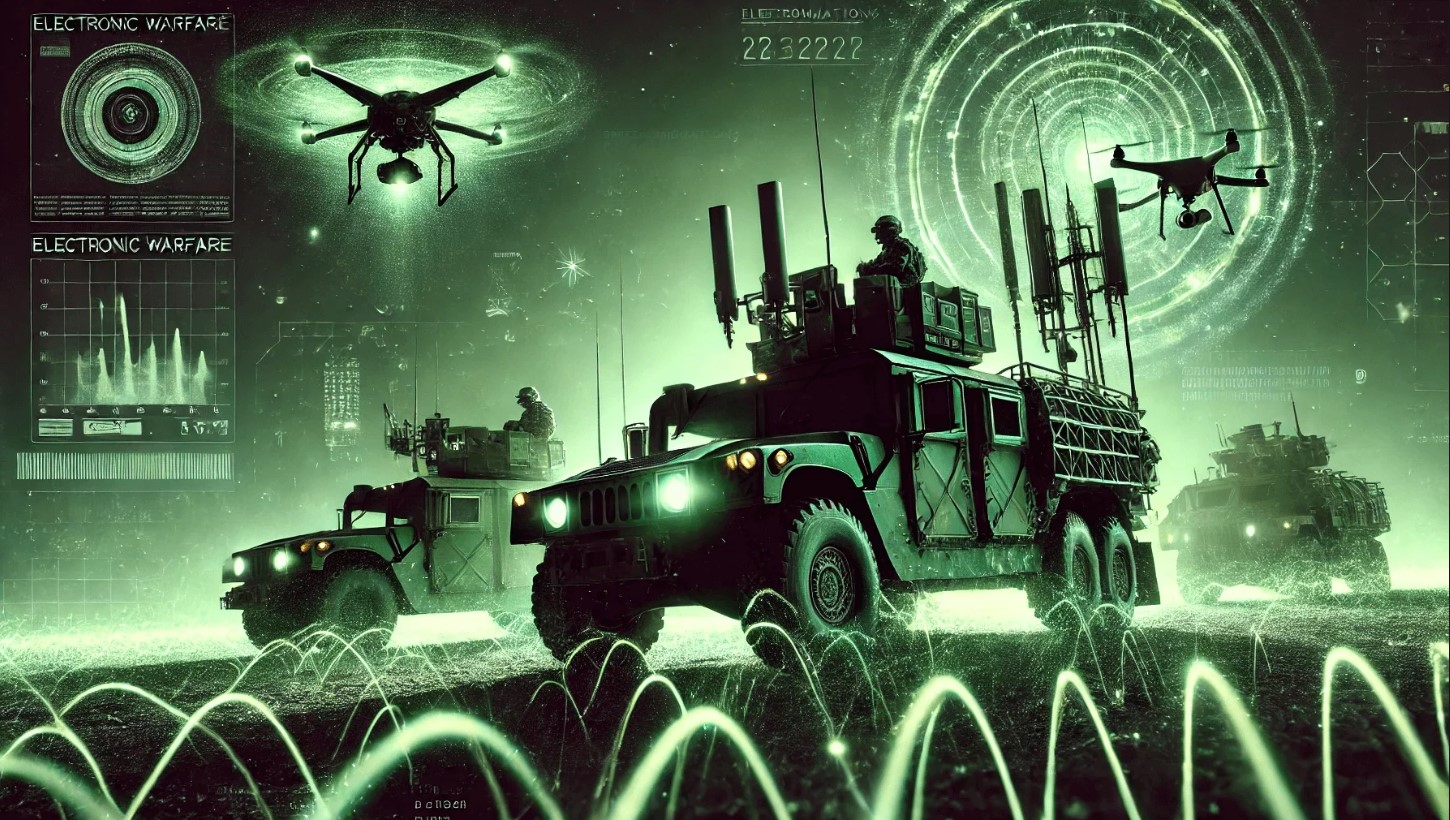
If there were a unified architecture to which all systems could connect regardless of manufacturer, we could quickly form a full picture of the electromagnetic environment, manage resources, avoid frequency conflicts, and scale defense. But this requires standards, compatibility protocols, regulatory requirements, and above all, a policy of cooperation.
All of this requires time, money, coordination, and joint commitment from the market and the state. But if we want to significantly increase EW effectiveness, this is the right path.
— What should be implemented at the legislative and educational levels to ensure qualified and safe use of previously military EW systems by civilian structures?
— Clear rules for deploying and deactivating EW systems must be introduced. Personnel working near the equipment must wear protective clothing made of shielding material. Our company already produces military uniforms with such protection, and if necessary, we can make versions for police or firefighters.
The uniform does not differ from standard clothing except for a special lining that protects from radiation exposure. After all, radiation of 50–100 W or more can negatively affect the human body.
Specialized personnel training is also important. People must take courses that teach how to operate EW, how to use it safely, what frequencies are suppressed and how this affects systems, and how to avoid damaging EW equipment during operation.
— Do civilians living near installed EW systems also need protective clothing?
— Usually no. Radio waves dissipate quickly. For a transmitter of about 50 W, a safe distance is approximately 90 meters, and at that distance the impact on human health is minimal. This is confirmed by WHO recommendations.
— What key feedback and requests from the military regarding EW performance in combat have you incorporated into your latest developments?
— We constantly integrate numerous recommendations from the military and work to upgrade our systems. Sometimes we send a new development for testing and it is returned not as non-functional but with comments on how to refine it for ideal operation. And then we try to bring it to perfection. We do not have an approach of “it’s good enough, just buy it.” We strive for maximum effectiveness in all systems.
Improvements happen daily: adding new frequencies, adapting to new antenna types, testing various jamming scenarios. If we see an antenna more effective than ours, we integrate it into the system. We upgrade our antennas and long-range modules so they operate as a unified complex.
We also work constantly to make the system as user-friendly as possible. All military feedback is documented and implemented.
— Are you planning to integrate AI elements for more accurate identification and neutralization of air threats?
— We plan to use artificial intelligence in our systems. Its role is to significantly simplify and automate coordination between EW systems and SIGINT tools. For example, if you combine our EW complex with a SIGINT device, the reconnaissance system will detect the frequency, identify the location of the signal source, and transmit this data to the central module.
Then the “brain center” will decide what exactly needs to be jammed, in which spectrum and range, and will perform automatic calibration for azimuth, elevation angle, and polarization.
For now, this is a future capability, not an implemented one. But this is the direction we need to move in — toward fully autonomous interaction between detection and suppression assets. An ideal system would independently determine the type of target, assess the threat, choose the necessary frequencies for jamming, direct complexes to the required sector, and monitor the result.
It is possible to implement this, but the task is complex. It requires significant funding, deep expertise, and solving multiple technical challenges. We are working on this — and not only us, but many other companies as well.
Thus, a key challenge is software compatibility. Therefore, in my view, the right model is a single state platform into which developers integrate their EW systems. This allows the military to choose systems based on characteristics, effectiveness, and price rather than compatibility.

The enemy is attempting to develop the production of naval drones and copy successful Ukrainian practices — both technical solutions and tactics.
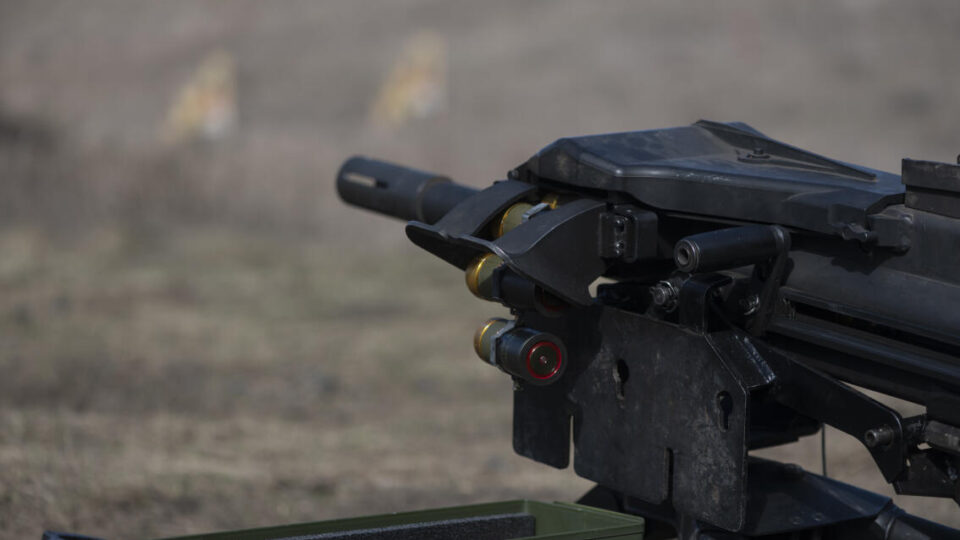
Fighting continues in the northern part of the city of Pokrovsk in the Pokrovsk direction. A mechanized assault was repelled there the day before.
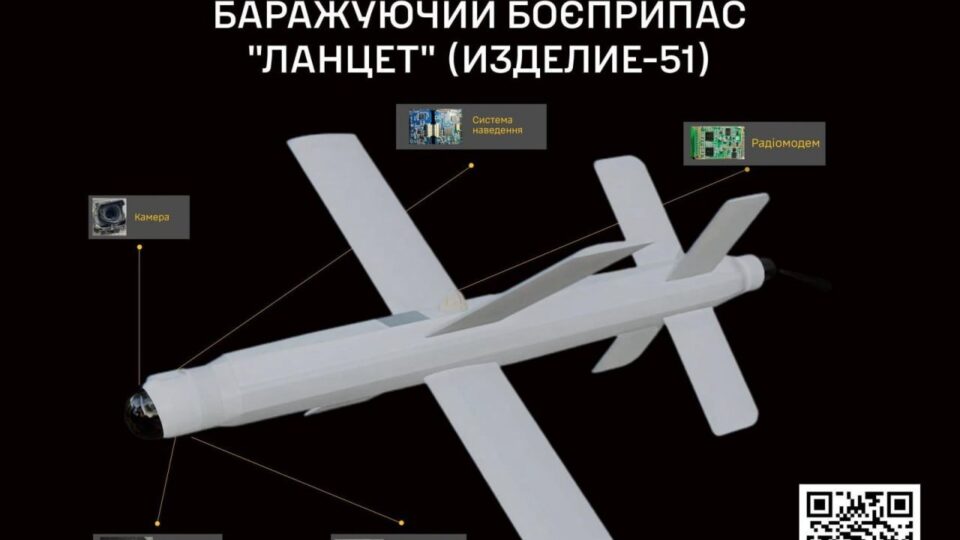
The Main Intelligence Directorate of the Ministry of Defense of Ukraine has published data on enterprises involved in the production of Russian loitering muniti

Another two-day round of negotiations between Ukraine and the United States concluded in Florida on March 22.
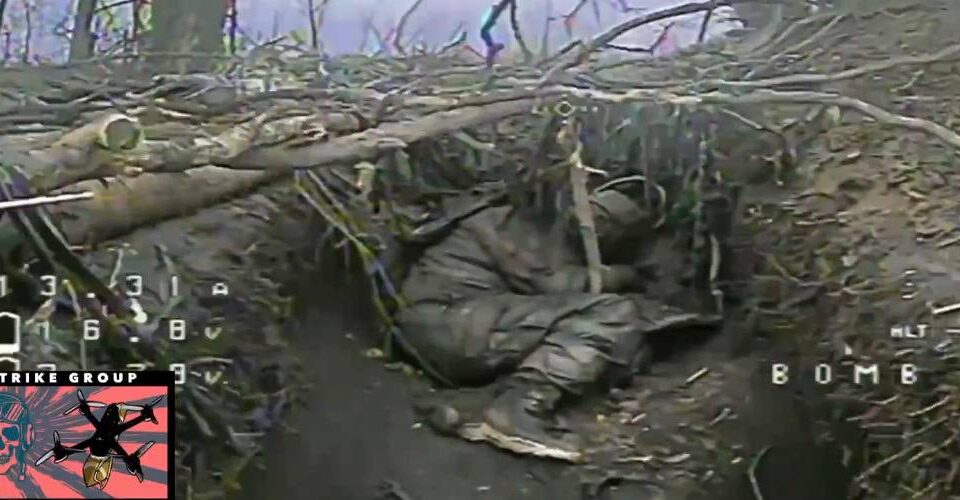
The enemy continues daily pressure and attempts to break through Ukrainian defenses in the Sloviansk direction.
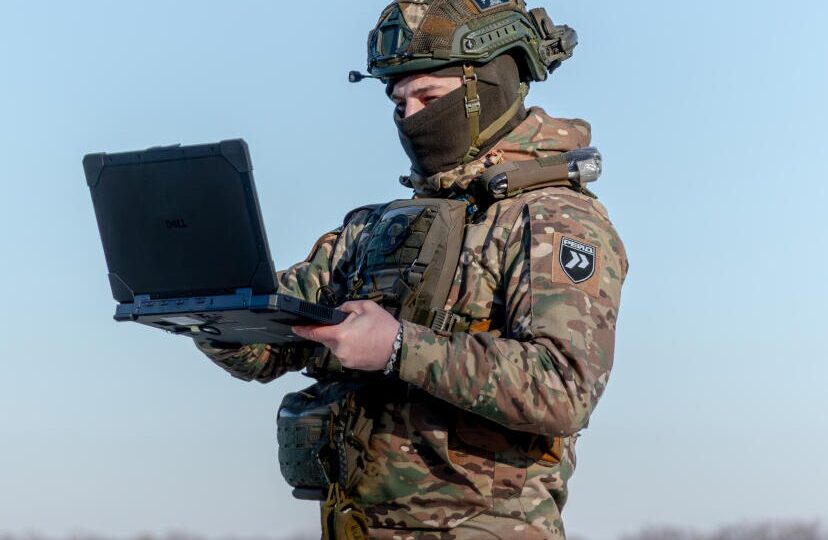
Over the past day, units of the Unmanned Systems Forces struck/destroyed 1,078 enemy targets.
The international delegation, headed by Ana Lucía Bueno, ICRC Public Health Coordinator, and Sujit Panda, Head of the Physical Rehabilitation…