Her words sound like a refrain echoing across many corners of Ukraine — in Sumy, Lviv, Zaporizhzhia, and Geneva. Yes,…

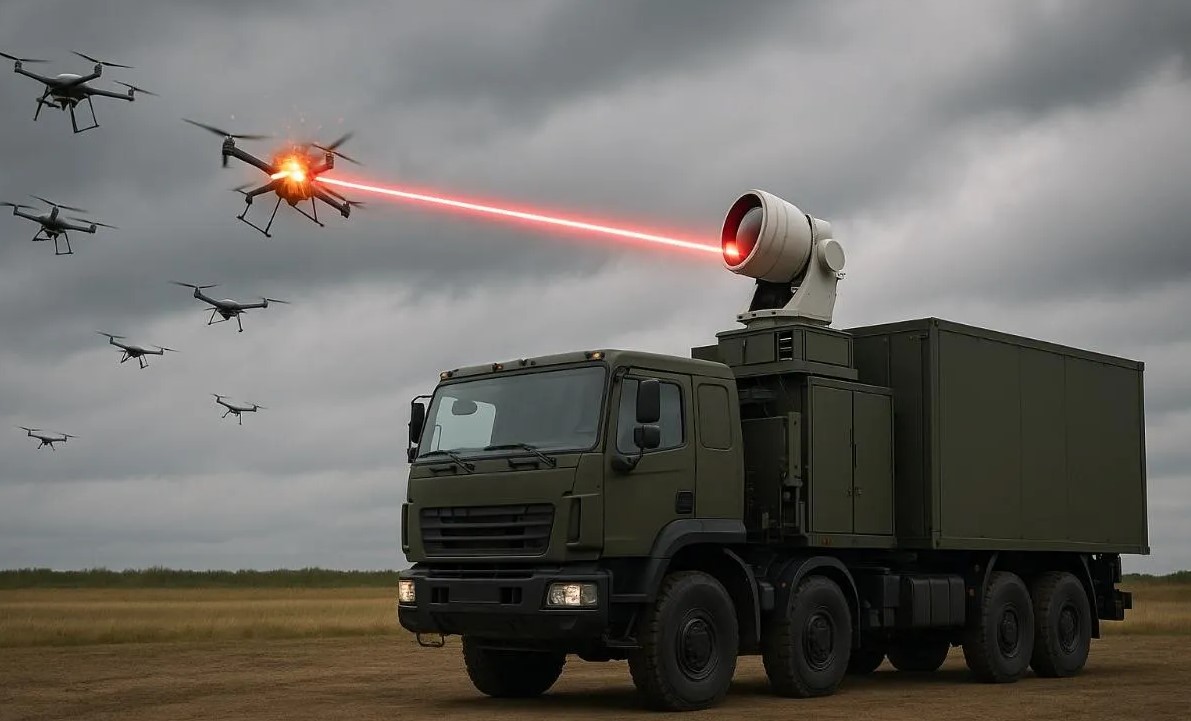
The Australian company Electro Optic Systems Holdings Limited (EOS) has signed the world’s first export contract for the supply of a 100-kilowatt air defense laser system capable of destroying swarms of unmanned aerial vehicles.
As stated in an official announcement on the website of the manufacturer of combat optical equipment based in the suburbs of the capital of the “green continent”, — Canberra, the new anti-drone laser system was developed by EOS to meet urgent market demand and the emerging strategic need to defend against UAV swarm attacks at an economical cost, ArmyInform reports.
The value of the deal amounts to €71.4 million (approximately AUD 125 million). The customer is one of the undisclosed NATO member states in Europe. Deliveries are scheduled for 2025–2028, and production assembly will be carried out at an EOS facility in Singapore.
“This is the world’s first export order for a 100-kilowatt-class laser defense system”, — said EOS CEO Andreas Schwer.
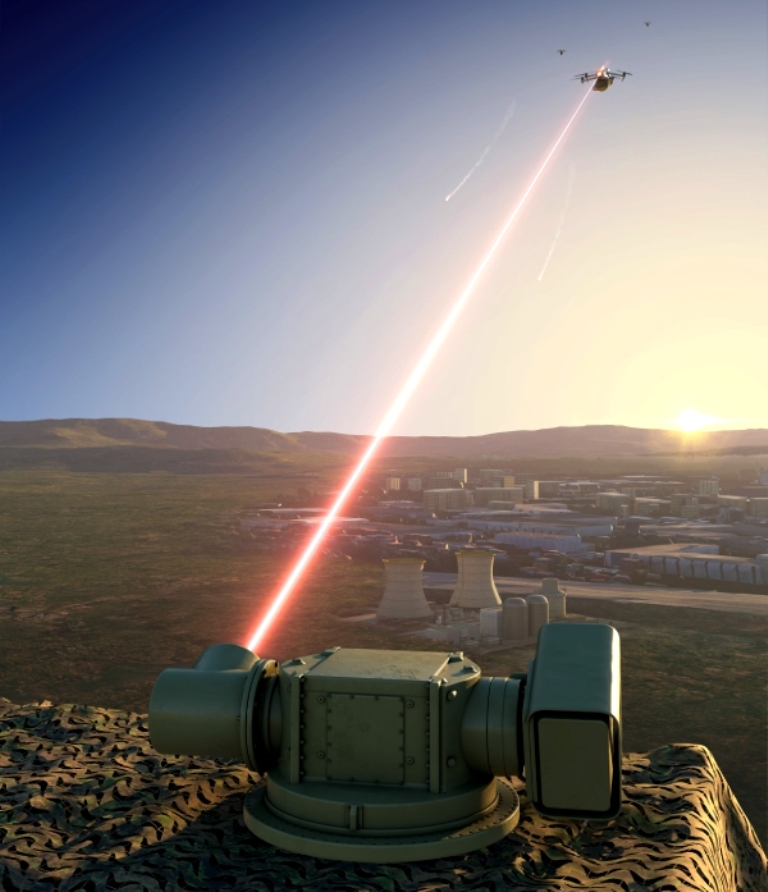
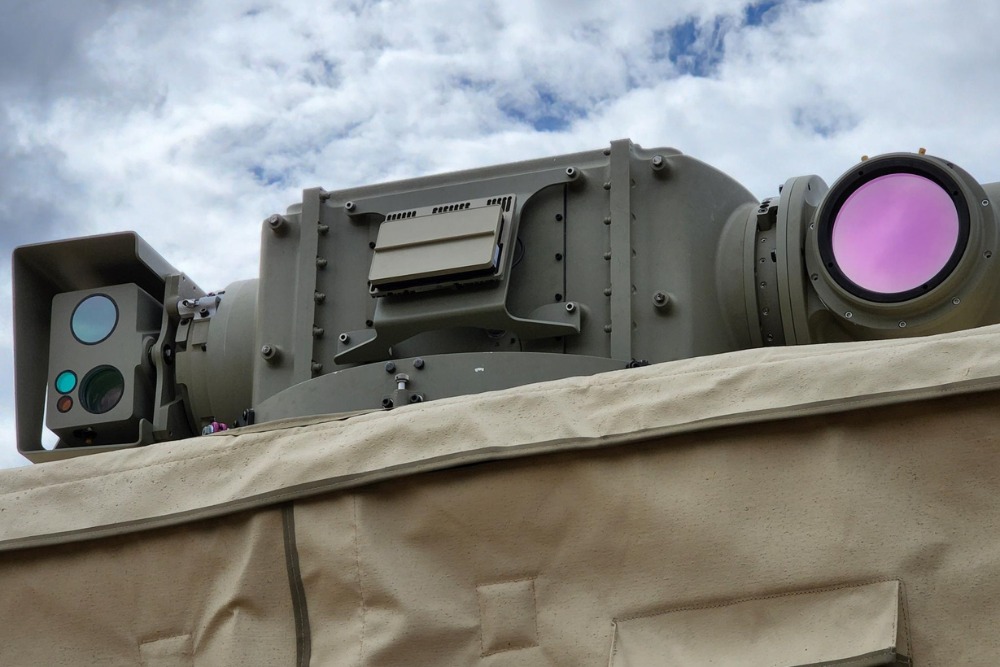
Electro Optic Systems Holdings Limited will deliver a mobile system capable of destroying up to 20 drones per minute with a beam traveling at the speed of light. It integrates into layered air defense systems, and its architecture combines threat recognition algorithms, radar, tracking systems, precision targeting technologies, and beam-locking to ensure stable engagement of moving targets.
The laser complex is mounted on a truck and integrated into multilayer air defense systems. It includes a radar, threat detection algorithms, target acquisition, and beam locking to maintain accuracy even at long distances. The technology is the result of three years of field trials and combat testing in real conditions, which confirmed its effectiveness across various environments.
Each shot costs less than ten euro cents, making the system extremely cost-effective compared to missile interceptors, especially under conditions of mass attacks. In modern conflicts, where drones can attack simultaneously from multiple directions, such a system provides instant response and high fire density without excessive costs.
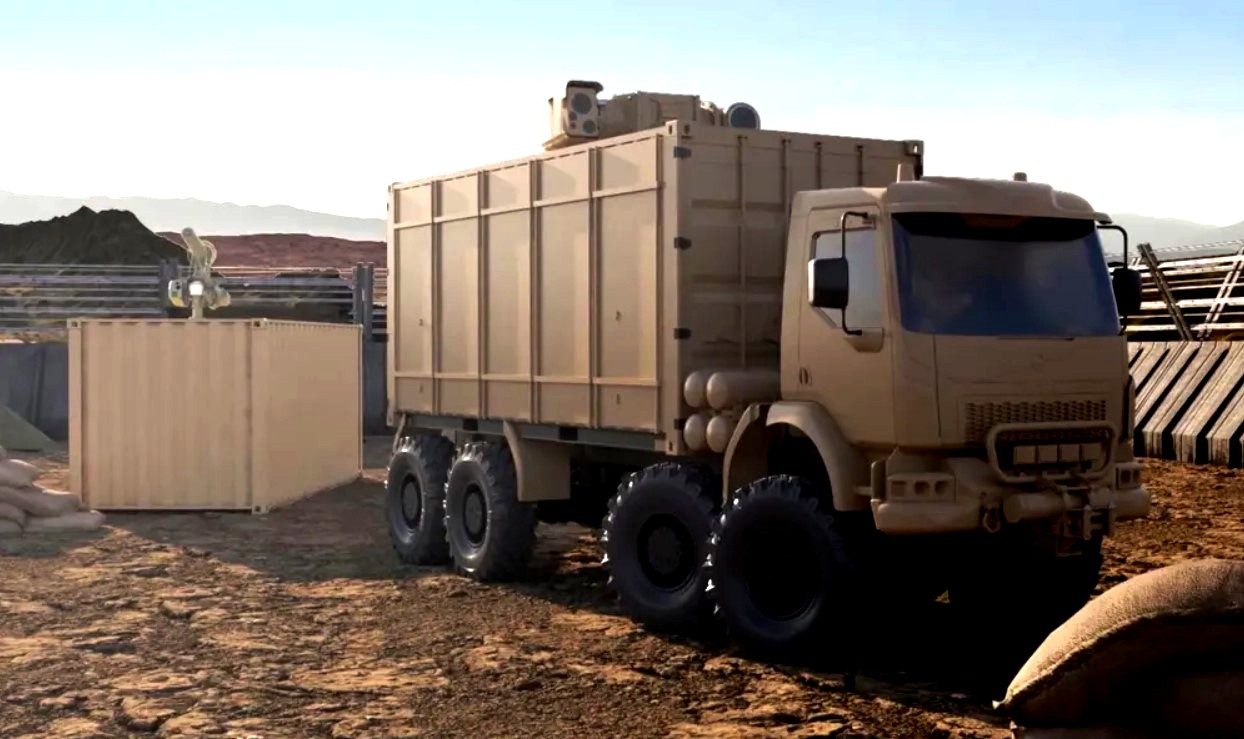
The development lasted more than three years and was accompanied by a series of field trials, including live firing in real conditions. During testing, engineers refined performance across different climatic and tactical scenarios, achieving consistent engagement accuracy at long ranges. To this end, EOS enhanced the beam control system by adding advanced stabilization and target-holding mechanisms, even when targets move at high speed.
The contract is the result of an extensive marketing campaign, demonstrations, and negotiations with potential customers. The premiere of the laser complex will take place in September at the DSEI 2025 defense exhibition in London.
EOS expects the contract not only to strengthen the company’s position in the global market, but also to spur further development of laser means for countering aerial targets.
EOS positions the system as a response to the growing global threat of mass drone attacks that can overwhelm traditional air defense systems. The laser provides instantaneous target destruction without the high operating costs inherent in missile systems.
“In today’s unstable geopolitical climate, the ability to respond instantly to aerial threats is critically important”, — Schwer added.
EOS expects the contract not only to strengthen the company’s position in the global market, but also to drive further development of laser systems to counter aerial targets. The development of high-power laser systems has become a priority for the armed forces of many countries due to the growing threats posed by inexpensive yet effective drones and guided munitions.
It should be noted that while creating a demonstration video of its latest laser system, Australian defense manufacturers used footage from documentary reports filmed during Russia’s war against Ukraine.
Presentation of EOS laser weapons — High Energy Laser Weapon System. Video: Electro Optic Systems (EOS)
@armyinformcomua

The enemy carried out a series of targeted strikes on a thermal power plant in the nearest suburb of Kharkiv. This led to a significant drop in voltage in the city, directly affecting heat supply and the operation of public transport.

On the Kramatorsk axis, in the area of responsibility of the 56th Brigade, the enemy continues to use the so-called “creeping offensive” tactic. The advance is carried out mainly by infantry, supported by fiber-optic FPV drones. The enemy launches several hundred such drones per day in this sector.

On the Lyman axis, the situation remains difficult. The enemy does not abandon attempts to assault our forward positions with its numerous infantry. They try to “fly in” to positions on motorcycles; assaults using heavy equipment also take place.
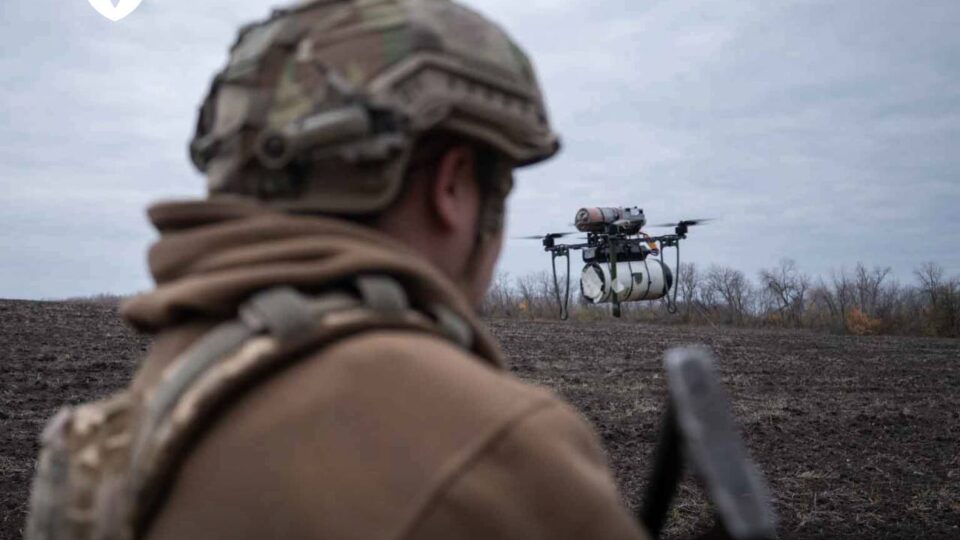
The number of supplied drones has increased by nearly 2.5 times compared to the number delivered last year.

On the Kupiansk axis, in the area of responsibility of the 3rd Assault Brigade, the enemy is observed using infiltration tactics with small groups. However, enemy assault infiltrators are met with annihilation.

For 45 consecutive days, a ground robotic complex of the 3rd Assault Brigade went on combat duty and, with machine-gun fire, suppressed all attempts by the enemy to break through into our sector.
Her words sound like a refrain echoing across many corners of Ukraine — in Sumy, Lviv, Zaporizhzhia, and Geneva. Yes,…