First, the brigade’s tankers destroyed an enemy MT-LB with two accurate shots from a T-64 turret gun, and then the…

Evacuating a severely wounded soldier from the battlefield and performing an emergency surgical intervention in immediate proximity to the frontline is a task only true professionals can handle.
Military medics of the First Separate Medical Battalion explained how assistance to wounded soldiers is currently provided, what a Forward Surgical Group (FSG) and a Forward Surgical Unit (FSU) are, and what distinguishes them from one another.
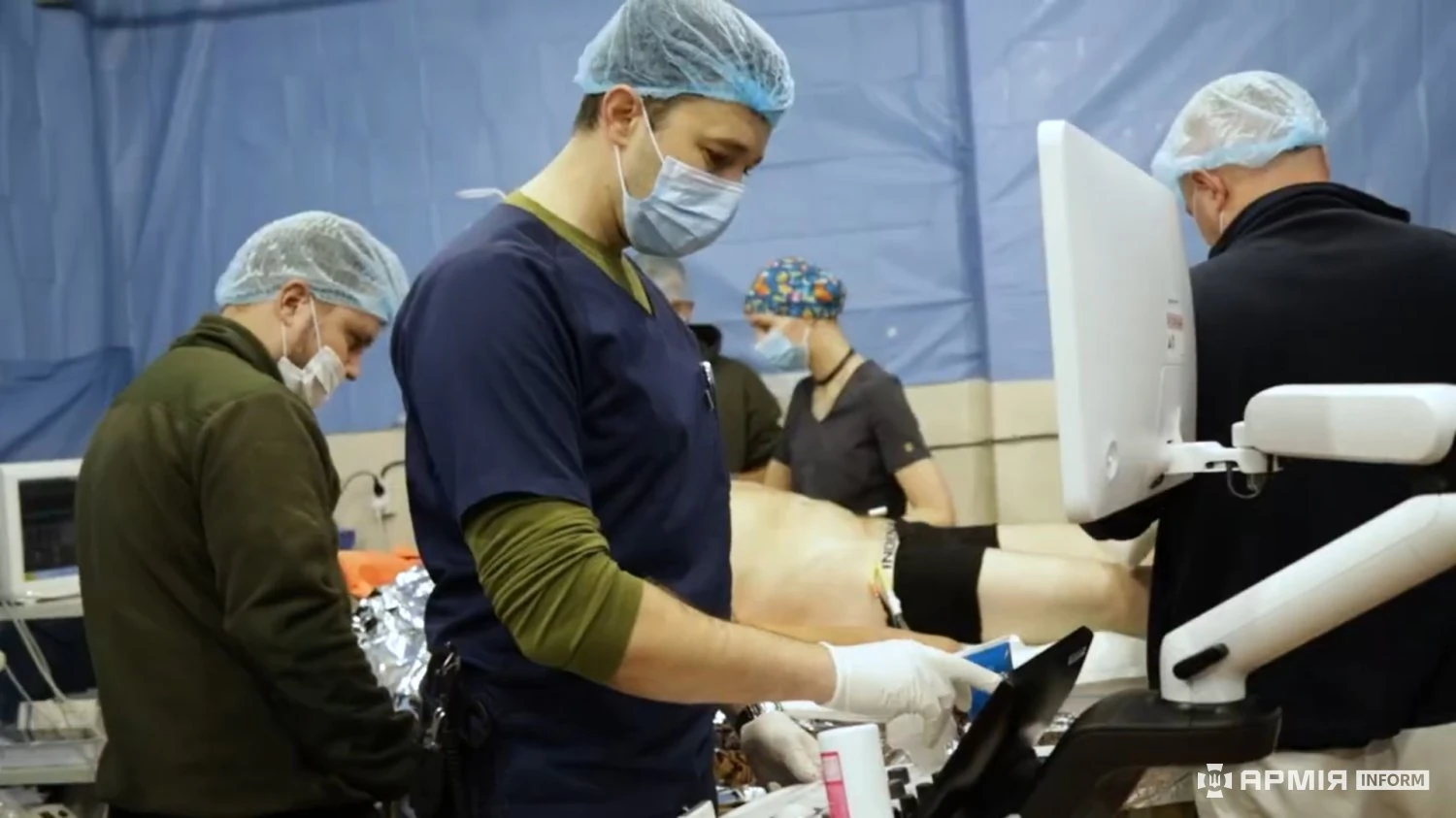
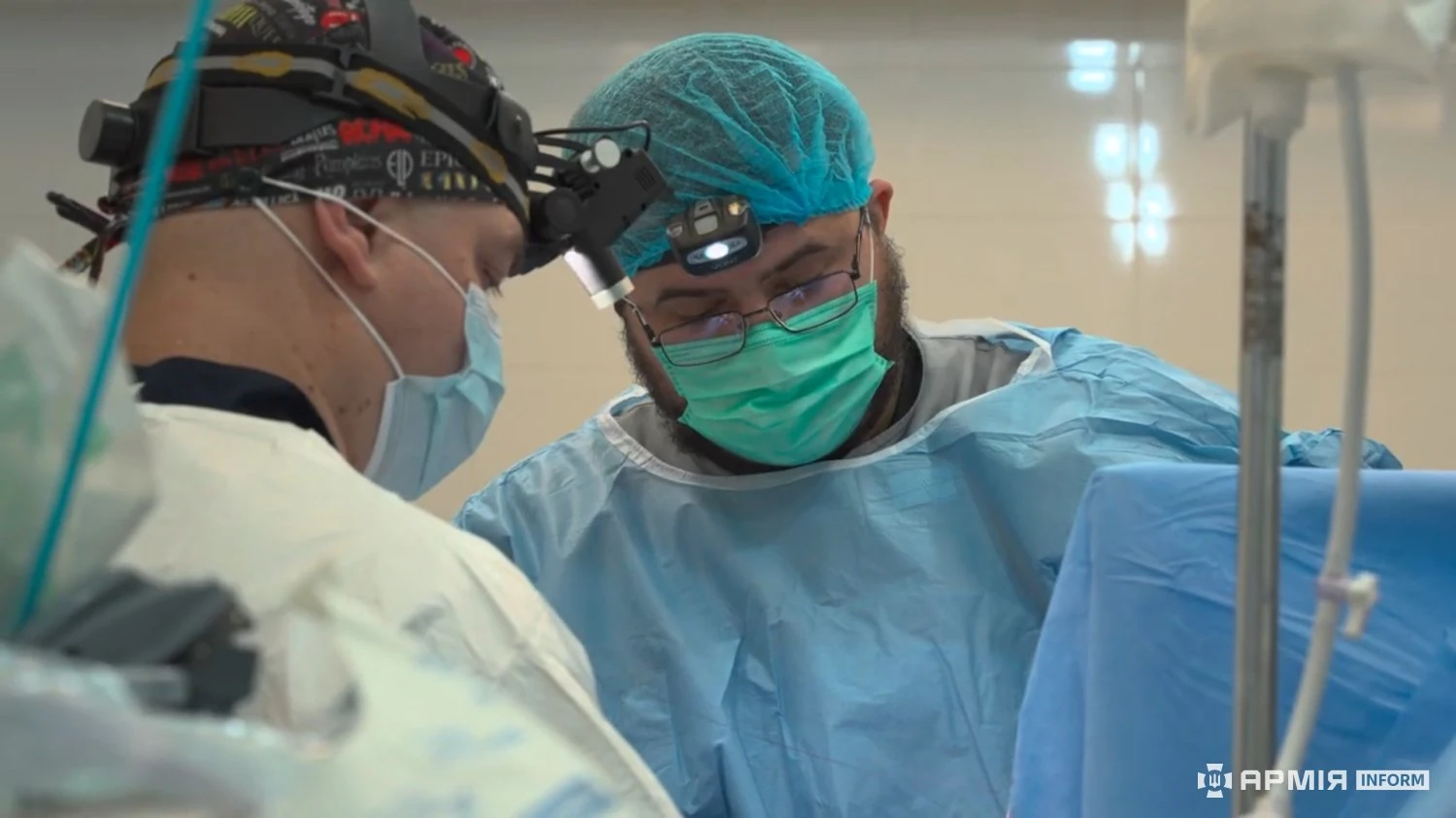
At first glance, the interior space of a forward surgical point looks almost identical to an ordinary operating room: modern professional equipment, powerful, dazzlingly bright lighting, metal invasive instruments only, and medical personnel in sterile surgical attire performing their routine work.
However, once the initial emotional impression fades, the eye begins to catch details unusual for a civilian hospital room: a tourniquet on the patient’s leg with the application time marked on its tab; a bandana on the surgeon assistant’s head; green T-shirts and fleece jackets of the Armed Forces of Ukraine under the surgical gowns of operating nurses and medical orderlies.
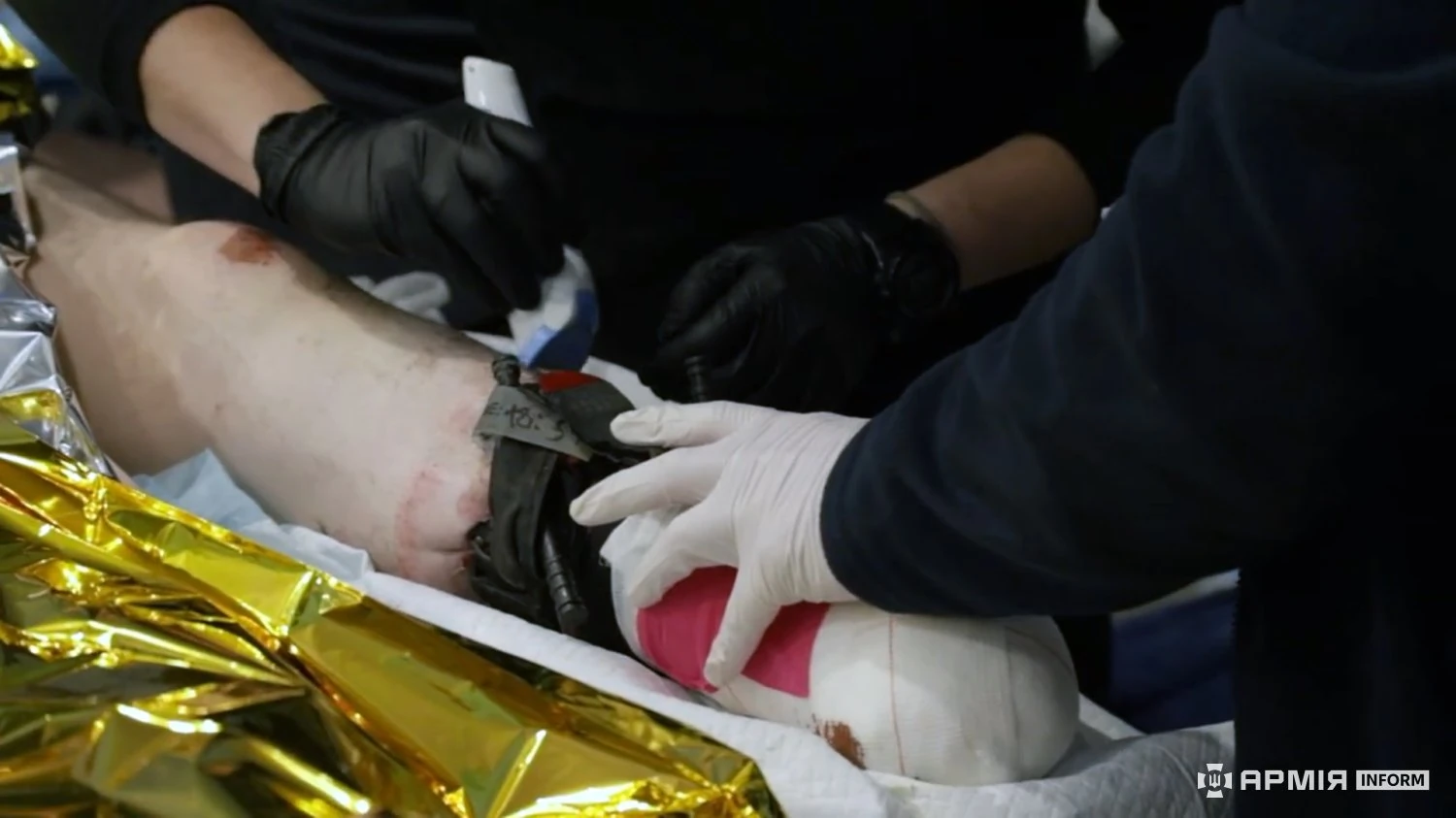
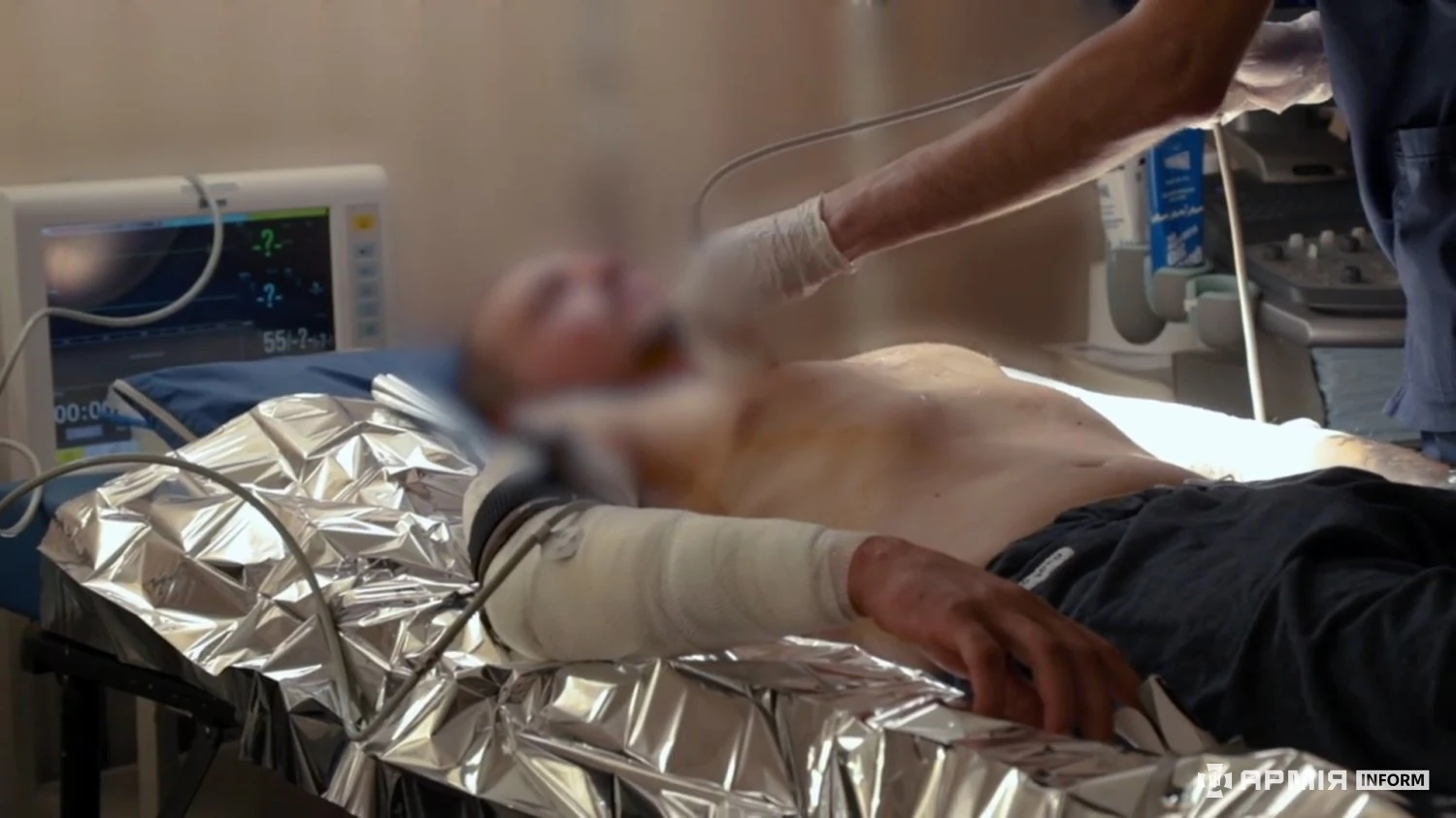
Right now, the medics are operating on a wounded soldier with an explosive traumatic amputation of the leg. The tourniquet was applied several days ago, so there is no other choice — the limb must be amputated. The prepared operating table receives the wounded man, and the specialists get to work.
Short commands, well-practised precise movements of hands and instruments, the sharp buzzing of a surgical bone saw — the operation proceeds smoothly and calmly. Despite the proximity of the frontline and the distant explosions occasionally heard outside, the military medics act clearly and with full concentration, focusing solely on the wounded soldier and saving his life.
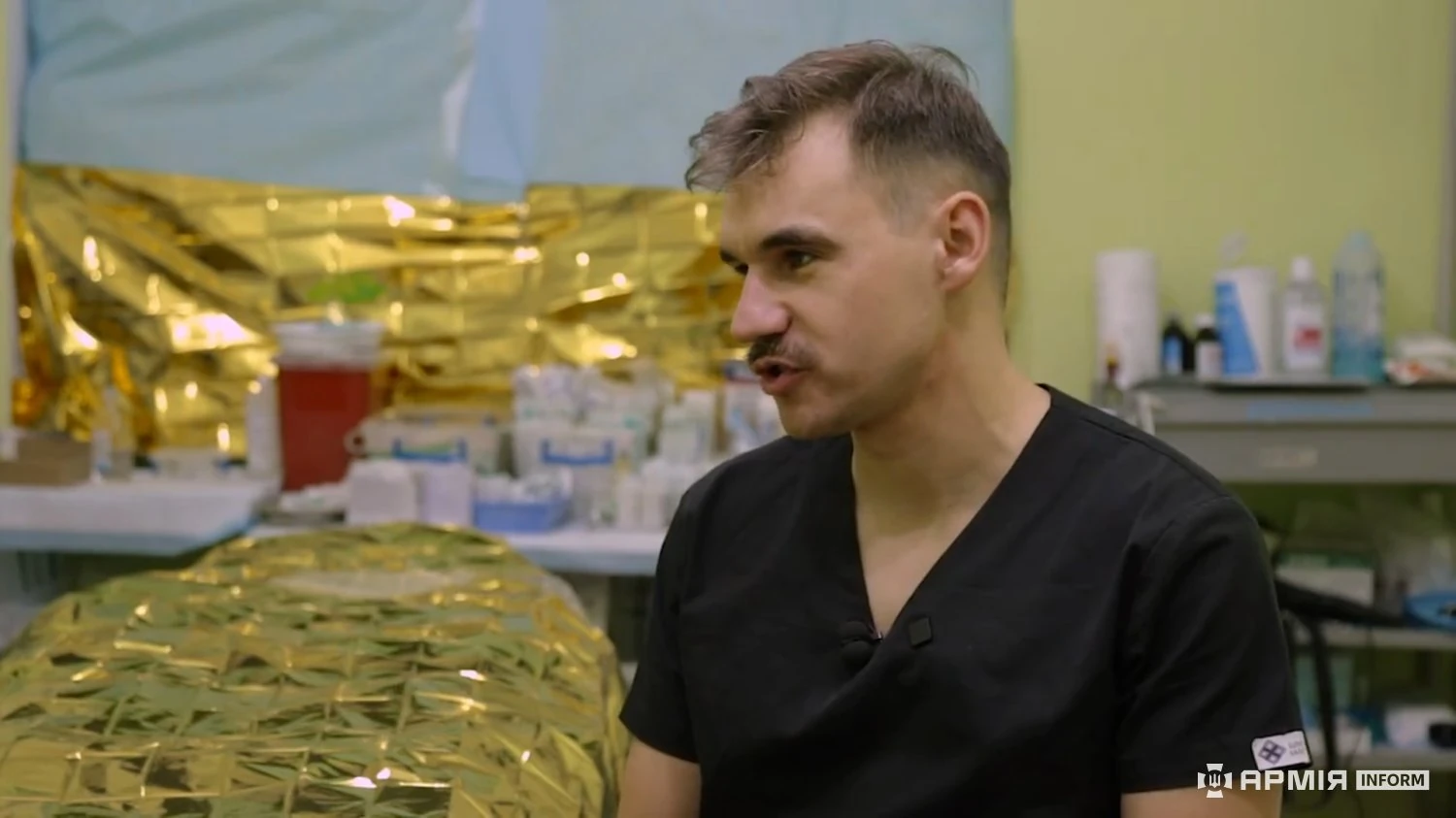
“This is a kind of life because people spend a lot of time here. Why isn’t this a stabilization point? Because the idea of a stabilization point is to do a great deal in a very short amount of time so that the wounded soldier survives. Our capabilities are much broader.
We can afford longer surgical interventions that cover Damage Control and allow the next stage after us — the FSU — to reassess the casualty and immediately send him to the next evacuation stage without additional procedures”, — says Andrii, an anaesthesiologist and head of the forward surgical point.
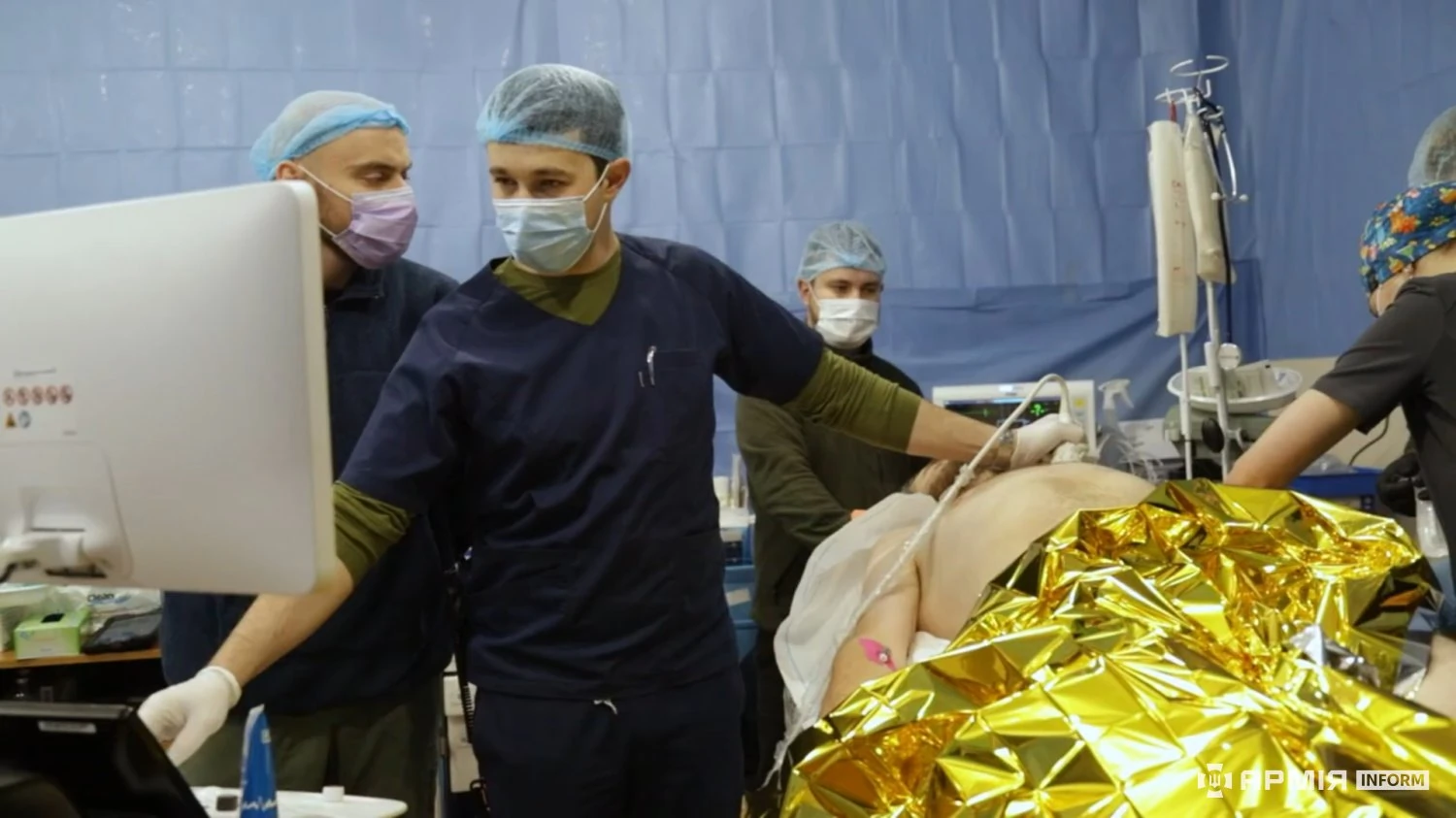
In medicine, Damage Control is an emergency care strategy for severely wounded patients aimed at eliminating life-threatening conditions in the shortest possible time. It is used when the patient is in critical condition and at high risk of developing the so-called lethal triad — hypothermia, coagulopathy, and acidosis, which together sharply increase the likelihood of death.
At this stage, medics perform only those actions that directly stop bleeding, restore the minimum blood volume necessary for life support, and eliminate immediate threats to life.
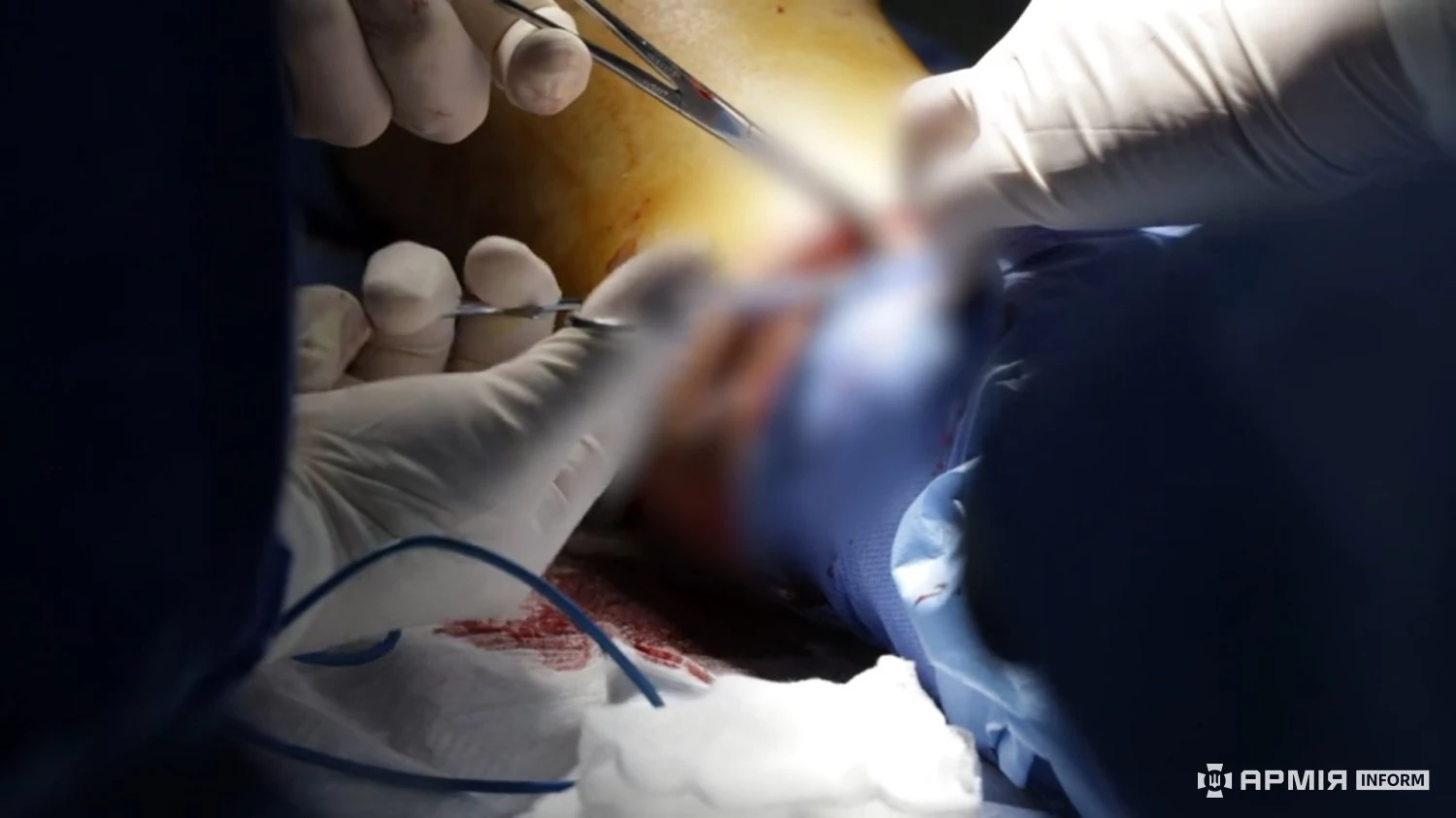
Damage Control is a staged surgical strategy: first, a rapid intervention is carried out to control bleeding, contamination, and compression of vital structures; then the patient is transferred to the intensive care unit for stabilization.
Only after the threat of the lethal triad has been eliminated are full reconstructive or restorative operations performed. This approach helps avoid long and traumatic procedures when the patient’s body is unable to withstand them, significantly increasing the chances of survival.
As Andrii notes, the FSU is a forward surgical hub — a stage of medical evacuation where a wounded soldier is received after primary Damage Control measures performed at the forward surgical point. At the FSU, medics conduct a repeated examination, refine the diagnosis, monitor vital signs, and assess the effectiveness of previous interventions without performing prolonged or complex surgeries.
“The FSU is a forward surgical unit, a large hub for wounded personnel coming from other stabilization points or, possibly at present, from our forward surgical groups. Here we provide the help needed at this stage, some surgical procedures if necessary, and some diagnostic ones. We determine the route of further evacuation, and from here the person is sent to a hospital base according to the assigned route”, — explains Volodymyr, the commander of the medical company.
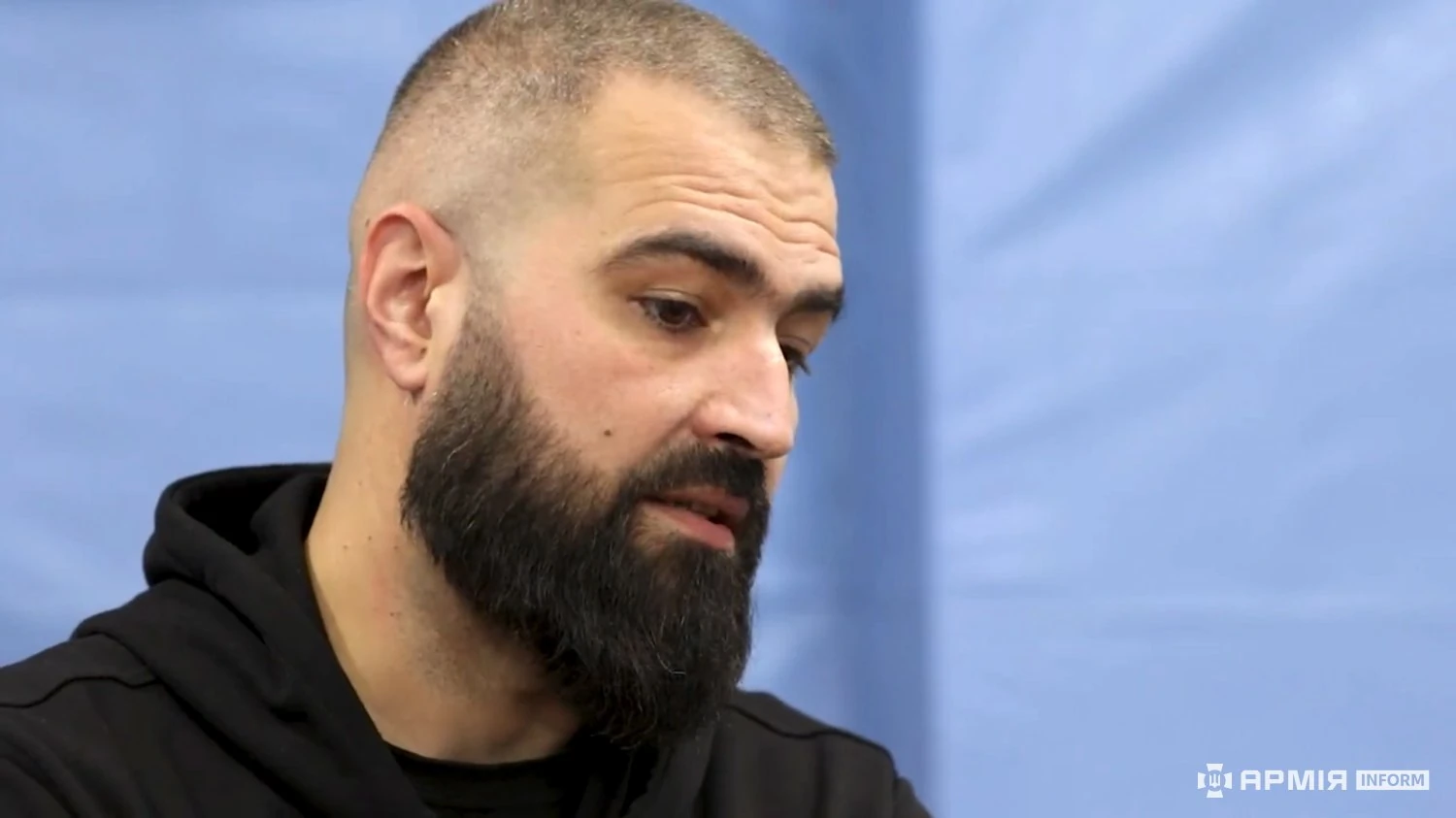
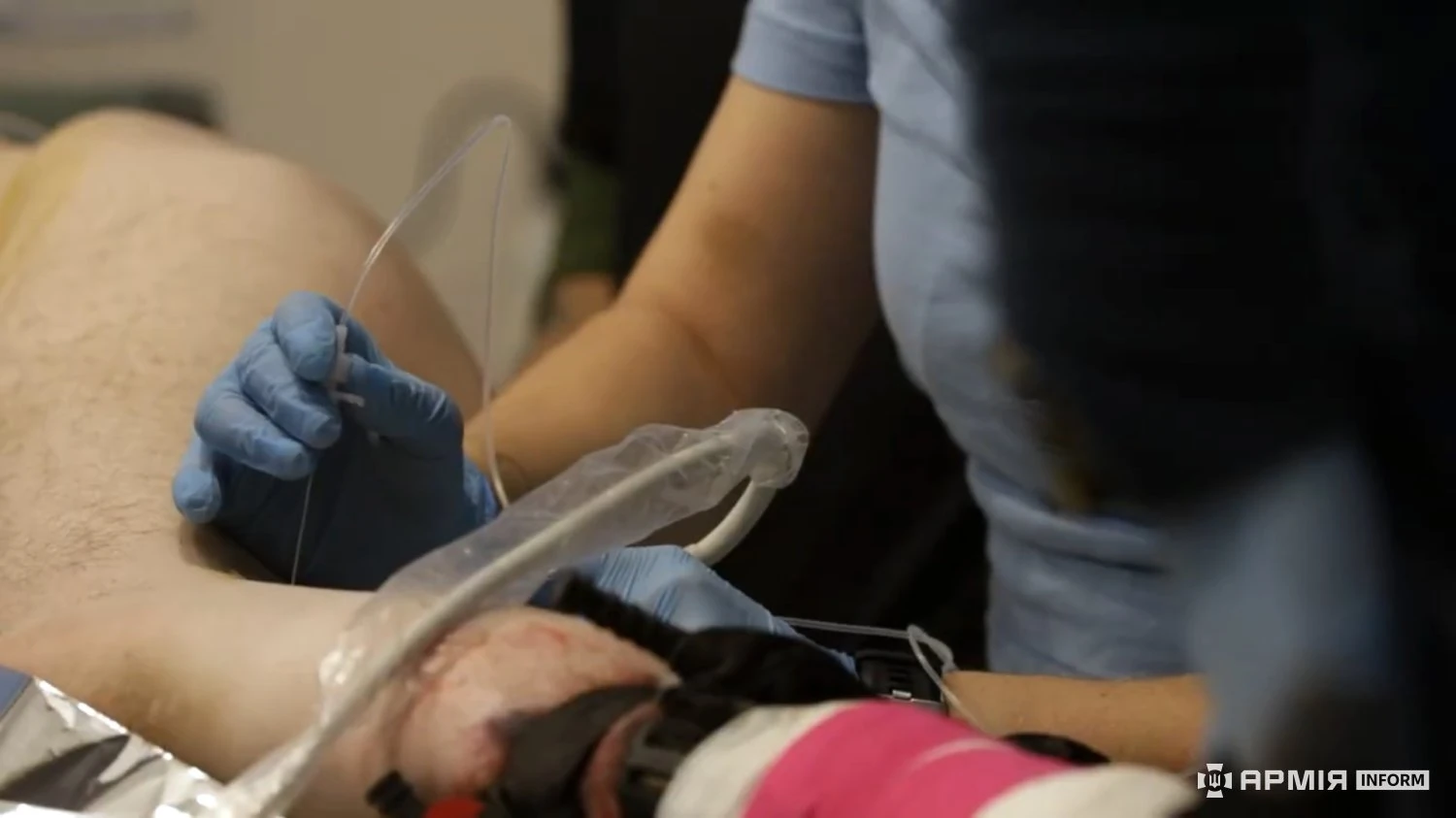
The main task of the FSU is to stabilize the wounded soldier enough to ensure safe further evacuation to the next, higher level of medical care. The forward surgical hub works under increased intensity and rapid decision-making, as it receives wounded personnel who have already gone through the critical trauma phase and must quickly be prepared for transport.
It is here that medics determine whether a patient needs additional procedures before evacuation or can be sent onward immediately. Thanks to coordinated work between the FSU and other elements of medical evacuation, risks are minimized, and the continuity of care is maintained.
“Compared to a forward surgical group, the conditions here are slightly better for longer procedures. Because forward surgical groups or stabilization points are still tied to the tactical situation and their resource capabilities.
That is, if several patients arrive at once, it is difficult to provide qualified care simultaneously to three or four severely wounded. Therefore, they transfer them to our stage, and here we can scale the provision of medical care”, — Volodymyr says.
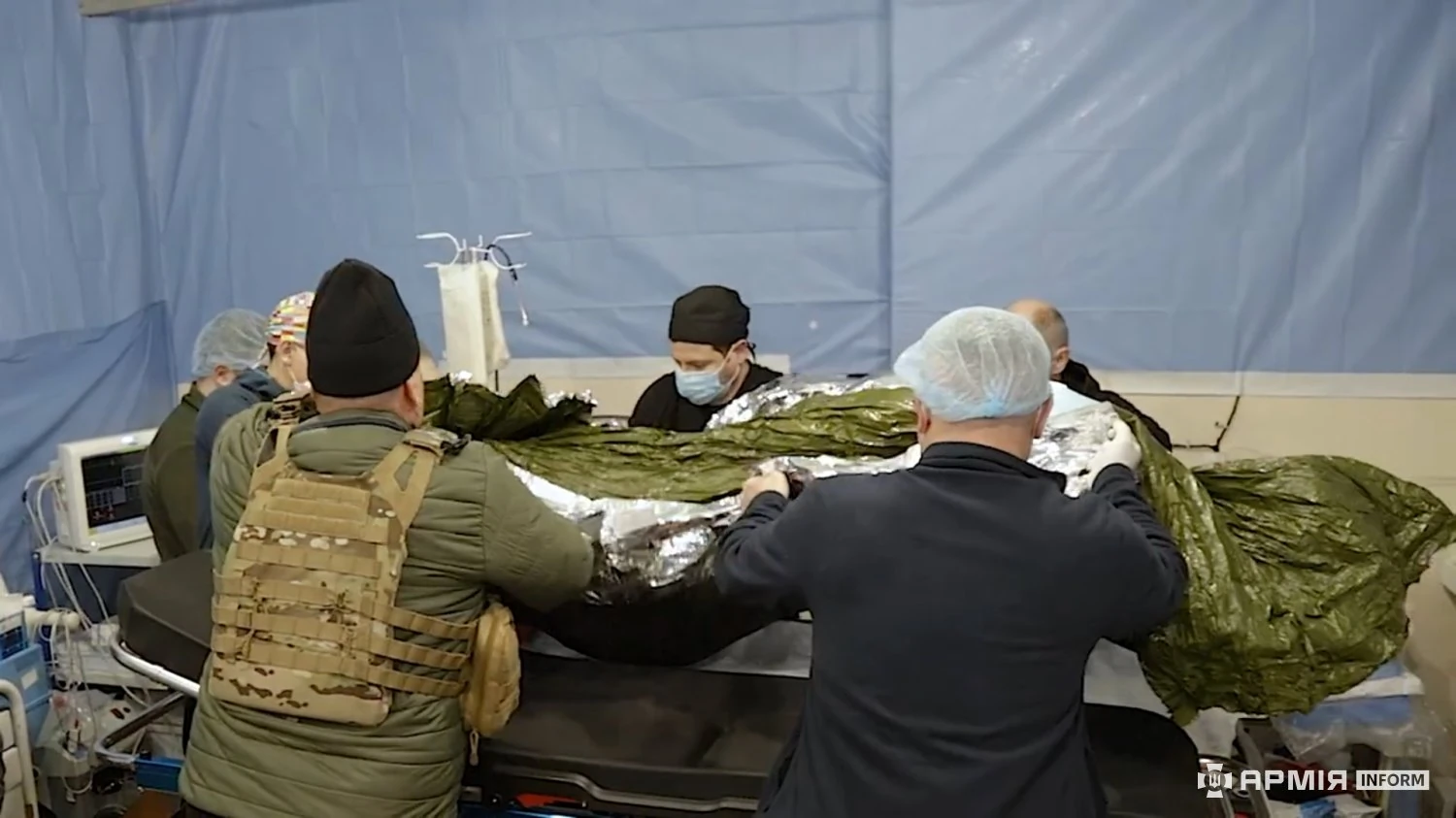
Unlike the forward surgical hub, which is located farther from the line of contact, the forward surgical point where the recent operation took place is situated very close to the frontline. Thus, medics here not only hear the war every day but may also come under enemy fire.
“Very close. Every day we feel the weapons the enemy can use against us. Yes, it’s not very pleasant, but it is what it is”, — Andrii says.
Such positioning exposes the medics to additional danger, but it also creates additional — and often invaluable — opportunities to save lives, as the difference between life and death can sometimes literally be counted in seconds.
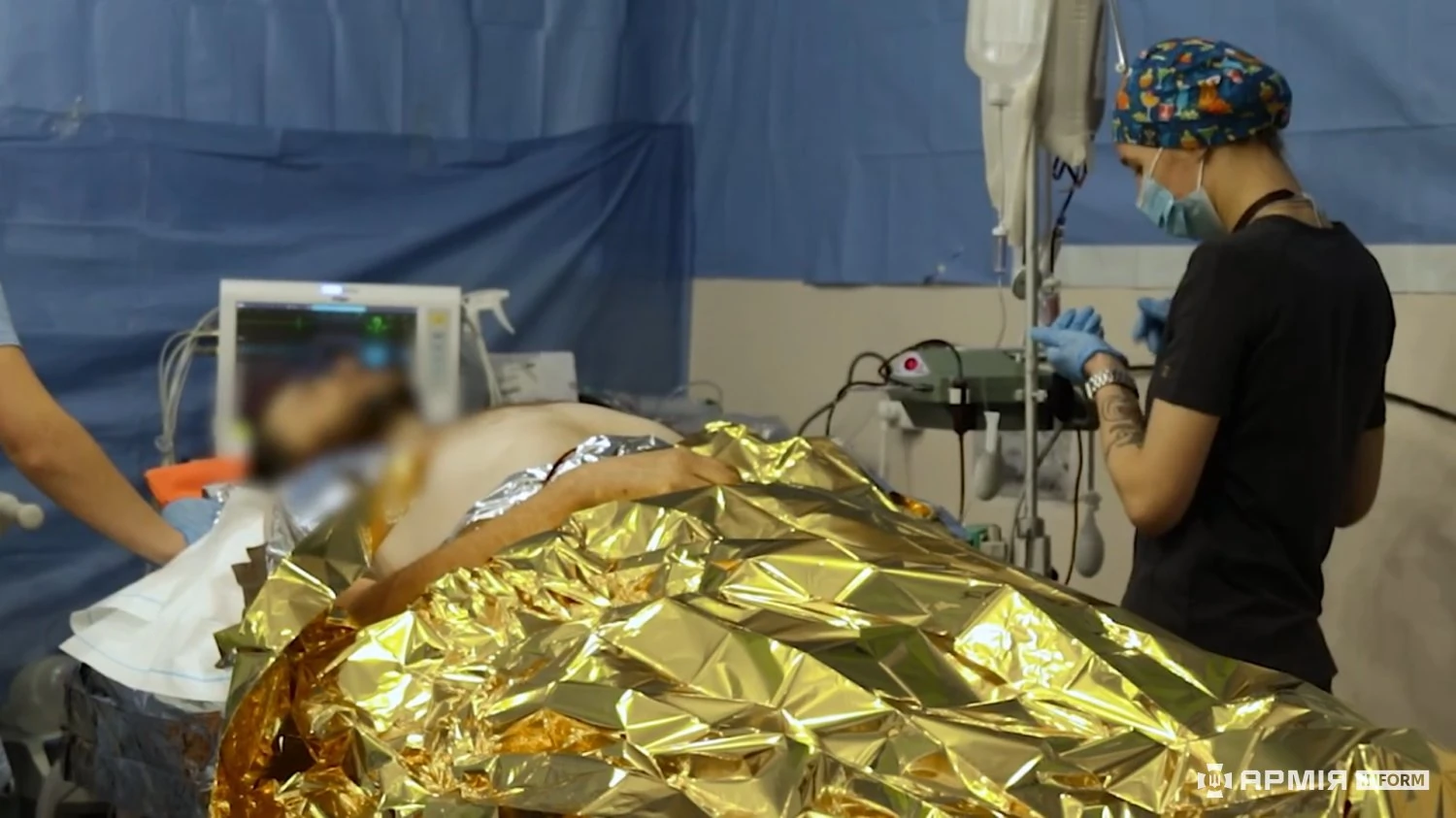
Currently, the forward surgical point of the First Separate Medical Battalion mostly receives soldiers with mine-explosive injuries caused by enemy FPV kamikaze drones and munitions dropped from enemy bomber UAVs. Such injuries vary — from mild or moderate to severe, posing an immediate threat to life.
“First of all, when they arrive, we sort them, trying to understand what volume of help they need. After that, we determine who absolutely cannot be evacuated from us — for example, because they wouldn’t survive the next evacuation stage without assistance — and who can wait here or at the evacuation stage for care”, — explains a medic, describing the FSP workflow.
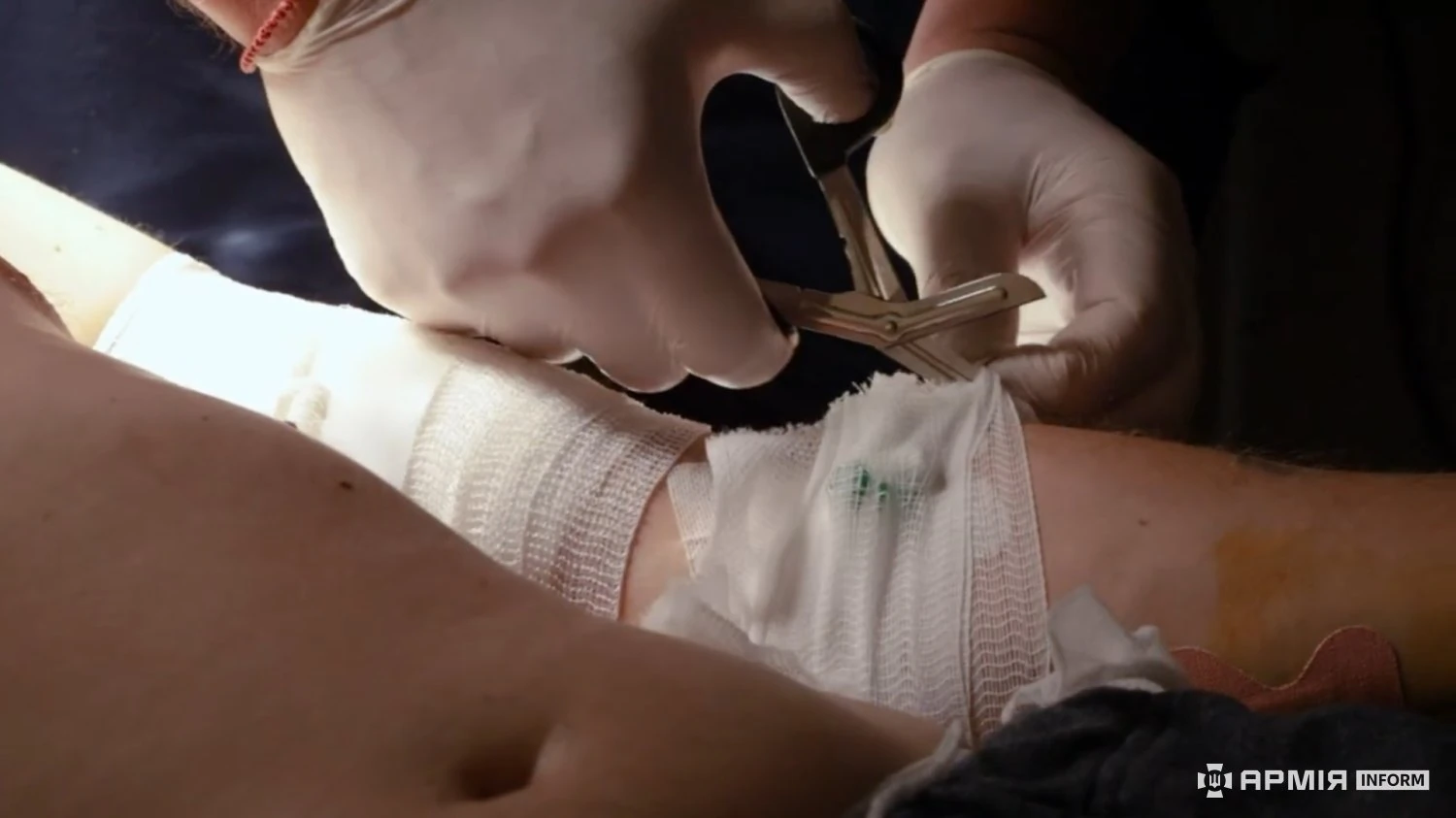
After sorting the wounded into groups based on severity and life-threatening risk, the medics of the forward surgical point concentrate on the severely wounded, those who urgently need care here and now.
“Of course, the most severe cases stay here immediately and first go to the anti-shock rooms, where we try to bring them to a certain level of cleanliness because they usually move on to the operating room afterward. And based on our capabilities, we perform certain surgical procedures”, — Andrii continues.
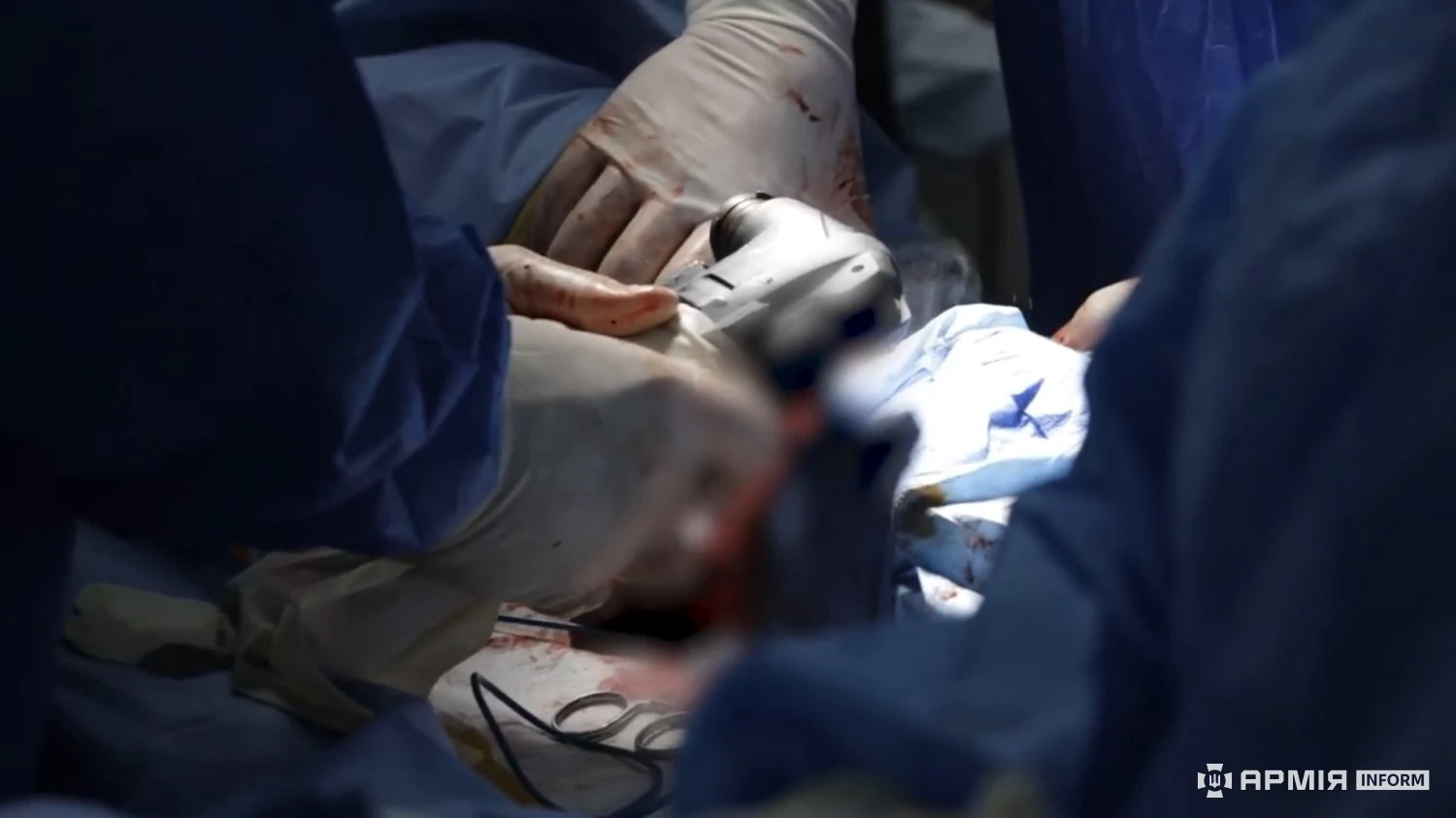
Today, evacuation of the wounded from the battlefield has become significantly more complicated due to the substantial “blurring” of the line of contact and the expansion of what is known as the “grey zone” — the area within reach of enemy drones capable of flying several, or even dozens of kilometres, into the notional rear of Ukrainian defensive positions.
“There are now many more severely wounded due to the fact that the line of contact is heavily blurred because of drones that can reach a rather deep distance. Therefore, the severely wounded are often close to us, and we are seeing them quite frequently now”, — he says.
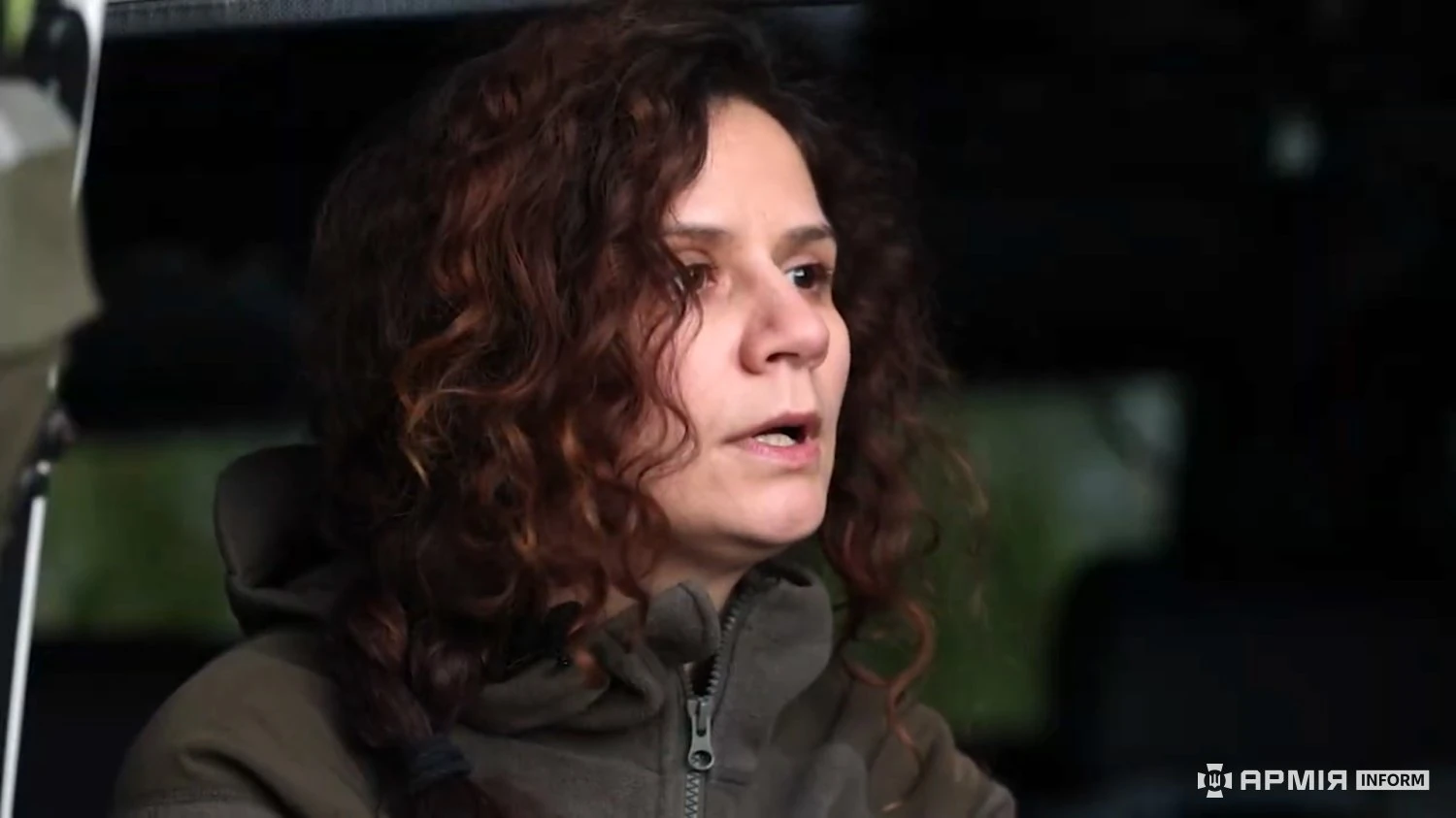
Responding to these changes in real time and providing support to brigade medics is the direct task of the servicemembers of the First Separate Medical Battalion.
“CASEVAC is conducted by combat units — by battalion forces. MEDEVAC is provided by the battalion’s medical point, the medical company, if we use the older structure. In our case of a separate medical battalion, MEDEVAC focuses on receiving casualties from CASEVAC and stabilizing them en route”, — says Mila, the commander of the medical evacuation company.
“Right now, the situation in our area of responsibility is changing rapidly. Units are losing their stabilization points from the map, and we transition with them to classical interaction — handover from CASEVAC to MEDEVAC. We are entering a situation where the system seems to be functioning, but at the same time, the frontline changes abruptly, and this system constantly needs support.
That’s why we are here as a medical battalion, with our personnel, equipment, and training — to help during the period when units that have been here for 2–3 years and gotten used to the pattern of events, need to adapt quickly. I believe our flexibility, adaptability, and response speed to changes are our advantage, which enables us to support the units. Whenever there are requests, we respond”, — she emphasizes.
Thus, the medics of the First Separate Medical Battalion — who possess extensive and often unique experience in treating wounded soldiers under extreme combat conditions — respond to changes along the frontline and contribute to the adaptive transformation of the entire system of medical care for wounded servicemembers.
@armyinformcomua

Upon the submission of President Volodymyr Zelenskyy, the Verkhovna Rada of Ukraine adopted a decision appointing Mykhailo Fedorov as Minister of Defense of Ukraine. His candidacy was supported by 277 members of parliament.
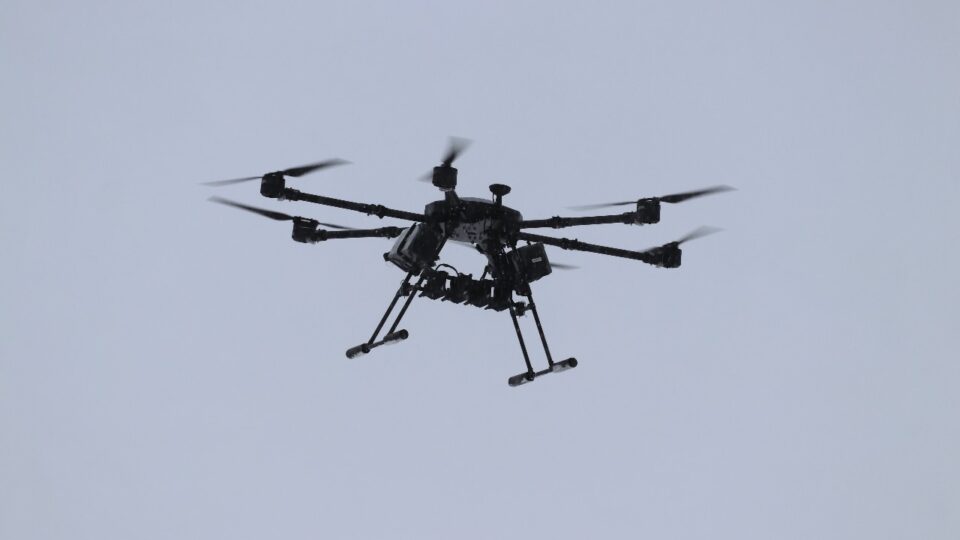
During the Kupiansk operation, crews of the 429th Separate Unmanned Systems Regiment “Achilles” carried out 689 sorties and delivered 9 tons of humanitarian cargo to frontline positions and adjacent units.

In the Oleksandrivka direction, the enemy is modifying its offensive tactics. Moreover, it is trying to combine assaults with logistical operations.
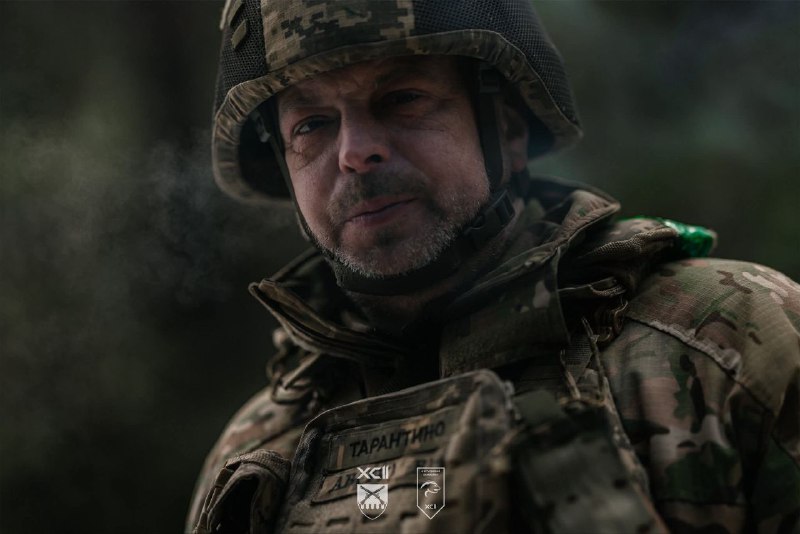
He is a BTR-4E driver. His brothers-in-arms — “Molodyi”, “Khripun”, Kolya, and Oleksii — serve in the battalion as gunners and drivers of the “Bucephalus”.
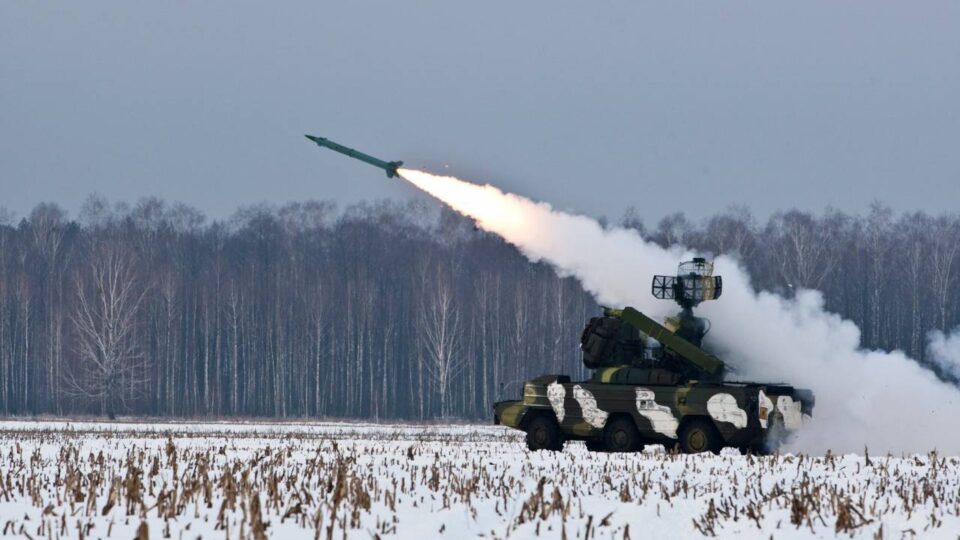
Deep in enemy territory, the “Scythian Griffins” unit successfully struck an Osa surface-to-air missile system. The high-value target, designed to protect troops and facilities from aerial attacks, was destroyed by a strike drone.
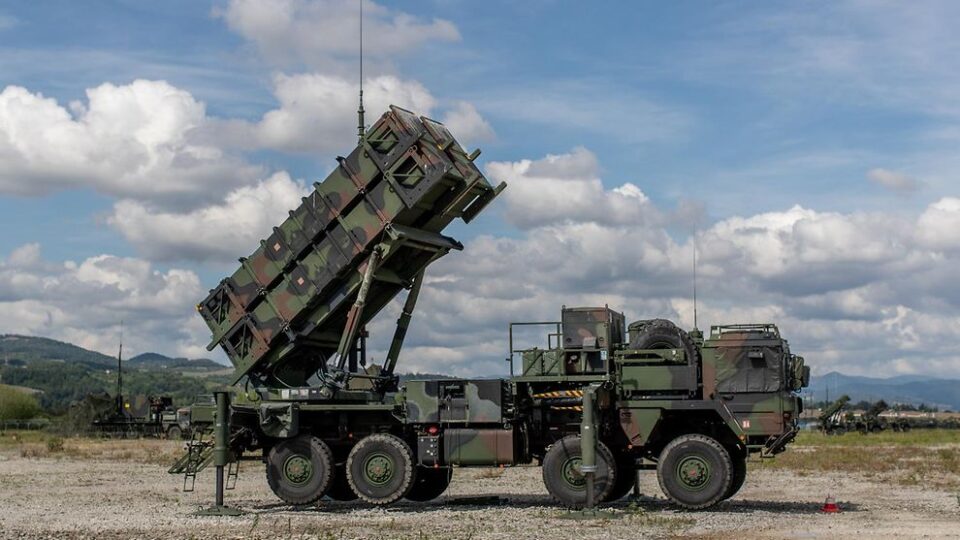
Strengthening air defense systems and missiles for those systems remains a top priority for Ukraine.
First, the brigade’s tankers destroyed an enemy MT-LB with two accurate shots from a T-64 turret gun, and then the…