Ukraine and NATO Develop AI Models to Predict Drone Attacks and Plan Artillery Operations

The NATO–Ukraine Joint Analysis, Training and Education Centre (JATEC) has presented two AI models for Ukraine’s Defence Forces.
The Ukrainian Ministry of Defence reported the development.
The solutions, codenamed “Model No. 13” and “Model No. 32”, were jointly developed by NATO Allied Command Transformation and the Armed Forces of Ukraine, with JATEC’s involvement and support.
The models were presented during a three-day workshop in Vilnius, attended by experts from NATO member countries and organisations, alongside military specialists from several units of Ukraine’s Defence Forces.
Predicting where, when and how many enemy drones to expect
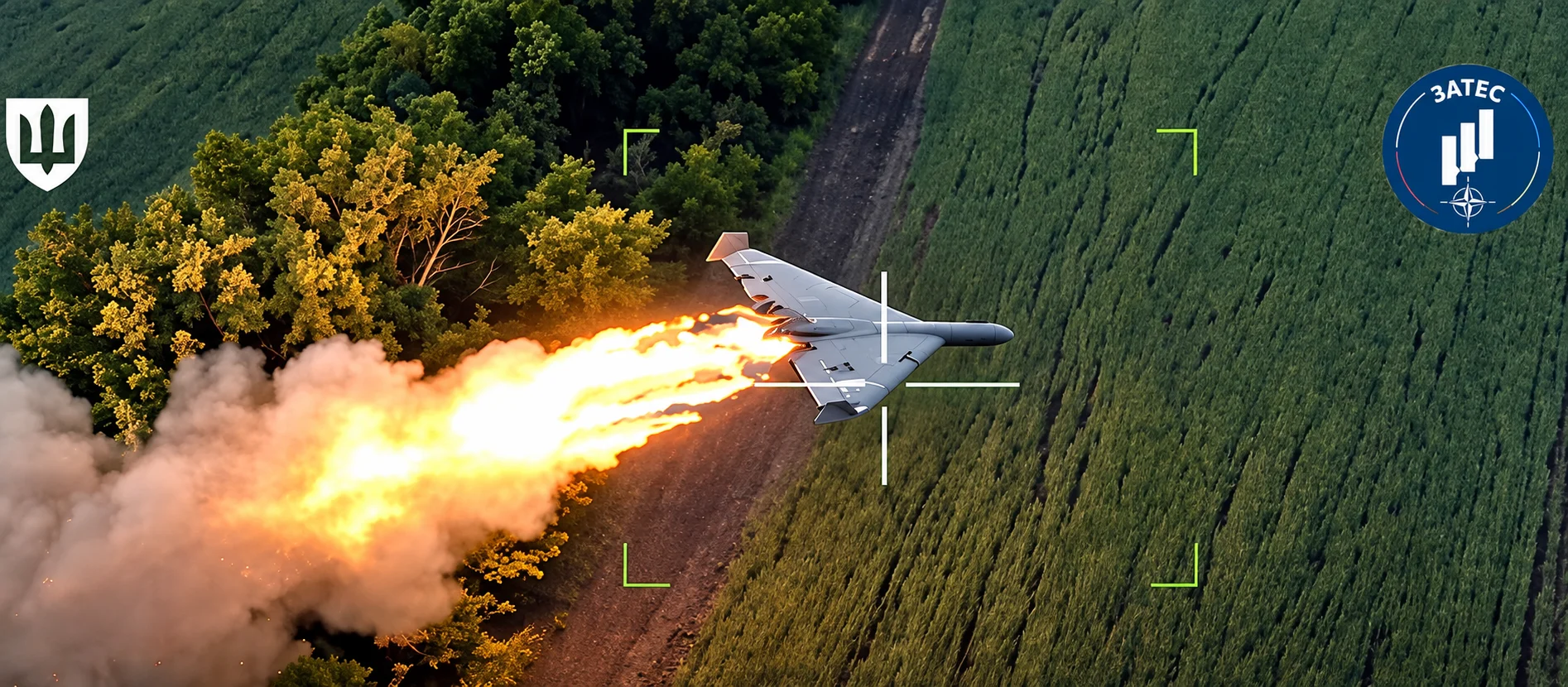
“Model No. 13” predicts enemy UAV activity near the front line.
The system analyses historical data, weather conditions and the current battlefield situation.
The AI model can predict, with a high degree of probability, the intensity of drone activity, the areas where drones are likely to appear, time windows and UAV types.
The solution has already been tested on real-world datasets and subsequently refined. It is now ready for integration into the Ukrainian Armed Forces’ situational awareness systems.
AI generates options for artillery operations
“Model No. 32” is a decision-support module designed to test the feasibility of automatically generating plans for artillery operations.
The system takes into account specific mission requirements and current operational data, including available weapons systems, ammunition, firing positions and constraints.
Using these data, the AI generates possible courses of action.
The model first checks them against logistics, ballistics and engagement-zone parameters, eliminating options that cannot be implemented. It then evaluates and ranks the feasible options.
The Ministry of Defence explained that this should reduce the need to compare options manually, shorten decision-making time and improve the efficiency of the targeting and engagement process.
A prototype of “Model No. 32” has already been delivered to Ukraine for testing and validation.
If it successfully completes testing and validation, the model could be rolled out to other combat units within Ukraine’s Defence Forces involved in engaging enemy targets.
NATO and Ukraine expand AI cooperation
The Ministry of Defence also noted that Ukraine and NATO are deepening cooperation on advanced IT solutions, artificial intelligence and machine learning.
This includes applying these technologies to analytical processes, sharing expertise and developing common approaches to the use of AI in defence.