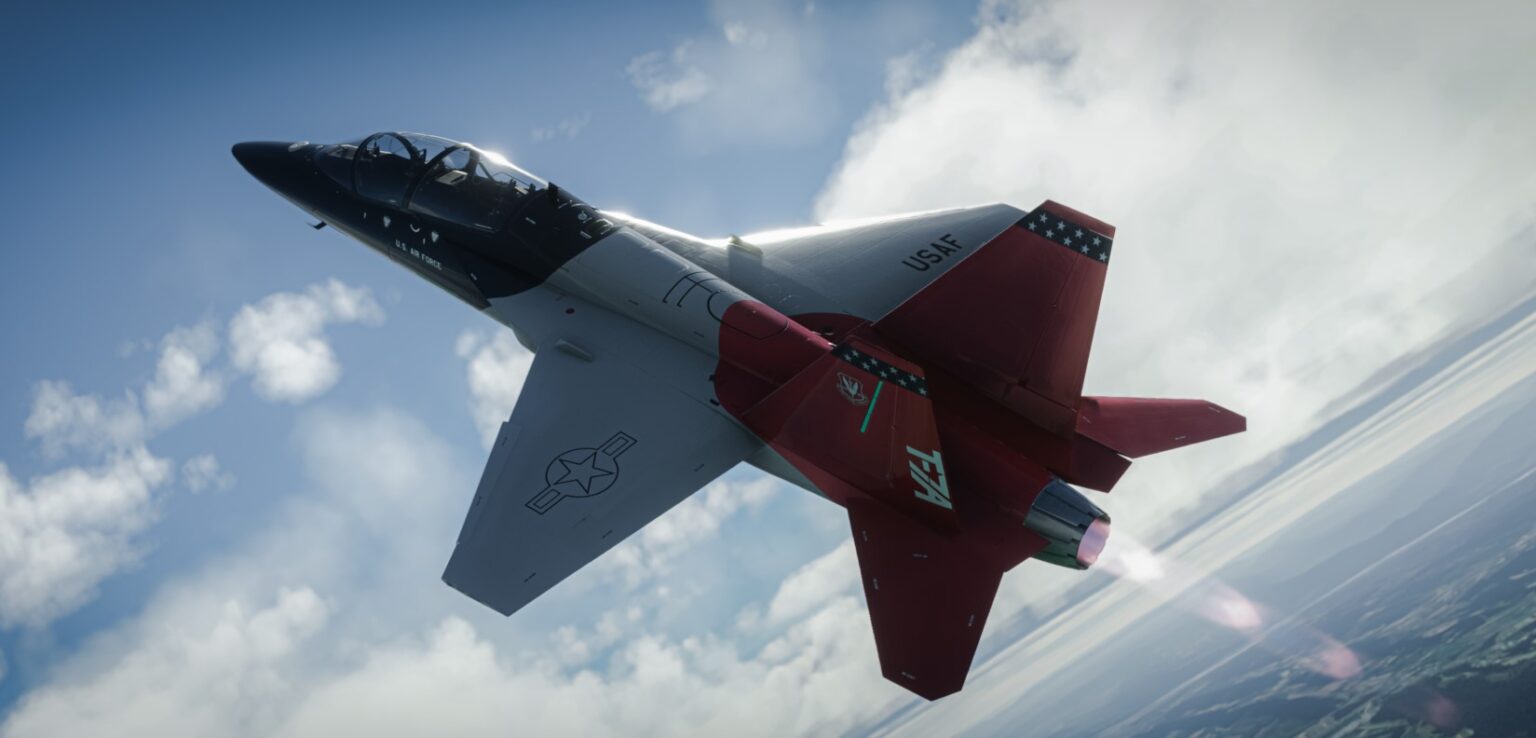
The new Boeing-Saab T-7A Red Hawk training aircraft for the U.S. Air Force

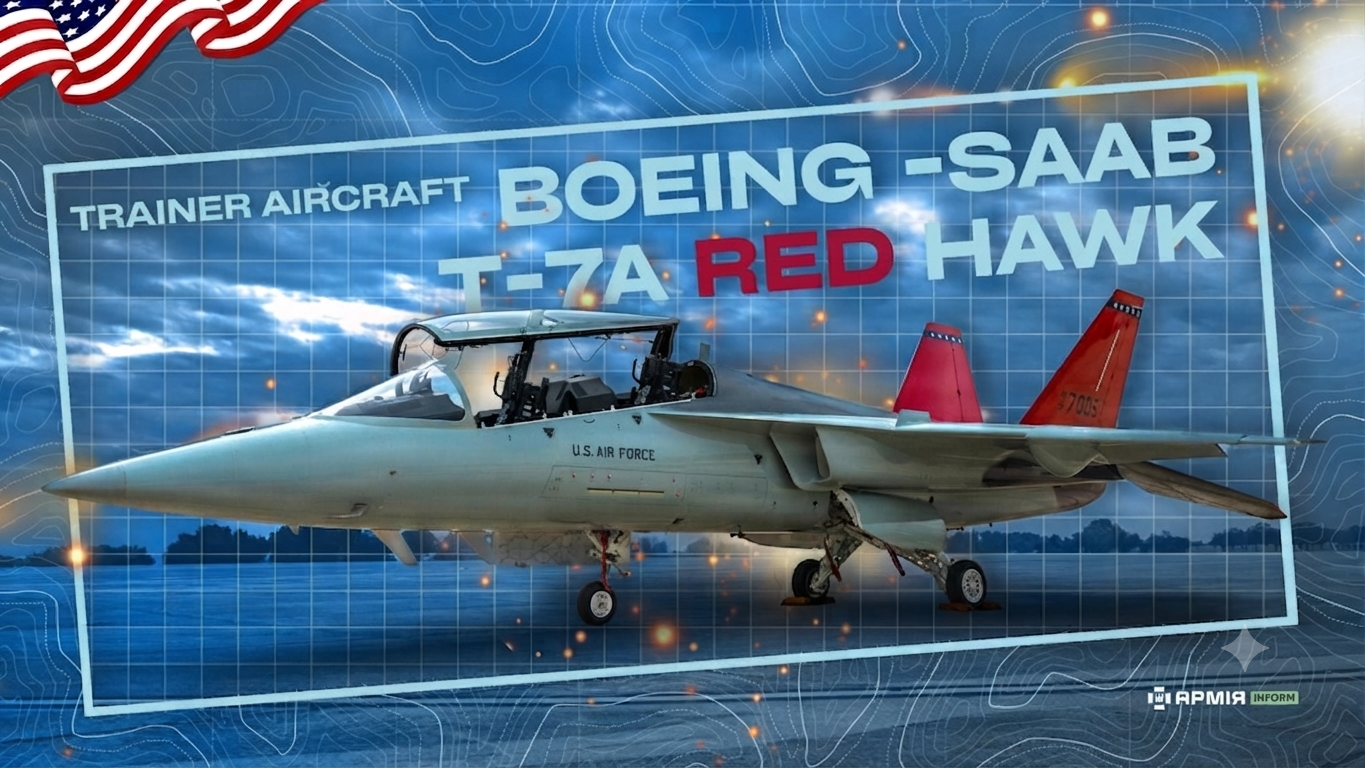
The Pentagon approved production of the Boeing-Saab T-7A Red Hawk, advancing a next-generation pilot training system.
According to a press release published on the official U.S. Air Force website, the T-7A Red Hawk is the first Air Force aircraft designed and built using a fully digital engineering approach, aimed at streamlining development, production, and long-term sustainment. The platform’s advanced systems will equip student pilots with the skills required to transition to fourth-, fifth-, and sixth-generation fighter and bomber aircraft.
Following Milestone C approval on April 23, the U.S. Air Force awarded Boeing Defense, Space & Security a $219 million contract for the first 14 advanced trainer aircraft, along with associated spare parts, support equipment, and training services.
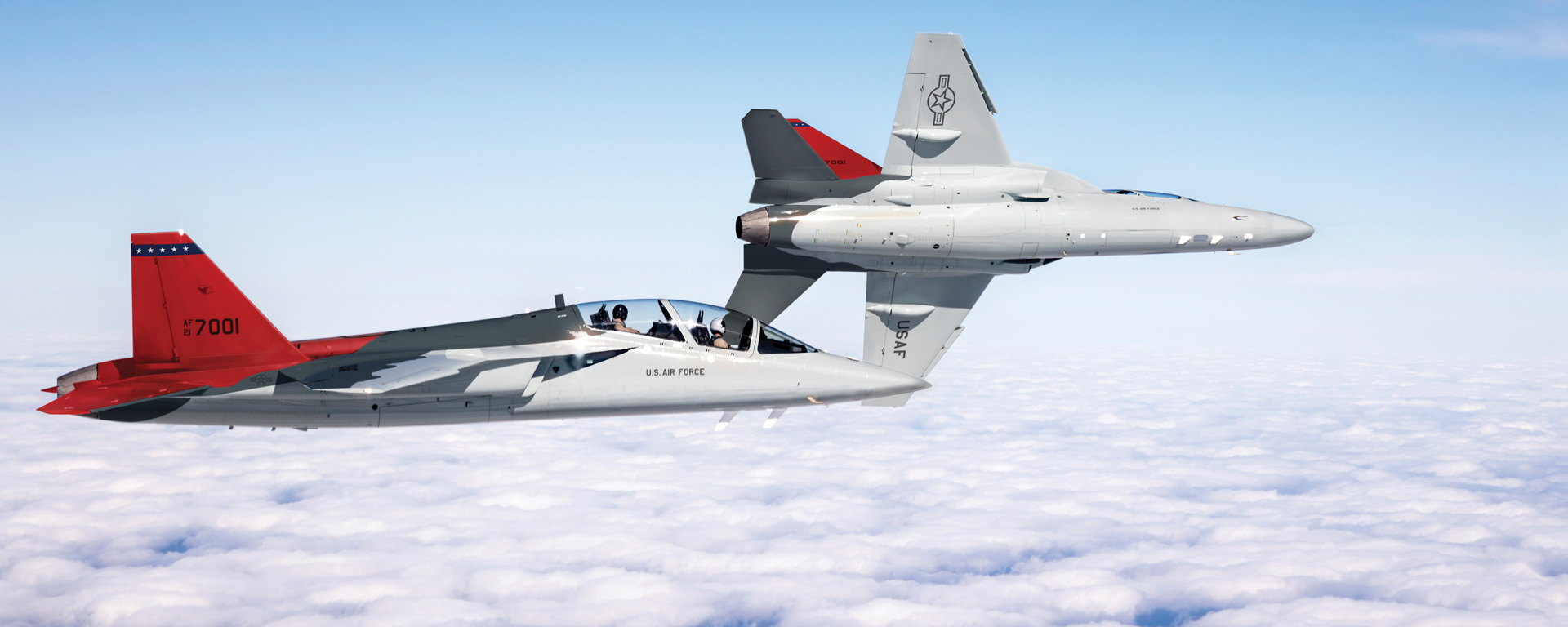
When Boeing and Sweden’s Saab launched the T-7A project in 2018, their goal was to set a new benchmark for aircraft development speed by using augmented reality and a digital engineering environment, eliminating the need to physically test every component on prototype aircraft.
According to aviation publication AeroTime, the T-7A is designed to replace the Northrop T-38 Talon, which has served as the U.S. Air Force’s primary trainer for more than six decades. The Red Hawk is expected to begin replacing the T-38 within the Air Education and Training Command (AETC) in 2027, with initial operational capability also planned for that year.
However, as experts from the Belgian defence publication Army Recognition note, the program has not been without challenges. The T-7A program, launched under a fixed-price contract awarded to Boeing in partnership with Saab, encountered issues related to the ejection seat, flight-control software, and supply chain constraints.
Meanwhile, analysts from the Ukrainian defence outlet Defense Express point out that although the T-7A Red Hawk made its maiden flight in 2021—raising optimism within the Pentagon and the U.S. Air Force—flight testing revealed two significant shortcomings.
First, when pilots attempted to increase the aircraft’s angle of attack by raising the nose several degrees higher, the T-7A exhibited a loss of flight stability. Second, the ejection seats were found to have design flaws that could cause injuries to pilots regardless of their body dimensions, requiring a redesign to resolve the issue.
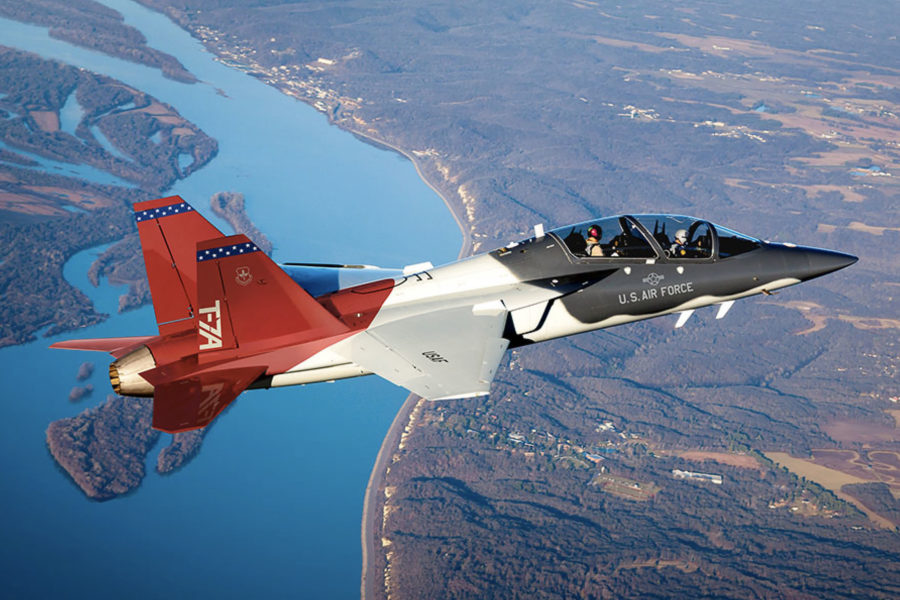
However, according to the Pentagon’s latest statements, the designers and manufacturers have successfully overcome these challenges.
“Reaching Milestone C is a testament to the dedication of the government and industry teams who worked tirelessly to overcome complex technical challenges”, — said William Bailey, Performing the Duties of the Assistant Secretary of the Air Force for Acquisition, Technology and Logistics.
“The T-7A is a critical program for the future of our combat air forces, and the start of production brings us one step closer to delivering this essential capability to our instructor pilots and student aviators”.
The T-7A was conceived as an integrated training system designed to prepare aircrews for fourth- and fifth-generation aircraft, including the F-15EX, F-22 Raptor, and F-35 Lightning II. Its tandem two-seat configuration supports close instructor–student interaction during complex flight phases while providing a gradual introduction to advanced mission systems.
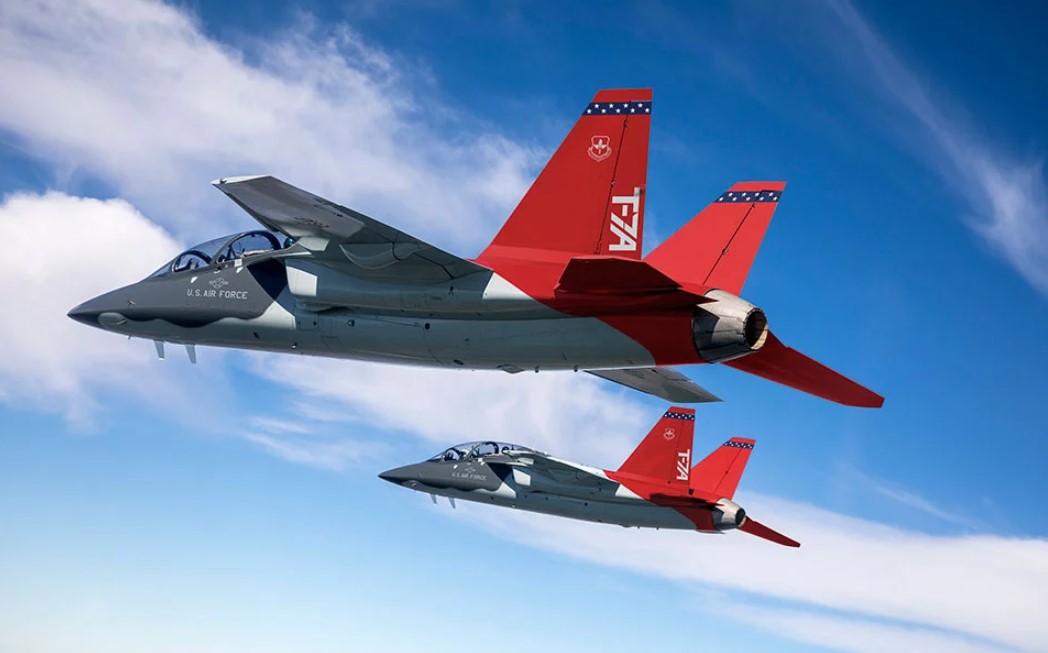
Technical Specifications (T-7A)
According to FlightGlobal, the T-7A Red Hawk has the following specifications:
General Characteristics:
- Crew: 2 (pilot and instructor/passenger)
- Length: 46 ft 11 in (14.30 m)
- Wingspan: 30 ft 7 in (9.32 m)
- Height: 13 ft 6 in (4.11 m)
- Empty Weight: 18,000 lb (8,165 kg)
- Maximum Takeoff Weight: 22,000 lb (9,979 kg)
- Fuel Capacity: 4,500 lb (2,000 kg)
- Powerplant: One General Electric F404-GE-103 afterburning turbofan engine, producing 11,000 lbf (49 kN) of dry thrust and 17,200 lbf (77 kN) with afterburner.
The aircraft combines flight performance and onboard systems designed to meet modern advanced pilot training requirements. Powered by the General Electric F404-GE-103 afterburning turbofan, which generates approximately 78.7 kN of thrust, the T-7A is capable of speeds exceeding Mach 1.2 and operating at altitudes above 50,000 feet, allowing student pilots to train within a flight envelope comparable to that of frontline combat aircraft.
Its triple-redundant digital fly-by-wire flight control system provides precise handling and can be programmed to replicate the aerodynamic characteristics of various fighter aircraft.
The cockpit features an open digital architecture, incorporating multi-function displays (MFDs), a head-up display (HUD), and hands-on-throttle-and-stick (HOTAS) controls similar to those used in operational combat aircraft.
At the same time, the built-in training system simulates radar functions, electronic warfare effects, data exchange, and weapons employment without the use of live ordnance. The aircraft can operate in a Live-Virtual-Constructive (LVC) environment, integrating live flight training with ground-based simulators and synthetic threats, enabling more complex training scenarios while keeping costs under control.
Over the next decade, the U.S. Air Force plans to procure up to 351 aircraft and 46 simulators, distributing them across multiple Air Education and Training Command (AETC) bases.
Initial deliveries have already begun, including aircraft assigned to Joint Base San Antonio-Randolph for instructor training and system validation. Each production lot will depend on the results of ongoing testing, supporting a gradual increase in production rates.
Beyond its training role, the program fits into a broader strategic context. The use of digital engineering is being closely monitored by allied air forces seeking to adapt their own acquisition and procurement processes.
The T-7A may also compete in the international advanced trainer market, particularly as several countries expand their fighter fleets and require compatible pilot training systems. The possibility of future variants, including aggressor and light attack configurations, further enhances its export potential.