“Every drone has its own personality”: a report from an FPV laboratory on the front line

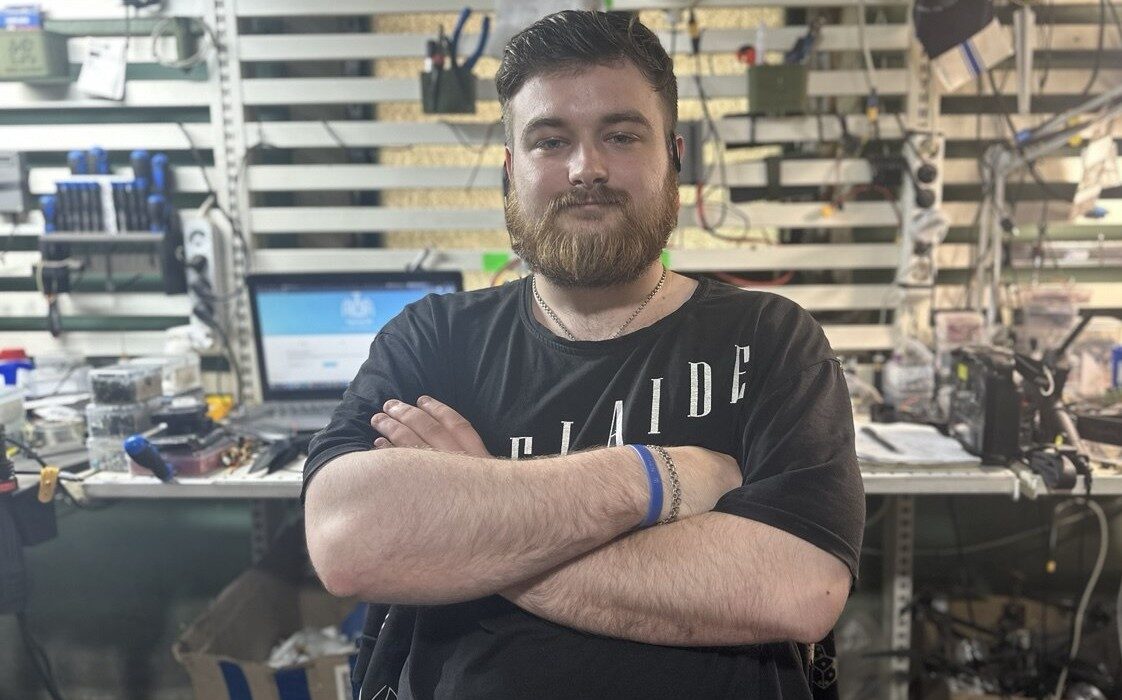
Before ending up in the hands of operators, every drone passes through a military workshop, where it is inspected, modified, and adapted to real battlefield con
Inside a small repair workshop, work never stops. Dozens of FPV drones, already prepared for deployment, are lined up on the tables. This is where soldiers of the Korsar Unmanned Systems Battalion of the 38th Separate Marine Brigade named after Hetman Petro Sahaidachny prepare equipment that has long become one of the key tools of modern warfare.
A serviceman with the call sign “Manuti”, responsible for drone firmware and configuration, explains that the workshop’s main task is not merely repairing equipment but adapting it to real combat conditions.
“We service, configure, and repair FPV drones. In essence, we prepare them for further use on the battlefield”, — the serviceman explains without taking his eyes off another quadcopter on the workbench.
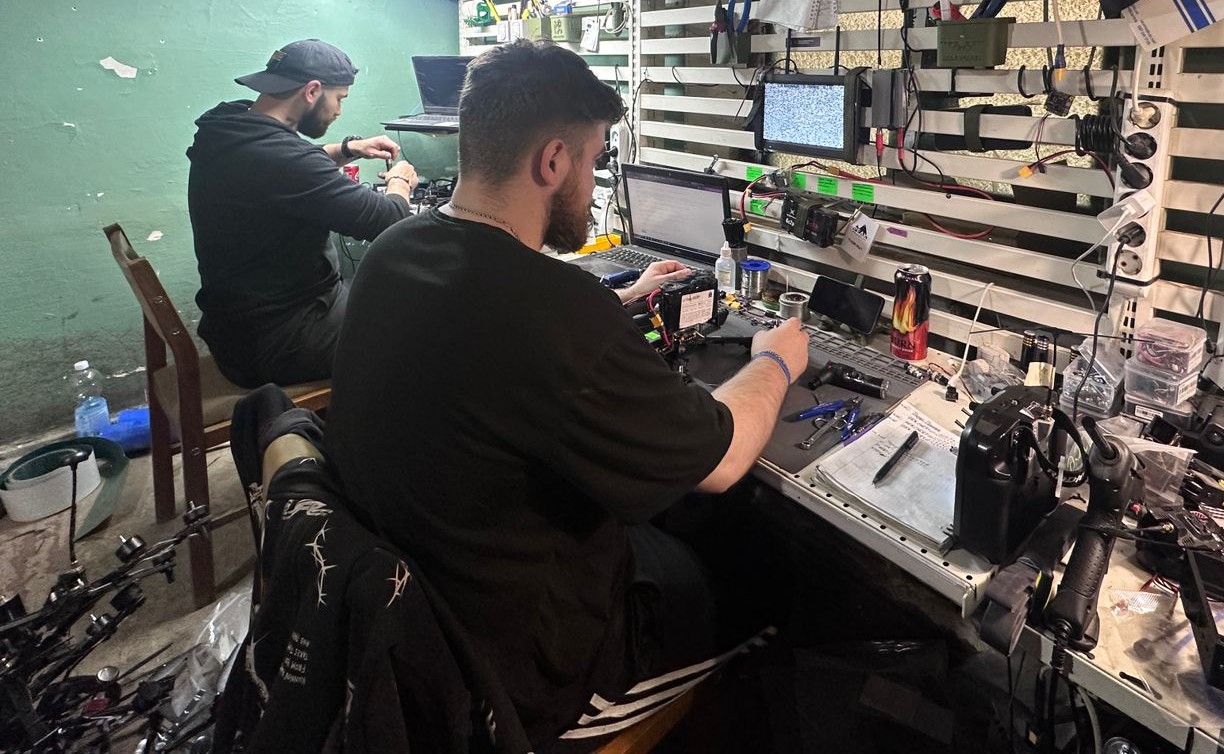
Most drones arrive here fully assembled from manufacturers, but almost every one of them requires additional modifications. According to “Manuti”, the equipment is adapted to specific missions and operational conditions.
“We modify and improve them to fit the format of use that will be more convenient and effective for us”, — he says.
Despite the scale of FPV drone production in Ukraine, serious factory defects are rare. The serviceman attributes this to the fact that the technology has become widespread and much more accessible.
“Today, even someone without a specialized background can build a decent FPV drone”, — the soldier says.
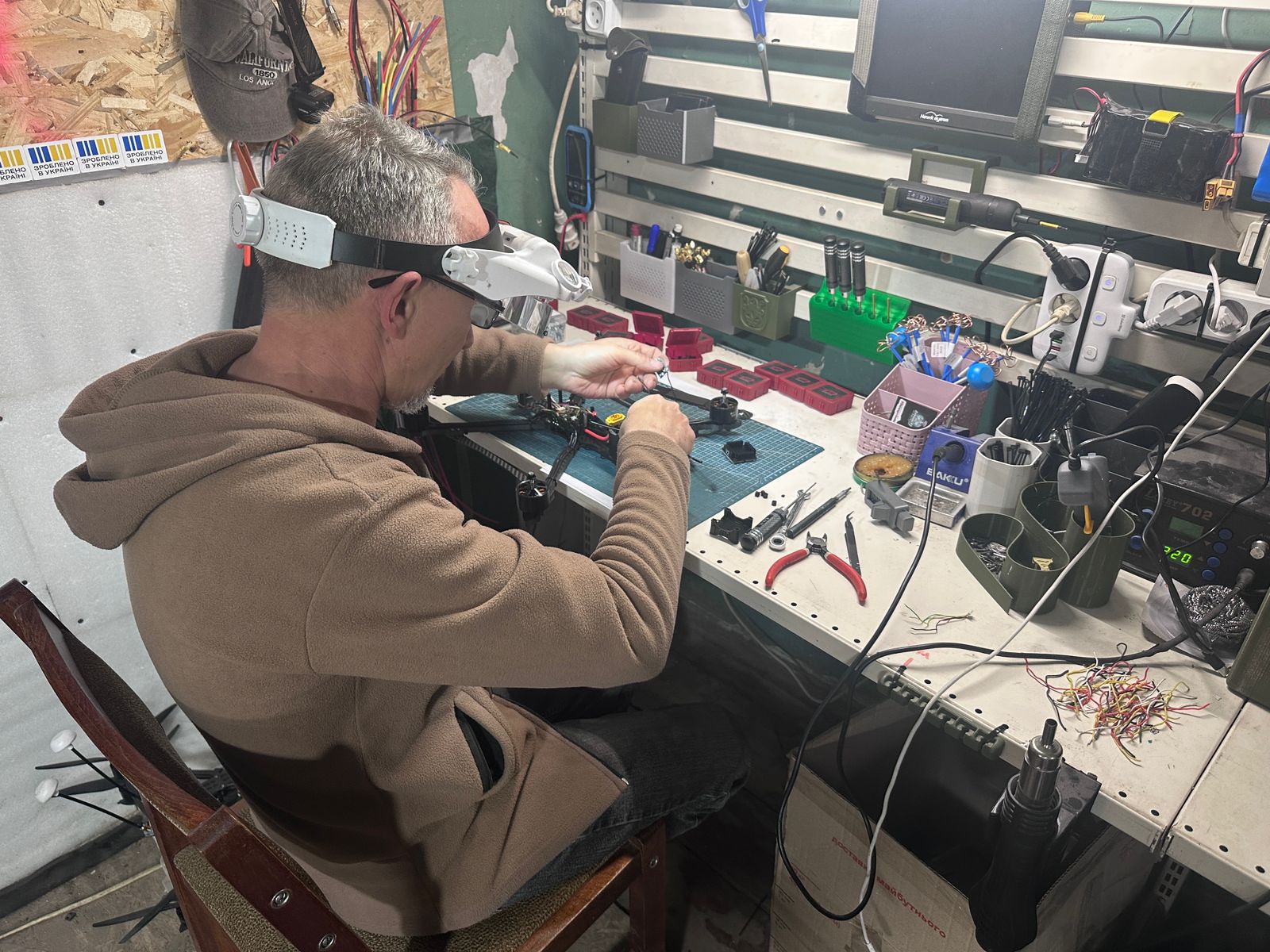
In civilian life, “Manuti” worked as a radio electronics technician and was involved in helicopter repairs. That experience has now proven invaluable in military service. He joined the FPV laboratory in 2024, when the unit was already actively working with drones.
According to the marine, the need for such workshops emerged very quickly: drones demonstrated high effectiveness on the front line, and with that came a growing demand for people capable of repairing and configuring them.
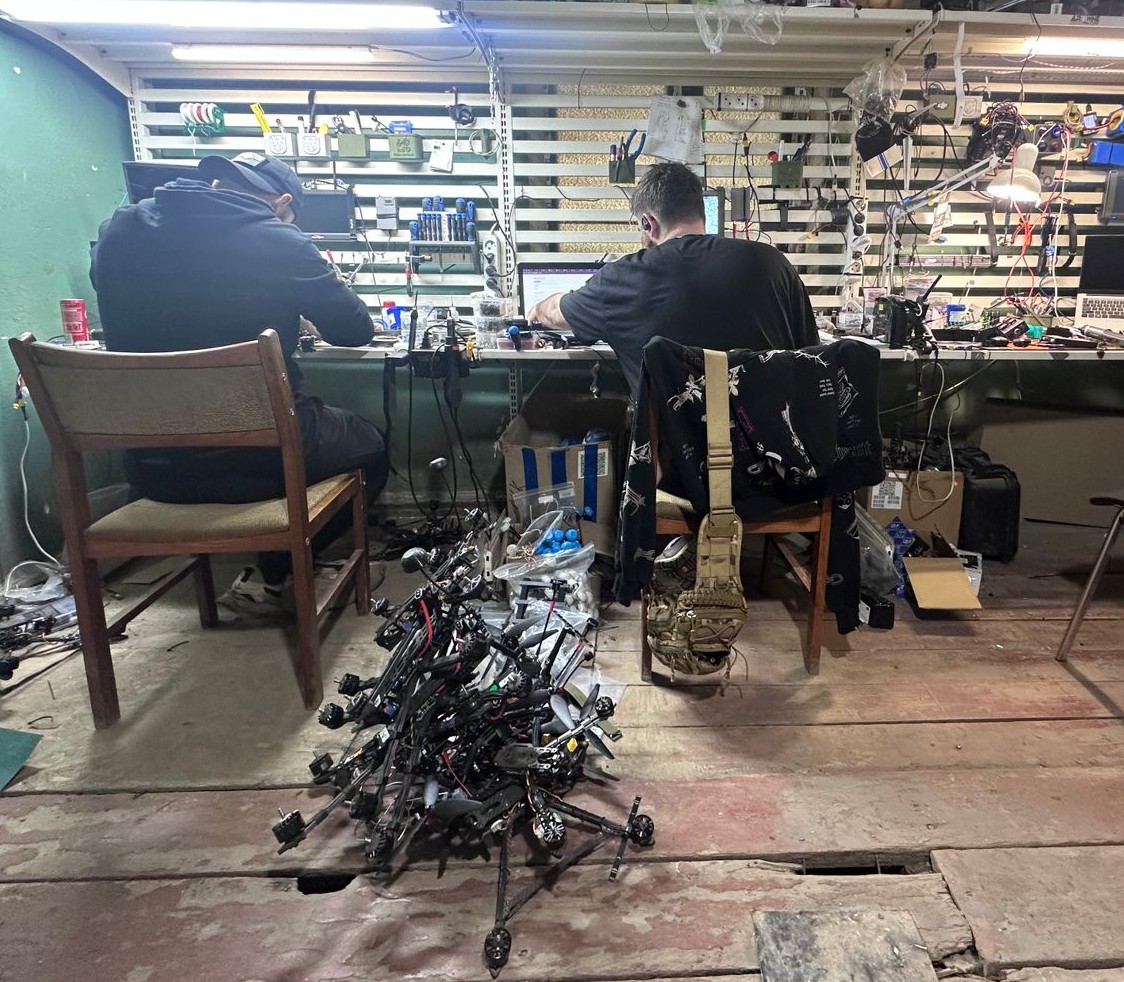
“People were selected from those already serving in the brigade — those who understood electronics, knew how to solder, and could work with radio-electronic equipment”, — the marine recalls.
The work in the laboratory is divided among several specialists. One is responsible for drone assembly and soldering, another handles repeaters and ground equipment, while our interviewee is responsible for firmware installation and system testing.
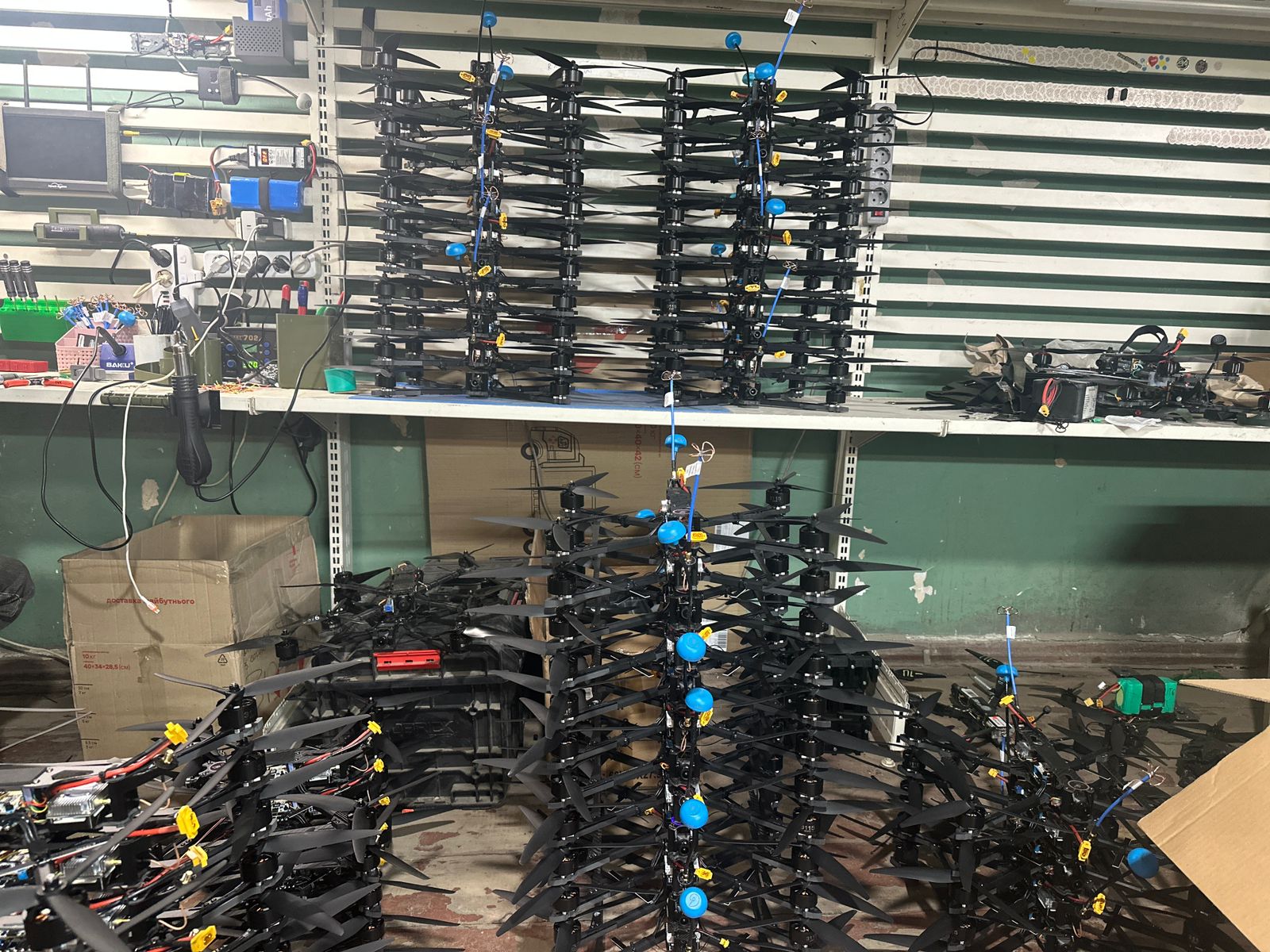
Each new drone goes through several stages of preparation: checking components, analyzing firmware, eliminating possible deficiencies, and conducting tests before a combat mission.
“My main task is to prepare the drone so that everything works exactly as it should”, — he explains briefly.
Special attention is paid to software. The serviceman emphasizes that even a high-quality drone can perform poorly due to incorrect settings.
“Every drone has its own PID settings, which determine flight stability. If you install different firmware, you won’t get quality control anymore”, — the soldier notes.
Although Ukrainian FPV drones and enemy drones often have similar hardware configurations, the main difference lies precisely in their software and operating frequencies.
At the same time, the military not only uses the equipment but also maintains constant communication with manufacturers. According to the serviceman, certain shortcomings can already be corrected in subsequent batches of drones.
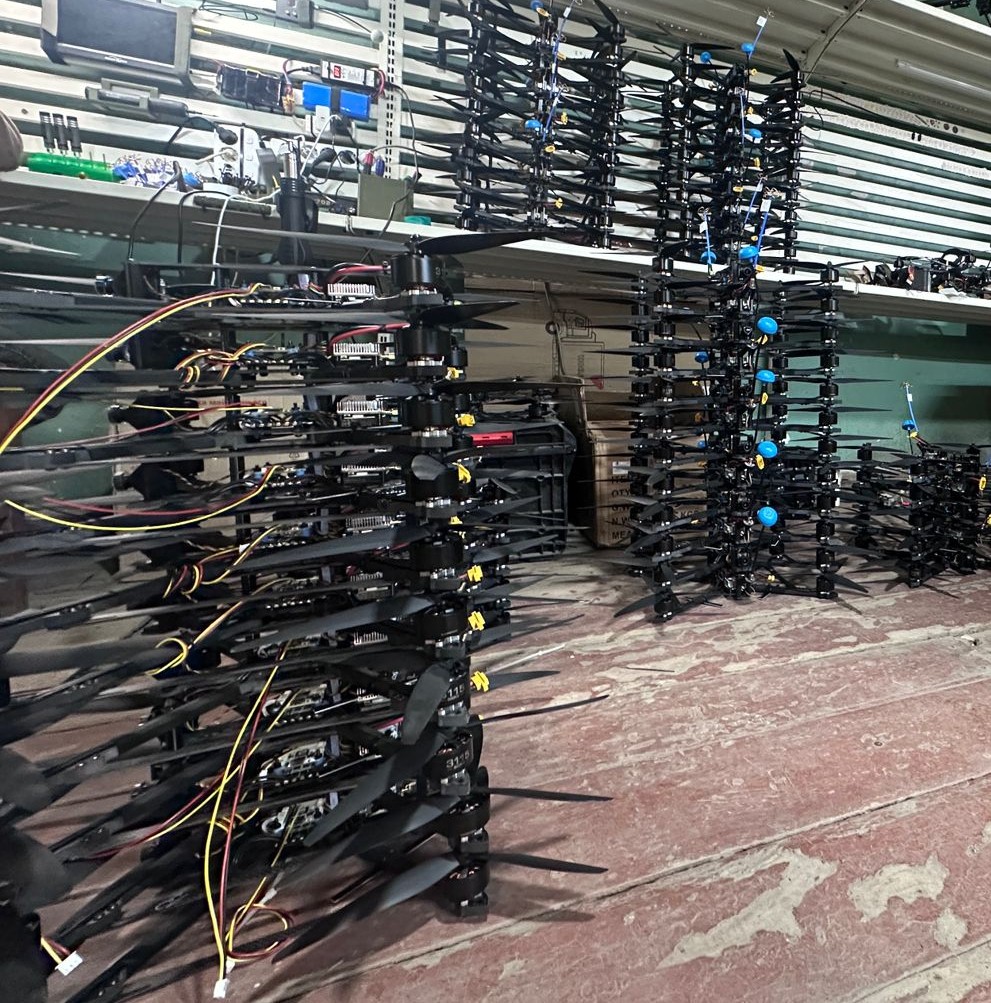
Toward the end of the conversation, the soldier shares his own vision of how FPV drone production in Ukraine could be improved. In his opinion, the biggest issue today is the large number of different models and configurations.
“I would create a unified system for equipment packages and settings. I would select several of the most effective models and scale up their production. That would allow us to work faster, because in war there is never enough time”, — “Manuti” concludes.
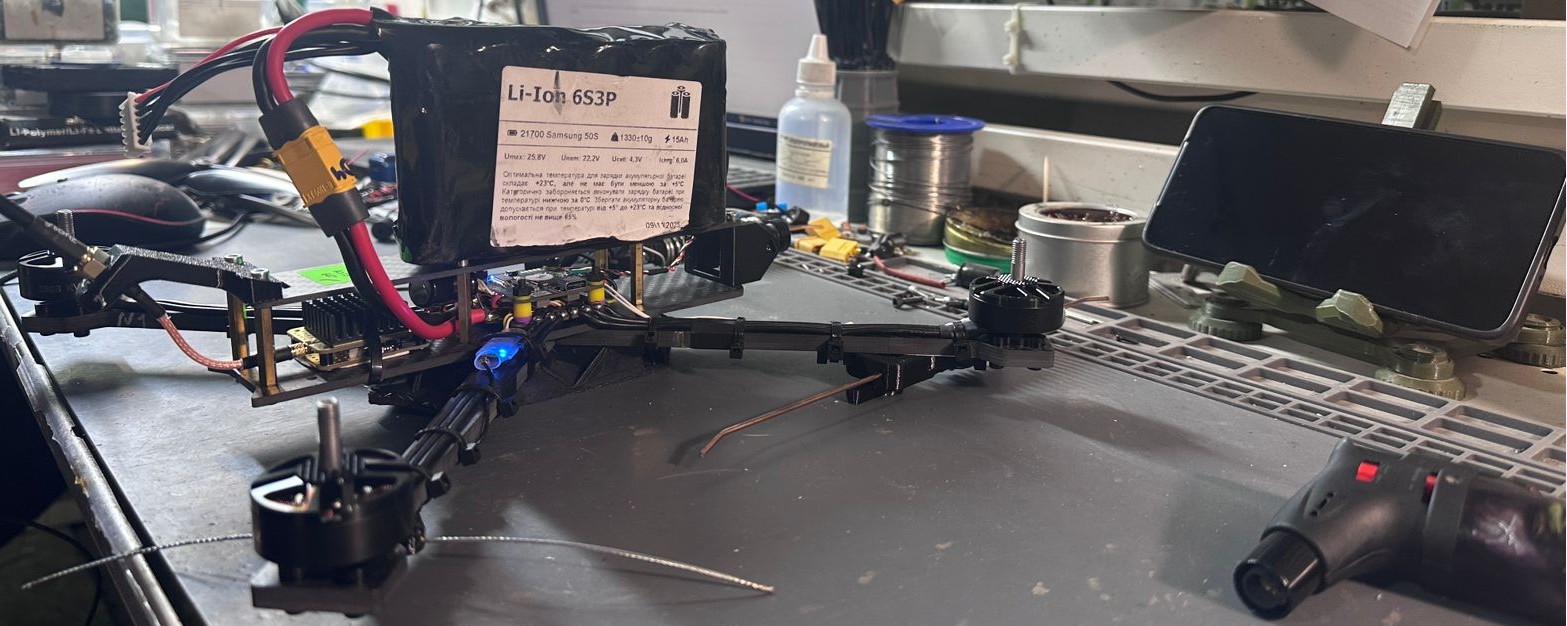
The sound of motor testing fills the workshop once again. Another drone is undergoing its final inspection before heading to a place where every component and every setting may prove decisive.