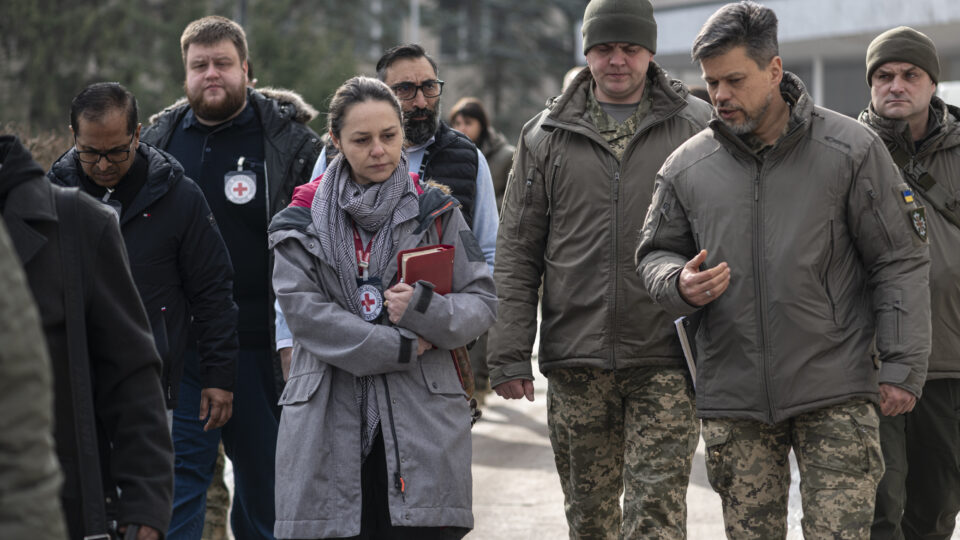
The international delegation, headed by Ana Lucía Bueno, ICRC Public Health Coordinator, and Sujit Panda, Head of the Physical Rehabilitation…

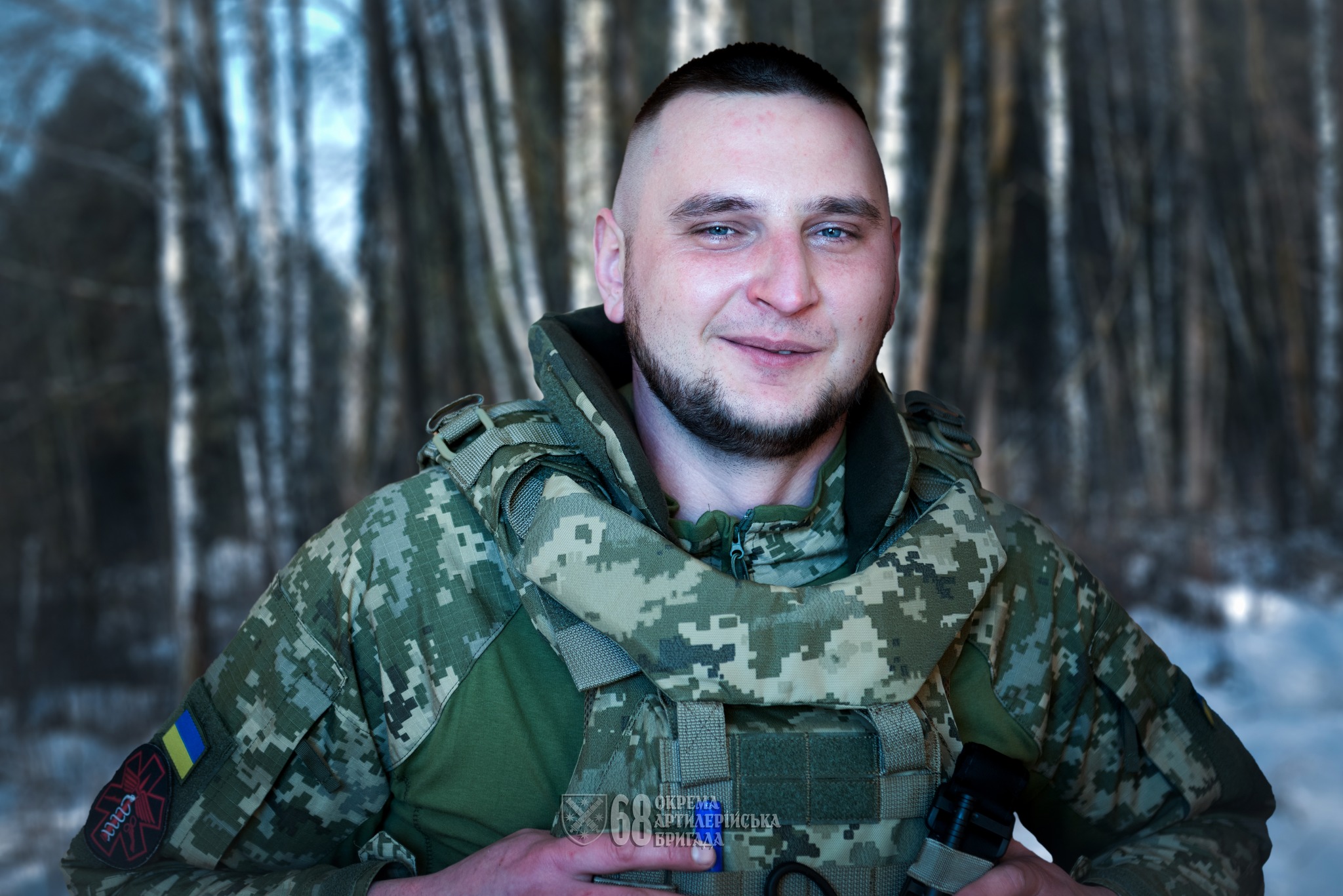
Bohdan, a paramedic at a medical point with the callsign “Doc”, joined the military back in 2014. He began his combat path as part of a 2S19 self-propelled arti
The soldier’s story was published on the page of the 68th Separate Artillery Brigade.
According to him, at that time there was no choice — he was off-staff. At first, he fired artillery near Sloviansk.
In 2015, Bohdan became a combat medic instructor, and later a senior combat medic.
When the full-scale invasion began, he was serving in the 56th Mariupol Motorized Infantry Brigade.
He went through the hottest spots: Pisky, Huliaipole, Chasiv Yar. A medic’s work at the front often goes beyond providing first aid.
Bohdan says he often had to take responsibility for organizing processes unrelated to medicine.
His passion during the war became engineering — designing and building positions.
“I was doing medicine, evacuating, and as a hobby I did engineering — building positions. It’s very hard — you have to organize everything so drones don’t destroy it immediately”, — the soldier says.
Experience has taught Bohdan that excessive emotions during rescue operations only do harm.
He believes a medic must have a clear mind, know evacuation stages and routes to stabilization points to avoid being blown up and to deliver the wounded alive.
“During combat, I have no emotions: a patient is a patient. The main thing in this work is not to miss a human life”, — he says.
One of Bohdan’s most vivid memories is linked to an evacuation in 2023.
After a Lancet strike, there were many wounded, and an enemy Orlan drone was circling overhead.
“Here, drink some Fanta”, — Bohdan told a comrade who was bleeding heavily in the front seat of a shrapnel-damaged Golf.
In reality, it was anti-shock therapy. The wounded man needed immediate help but was afraid of injections, so the medic distracted him this way.
Comparing the war of 2014 to the current one, Bohdan notes that the nature of combat has fundamentally changed.
The biggest threat today is drones that “come out of nowhere” and kill.
Despite constant danger, he believes defending the country is every man’s duty.
“It’s time for everyone to join the military. All men must realize this. Let them think about those who have been in combat for four years, about people who cannot be rotated and stay in positions for 150 days.
Now there is an opportunity to choose a unit independently. In artillery, for example, there is a significant chance of survival, although risks exist everywhere. Infantry is the hardest”, — “Doc” concludes.
At home, Bohdan is awaited by his parents and his wife.
Despite fatigue and his family’s difficult attitude toward his service, he continues his work because he knows that his calmness and confident actions determine whether his comrades return to their families.
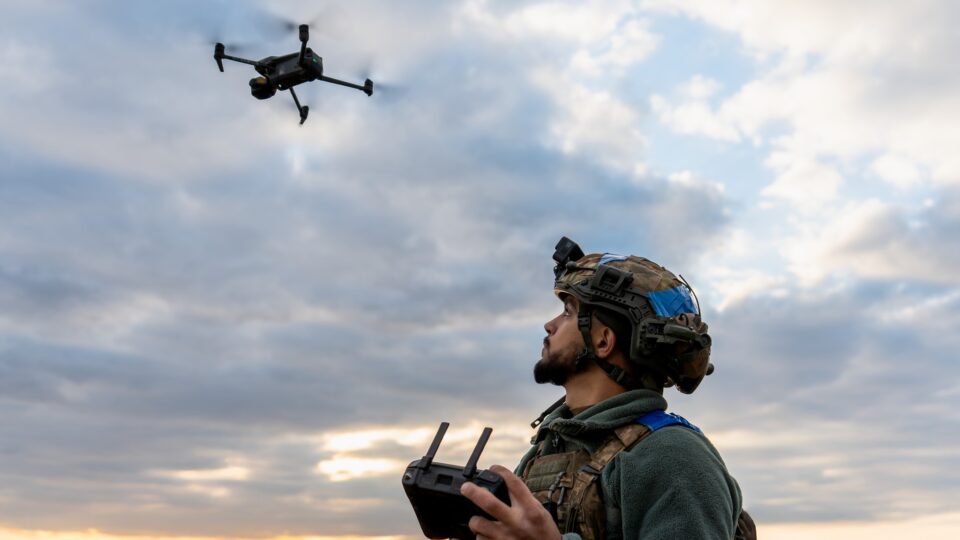
Over the past day, units of the Unmanned Systems Forces grouping struck or destroyed 1,209 enemy targets.
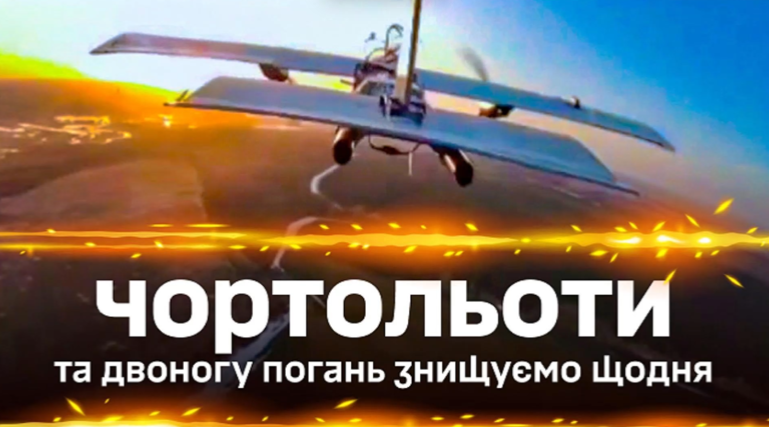
Drone units of the Joint Forces’ Iron Brigade are continuously destroying enemy UAVs (“chortolyoty”) and personnel.

On the night of March 20, the enemy attacked with 156 strike UAVs, including Shahed-type drones, “Gerbera”, “Italmas”, and other types.
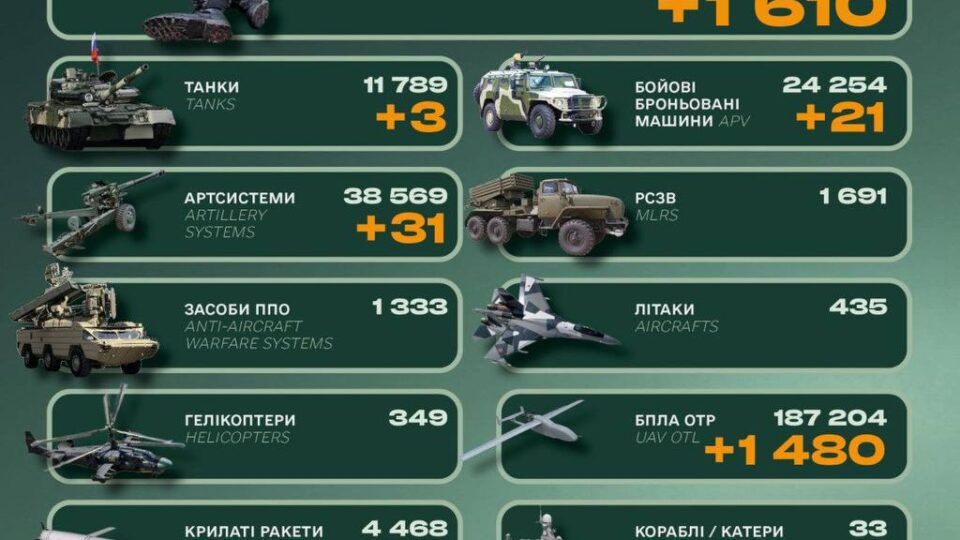
Over the past day, Russian occupation forces lost 1,610 personnel on the battlefield.
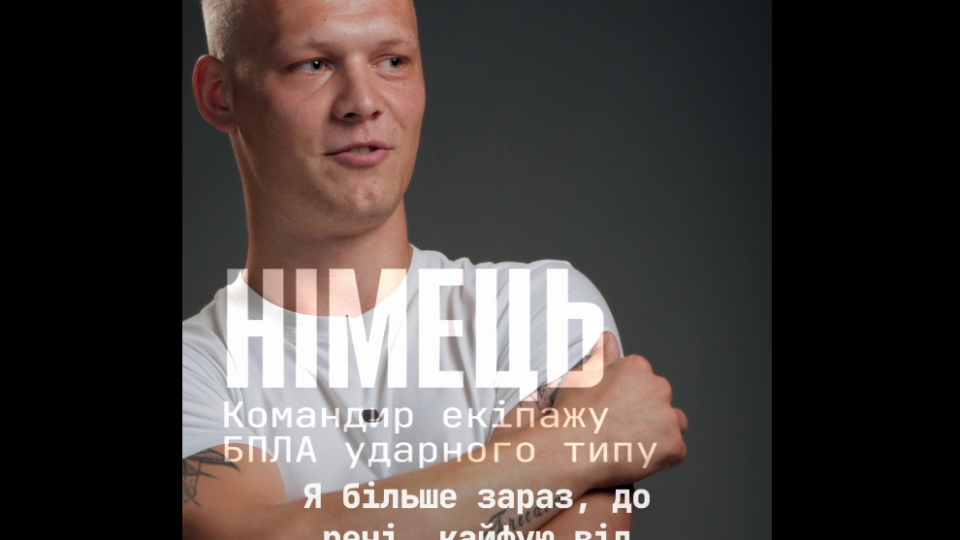
A UAV operator of the “Typhoon” unmanned systems unit with the callsign “Nimets” can strike the enemy even blindly.
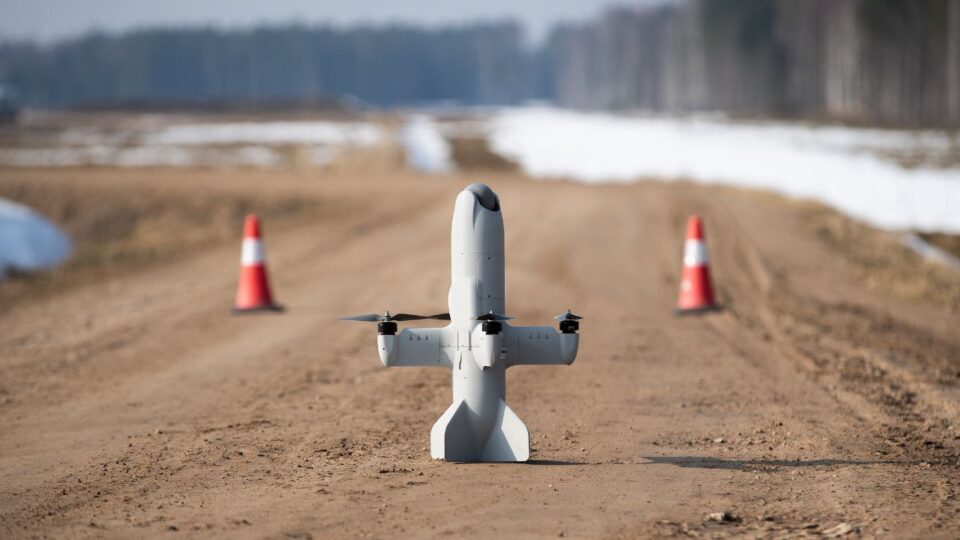
The first cycle of testing, evaluation, verification, and validation of unmanned aerial systems took place at NATO’s innovation range for unmanned systems.
The international delegation, headed by Ana Lucía Bueno, ICRC Public Health Coordinator, and Sujit Panda, Head of the Physical Rehabilitation…