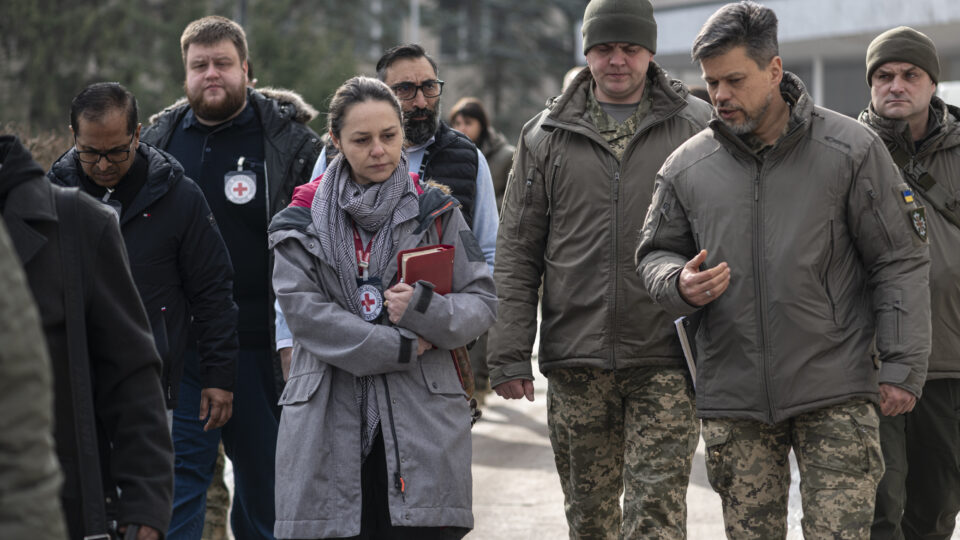
The international delegation, headed by Ana Lucía Bueno, ICRC Public Health Coordinator, and Sujit Panda, Head of the Physical Rehabilitation…

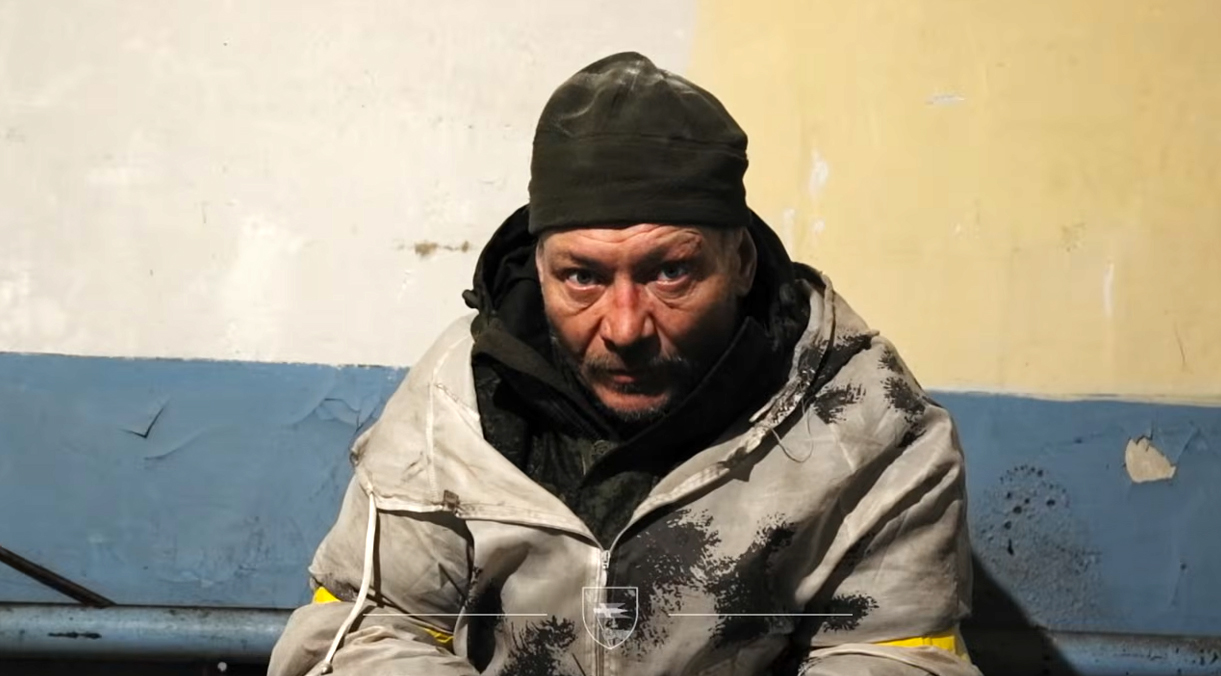
Russian servicemen captured on the Kupiansk axis fall into three categories.
These are mercenaries who went to war for money and those who were lured by promises of having their criminal records cleared, “rear-area troops” pulled from guarding warehouses, as well as regular career military personnel.
This was reported during an ArmyTV livestream on March 13 by Junior Lieutenant Vadym Ponka, an officer of the communications unit of the 14th Separate Mechanized Brigade named after Prince Roman the Great.
“There are prisoners who, for one reason or another, decided to sign a contract themselves — because they got into debt or needed money. Some even have a criminal background”, — he said.
Among the captured occupiers there are also many who had been promised safe service in the Russian rear, but were ultimately transferred to combat units and sent into assaults.
“There are also those who served for a long time somewhere in the Russian rear, guarding something — warehouses with canned meat or something like that. Then at one point, by some combat order, they were suddenly sent to Ukraine to carry out assault operations”, — the officer said.
Career soldiers of the Russian army are also found among the prisoners.
“Of course, there are regular Russian military personnel who have been serving there for quite some time, carrying out various duties and apparently training recruits — those who signed contracts or those who were pulled from Russian rear units. Roughly speaking, these are the three categories”, — the serviceman summarized.
Russian servicemen are under strong influence of enemy propaganda.
“Some of them turned out to be quite brainwashed, because they read and watch Russian propaganda and get very confused about the facts.
They say that this city, or that city, should belong to Russia rather than Ukraine, and so on.
Of course, it sounds like complete nonsense, but they say it and sincerely believe it, unfortunately”, — Vadym Ponka said.

The enemy is attempting to develop the production of naval drones and copy successful Ukrainian practices — both technical solutions and tactics.
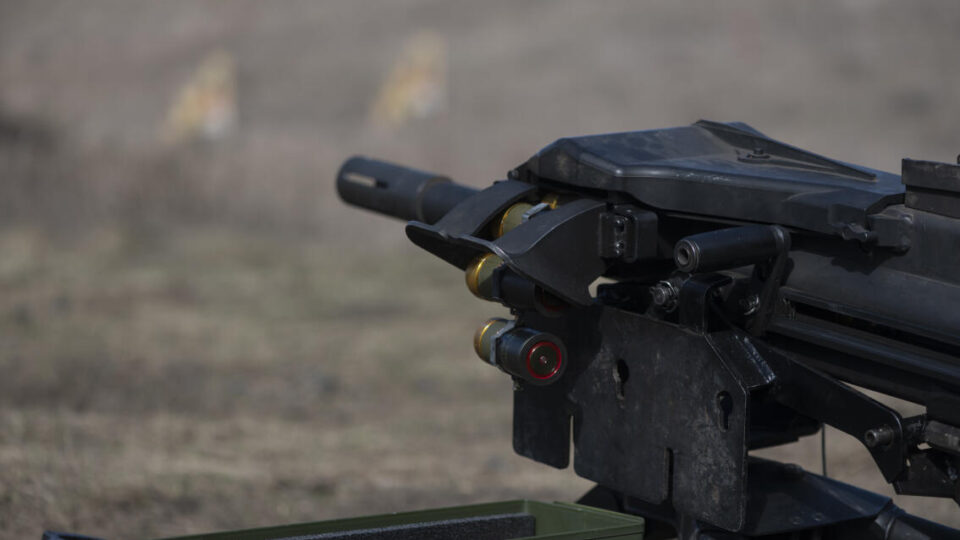
Fighting continues in the northern part of the city of Pokrovsk in the Pokrovsk direction. A mechanized assault was repelled there the day before.
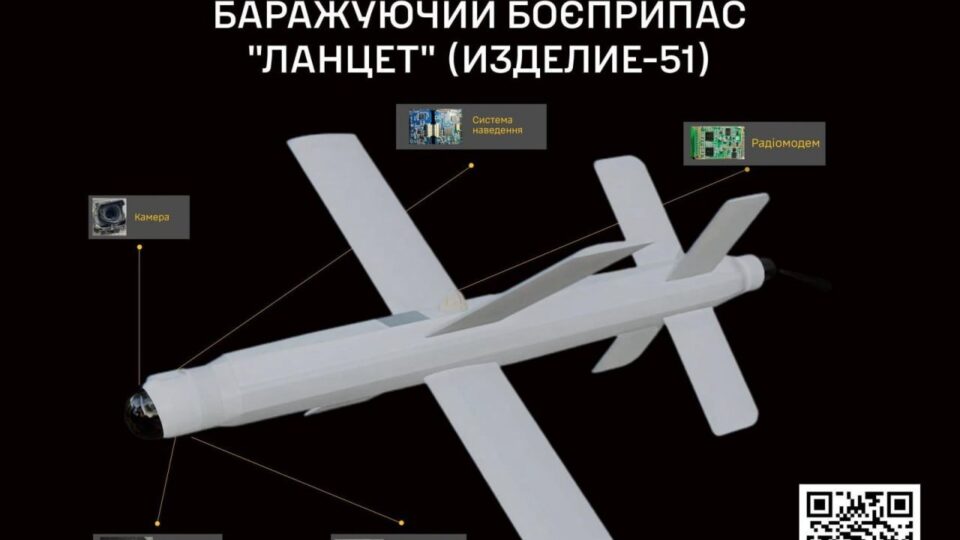
The Main Intelligence Directorate of the Ministry of Defense of Ukraine has published data on enterprises involved in the production of Russian loitering muniti

Another two-day round of negotiations between Ukraine and the United States concluded in Florida on March 22.
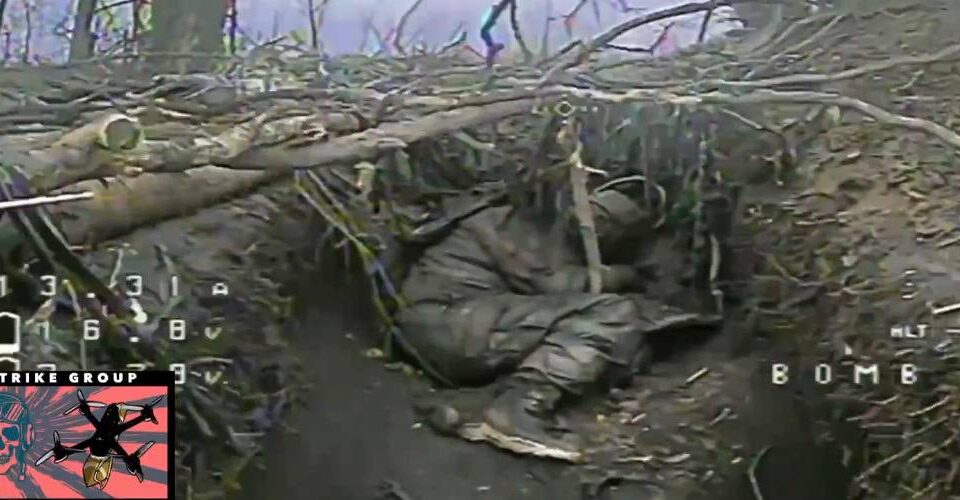
The enemy continues daily pressure and attempts to break through Ukrainian defenses in the Sloviansk direction.
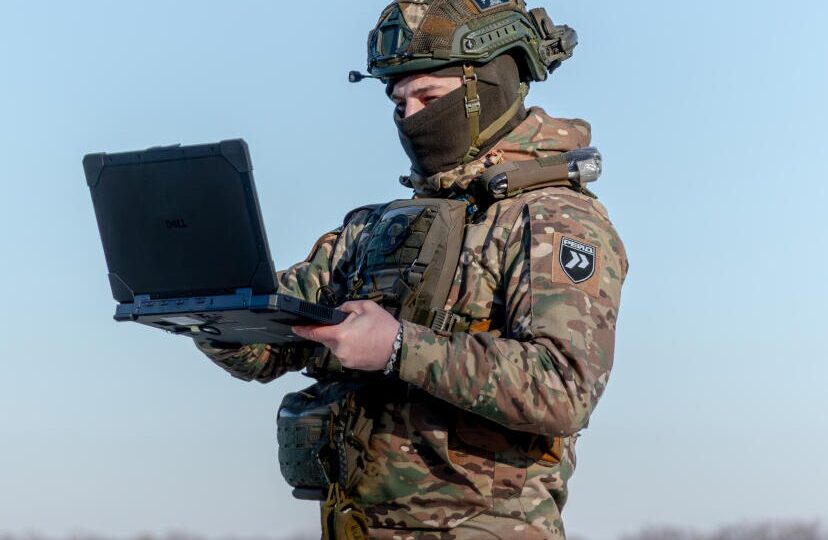
Over the past day, units of the Unmanned Systems Forces struck/destroyed 1,078 enemy targets.
The international delegation, headed by Ana Lucía Bueno, ICRC Public Health Coordinator, and Sujit Panda, Head of the Physical Rehabilitation…