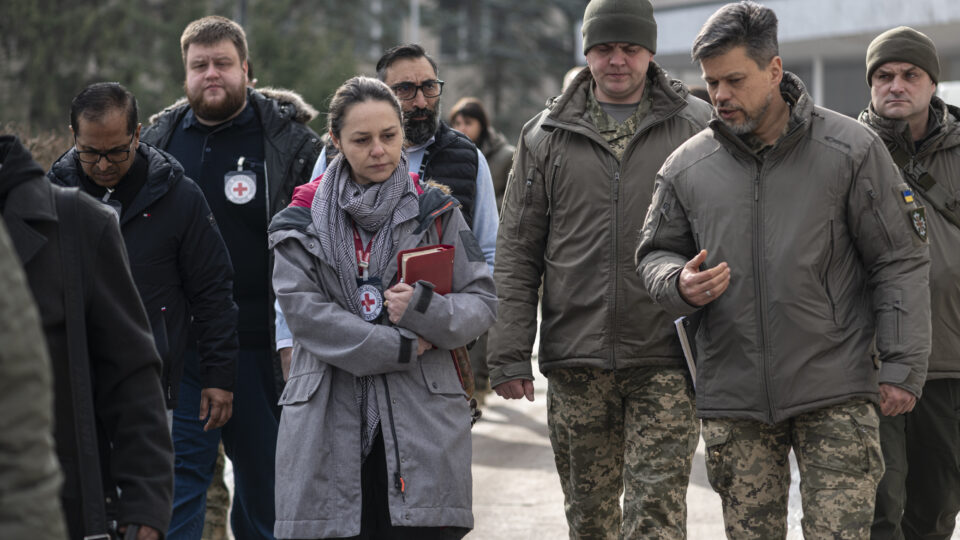
The international delegation, headed by Ana Lucía Bueno, ICRC Public Health Coordinator, and Sujit Panda, Head of the Physical Rehabilitation…

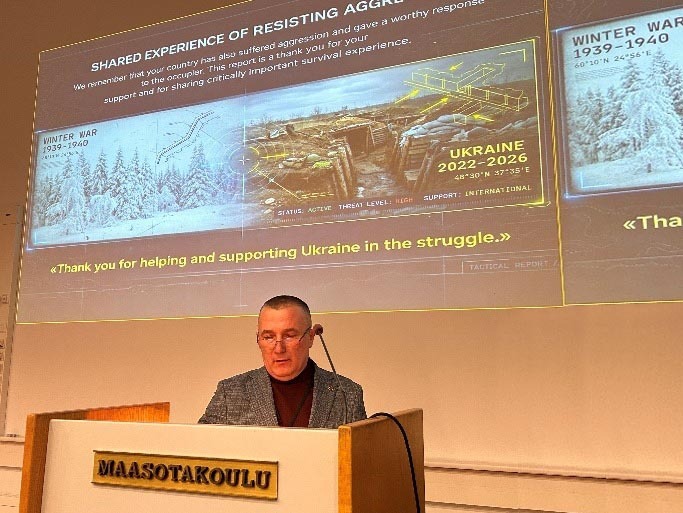
On a cold winter morning in central Finland, a group of Ukrainian officers stepped off a bus after a long journey north. They had not come for diplomacy, ceremo
In modern warfare, experience is a currency. It cannot be bought or borrowed. It is earned through loss, adaptation and survival.
For Ukraine’s military — now fighting one of the largest land wars in Europe since 1945 — the challenge is not only to fight, but also to capture what it learns and translate it into doctrine. Finland, a country that has spent decades preparing for the possibility of conflict with Russia, has become one of the most attentive partners in that effort.
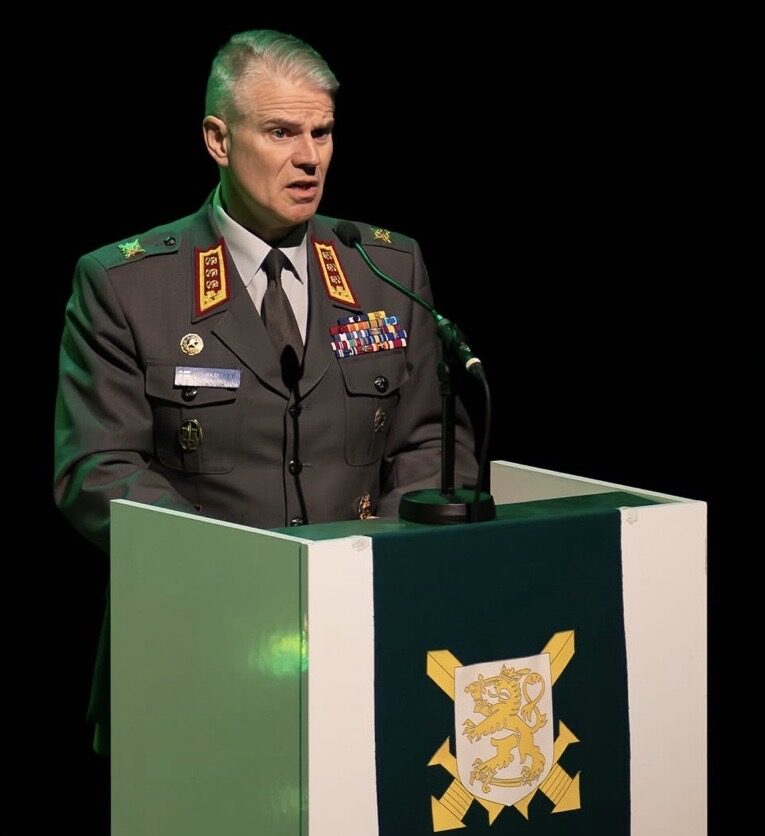
The visit was organised at the invitation of Lieutenant General Pasi Välimäki, Commander of the Finnish Army. It brought Ukrainian officers responsible for analysing and implementing battlefield lessons into dialogue with Finnish counterparts who are integrating those insights into their own defence planning.
The exchange reflects a broader shift in Europe’s security landscape: the war in Ukraine is no longer only a national struggle — it has become a laboratory of modern warfare.
The delegation’s journey began with a four-hour border crossing into Poland — a reminder that even routine travel carries weight during wartime.
At Warsaw’s Chopin Airport, the group boarded a flight to Helsinki. A few hours later the landscape below had changed: the dense city blocks of central Europe replaced by forests, frozen lakes and snow.
At Helsinki-Vantaa Airport, they were met by a liaison officer from the Finnish Defence Forces who accompanied them throughout the visit.
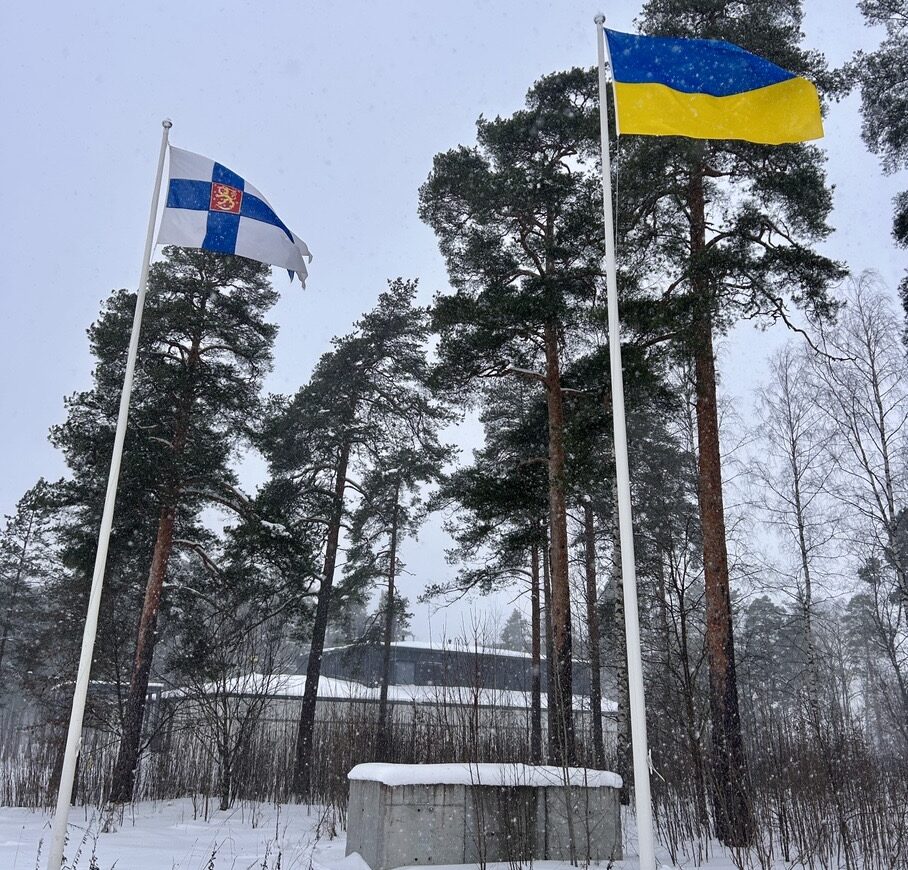
Their destination was Jyväskylä, a city in central Finland that sits at the intersection of education, technology and defence.
With a population of around 145,000, Jyväskylä might appear quiet. But its ecosystem — universities, technology firms and defence companies — reflects Finland’s broader model of national resilience.
Companies such as Patria and Insta Group, both active in defence technology, operate in the region. Together with military institutions and academic centres, they form a system designed to ensure Finland can mobilise quickly in the event of crisis.
That evening, the Ukrainian delegation attended a welcome dinner with Finnish military leadership. It was intended as an informal introduction — but the conversation quickly turned serious.
Lieutenant General Välimäki spoke openly about why Finland considers Ukraine’s experience critical.
“We highly value the knowledge Ukrainian soldiers have about the tactics of our shared adversary”, — he said.
“You face these attacks every day and you know how to stop them”.
The Finnish commander has visited Ukrainian units during the war, witnessing firsthand the intensity of combat along the front line.
Standing beside him was Major General Hennadii Shapovalov, Commander of Ukraine’s Land Forces, who has played a central role in facilitating exchanges between the two militaries.
The atmosphere was less diplomatic than practical. Officers discussed battlefield decisions, operational failures and innovations that have emerged during the war.
For Finland — which joined NATO in 2023 and shares a 1,300-kilometre border with Russia — these lessons are not theoretical.
They are preparation.
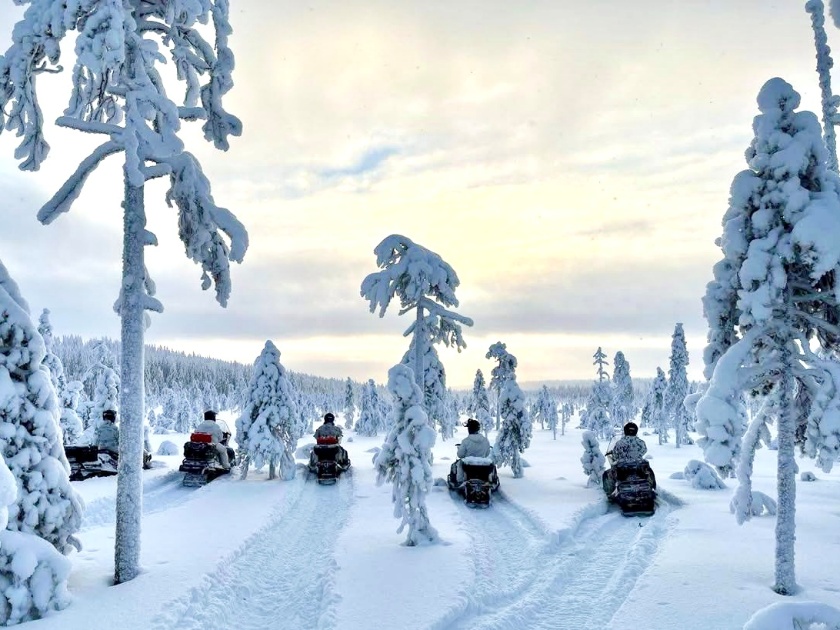
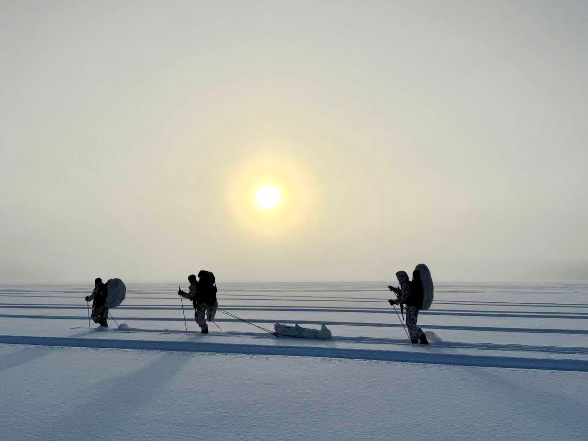
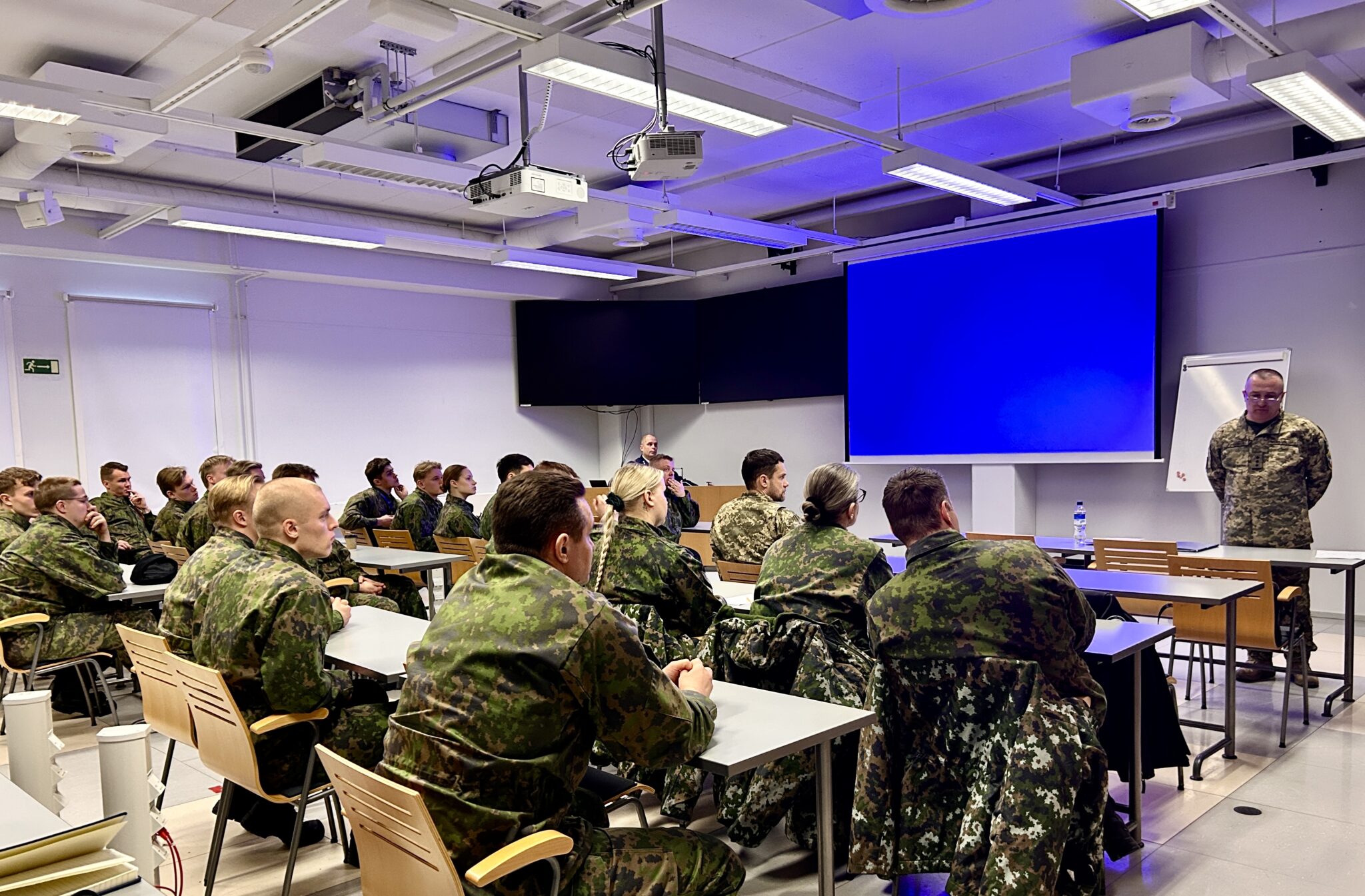
The core of the visit took place during a closed seminar on Air–Land cooperation, where Ukrainian officers presented their operational experience.
The key briefing was delivered by Colonel Vasyl Pryimak, acting head of the Ukrainian Land Forces’ Lessons Learned directorate.
In fifty minutes, he summarised years of intense combat.
The presentation covered:
Finnish officers asked detailed questions about how Ukraine collects and analyses battlefield data.
They were particularly interested in how Ukraine’s command structure has adapted during the war, and how lessons learned at the tactical level are incorporated into operational planning.
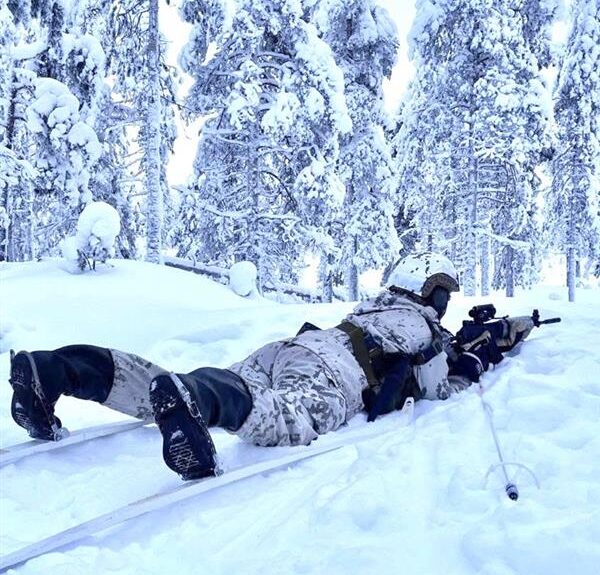
Another focus was the rapid rise of drone warfare.
Ukraine’s training programmes for FPV drone operators have already attracted international attention, and several Finnish personnel have begun studying these methods.
The Ukrainian officers emphasised that what they were sharing was not theory. It was experience gained under fire.
The delegation also travelled to Tikkakoski, home to Finland’s Air Force Academy and a dual-use airfield supporting both civilian and military aviation.
Inside the hangar of the 41st Fighter Squadron (Hävittäjälentolaivue 41), Finnish pilots discussed how they maintain the survivability of their air fleet.
Their approach includes:
The squadron operates BAE Systems Hawk trainer aircraft and F/A-18 Hornet fighters — platforms that remain central to Finland’s air defence while the country prepares to introduce the F-35.
For Ukrainian officers, the discussion highlighted a critical element of modern air warfare: survival depends not only on aircraft capability, but also on infrastructure resilience.
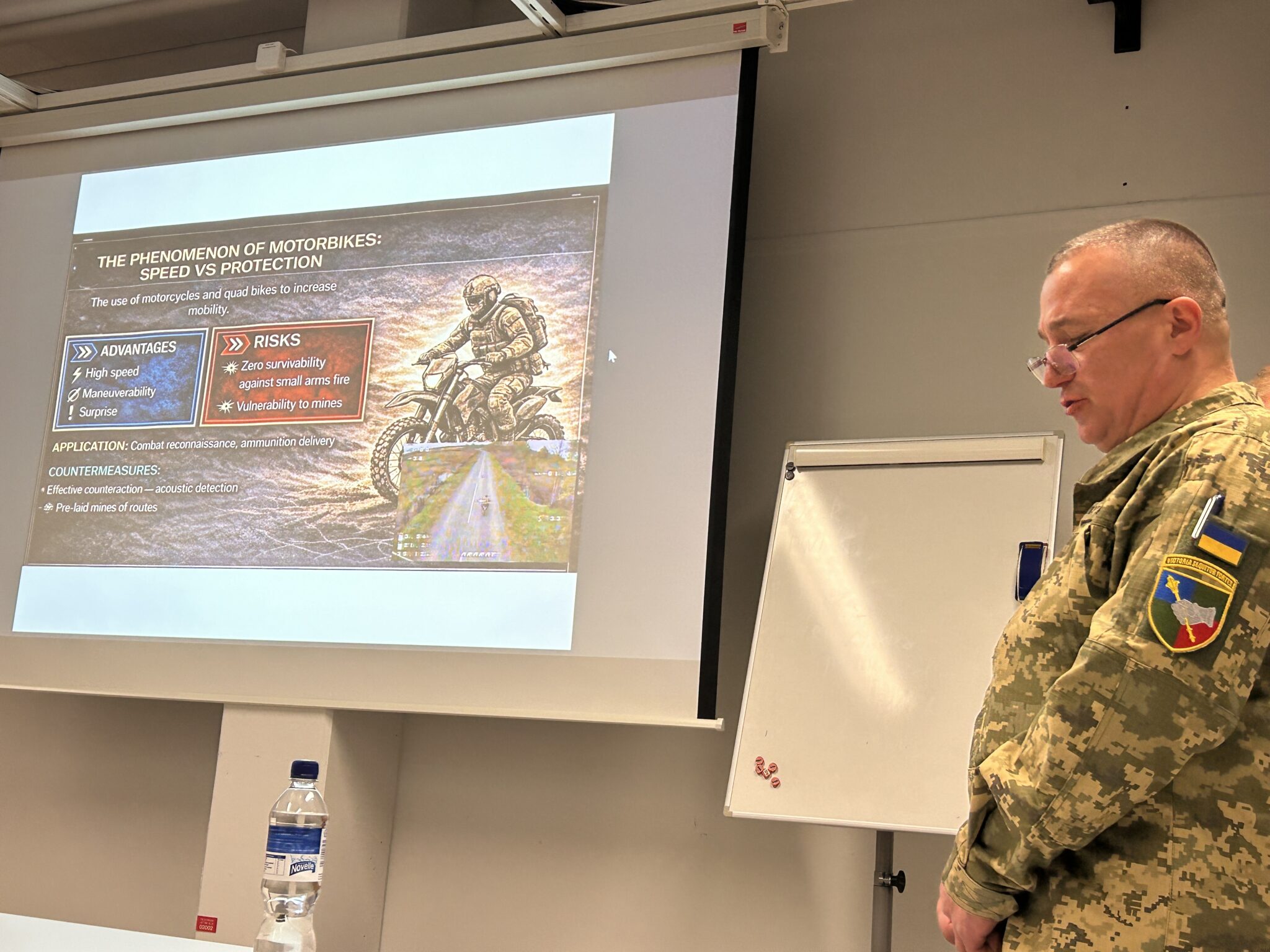
Another key meeting took place with leadership and instructors at Finland’s Army Academy (Maasotakoulu).
The discussion focused on how Ukraine’s battlefield experience could be incorporated into officer education.
Finland’s officer training system is centred around the National Defence University in Helsinki, with additional training conducted at regional academies.
The Finnish military sees Ukraine’s combat experience as an opportunity to accelerate doctrinal evolution.
For Ukrainian officers, the exchange also served another purpose: ensuring that their own lessons learned system continues to evolve.
Ukraine has established dedicated structures within the Armed Forces to collect, analyse and implement combat experience — a process that increasingly involves international partners.
Since Russia launched its full-scale invasion of Ukraine in 2022, Finland has provided substantial military assistance.
Publicly confirmed aid includes:
Several support packages remain undisclosed for security reasons. But Finnish officials emphasise that military aid is only one dimension of cooperation. Knowledge sharing, training and technological collaboration are becoming equally important.
On the final evening, the Ukrainian delegation attended a concert at the Paviljonki cultural centre.
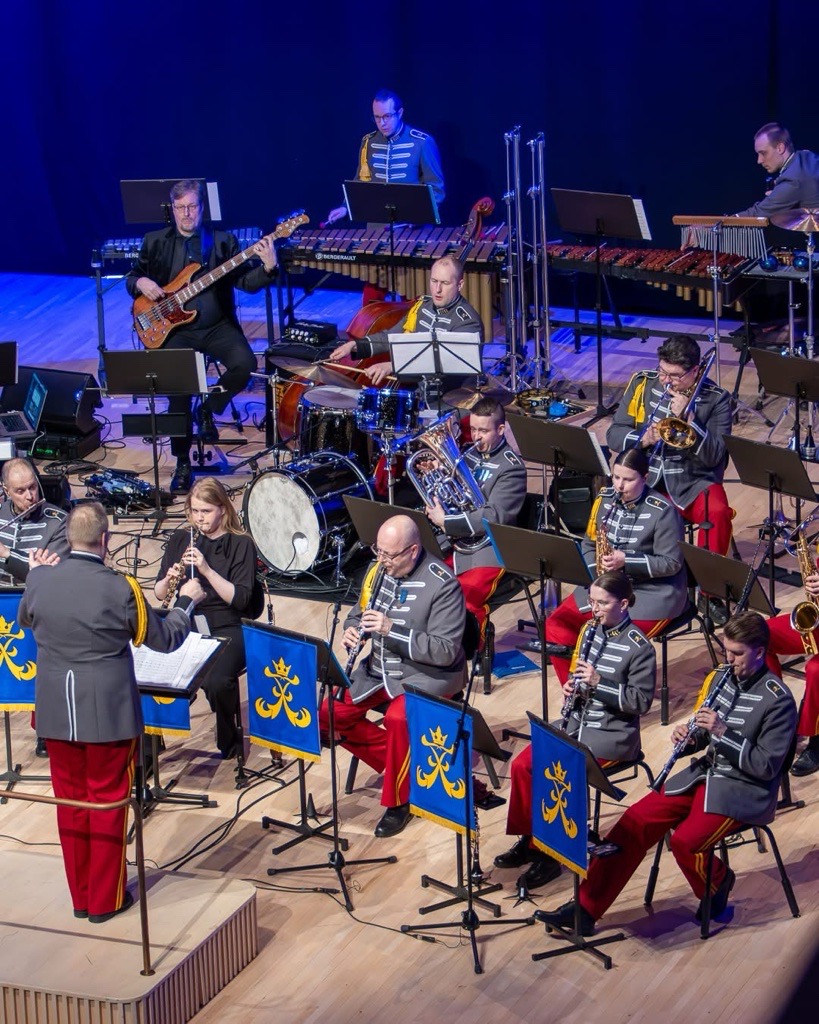
The performers were the Rakuunasoittokunta, the Finnish Army’s Dragoon Band.
During the concert, the orchestra performed “Kalyna of Memory”, a piece dedicated to Ukrainian defenders.
The audience stood in silence.
For a moment, the distance between the two countries seemed smaller.
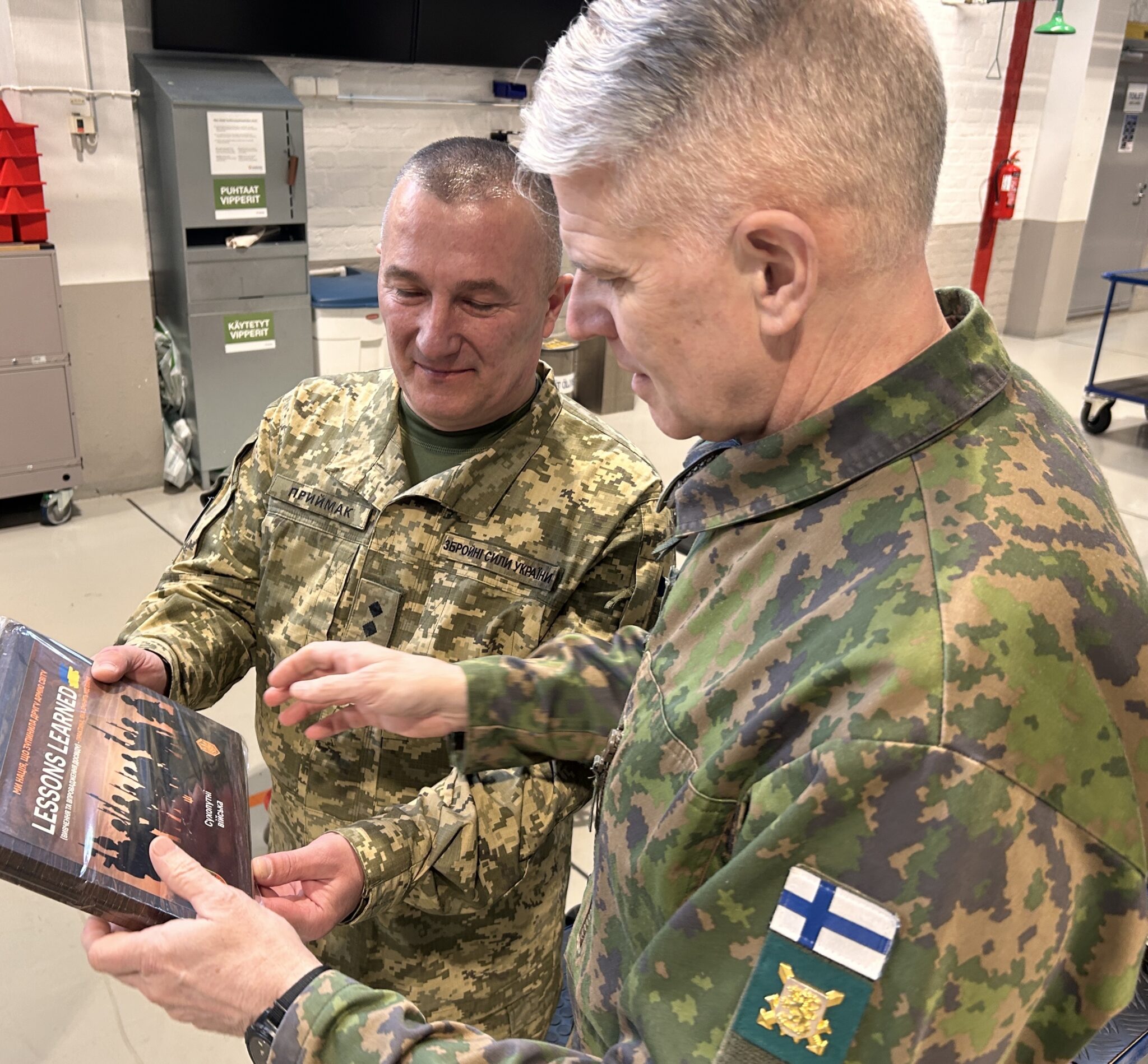
At the closing ceremony, Lieutenant General Välimäki presented the Ukrainian officers with a copy of “The Memoirs of Carl Gustaf Mannerheim,” the Finnish marshal who led Finland’s defence during the Winter War against the Soviet Union.
The Ukrainian side presented the Lessons Learned Directorate flag, a book on the history of the Land Forces of the Armed Forces of Ukraine, and a publication by ArmyInform correspondent Yevhen Buket, “30 Wars wiZ the Cursed Neighbor,” which explores more than a thousand years of armed confrontation between Russia and Ukraine.
The exchange was symbolic.
Both nations know what it means to defend independence against a much larger neighbour.
For Ukraine, the war remains a daily struggle for survival. But it is also generating knowledge that is reshaping military thinking across Europe.
The visit to Finland demonstrated how that knowledge is now being shared — analysed, debated and integrated into the defence systems of allied countries.
Ukraine fights on the battlefield.
But it is also helping redefine how wars may be fought in the future. And in places like Jyväskylä, those lessons are already being studied.

The enemy is attempting to develop the production of naval drones and copy successful Ukrainian practices — both technical solutions and tactics.
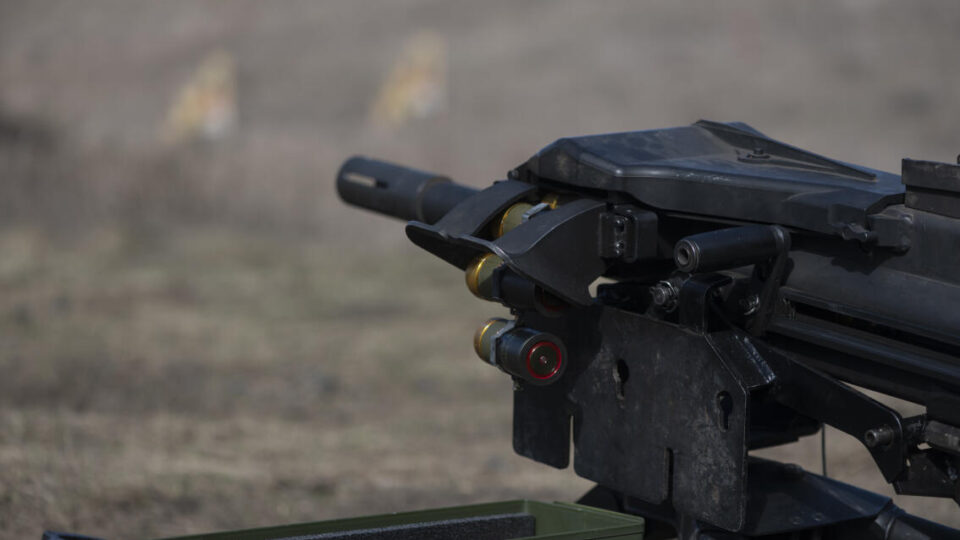
Fighting continues in the northern part of the city of Pokrovsk in the Pokrovsk direction. A mechanized assault was repelled there the day before.
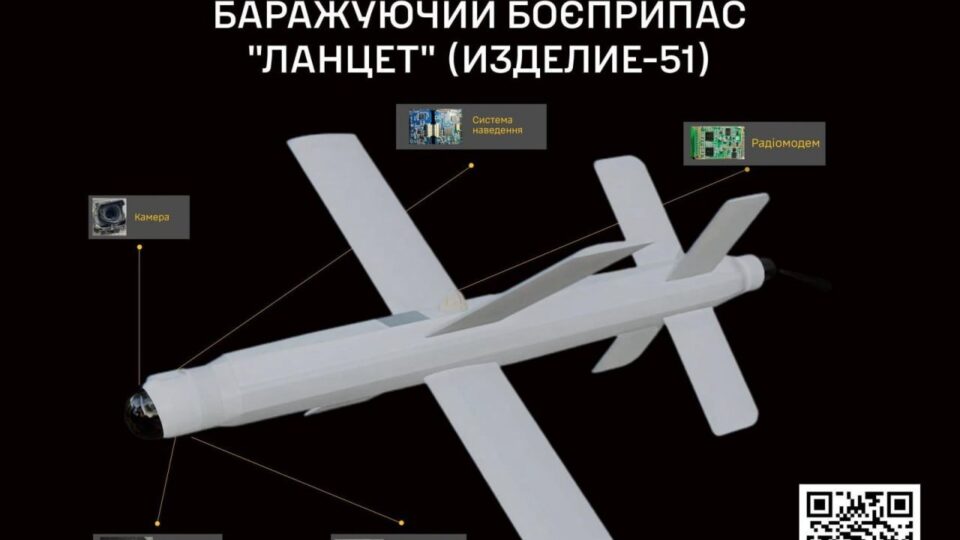
The Main Intelligence Directorate of the Ministry of Defense of Ukraine has published data on enterprises involved in the production of Russian loitering muniti

Another two-day round of negotiations between Ukraine and the United States concluded in Florida on March 22.
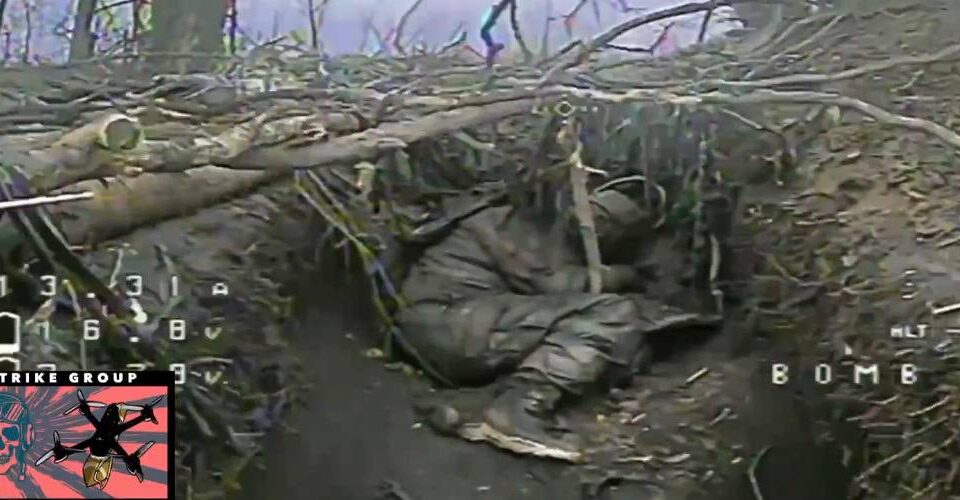
The enemy continues daily pressure and attempts to break through Ukrainian defenses in the Sloviansk direction.
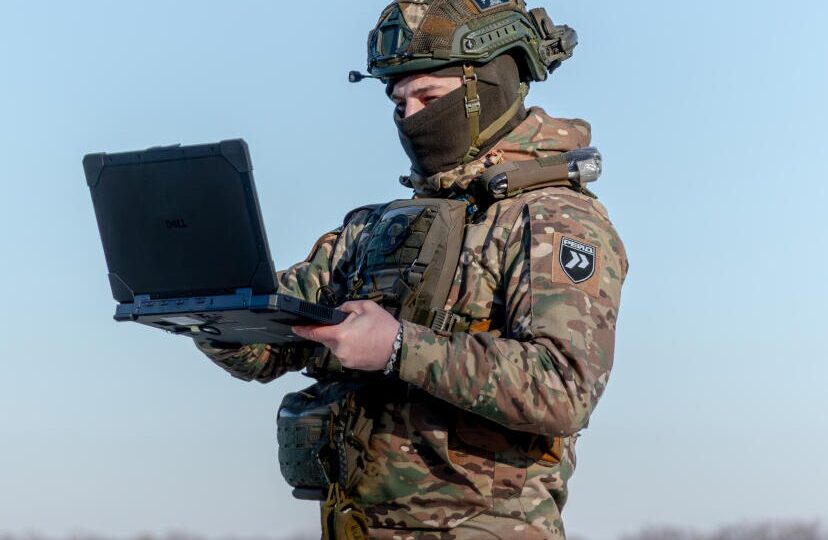
Over the past day, units of the Unmanned Systems Forces struck/destroyed 1,078 enemy targets.
The international delegation, headed by Ana Lucía Bueno, ICRC Public Health Coordinator, and Sujit Panda, Head of the Physical Rehabilitation…