“There were seven Russians there: I destroyed some, and our infantry finished the rest”: the story of an FPV drone operator callsign “Vzhyk”

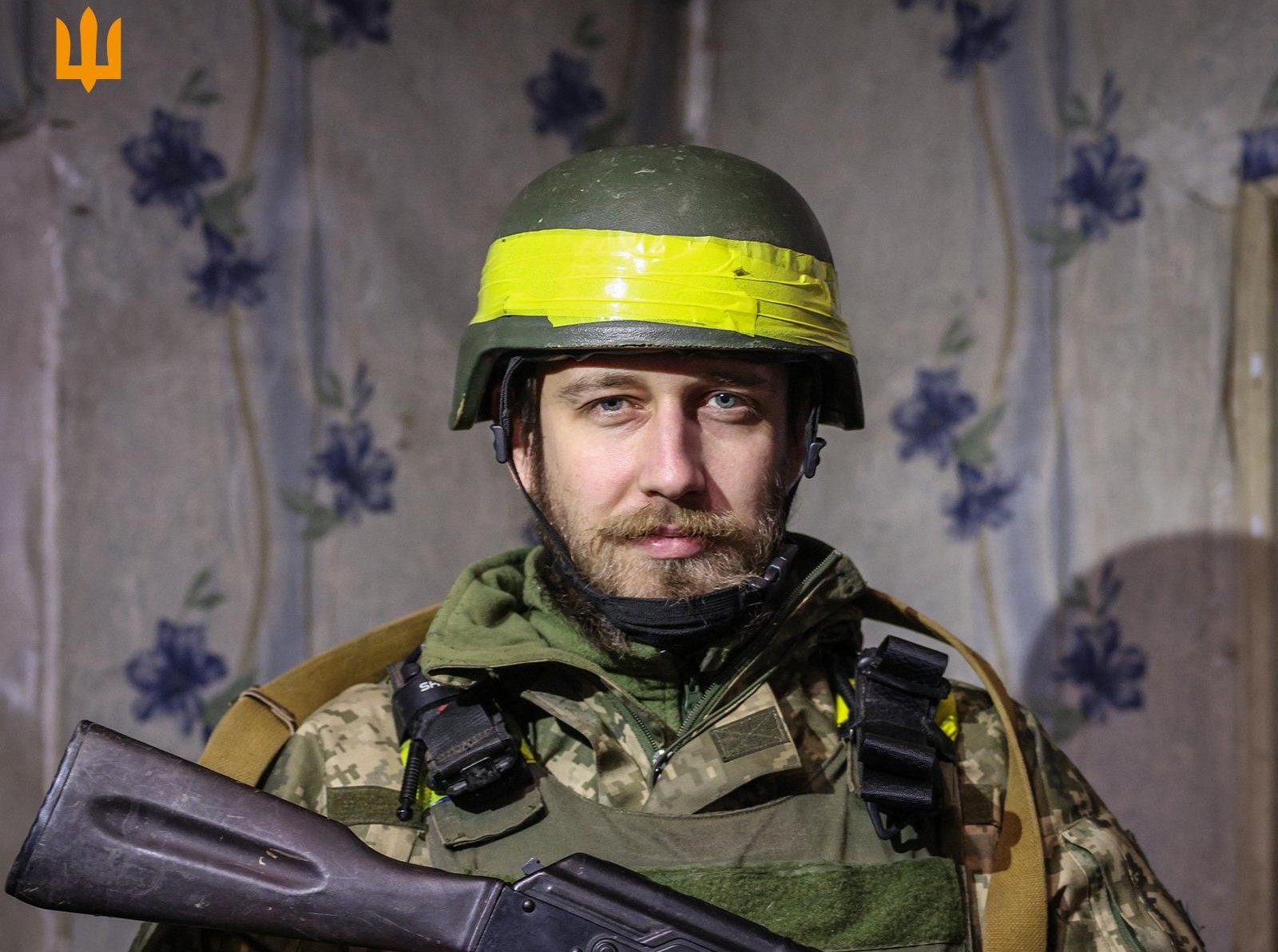
“Vzhyk” is an FPV drone pilot. He used to work at a furniture factory, but in 2024 he was mobilized into the Armed Forces.
The story of the fighter was told on the page of the 33rd Separate Mechanized Brigade.
“When the full-scale war began, at first I thought it wouldn’t last long — everything would be settled. But I quickly realized that sooner or later I had to go defend Ukraine. I understood that there was no turning back”, — the soldier recalls.
He completed basic military training and was assigned to the 33rd Brigade, where the newcomer was given a role that matched his abilities.
“They offered me to learn how to operate an FPV drone. I agreed — I thought I could achieve better results in this than somewhere else. I had no experience with drones at all, but I used to play a lot of video games with a joystick, so I roughly understood what a control panel was. In short, I had a sense of micro-control”, — he says.
After general adaptation, Vzhyk began specialized training as a drone pilot.
“I flew a few hours on a simulator, and then one experienced pilot noticed that I was flying quite well. So they sent me to train directly on position”, — the pilot says.
He had several training flights — and then came the combat ones.
“Positions changed one after another. When there was a good radio horizon, the results were good too. At first I worked on houses, basements, and various shelters where the enemy gathered. I worried a lot and was nervous — whether I was doing everything correctly. After all, it is a huge responsibility”, — the soldier shares.
Gradually, experience came. Vzhyk realized he was doing his job well.
“In Bahatyri we had a good radio horizon and hit targets effectively. I destroyed enemy infantry right inside buildings, flying from window to window. And later near Volodymyrivka, one morning we flew out and noticed enemy equipment — an armored tractor. We destroyed it with our fragmentation munition and then worked on enemy infantry as well”, — the serviceman says.
A few days later — another success.
“Our mortar crews struck enemy infantry, and they began to retreat. Over the radio we were told the Russians were moving toward a dugout in a forest belt.
I took off, managed to find that forest belt, and struck the enemy dugout. There were seven Russians there: I destroyed some, and our infantry finished the rest”, — the operator says.
Even though a drone pilot operates from a distance, the danger does not disappear.
“There was a case when four enemy guided aerial bombs hit the forest belt where our position was located. The blasts opened our dugout, but we continued working. A few hours later we were evacuated from there”, — Vzhyk says.
That is how it is in war: overcoming difficulties, we destroy the enemy and move toward Victory.
“We are all waiting for the moment when there will finally be silence — when there will be no more shots or explosions. And this peace will definitely come. We relentlessly strike the enemy so that he understands: the time has come to stop and negotiate. But even when the war ends, we will not lose vigilance — we will always be ready to repel another attack”, — the fighter concluded.