“Strikes Occur in the Enemy Rear”: North of Kharkiv, Russian Equipment Has Been Driven Far from the Front Line

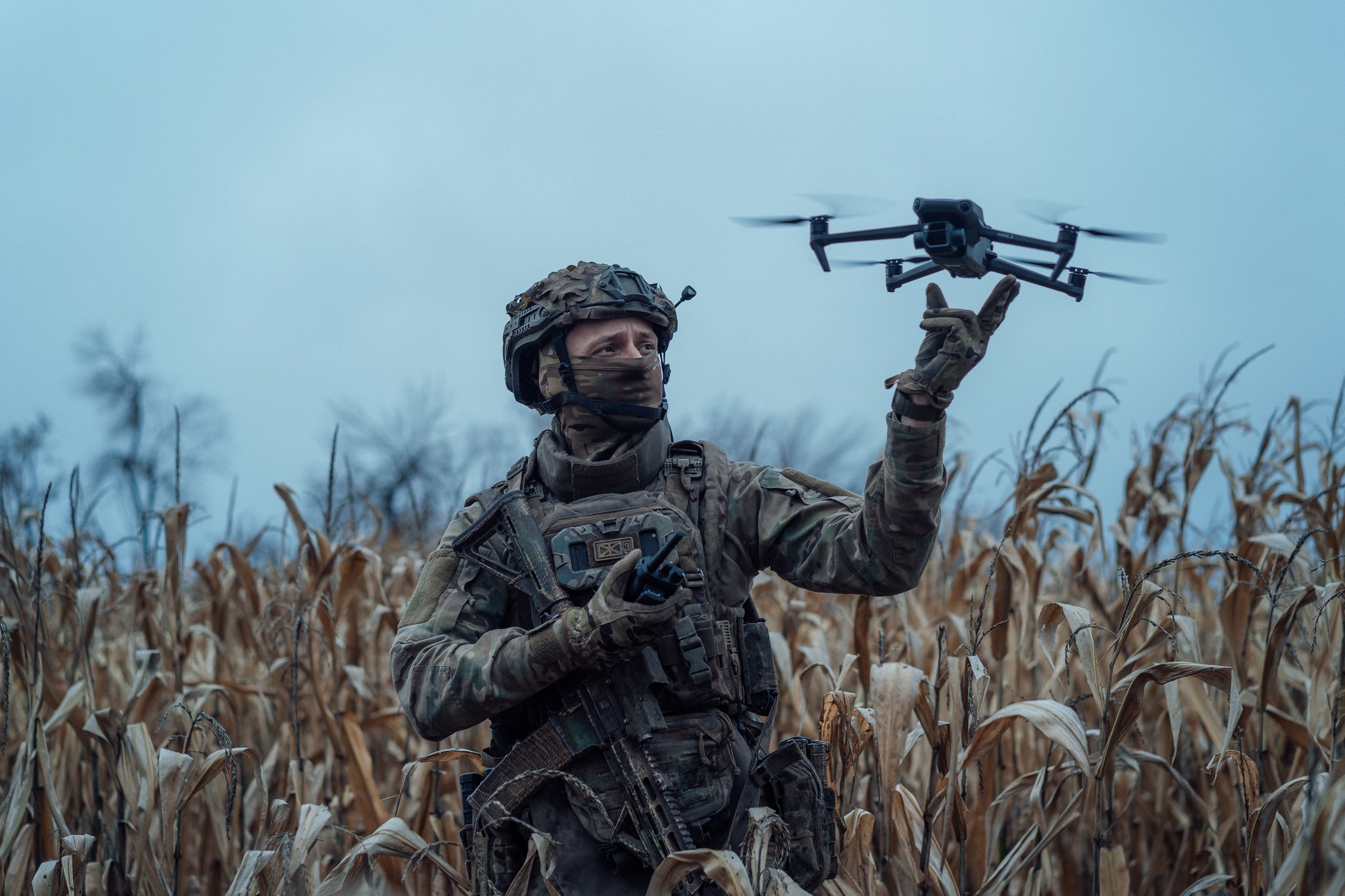
Enemy heavy armored vehicles on the South-Slobozhansky axis, north of Kharkiv, have been pushed far into the enemy’s rear away from the line of contact.
Meanwhile, the Russians are increasing their use of various types of unmanned aerial vehicles.
This was reported during a livestream on Army TV on March 2 by the deputy company commander of the rapid-response battalion of the 13th Brigade of the National Guard of Ukraine “Khartia”, callsign “Porokh”.
— We haven’t seen heavy equipment on our axis for a long time, especially armored vehicles. Mostly, strikes on such equipment take place—if we spot it—in the enemy rear, already beyond the border.
If reconnaissance provides us with data, we manage to fly there and strike artillery or tank positions located far from the border itself, he said.
Meanwhile, the occupiers rely on massive use of UAVs of various types against Defense Forces personnel and civilians in populated areas.
— Unfortunately, we observe here a large number of UAVs. We have the whole assortment present, as along the entire front line. We record airstrikes, “Shaheds”, and quite a large number of fiber-optic-controlled drones. I can say that we still have air superiority on our axis, of course, but the enemy does not reduce the intensity of its aggression here. We already know — there is news — that they have increased the spools for FPV drones, and these fiber-optic drones have already been spotted on the outskirts of Kharkiv, — Porokh said.