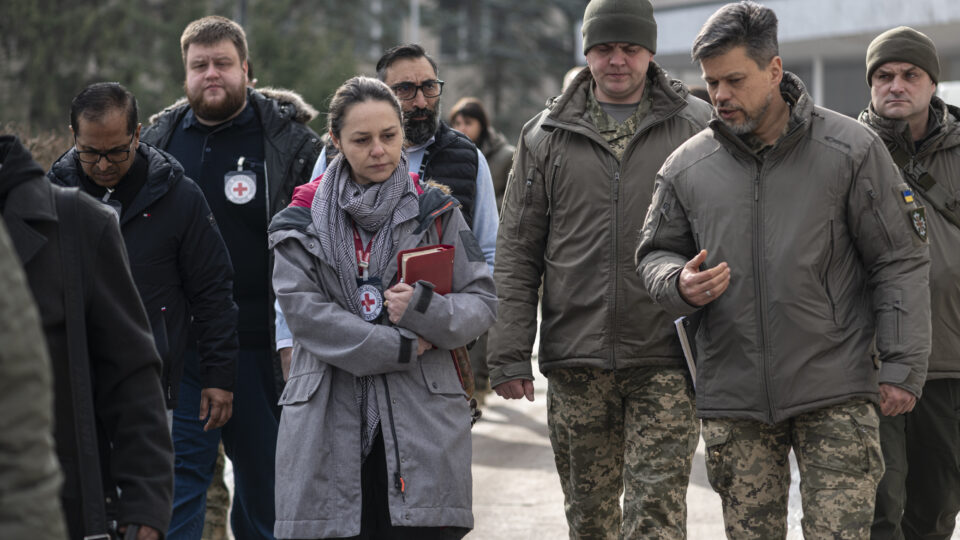
The international delegation, headed by Ana Lucía Bueno, ICRC Public Health Coordinator, and Sujit Panda, Head of the Physical Rehabilitation…

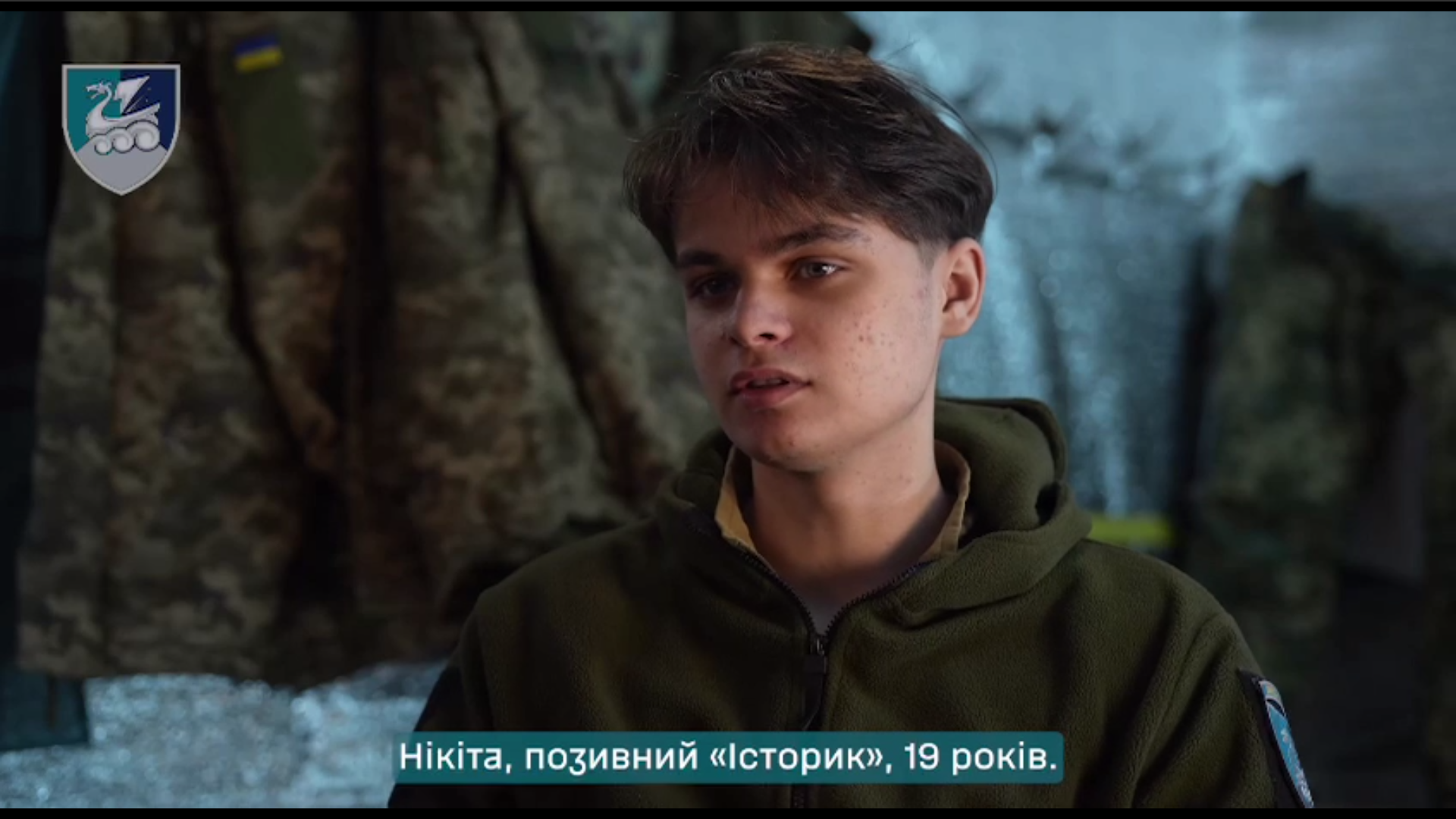
A soldier of the 36th Marine Brigade named after Rear Admiral Mykhailo Bilynskyi, call sign “Historian”, spoke openly about his combat experience.
The interview was published on March 1 on the brigade’s channel.
Nikita is 19. He received the call sign “Historian” because he studied archaeology, but in his first year decided to sign a contract.
“I watched many interviews with soldiers, including young ones, and signed a contract so I could tell my children that I at least did something.
That I didn’t just sit around during such a difficult time for the country. Maybe I didn’t perform great heroic deeds, but I definitely didn’t stay aside. So I wouldn’t be ashamed later that I ‘slipped through.’ When the country is in such a situation, I helped. Being a direct participant in these events is very important”, — he says.
After completing basic training, he was sent to Donetsk region, which turned out to be different from what he imagined:
“I worried that we’d be living in dugouts in the forest, but everything is civil and well-equipped. I met many people — all very interesting, very kind. They gave advice, they were more experienced, almost all of them had been there since 2022.
On the third week, during adaptation, they said we’d soon be going out. They brought ammunition. We packed it into backpacks — unbelievably heavy. Three days later, we went to Konstantynopil (a small town in Donetsk where fighting took place)”.
“What I remember most from the first mission was close contact with an FPV drone. It looked straight at me and my comrade. We hid behind trees. I had already taken my rifle off safety and started aiming, but the drone flew away. Maybe it was ours, maybe we were just lucky — but when a drone looks right at you, that’s unforgettable”.
During the mission, he missed his family and girlfriend:
“You drop out of life for two months. You don’t know what’s happening. To stay occupied, we read old newspapers. I solved tons of crosswords. We also found many books”.
But there wasn’t always time to read — the enemy constantly tried to strike their positions:
“The door to the dugout was blown off by the blast wave. Everything inside was smashed. The worst part was that two of our three rifles were destroyed.
I spent the whole night patching up my comrades. One had a leg injury, probably a fracture. And lots of shrapnel wounds.
I was intact then — basically, nothing but a concussion. They were evacuated, and two others arrived.
On the 54th day, an FPV drone flew directly into the dugout. It completely collapsed.
I barely crawled out — with absolutely nothing. My body armor and rifle were buried. The only things I managed to grab were my helmet and two first-aid kits.
I hid in a nearby house. A day or two later, they dropped me a vest and rifle from a drone”.
When it was time to withdraw, he managed to reach the evacuation point on foot and lead the wounded — which was difficult:
“They kept saying, ‘Let’s stop here, let’s spend the night here’. I said, ‘One more turn, one more turn’. And like that, we reached the evac point.
I remembered the road, so I was the lead. We didn’t have a tablet, no Kropyva app. We navigated by radio and memory. When we arrived, I cried from emotion.
They took me to the stabilization point and examined me. I texted my mom. Texted — because calling felt too scary”.
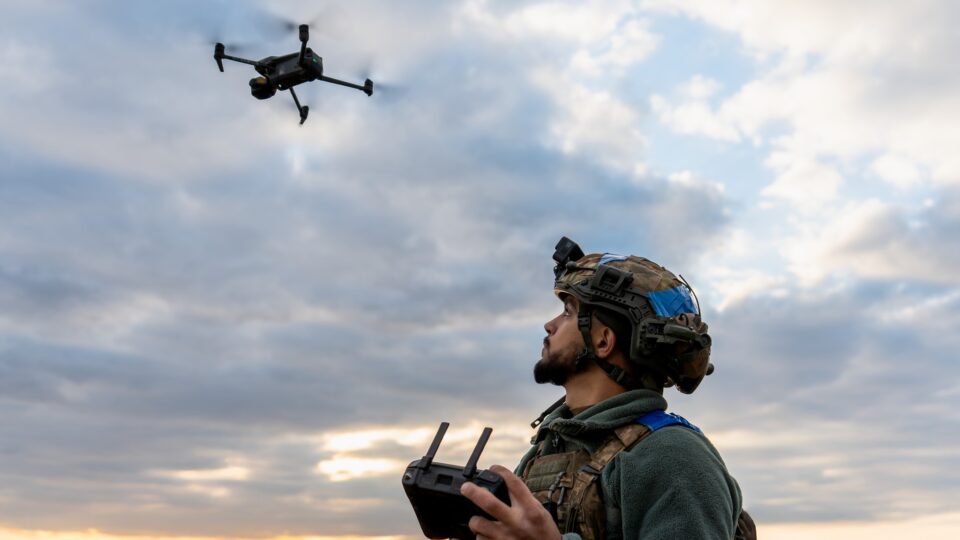
Over the past day, units of the Unmanned Systems Forces grouping struck or destroyed 1,209 enemy targets.
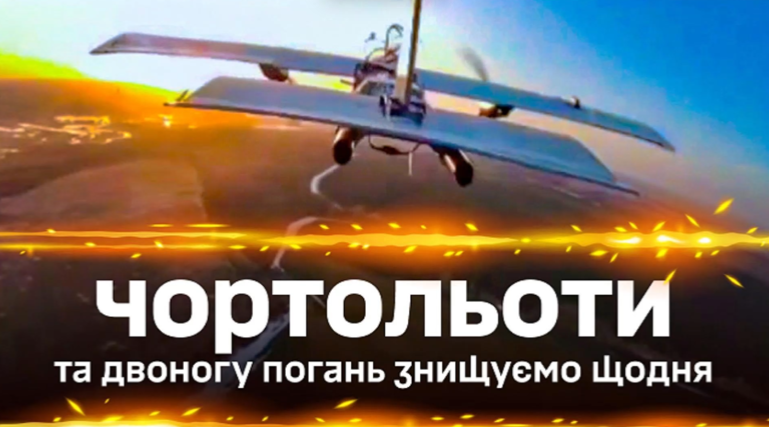
Drone units of the Joint Forces’ Iron Brigade are continuously destroying enemy UAVs (“chortolyoty”) and personnel.

On the night of March 20, the enemy attacked with 156 strike UAVs, including Shahed-type drones, “Gerbera”, “Italmas”, and other types.
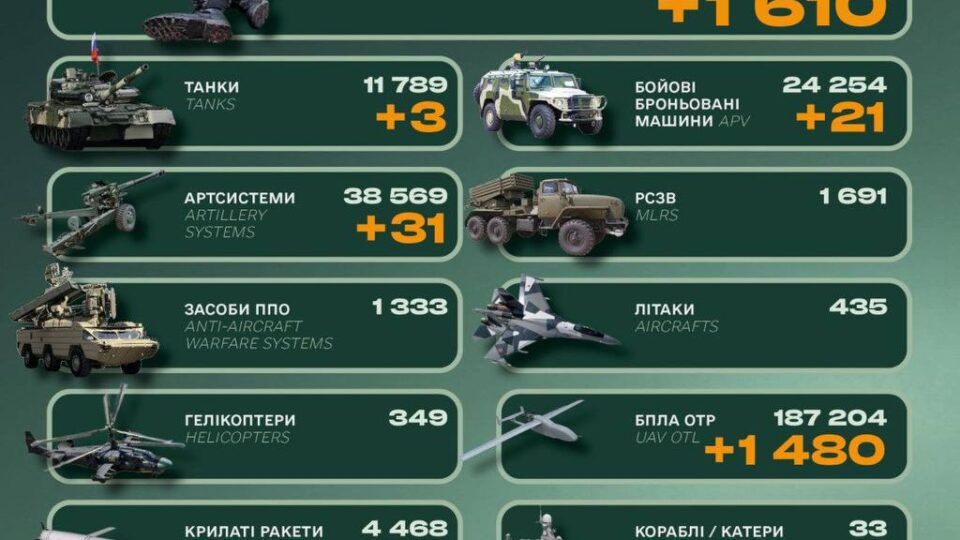
Over the past day, Russian occupation forces lost 1,610 personnel on the battlefield.
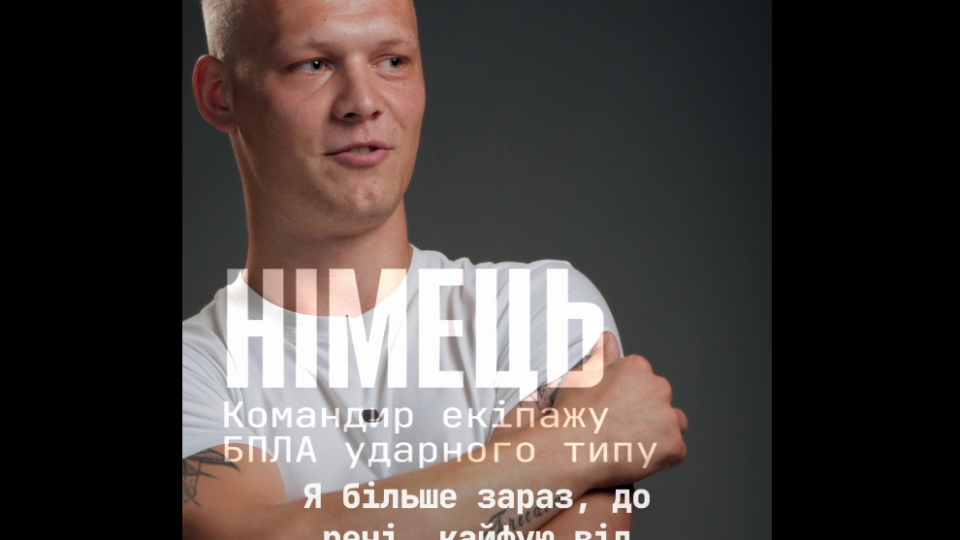
A UAV operator of the “Typhoon” unmanned systems unit with the callsign “Nimets” can strike the enemy even blindly.
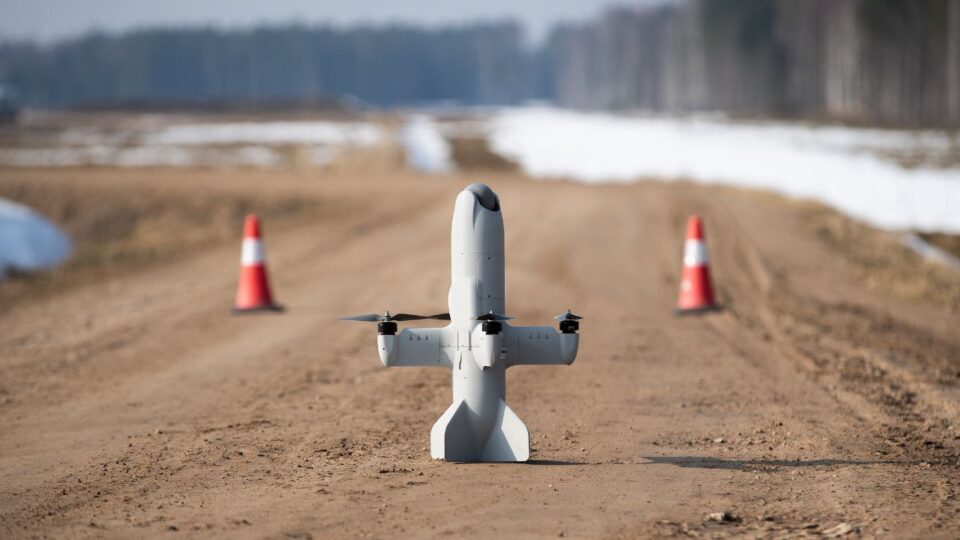
The first cycle of testing, evaluation, verification, and validation of unmanned aerial systems took place at NATO’s innovation range for unmanned systems.
The international delegation, headed by Ana Lucía Bueno, ICRC Public Health Coordinator, and Sujit Panda, Head of the Physical Rehabilitation…