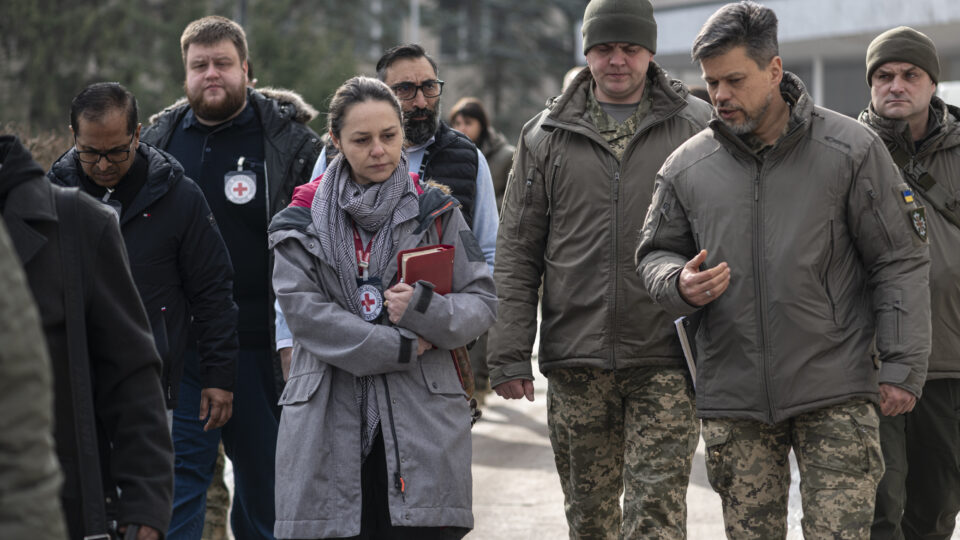
The international delegation, headed by Ana Lucía Bueno, ICRC Public Health Coordinator, and Sujit Panda, Head of the Physical Rehabilitation…

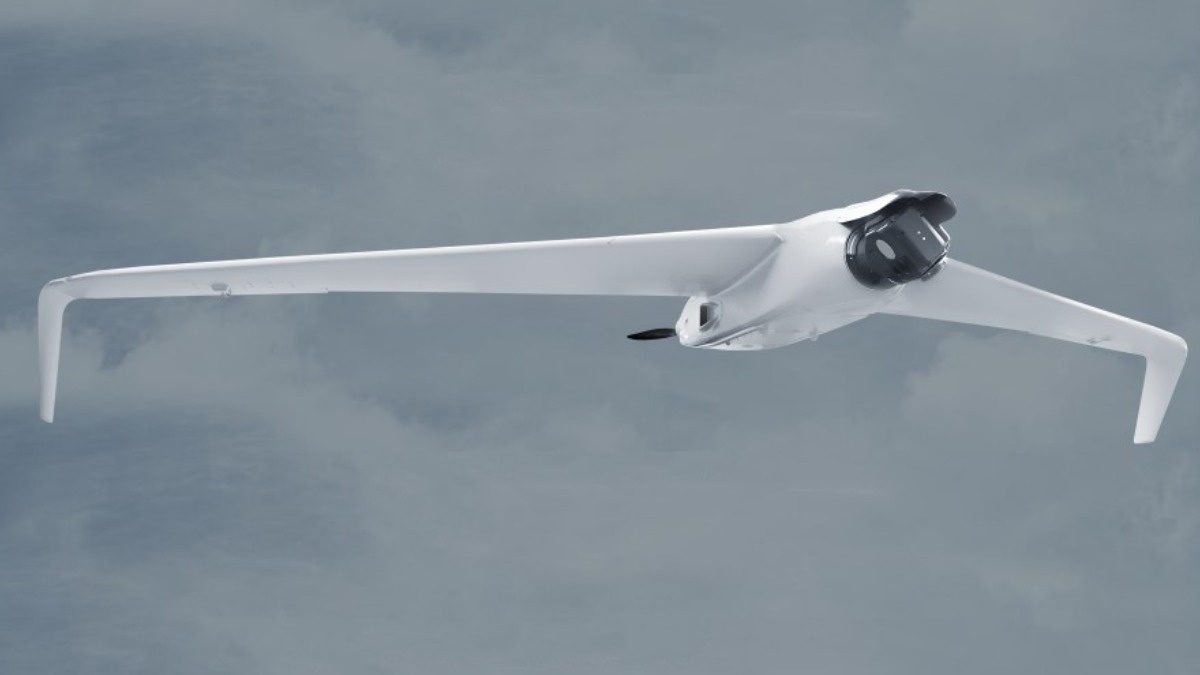
In the Southern-Slobozhansk direction, the enemy is extremely active in the low airspace. The hunt for Russian reconnaissance and strike drones continues non-st
The enemy uses detection and evasion systems against air-defense drones, but Ukrainian defenders have their own methods.
Major Ihor Romanenko, spokesperson for the 3rd Separate Heavy Mechanized Iron Brigade, said this during an Army TV livestream.
“In our sector, the enemy is extremely active in the sky — much more active now than on the ground. On the ground, these are isolated attempts to slip between our combat positions. Our Iron Brigade holds the defense on the eastern flank of the Southern-Slobozhansk direction.
[However — ed.] activity in the sky is high. Every day, our interceptors shoot down enemy reconnaissance UAVs and strike UAVs. It comes in waves. Every day these drones try to break through — for example, ‘Lancets’ and also ZALA”, — he said.
When several expensive enemy drones are shot down during the day, Russian pilots begin to avoid the brigade’s area of responsibility.
“When our interceptors manage to shoot down several in a day — and these are costly aircraft — sometimes a kind of lull sets in, and the enemy even begins to bypass our brigade’s sector”, — the officer reported.
Enemy “Molniya” UAVs usually carry explosives, mainly TM anti-tank mines or other explosive devices weighing about 8–10 kilograms.
Some days, 4–5 “Molniyas” are shot down within the brigade’s area of responsibility.
Despite the fact that video clips showing the destruction of enemy drones make the strike seem quick and easy, in reality, hunting enemy drones can last for hours.
“We observe increased activity and modernization of UAVs such as ZALA and ‘Skat.’ And although on screen you see just a few seconds — and the enemy is destroyed — in reality these can be extremely complex hunts.
For example, recently the hunt for a ZALA drone correcting [enemy — ed.] artillery fire lasted an hour and a half for a single drone. It maneuvered successfully and evaded our interceptors. This indicated that the drone had special equipment for detecting our interceptors.
How do we know this? Among captured UAVs that had been shot down, our air-defense troops once found in a ‘Skat’ drone a circuit board with an original-language label: ‘FPV Detection System’.
So these systems, these boards, are installed on some UAVs to avoid strikes and to see where our interceptors are coming from.
But, let’s say, we have countermeasures for this. We have smart guys who study these maneuvers and use other tactical tricks to shoot down these drones — the ones our guys call ‘dodgers’”, — Ihor Romanenko assured.

The enemy is attempting to develop the production of naval drones and copy successful Ukrainian practices — both technical solutions and tactics.
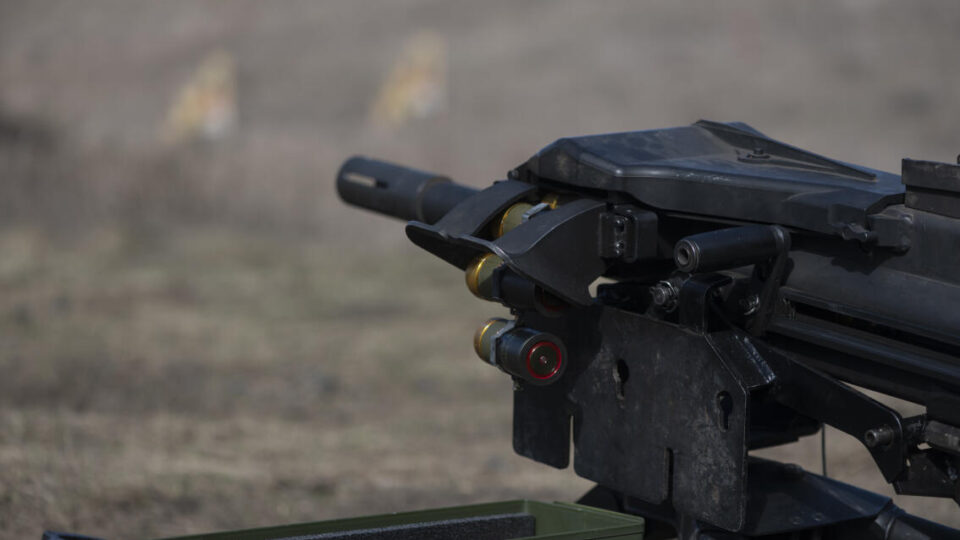
Fighting continues in the northern part of the city of Pokrovsk in the Pokrovsk direction. A mechanized assault was repelled there the day before.
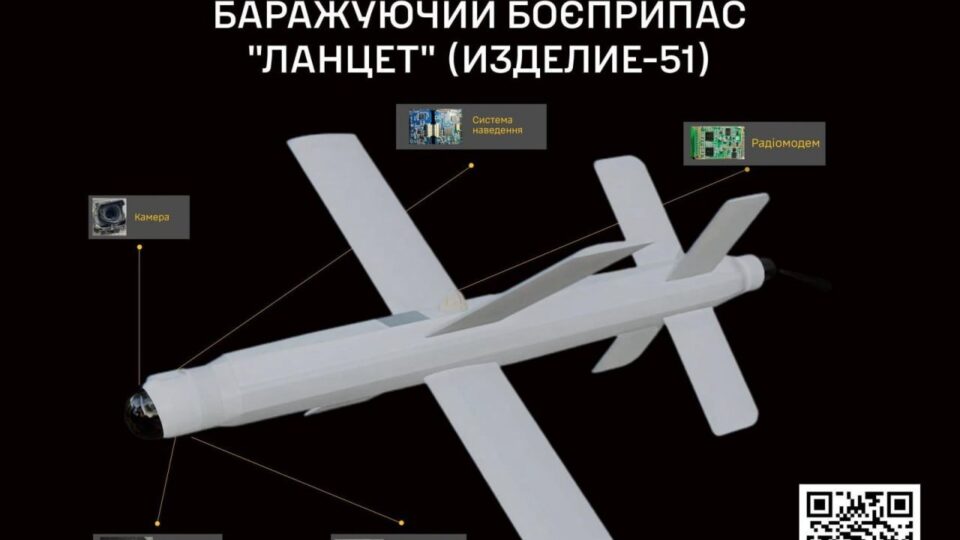
The Main Intelligence Directorate of the Ministry of Defense of Ukraine has published data on enterprises involved in the production of Russian loitering muniti

Another two-day round of negotiations between Ukraine and the United States concluded in Florida on March 22.
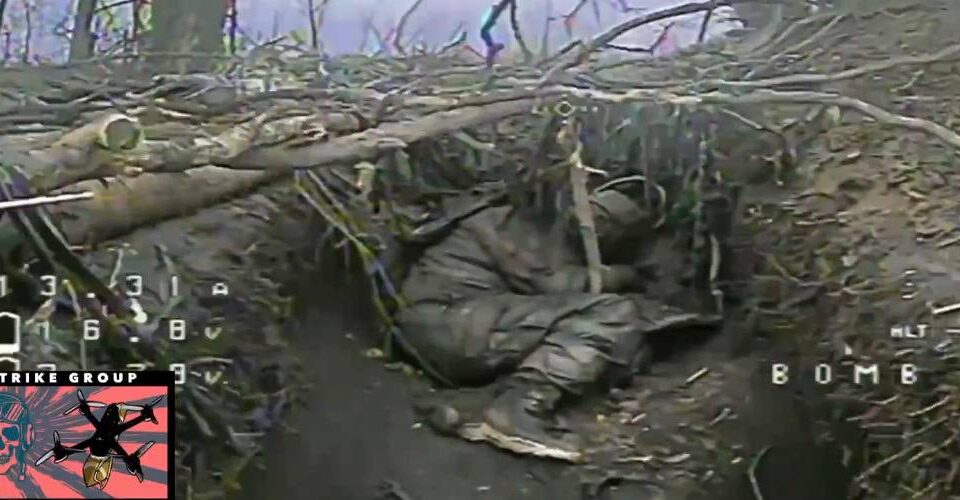
The enemy continues daily pressure and attempts to break through Ukrainian defenses in the Sloviansk direction.
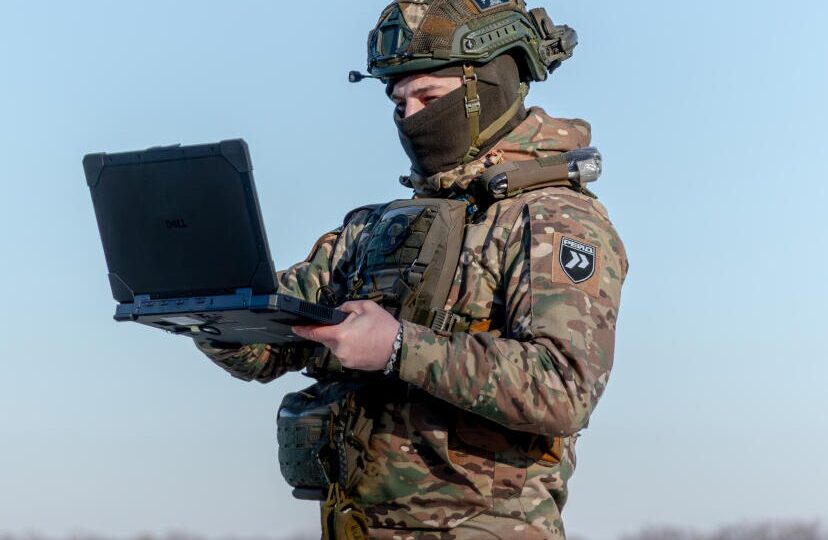
Over the past day, units of the Unmanned Systems Forces struck/destroyed 1,078 enemy targets.
The international delegation, headed by Ana Lucía Bueno, ICRC Public Health Coordinator, and Sujit Panda, Head of the Physical Rehabilitation…