
The international delegation, headed by Ana Lucía Bueno, ICRC Public Health Coordinator, and Sujit Panda, Head of the Physical Rehabilitation…

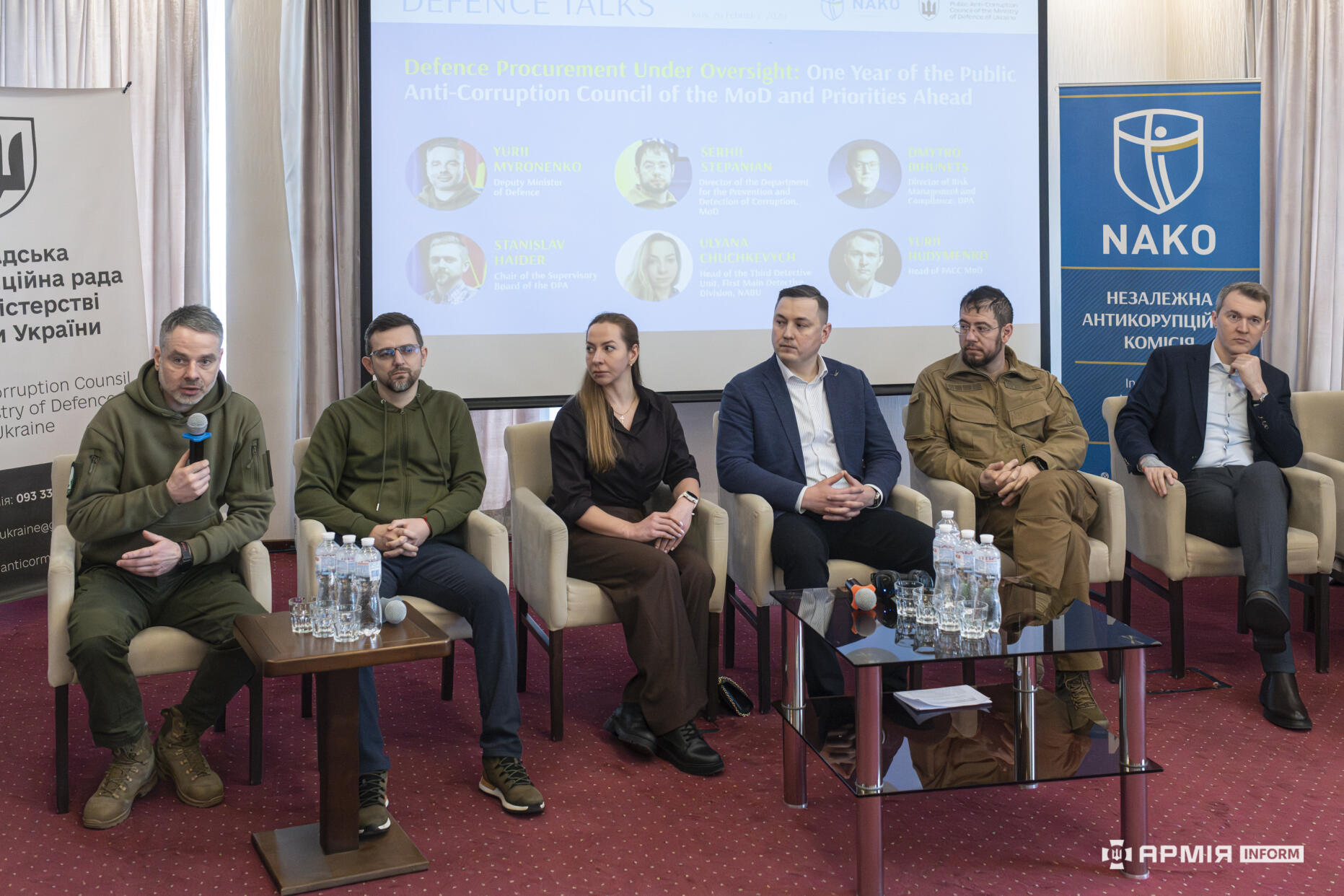
The Ministry of Defense is implementing the Mission Control system, including for assessing the use of munitions.
Deputy Minister of Defense, Lieutenant Colonel Yurii Myronenko, said this during an event dedicated to the anniversary of the Public Anti-Corruption Council at the Ministry of Defense.
According to him, the Ministry is analyzing all processes, and the key principle is data-based decision-making.
“Decisions must ensure that every hryvnia spent produces the maximum possible effect. One of the Minister’s first orders was the implementation of Mission Control.
We are already able to see all effective missions at the front — more than 2,800 strikes per day. But we also want to see all missions, including the ineffective ones. I hope within a few months we will complete the system’s implementation and will see the full picture, so we can make decisions about every hryvnia spent”, — Myronenko said.
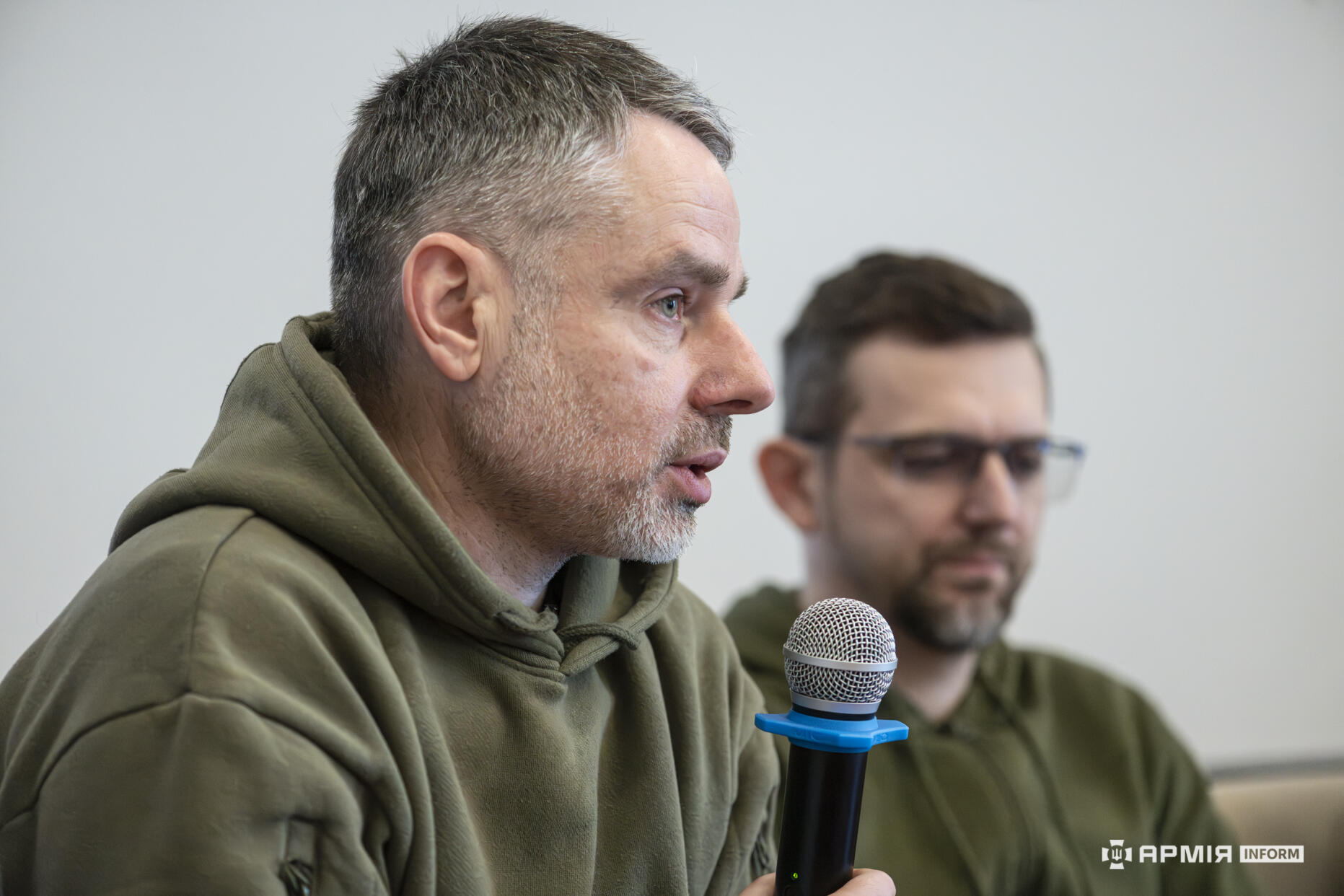

Currently, the Ministry of Defense is increasing its digital capabilities for monitoring all processes, said Serhii Stepanyan, Director of the Anti-Corruption Department of the Ministry of Defense of Ukraine.
He noted that the goal is to understand who, what, and how is working — for example, in the UAV sector.
“Our next track is the mass procurement of UAVs. We must not simply buy all drones that exist, but those that provide the highest efficiency ratio in use, so the Armed Forces receive exactly what they need. These processes are underway — we are digitizing certain areas and effectively using Delta so the Armed Forces are supplied with the most effective weapons”, — Stepanyan said.
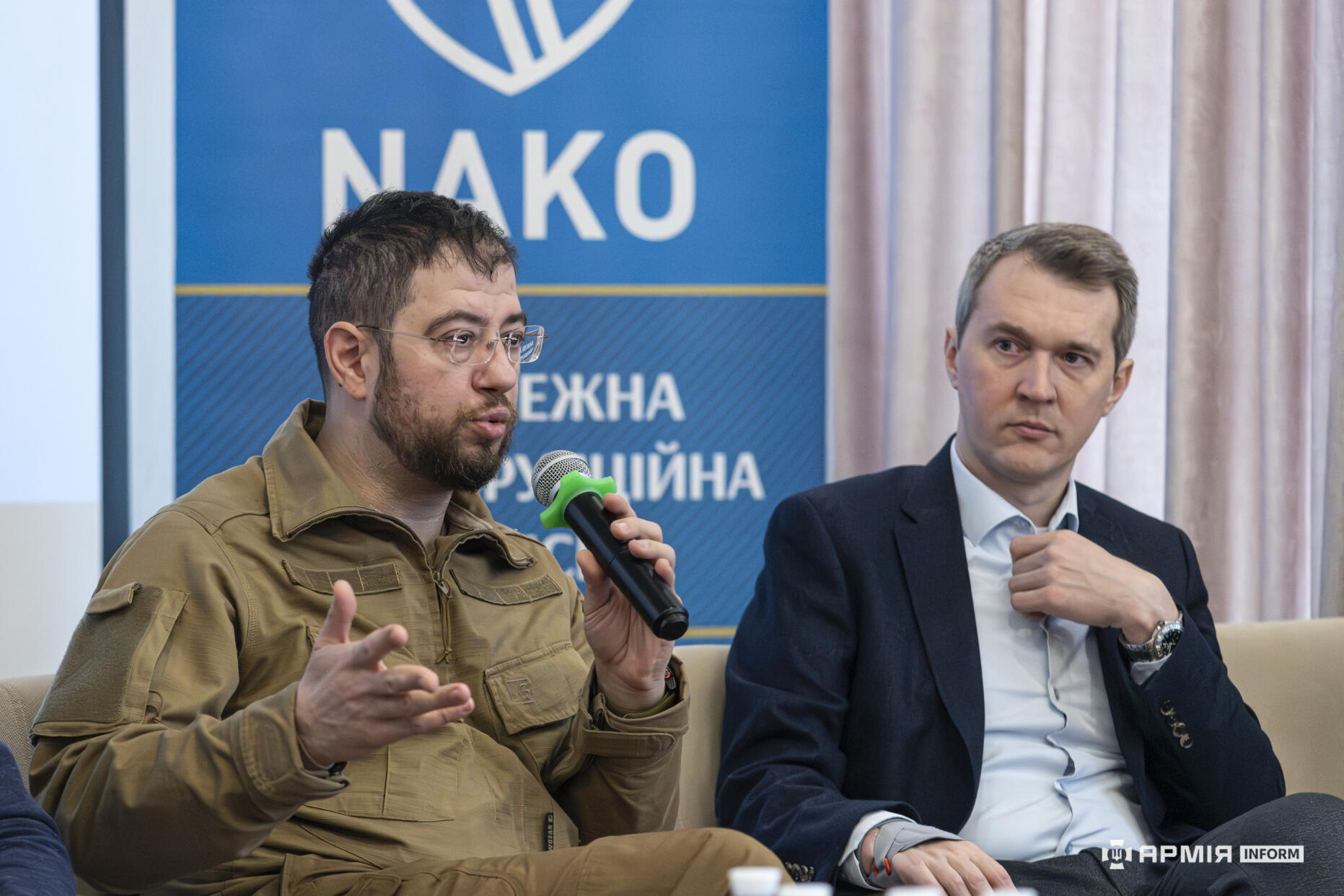
Since January 1, 2026, two procurement agencies (the Defense Procurement Agency and the State Logistics Operator) have merged into one structure.
According to Dmytro Bihunets, Chief Risk and Compliance Officer of the Defense Procurement Agency, the merger is complete and the reorganization has not affected the supply chain — deliveries remain uninterrupted.
Among the priorities of the new agency are continued digitalization and scaling of the DOT-Chain system. The new DOT-Chain Arsenal system is also being actively implemented.
“This new system allows us to see supply plans and make contracts according to how deliveries are carried out under existing agreements. This will ensure continuity of supplies to the Armed Forces. It is already being implemented in the UAV sector, and we hope to scale it this year”, — Bihunets said.
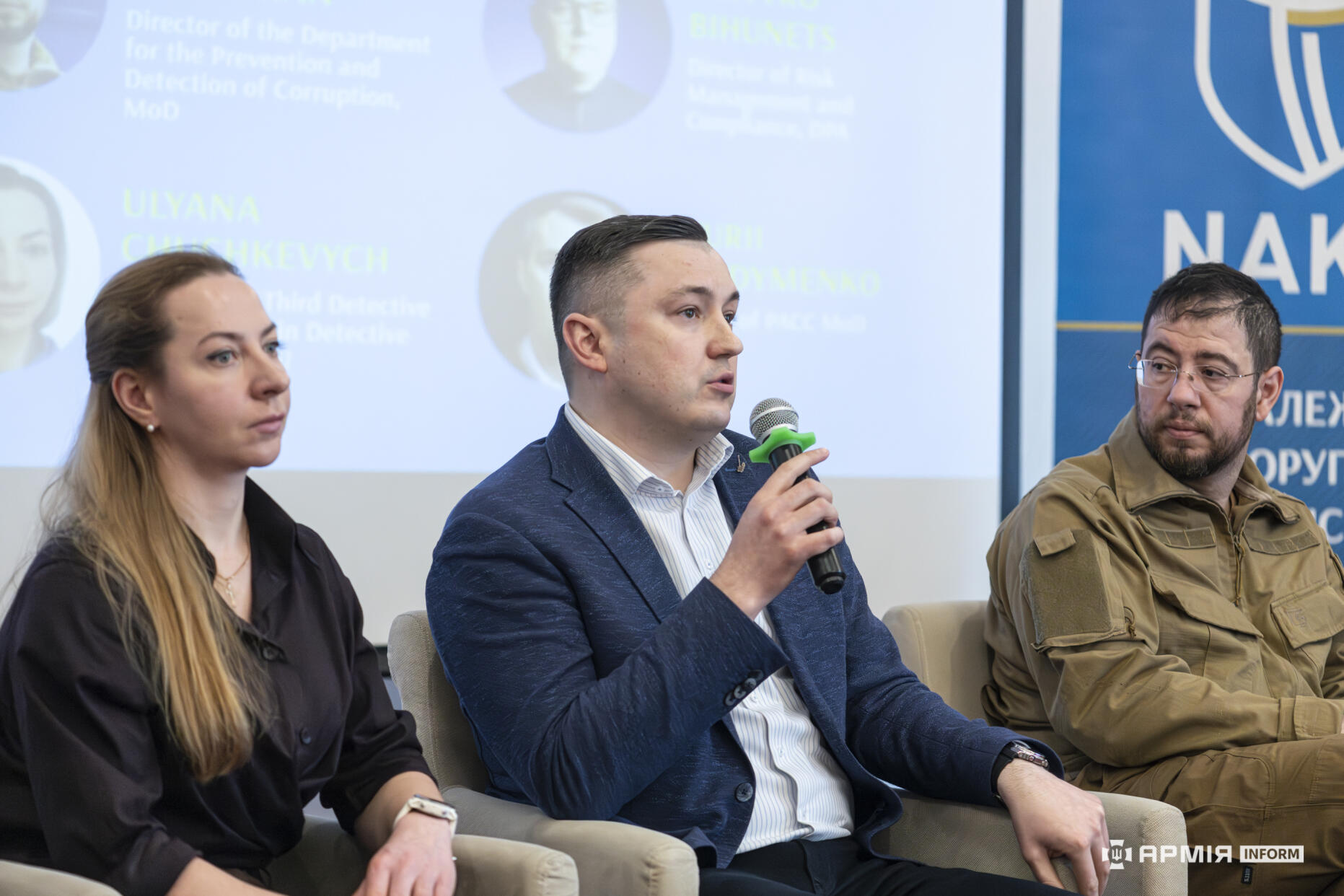
The agency is also working with the Ministry of Defense to introduce non-price criteria in defense procurement.
“Price is not always the decisive factor. For the Armed Forces, delivery timelines and maintenance guarantees are extremely important. Supplying some items is only half the issue — they must be serviced properly.
Localization is also important to support domestic manufacturers. And diversification of supply is crucial — concentrating everything in one supplier’s hands is a threat that could lead to supply disruptions”, — Bihunets stressed.

The enemy is attempting to develop the production of naval drones and copy successful Ukrainian practices — both technical solutions and tactics.
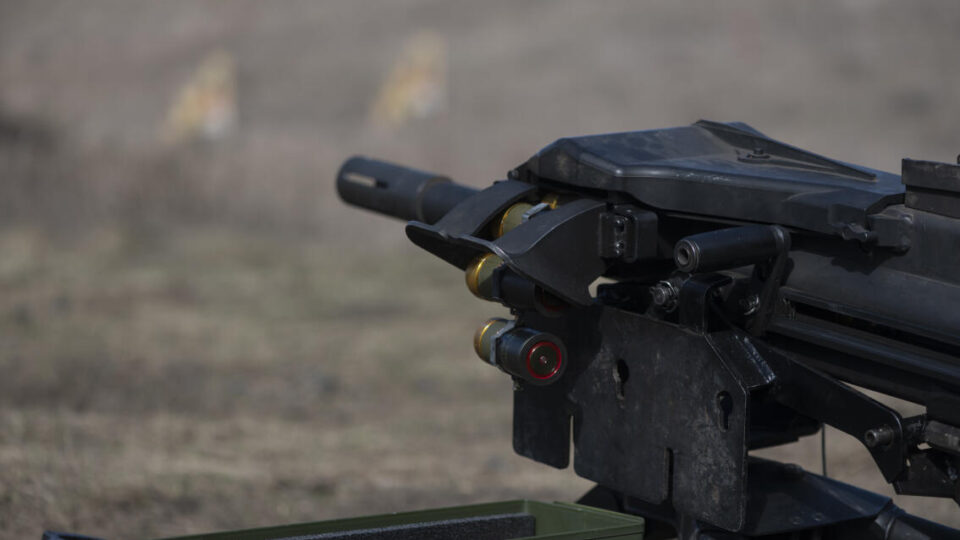
Fighting continues in the northern part of the city of Pokrovsk in the Pokrovsk direction. A mechanized assault was repelled there the day before.
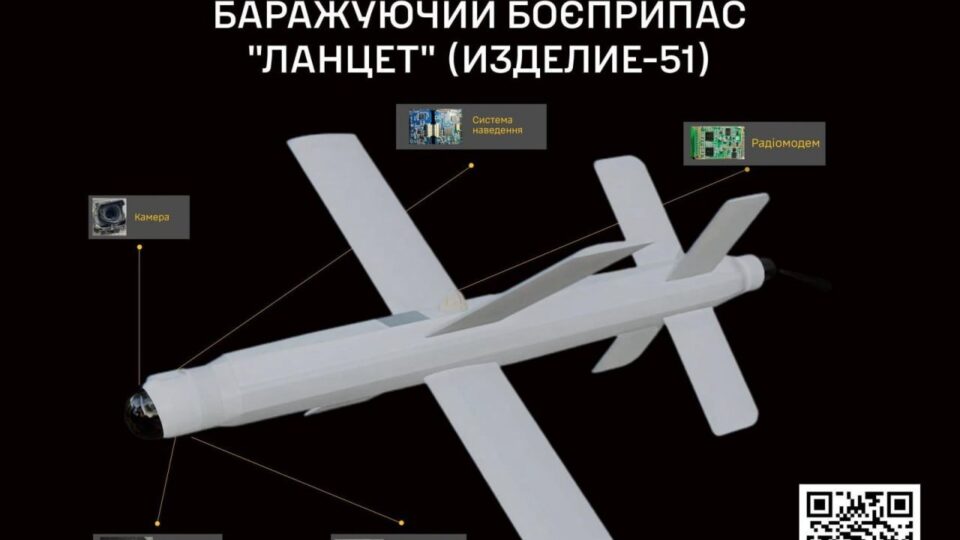
The Main Intelligence Directorate of the Ministry of Defense of Ukraine has published data on enterprises involved in the production of Russian loitering muniti

Another two-day round of negotiations between Ukraine and the United States concluded in Florida on March 22.
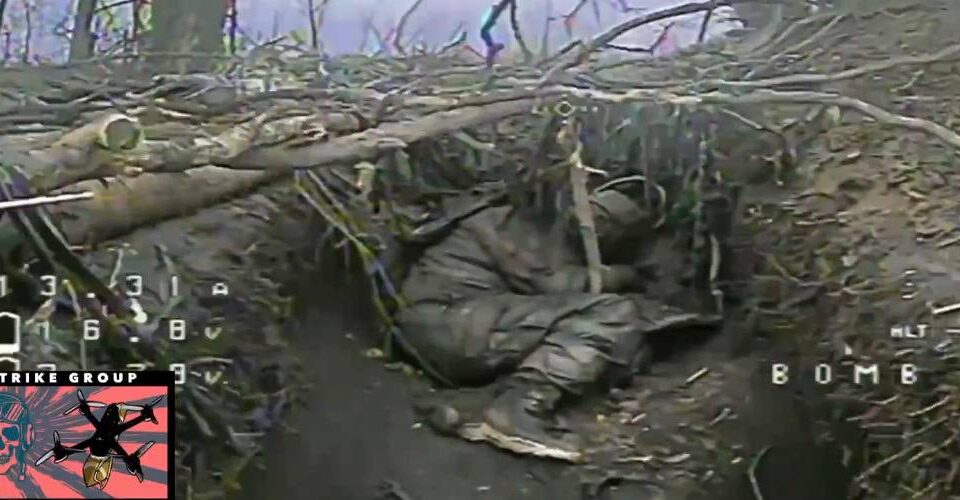
The enemy continues daily pressure and attempts to break through Ukrainian defenses in the Sloviansk direction.

Over the past day, units of the Unmanned Systems Forces struck/destroyed 1,078 enemy targets.
The international delegation, headed by Ana Lucía Bueno, ICRC Public Health Coordinator, and Sujit Panda, Head of the Physical Rehabilitation…