
The international delegation, headed by Ana Lucía Bueno, ICRC Public Health Coordinator, and Sujit Panda, Head of the Physical Rehabilitation…

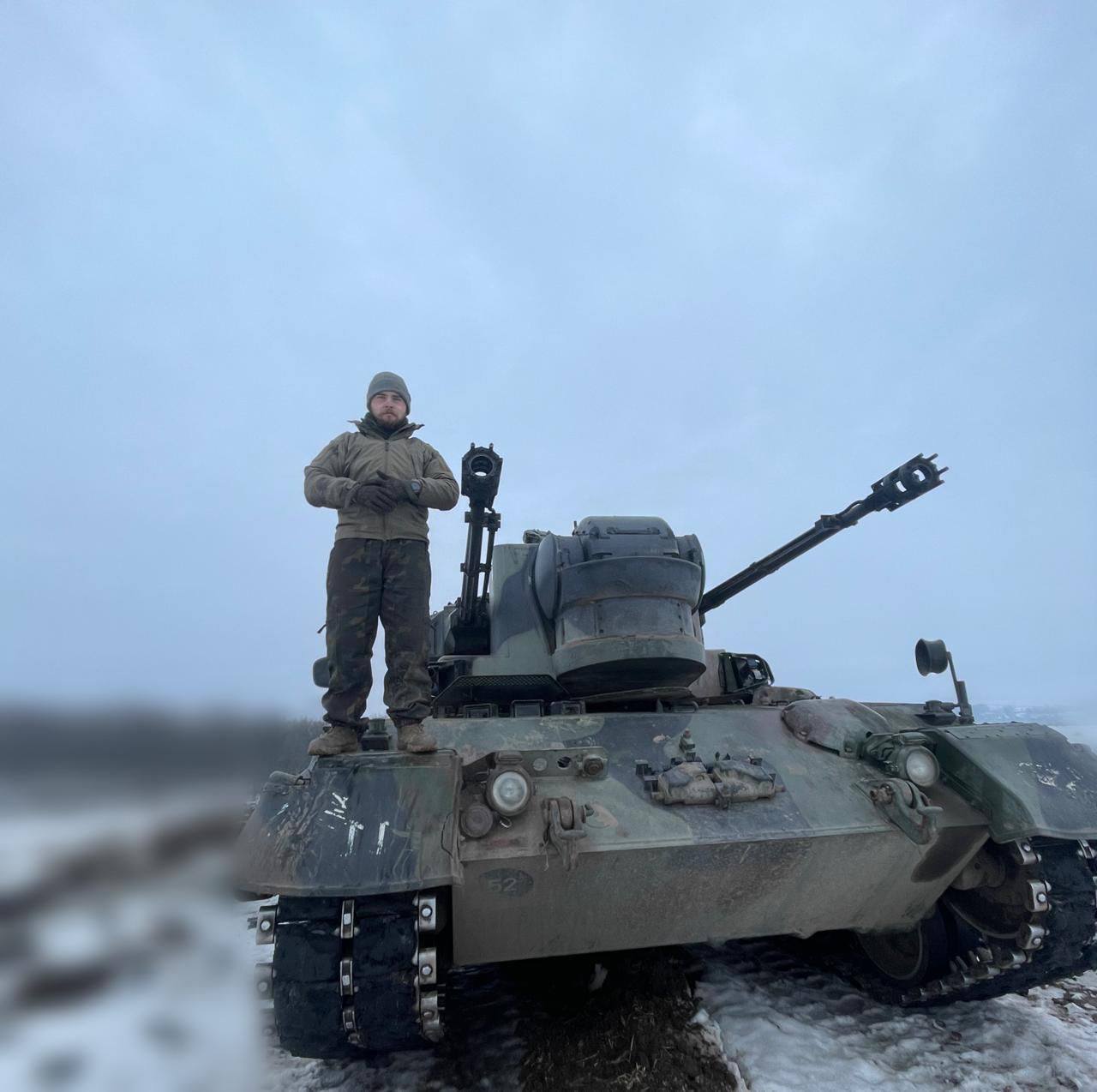
The commander of an anti-aircraft artillery platoon, Volodymyr, together with his crew of a Cheetah self-propelled anti-aircraft artillery system, fought off th
The Air Force Command of the Armed Forces of Ukraine reported about the soldier on February 26.
Volodymyr, together with his fighters under the Western Air Command, defends his homeland from enemy air strikes. The unit is armed with the Cheetah self-propelled anti-aircraft artillery system. The word “Cheetah” in English means “leetopard”.
The Cheetah is analogous to the already well-known Gepard SPAAG in Ukraine. The difference lies in their radar systems.
“Cheetah is better, in my opinion. The radars are quite sensitive. And I trust it. Our system’s armament includes two 35-mm cannons.
We have two onboard radar stations for tracking, searching, and targeting, and an onboard computer. It analyzes all target parameters and guides the weapon to the target.
We trained to operate this combat vehicle abroad. It was thorough, intensive, and comprehensive training.
But even now, we constantly train and refine algorithms for various situations”, — Volodymyr says.
During the most recent massive strike, Volodymyr’s crew destroyed five enemy aerial targets: one Kalibr cruise missile and four Shahed strike UAVs.
“We received information about a possible strike. The equipment is always in combat readiness. That night I did not sleep — I monitored the air situation.
Around 3 a.m. we received orders and moved to position. The enemy’s cruise missiles came first. One entered our engagement zone. Lock-on. Permission to fire. We engage. I see the target losing altitude. Target destroyed.
Then came the Shaheds. We were covering an energy infrastructure facility. Everything moving toward us was destroyed. Four drones — the work of my crew. The guys performed one hundred percent”, — Volodymyr said.
He has 12 destroyed aerial targets to his name. Seven of them he shot down while protecting an energy facility on the western axis. He speaks about his emotions sparingly:
“It’s hard to express in words. The adrenaline at the moment of opening fire, the explosion in the sky, the report on the result. You feel joy because a lot of effort and time went into the equipment — and it does not fail you”, — Volodymyr recalls.
He is originally from Donetsk region. Joining a military university was a conscious choice. He met the full-scale invasion as a first-year cadet of the Air Defense Faculty of the Kharkiv National Air Force University.
“It all seemed like a computer game, not real life. I was 17. At night there was an alarm, they issued weapons and ammunition. The supervising officer said: the invasion has begun, we will repel the attack”, — Volodymyr recalls February 24, 2022.
Cadets served at checkpoints, checked suspicious individuals, and patrolled the city. A defining moment for Volodymyr was the act of an officer-instructor who shot down a Russian Ka-52 with a MANPADS.
“We saw that our instructors not only teach but also fight”, — Volodymyr says.
During his training he mastered Stinger and Piorun portable air-defense systems and went on combat duty with officers.
After graduating, he served in a combat unit. He trained abroad and now confidently operates the equipment entrusted to him, destroying enemy aerial targets.
His personal motivation is his mother. She is a servicemember in the Ground Forces, carrying out missions in eastern Ukraine.

The enemy is attempting to develop the production of naval drones and copy successful Ukrainian practices — both technical solutions and tactics.
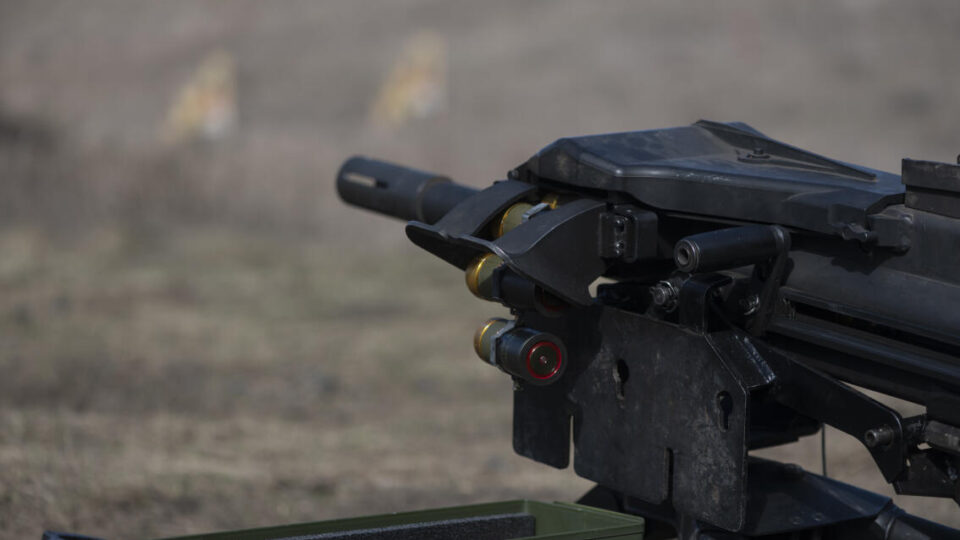
Fighting continues in the northern part of the city of Pokrovsk in the Pokrovsk direction. A mechanized assault was repelled there the day before.
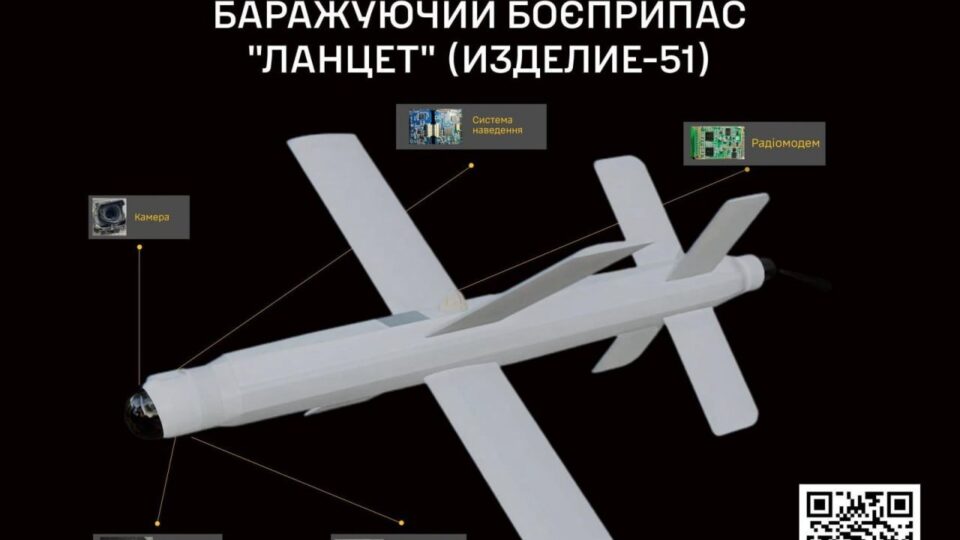
The Main Intelligence Directorate of the Ministry of Defense of Ukraine has published data on enterprises involved in the production of Russian loitering muniti

Another two-day round of negotiations between Ukraine and the United States concluded in Florida on March 22.
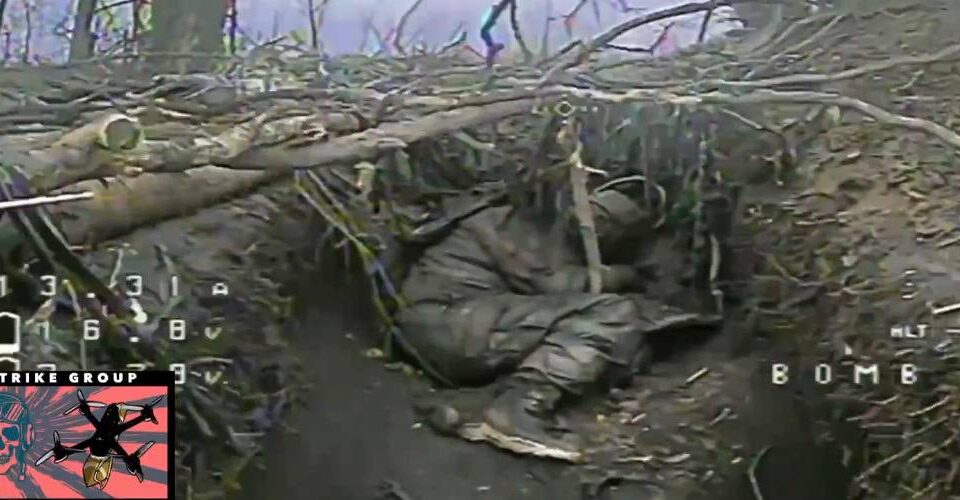
The enemy continues daily pressure and attempts to break through Ukrainian defenses in the Sloviansk direction.
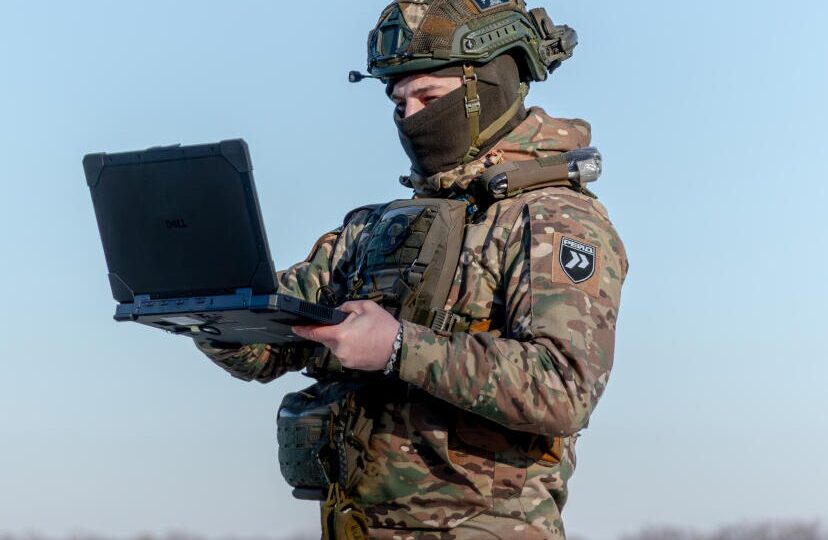
Over the past day, units of the Unmanned Systems Forces struck/destroyed 1,078 enemy targets.
The international delegation, headed by Ana Lucía Bueno, ICRC Public Health Coordinator, and Sujit Panda, Head of the Physical Rehabilitation…