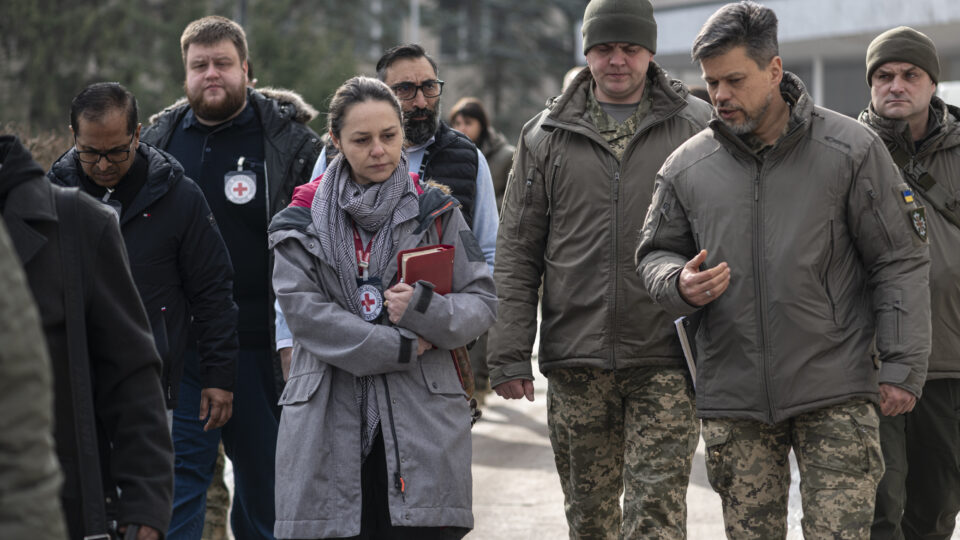
The international delegation, headed by Ana Lucía Bueno, ICRC Public Health Coordinator, and Sujit Panda, Head of the Physical Rehabilitation…

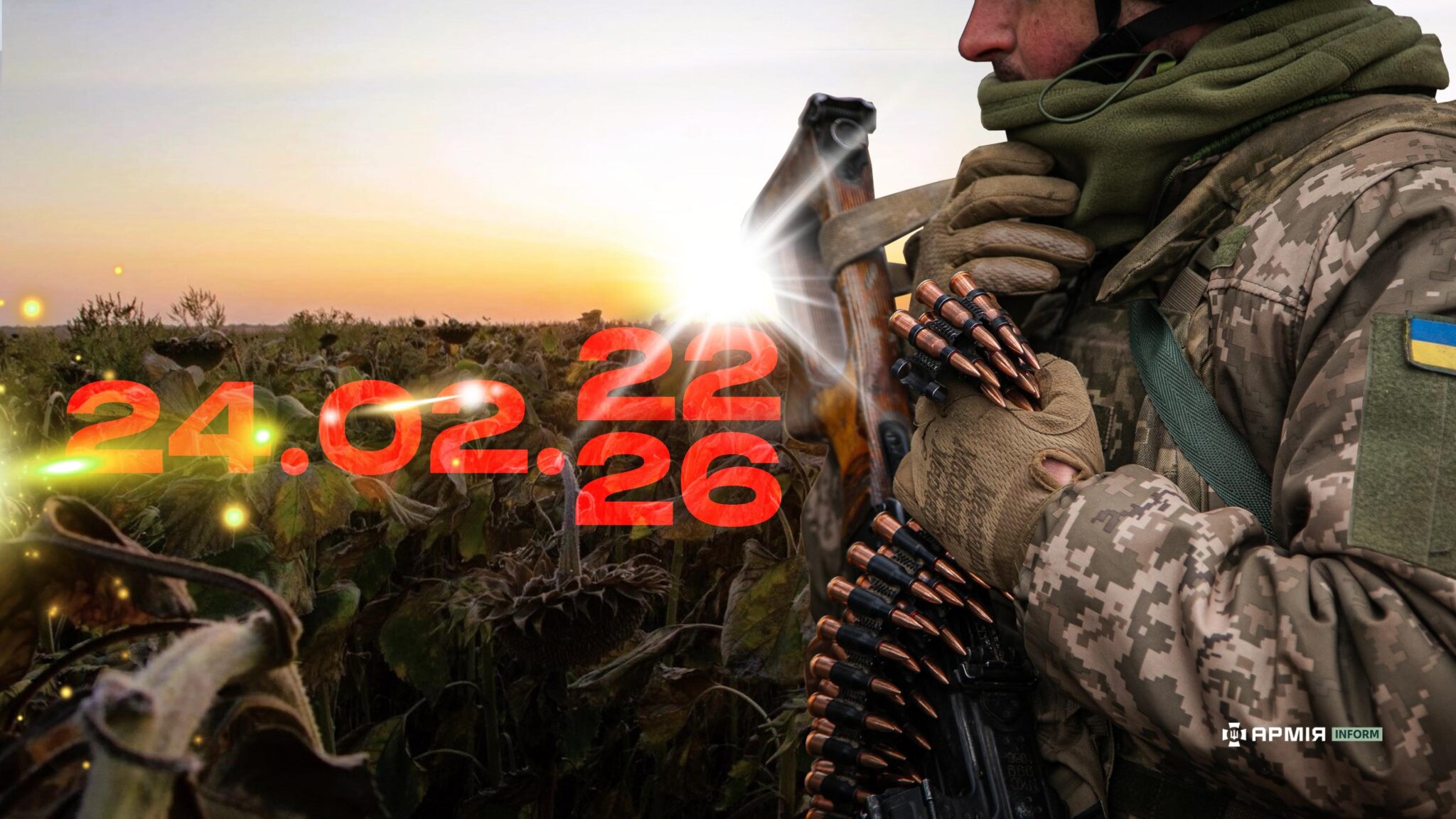
War is a process of societal transformation. February 24, 2022, forever changed Ukraine, Ukrainians, and the world around us.
We learned to live in a new reality where war became everyday life, and all our actions and aspirations are directed toward Victory.
The war united us as nothing ever had before. We learned to turn our personal and shared pain into strength, to search for opportunities rather than excuses, to fight every day — with both heart and mind.
The enemy expected a lightning-fast takeover of Ukraine, convinced that Ukrainians were waiting for Russians with open arms. But from the very first hours, the invading army met fierce resistance not only from the Defense Forces but also from ordinary citizens who organized volunteer formations and volunteer networks.
A large portion of the population perceived the invasion as a shocking but grave threat that required resistance. The sense of national unity and mobilization was extremely high. Across the country, lines formed outside military enlistment offices; people wanted to defend their homeland.
Checkpoints were organized to detect enemy sabotage groups and stabilize internal security.
The world was astonished during the first months as:
Before the invasion, many Ukrainians held neutral or even positive views of individual Russians, considering them culturally or linguistically close. After February 24, that perception shifted decisively to the negative. Every Russian was told to “follow the Russian warship”, because these apathetic beings preferred dying for their dictator’s sick ambitions over stopping him.
Ukrainians created countless ironic, sarcastic, and openly derogatory neologisms to describe “a Russian”: rashist, rusnya, ork, pig-dog, etc. These terms de-personalized the enemy, formed a linguistic code of “us vs. them”, and relieved psychological tension through humor while marking ideological distance.
February 24 drastically changed our priorities, forced us to regroup, adapt, and hold the line.
During the first year of war, Ukrainians showed the world courage, dignity, and unbreakability. Ukraine transformed beyond recognition. Military and civilians together resisted the invader across military, diplomatic, and informational fronts, defending independence, statehood, and national identity.
Power outages and transport disruptions caused by shelling almost ceased. Confidence grew that the worst was over, although on the eve of February 24, 2023, many expected enemy “provocations” — a new assault on the capital or heavy bombardments.
The unexpected arrival of the President of the United States in Kyiv on February 20 became a powerful message of support.
The slogans of the first year were:
“The Year of Unbreakability”, “We endured — we will win!”, “Victory is everyone’s task.”
Yet by then, nobody believed the war would end quickly.
Negative attitudes toward Russia and Russians became dominant and intensified sharply because of the mass casualties, destruction, and war crimes. Many Ukrainians considered any future relations with Russians impossible. The idea of completely severing communication with the Russian Federation became widespread — especially as the ideologues of “rashism” officially denied the existence of Ukrainians as a separate nation.
Ukraine continued rejecting Russian and Soviet heritage.
On September 1, 2023, the Orthodox Church of Ukraine switched to the Revised Julian calendar; the dates of several holidays were changed at the state level. Hundreds of objects were renamed or dismantled.
The idea of Russia’s collapse as the final point in the confrontation became popular. In June 2023, the Wagner PMC mutiny took place; in January 2024, the first significant protests in years erupted in Bashkortostan.
On January 22, the President of Ukraine signed a decree “On the territories of the Russian Federation historically inhabited by Ukrainians,” countering the Russian narrative of “primordially Russian lands”.
Two years into the full-scale war, there was no reason to believe it would end soon. At the same time, discussions began about finding ways to achieve victory with less categorical terms, or even ending the war through diplomacy. But neither Ukraine nor Russia nor key allies saw grounds for a peaceful settlement.
The main events of the war shifted onto Russian territory; Ukraine’s Defense Forces began actively using drones and became the side dictating the rules. Russian losses in Ukraine reached 110% of their ground forces’ initial “starting strength”, more than 14,000 pieces of equipment were destroyed, and 33% of the Black Sea Fleet was taken out of action.
There was strong belief in inevitable victory — although daily life became a continuous battle for us, our families, and our country. Every day required reaffirming readiness to fight for freedom and independence. Ukrainians understood that the road was difficult but that we walked it together, united by the will for victory and change.
Ukraine continued its struggle for independence, demonstrating resilience and strength in the face of the aggressor. But for victory, every resource became crucial. While weapons and financial support from allies remained relatively stable, other resources — especially human — placed Ukraine in a difficult position in 2024.
Despite this, Ukrainians remained optimistic about the future and believed in the Armed Forces’ ability to repel Russia.
The successes of the Kursk operation were inspiring, disrupting enemy plans to seize Donetsk region and create a so-called buffer zone.
Ukraine began actively deploying F-16 Fighting Falcon multirole fighters, reorganized its army from brigade to corps system, and created the Drone Systems Forces. For the first time in its history, Ukraine became a trendsetter in military strategy and innovation — strengthening its armed forces.
Negative attitudes toward Russia reached the highest level ever recorded during the war. Long-term mistrust toward Russians as a social group grew: up to 80% of the population had no trust in them and did not believe in restoring relations for decades to come.
Ukrainians’ attitudes to the war from 2022 to 2026 evolved from maximum mobilization and clear front-line resistance to a combination of determined defense and awareness of a prolonged war.
Today, most soldiers fight primarily for their brothers-in-arms, not only for lofty ideas.
Most people believe the war may last until 2027 or longer, but they are ready to fight as long as necessary. The Defense Forces continue to inspire admiration: everyone still discusses the Security Service of Ukraine’s unique special operation “Spiderweb,” in which four military airfields deep inside Russia were struck simultaneously.
Despite attempts to push the narrative of “war fatigue” amid the energy genocide of major cities during peak cold, “peace at any cost” remains unacceptable for Ukraine.
According to the latest data (as of January 2026), only 40% of Ukrainians are ready for territorial concessions for peace, while 52% are categorically against this. At the same time, about 70% agree to stopping at the current frontline.
Despite everything, Ukrainians remain committed to honor, dignity, and responsibility for themselves and their country. We will never yield our values and are ready to continue the struggle until victory.
Attitudes toward Russia remain consistently negative. Ukrainians believe that sooner or later Russia must be harshly punished and completely defeated.
On February 24, 2022, we fought for the present — for the right to survive in new realities.
On February 24, 2026, we fight for the future — determined to defend what is ours.
Mutual support, faith in victory, and unity became the key to the survival of the Ukrainian nation and state during these four years. We united and helped each other survive. This remains and will not disappear. We will all clear the rubble together, help each other in every way, and do everything possible to bring victory — or, as they now say, a just peace — closer.
Ukraine was, is, and will be!

The enemy is attempting to develop the production of naval drones and copy successful Ukrainian practices — both technical solutions and tactics.
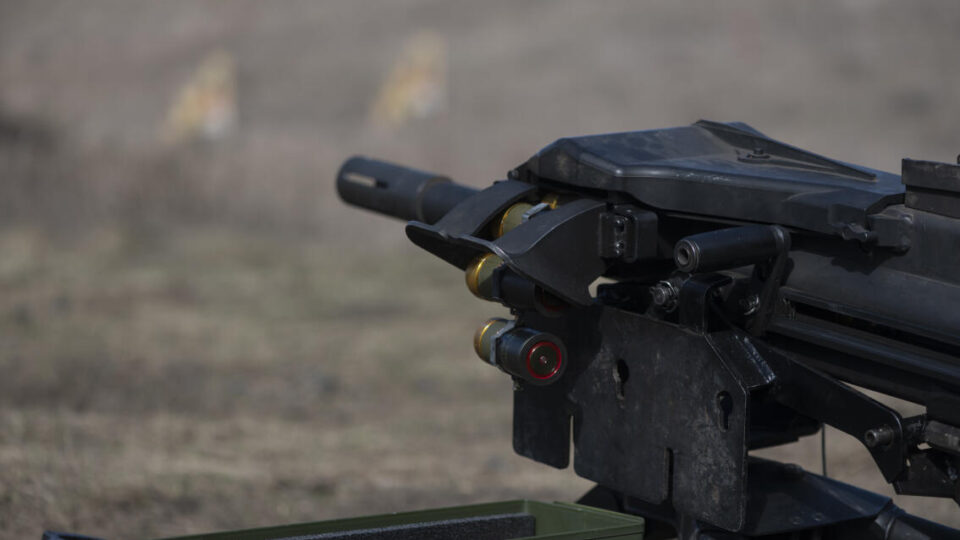
Fighting continues in the northern part of the city of Pokrovsk in the Pokrovsk direction. A mechanized assault was repelled there the day before.
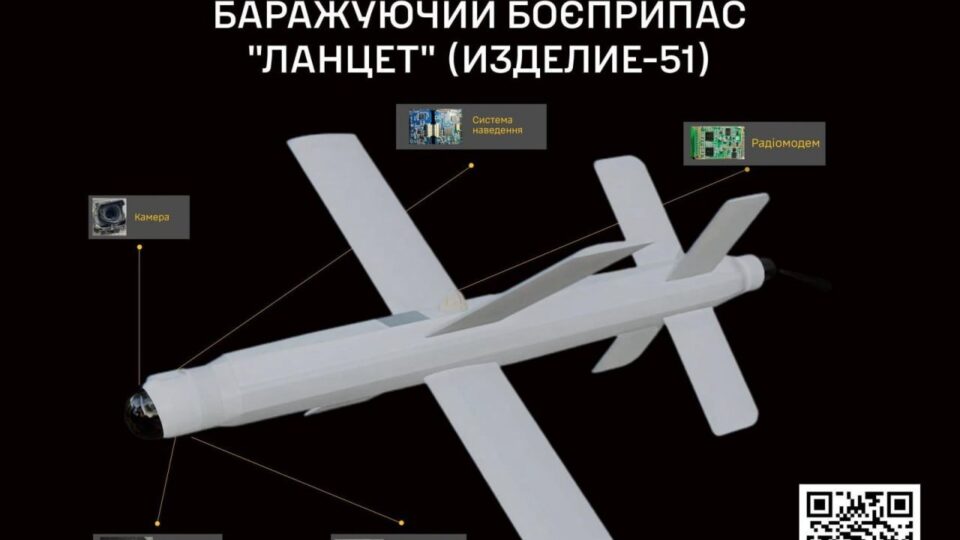
The Main Intelligence Directorate of the Ministry of Defense of Ukraine has published data on enterprises involved in the production of Russian loitering muniti

Another two-day round of negotiations between Ukraine and the United States concluded in Florida on March 22.
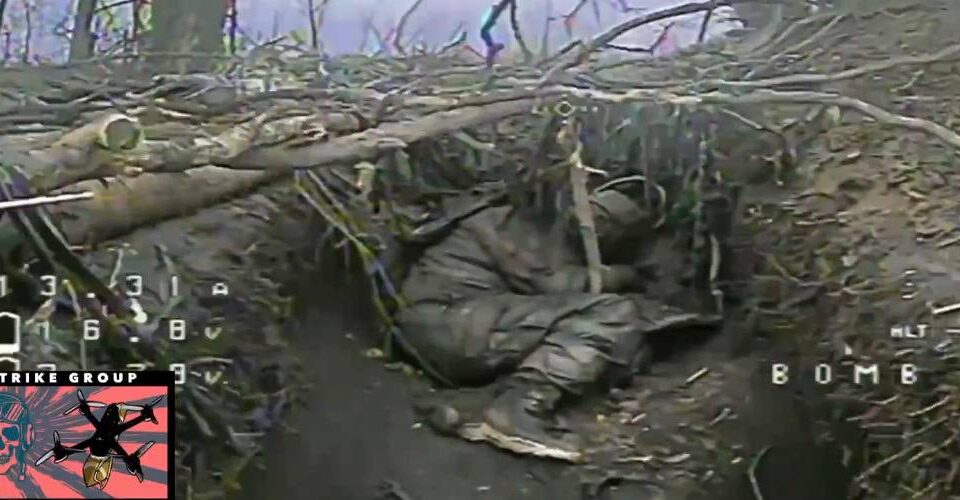
The enemy continues daily pressure and attempts to break through Ukrainian defenses in the Sloviansk direction.
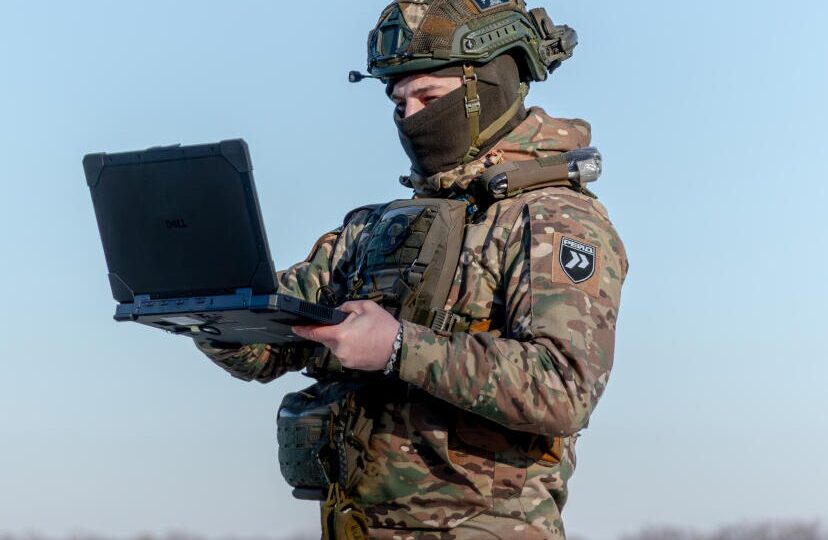
Over the past day, units of the Unmanned Systems Forces struck/destroyed 1,078 enemy targets.
The international delegation, headed by Ana Lucía Bueno, ICRC Public Health Coordinator, and Sujit Panda, Head of the Physical Rehabilitation…