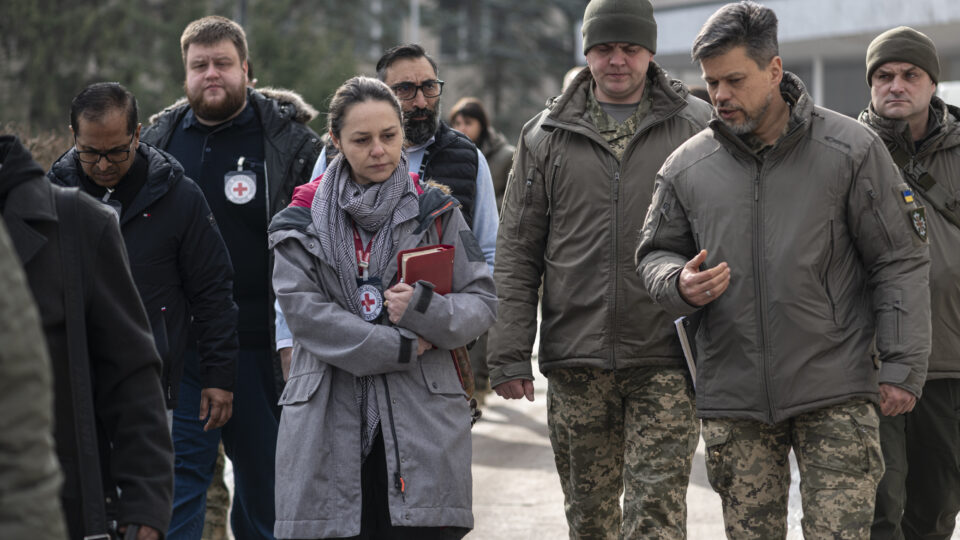
The international delegation, headed by Ana Lucía Bueno, ICRC Public Health Coordinator, and Sujit Panda, Head of the Physical Rehabilitation…

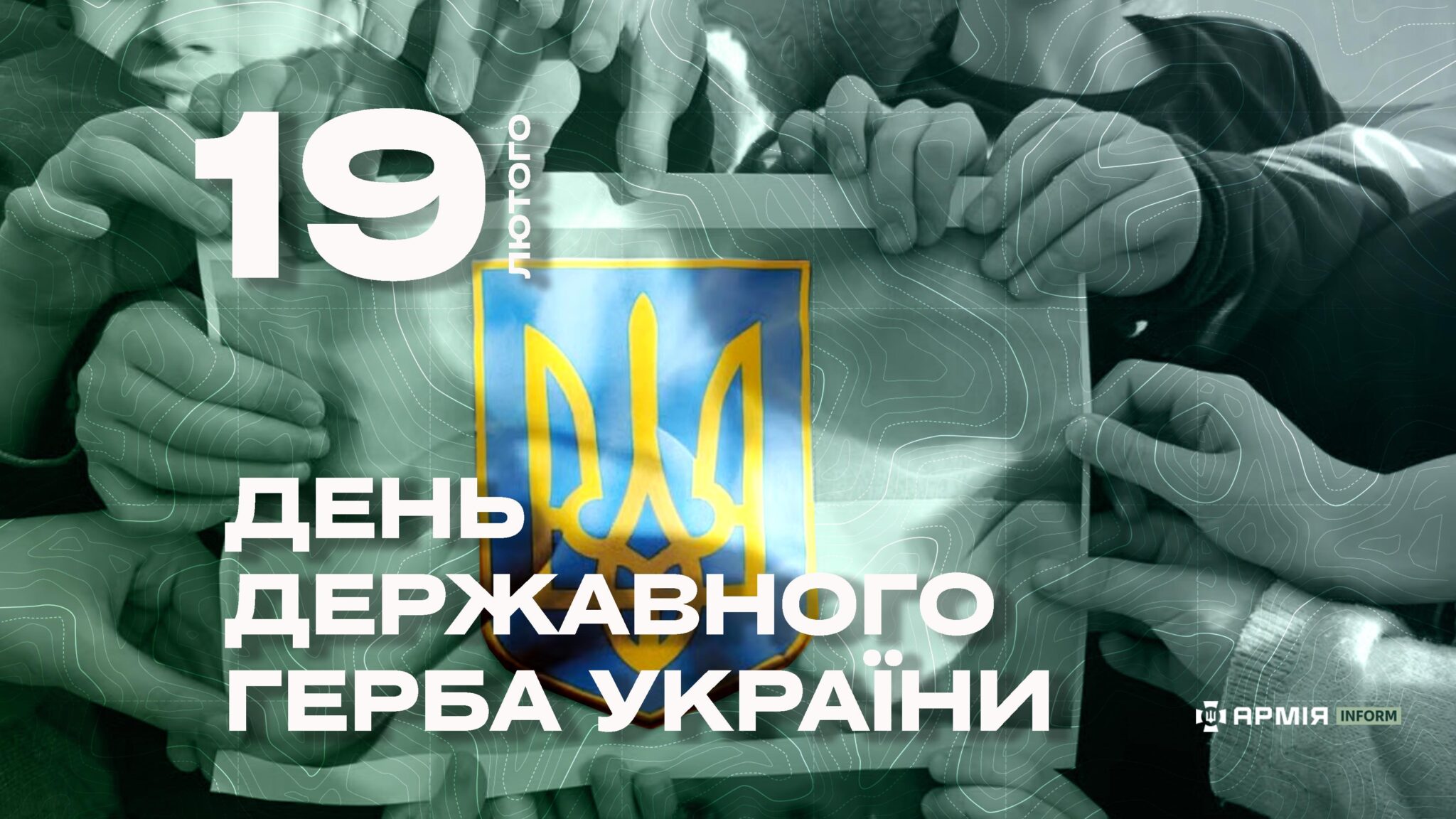
On February 19, Ukraine observes the Day of the State Coat of Arms — one of the main symbols of our state. The other two are the State Flag of Ukraine and the S
On this day in 1992, the Verkhovna Rada adopted Resolution No. 2137-XII “On the State Coat of Arms of Ukraine”, which approved the trident as the Lesser Coat of Arms and defined it as the main element of the future Great Coat of Arms.
Since then, the Coat of Arms has been officially used on seals of state authorities, currency, postage stamps, official IDs, stamps, and official documents with mandatory adherence to established proportions.
Work on the modern coat of arms began even before independence was declared. An open competition was announced on June 24, 1991.
Under the aegis of the parliamentary Commission on Culture and Spiritual Revival, a jury of MPs, historians, art experts, and museum specialists was formed.
The competition received more than 200 submissions, of which 192 featured variations of the trident. The winning design was by historian-heraldist Andriy Hrechylo and artist Ivan Turetskyi.
All competition materials are now preserved in the Central State Archive of Higher Authorities of Ukraine. The Great State Coat of Arms has not yet been officially adopted.
The trident has a thousand-year history in Ukrainian lands. In the era of Kyivan Rus, it was the dynastic symbol of the Rurikids and widely used as a state emblem.
Trident images have been found on coins, seals, pottery, bricks, and wall paintings.
It is known that Prince Volodymyr Sviatoslavych minted tridents on his coins alongside his portrait, and seals with this symbol were used when concluding international treaties, including those of Prince Ihor with Byzantium.
In the 20th century, the trident became the coat of arms of the Ukrainian People’s Republic, symbolizing the unity of Ukrainian lands and continuity of statehood tradition.
During the Soviet era, the symbol was banned and labeled “nationalist,” and its use was persecuted.
After the restoration of Ukraine’s independence, reinstating the trident as a national symbol was a conscious step toward restoring historical continuity of Ukrainian statehood.
Today the trident is one of the core symbols of the Ukrainian state — embodying historical continuity, connection between generations, aspiration for independence, and uniting Ukrainians worldwide around the idea of a sovereign and united Ukraine.

The enemy is attempting to develop the production of naval drones and copy successful Ukrainian practices — both technical solutions and tactics.
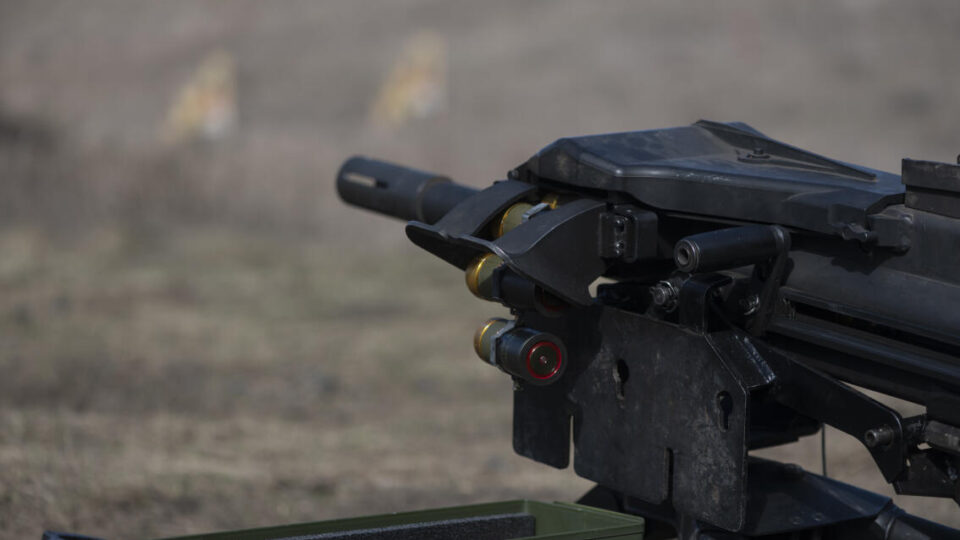
Fighting continues in the northern part of the city of Pokrovsk in the Pokrovsk direction. A mechanized assault was repelled there the day before.

The Main Intelligence Directorate of the Ministry of Defense of Ukraine has published data on enterprises involved in the production of Russian loitering muniti

Another two-day round of negotiations between Ukraine and the United States concluded in Florida on March 22.
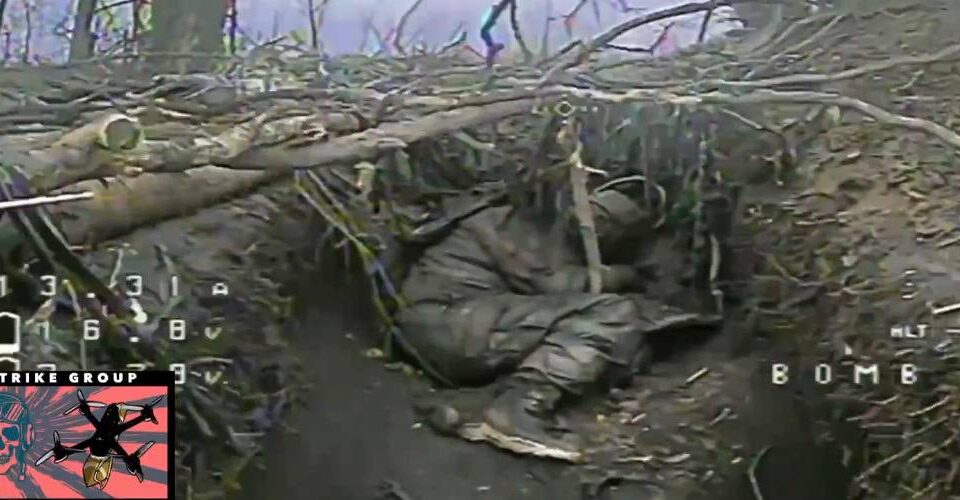
The enemy continues daily pressure and attempts to break through Ukrainian defenses in the Sloviansk direction.

Over the past day, units of the Unmanned Systems Forces struck/destroyed 1,078 enemy targets.
The international delegation, headed by Ana Lucía Bueno, ICRC Public Health Coordinator, and Sujit Panda, Head of the Physical Rehabilitation…